













An overactive bladder (OAB) can disrupt daily life, making it challenging to control the frequent, sudden need to urinate. This affects millions of people. Routine activities and social behaviors become more difficult.
Although treatment is available through medication or other interventions, you can find relief by making lifestyle changes that improve your bladder health.
In this article, we will learn practical, effective strategies for managing overactive bladders, including dietary changes, hydration habits, exercises, and behavioral techniques.
Understanding Overactive Bladder
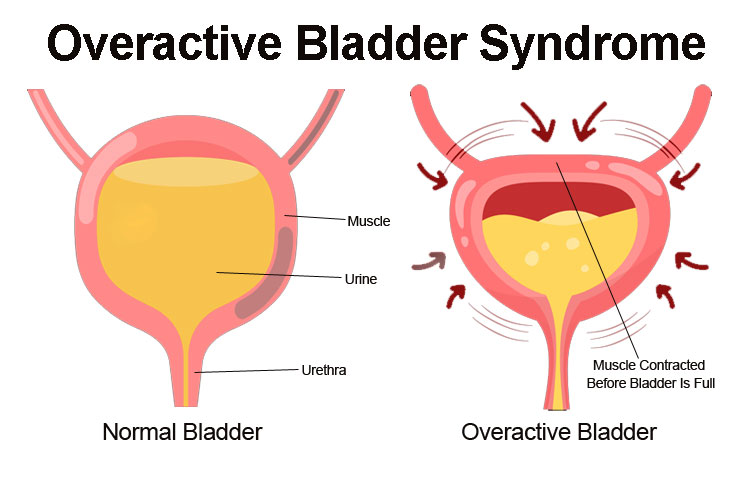
Overactive bladder (OAB) is characterized by sudden, uncontrollable urges to urinate and frequent trips to the bathroom. Some experience urgency incontinence and unintentionally lose some urine and rush to the toilet.
These symptoms wake you up at night multiple times (nocturia) and can disrupt daily activities. They can also disrupt sleep, work, and social life. Although OAB does occur with aging, it is not a symptom of aging and is quite manageable.
The best thing is that it can be managed with treatment and lifestyle modifications, pelvic floor exercises, and a proper bladder management program.
Dr. May Wakamatsu, MD, a urogynecologist at Massachusetts General Hospital, says that for women, most bladder control problems can be improved without surgery. “She advises her patients to drink normal amounts of liquids and try specific exercises first.”
Diet Modifications

A bladder-friendly diet is an essential factor in controlling OAB symptoms. The following foods and beverages are irritants to the bladder and must be avoided:
- Caffeine
- Alcohol
- Carbonated beverages
- Spicy foods
- Acidic items like citrus fruits and tomatoes
Bladder-friendly options include:
- Non-acidic fruits like bananas and apples
- Fiber-rich vegetables like broccoli and cucumbers
- Whole grains like oats and barley
Hydration Practices

Hydration is one of the main factors in managing overactive bladder (OAB) symptoms. Finding the right balance is crucial since too much or too little fluid can damage the bladder.
- Do not drink too much fluid, especially in the evening
- Drink most of the fluid during the day
- Cut back on fluid intake a few hours before bedtime
- Limit bladder irritants such as those mentioned above
- Hydrate regularly
- Avoid too much or too little fluid
- Soups and fruits contribute to fluid intake
These bladder-friendly hygiene practices improve your bladder health, reducing the urgency of trips to the bathroom.
Pelvic Floor Exercises (Kegels)
Kegel exercises are proven to strengthen the pelvic floor muscles, which support the bladder and help control urination. Both men and women who have symptoms of overactive bladder (OAB), such as leakage or urgency, may find these exercises helpful.
How Kegels Help with Bladder Control
Kegel exercises strengthen the pelvic floor muscles and improve coordination, which provides better bladder control. They also help reduce urinal leakage and overall bladder instability, which can occur with increasing age, childbirth, surgery, or any nerve-related issue.
How to Perform Kegel Exercises
- Identify the Right Muscles:
- For women: Tighten as if stopping urine flow or holding gas
- For men: Imagine stopping urine midstream or holding in gas
- Exercise Routine:
- Start with an empty bladder
- Tighten the pelvic floor muscles and hold for 3 to 5 seconds
- Relax the muscles for 3 to 5 seconds
- Repeat 10 times per session, practicing 3 sessions a day.
- Important Tips:
- Focus only on the pelvic floor muscles. Avoid tensing your abdomen, thighs, or buttocks.
- Breathe naturally during the exercises to stay relaxed
When to Expect Results
Consistency is the key. Most people notice improvement in bladder control within 4 to 6 weeks with regular practice. To maintain benefits, continue practicing Kegel exercises as part of your daily routine.
By integrating Kegel exercises into your lifestyle, you can effectively support bladder-friendly health and reduce the symptoms of an overactive bladder.
Kegel exercises can become an integral part of your lifestyle and effectively support bladder-friendly health while reducing symptoms of an overactive bladder.
Behavioral Techniques

Behavioral interventions, such as bladder training and urge control, are fundamental in managing an overactive bladder. These practices give you the power to regain control over your bladder habits, thus reducing urgency and enhancing quality of life.
Bladder Training
Bladder training focuses on establishing a scheduled regimen for bathroom visits to help the bladder hold more urine over time. This step-by-step process involves:
Follow a Fixed Schedule:
- Empty your bladder at certain intervals, irrespective of the urge.
- Adjust your schedule as per your doctor’s guidance.
Urge Suppression Techniques:
- Pelvic Floor Exercises: Contract the pelvic floor muscles during an urge. This causes a reflex that makes the bladder quiet, and the urgency feels less.
- Mental Distractions: Mental distractions help manage overactive bladder (OAB) urgency by interrupting the brain-bladder signal loop during sudden urges. Techniques like counting backward or visualization allow the sensation to pass without rushing to the bathroom.
- Postural Adjustments: You can sit down or cross your legs while contracting the pelvic floor muscles, stabilizing the bladder, and suppressing the urge.
Gradual Progress:
- Start with small intervals of time between bathroom visits and increase by 15–30 minutes weekly.
- Try to reach 3-4 hour intervals over 6–12 weeks.
Morning Start:
- Empty your bladder right after you wake up.
Nighttime Routine:
- Stay off the schedule at night.
- Urinate only if you naturally wake up.
Handling Setbacks:
- If it is difficult to suppress an urge, wait five minutes as long as possible before going to the bathroom.
- Resume your schedule again.
Track Progress:
- Track your activity, improvements, and challenges in a diary.
Pelvic Floor Exercises:
- Practice Kegel exercises daily to strengthen bladder control.
Patience is Key:
- Consistency is the only solution, though progress is slow, so keep your patience.
Bladder training is a core Overactive Bladder strategy that increases bladder capacity and decreases episodes of urgency and leakage.
Bladder training and urge control techniques offer practical, non-invasive solutions for managing OAB symptoms.
Maintaining a Healthy Weight

Healthy weight management is essential for the treatment of an Overactive Bladder. Excess body weight may exert more pressure on the bladder, hence increasing the urgency and frequency of urination, with some experiencing incontinence.
A 2019 randomized trial showed high-intensity exercise led to >5% body fat reduction and significantly lowered OAB symptoms in overweight women after 12 weeks.
How Excess Weight Affects OAB
Excess abdominal fat exerts pressure on the bladder and pelvic region. This leads to various urinary symptoms such as:
- More pressure on the bladder causes it to lose its storage capacity for urine without causing discomfort
- Weak pelvic floor muscles because of additional weight make it harder to urinate
- The added pressure will also lead to increased cases of incontinence, especially when coughing, sneezing, or laughing
You will see an improvement in the frequency and intensity of the OAB symptoms as this pressure diminishes when you lose weight.
Benefits of Weight Loss for OAB
- Improved Bladder Function: When excess weight is reduced, pressure on the bladder and pelvic floor is relieved, enhancing bladder control.
- Decreased Urgency and Frequency: Weight loss can reduce OAB-related frequency and urgency.
- Enhanced pelvic Floor Strength: Weight loss may relieve some of the stress on the pelvic muscles, making it easier to do pelvic floor exercises, such as Kegels, which can further improve bladder control.
When to Seek Medical Advice

If these lifestyle changes and behavioral therapies, such as bladder training, diet changes, and pelvic floor exercises, fail to help alleviate the symptoms of an Overactive Bladder, it is time to visit a doctor.
Symptoms such as urination frequency, urgency, or incontinence that are persistent and impact daily activities may be indicative of the need for further treatment.
Available Medical Treatments for Overactive Bladder
Medical treatments for OAB are:
- Prescription drugs such as anticholinergics, which decrease spasms of the bladder muscle
- Beta-3 agonists, which relax the bladder
- Botulinum toxin injections and sacral neuromodulation
- Surgery
See a healthcare provider to determine the course of action based on your symptoms and severity.
Conclusion
The management of an Overactive Bladder (OAB) begins with very simple lifestyle changes. These changes have a huge impact on bladder control and quality of life.
With bladder-friendly dietary habits, adequate hydration, pelvic floor exercises, and behavioral techniques such as bladder training and urge control, one can regain confidence and significantly reduce OAB symptoms.
Remember, small steps toward these changes can lead to lasting improvements. If lifestyle modifications aren’t enough, don’t hesitate to seek medical advice for additional treatment options to better manage your condition.

About the Reviewer: Dr. Nalisha Sornil
Dr. Nalisha Sornil is a dedicated homeopathic doctor and freelance medical writer with a passion for transforming complex medical knowledge into clear, meaningful insights. With a background in healthcare and experience in medical content development, she focuses on creating educational and evidence-informed health content that empowers readers to make informed decisions about their well-being.
Read more →References
- Cleveland Clinic. (2022, September 13). Overactive bladder (OAB): Causes, symptoms & treatment
- Mayo Clinic. (2025, February 4). Overactive bladder: Diagnosis and treatment
- The Urology Group. (2017, July 7). Drink more, not less, for OAB
- Morgan Meissner, PhD. (May 25, 2023). Your FAQs Around Kegel Exercises For Overactive Bladder (OAB).
- University of California San Francisco Health. Bladder training
- National Institute of Diabetes and Digestive and Kidney Diseases. (2021, November). Kegel exercises
- Urology Care Foundation. (n.d.). Overactive bladder (OAB)
In this Article