












Sitting is the new smoking. Have you wondered why sitting for longer periods is harmful? Consider sitting as a low-risk activity. However, it can be a primary source of back pain.
According to a survey, sitting was the second most common complaint during the pandemic, with around 1 million people posting about their back pain.
Standing desks have since become a more preferred option. People increasingly prefer standing rather than sitting down to avoid the harmful effects of sitting for long. It is observed that employees with long-term back pain showed a 32% significant improvement after switching to standing desks. While you sit for longer periods, the disc between your vertebrae and the spine faces pressure. A good posture, too, can’t help you if you sit for more than six hours. In this article, let us understand how standing desks reduce your risk of chronic back pain.
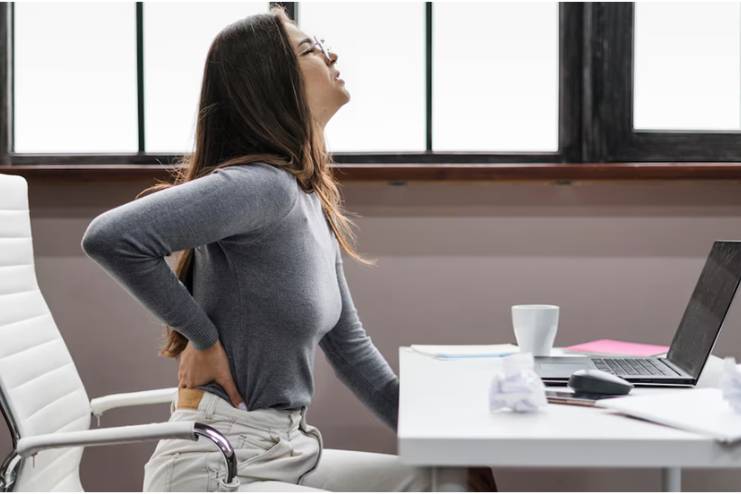
The Causes of Back Pain
Sedentary Lifestyle:
A sedentary lifestyle, especially sitting for extended periods with poor posture, significantly affects spine health. This impacts and weakens the supporting muscles, causes spinal misalignment, and puts undue pressure on the discs, eventually leading to chronic back pain.
Poor Ergonomics:
You must have heard the word ergonomics. This word is associated with office furniture and equipment. It refers to how equipment is designed and created to align comfortably with our body shape. Poor ergonomics in workspaces with limited movement also contribute to muscle imbalances and nerve compression.
Here’s How These Factors Impact Spine Health and Cause Chronic Back Pain
Spinal Compression:
When you sit for more extended periods, you might compress the spine, particularly in the lumbar region. This leads to disc degeneration and herniation, causing extreme back pain.
Poor Posture Habits:
We often slouch or hunch forward while sitting. This puts extra stress on the spine and contributes to spinal curvature issues.
Reduced Blood Flow:
Sitting for prolonged periods can restrict blood flow to the back muscles, affecting their proper functioning.
Tight Hip Flexors:
When you sit for longer periods, you shorten the hip flexor muscles. This pulls the pelvis forward and increases strain on the lower back.
Sitting for longer durations can be harmful. No wonder most people choose standing desks for work. Let’s examine these desks and their benefits in detail.
Also, read: 18 Remedial Benefits For Lower Back Pain
What is a Standing Desk?
A standing desk is a workspace that allows workers to work while standing up. These come with a height-adjustable feature, enabling users to easily switch between sitting and standing positions throughout their working hours. Standing desks promote correct posture and help activate the muscles needed to maintain that position.
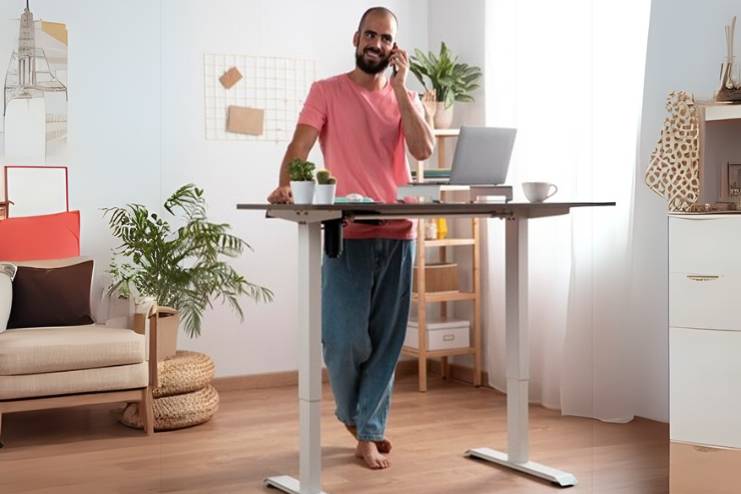
A study found that using a standing desk reduced upper back and neck pain by 54% in four weeks.
Key Points About Standing Desks
Mechanism:
Standing desks often use a mechanical or electric motor system, enabling users to lower and raise the work surface quickly. This feature helps users customize the desk according to their needs.
Variations:
- Adjustable (Sit-Stand): This is one of the most common types, offering an easy transition between sitting and standing positions.
- Fixed Standing Desk: Designed solely for standing, this desk is preferred by workers who stand all day.
- Hybrid Setup: A hybrid standing desk combines a traditional desk with a detachable platform, providing the flexibility of sitting and standing.
How Standing Desks Promote Better Posture and Core Engagement
Upright Posture:
Your body adopts a more upright alignment when you stand at a desk. This posture reduces strain on the spine and promotes proper neck, shoulders, and back alignment.
Core Activation:
Standing requires engaging core muscles, including the abdominals and lower back, which helps improve core strength throughout the day.
Reduced Sitting-Related Issues:
Minimizing sitting time by opting for standing desks reduces back pain, poor blood flow, and muscle stiffness.
The Benefits of Standing Desks for Back Health
Improved Posture:
Standing desks positively impact posture and spine alignment by reducing the tendency to slouch. This lessens strain on the lower back and promotes better spine health. However, maintaining proper standing posture is crucial.
Key Points About Standing Desks and Postures
- Reduced Slouching: Standing encourages an upright posture.
- Active Engagement: Core muscles actively engage while standing, enhancing spine alignment.
- Lower Back Pressure: Standing distributes weight evenly, reducing pressure on the lumbar spine.
- Neck Alignment: Standing minimizes hunching and promotes better neck alignment.
- Reduces Back Pain: A standing desk is an excellent choice for back pain issues.
Key Benefits of Using a Standing Desk for Back Pain:
- Improved Posture: Standing reduces pressure on back muscles and alleviates chronic pain.
- Increased Movement: Standing encourages frequent movement, reducing muscle stiffness and tension and contributing to back pain.
- Improved Productivity: Since you move more frequently, there are chances of higher productivity and overall growth.
Limitations and Misconceptions About Standing Desks
Some worry standing desks may cause long-term leg pain. If you experience discomfort, opt for a customizable sit-stand desk that suits your needs. Additionally, while standing desks can encourage movement, productivity improvements depend on multiple factors, not just desk usage.
Tips for Using Standing Desks Effectively
Proper Alignment of Desk and Screen:
Set up your desk ergonomically for maximum benefits:
- Align the desk with your elbows at a 90-degree angle to reduce shoulder and wrist strain.
- Keep the screen 20–28 inches away to avoid eye strain.
- Maintain the screen slightly above eye level for a neutral back posture.
Buy an Anti-Fatigue Mat:
An anti-fatigue mat supports your feet and reduces strain on your legs and back during prolonged standing.

Incorporate Stretches and Exercises:
Adding stretches and exercises to your standing routine improves blood flow, focus, and overall energy.
Alternative Back Pain Prevention Tips:
- Yoga: Yoga promotes muscle balance and reduces back pain through targeted postures.
- Pilates: Focuses on core strength, helping alleviate back pain.
- Ergonomics at Work: Aligning workstations with your body helps maintain proper posture and reduces back pain. Inorganic desk solutions have increasingly become popular since the pandemic.
Conclusion: It’s Time to Take a Stand
Standing desks effectively improve posture, reduce back pain, and encourage movement throughout the day. They promote better spine alignment and core engagement and work best when paired with correct ergonomics. While holistic practices like yoga, pilates, and stretches are essential, standing desks help you stay fit at work. Additionally, standing desks improve productivity, reduce fatigue, and enhance focus on work. This makes them a perfect choice for people who work for long durations. Standing desks are a best bet not just for your back health, but for your overall well-being. Now is the time to take a stand for your health.
In this Article