




















For years, I had a rounded upper back. I often overlooked it until it became too visible and disturbed my posture. That is when I started looking for easy and effective exercises that would help me correct the hunchback posture. Here is what I came across, read on!
Many of us suffer from a rounded upper back, also known as a hunchback posture or kyphosis. This is typically the result of hours of sitting, bending forward to see screens, or an underlying poor spinal alignment that develops over time. Mild postural hunching is reversible, but ignoring it can lead to neck pain, stiffness, shoulder tightness, and even weakened lung function.
However, we have some good news! With the proper exercises, you can retrain your muscles and realign your spine without a medical or surgical procedure. Below are seven physiotherapist-recommended moves that strengthen weak postural muscles, loosen tight ones, and help restore your natural upright posture.
What Causes a Hunchback Posture?

A hunchback posture, or rounded upper back, typically happens over the years as a combination of lifestyle habits and physical factors:
- Sitting or Screen Time: Spending hours slouching over desks, phones, or laptops can draw the shoulders and upper back forward.
- Weak Muscles in the Upper Back: Muscles such as the rhomboids and mid-trapezius work to keep your shoulders back and straight. When these muscles are weak, the spine rounds, leading to a hunchback.
- Tight Neck and Chest Muscles: Short pectorals and neck muscles draw the shoulders inward, promoting the hunched posture.
- Poor Ergonomics: Low screens, unsupported chairs, or slouched sitting positions lead to curving of the back over time. An incorrect posture in front of screens is another major issue leading to a rounded back.
- Aging and Bone Conditions: Natural aging, osteoporosis, or vertebral compression may lead to exaggerated curvature and difficulty in correcting posture.
- Medical & structural causes: Conditions such as Scheuermann’s disease (teen vertebrae changes), arthritis, congenital spine malformations, or spinal injuries can create a fixed, rigid hunchback.
Read More: 5 Best Bodyweight Exercises for a Stronger Back: No Equipment Needed
It’s essential to understand the difference between:
- Postural kyphosis, which results from muscle imbalance and habits, is typically reversible with exercises and posture training.
- Structural kyphosis, caused due to bone deformity or a medical condition, can often be treated by professionals.
1. Cat-Cow Stretch

The Cat-cow stretch is one of the most popular stretches among people who wish to correct their posture. This free-flowing yoga-based movement mobilizes the spine and increases flexibility in the thoracic spine, which is the upper and middle back. It also engages your core muscles and allows more spinal control and posture awareness.
Steps:
- Come onto fours, with wrists under shoulders and knees under hips.
- Breathe in deeply and arch back (cow pose), tilting chest and tailbone upwards and look slightly higher.
- Exhale as you round your spine (cat pose), bringing chin and tailbone in.
- Rock back and forth slowly between the two poses for 10–12 repetitions, synchronizing breath with movement.
2. Wall Angels

One of the easiest exercises I came across to treat a hunchback is wall angels. All you need is a wall, that’s all. Wall angels activate the upper back and shoulder stabilizers, especially the rhomboids and lower trapezius. These muscles are meant to work on the forward slump of kyphosis and promote shoulder mobility.
Steps:
- You must stand with your hips, back, and head against a wall, with your feet about 6 inches apart.
- Next, bend your elbows to 90 degrees and press them into the wall, like a goalpost.
- Slowly move your arms up as though making a snow angel, and then slowly return down.
- Keep your ribs flat and maintain a neutral spine throughout.
- Do 2–3 sets of 10 reps.
3. Chin Tucks
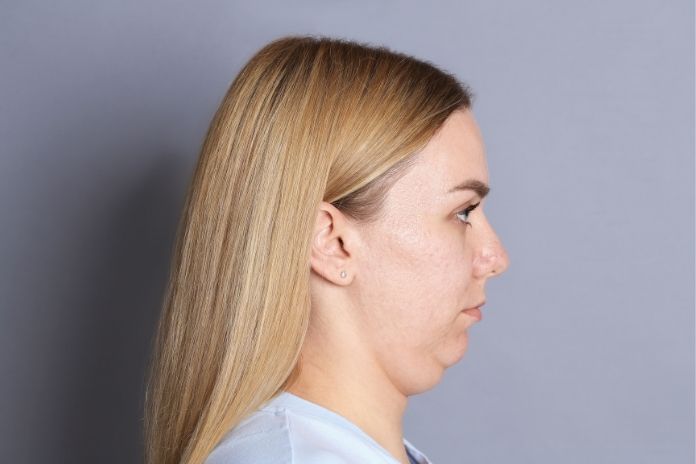
If you are like me, who prefers easy, quick, and effective stretches, chin tucks are for you. Chin tucks also make the deep neck flexors strong, which are usually weakened in people with forward head posture. This simple exercise readjusts your neck positioning and reduces tension on the upper spine.
Steps:
- Sit or stand up with your shoulders relaxed.
- Without tilting your head back, slowly tuck your chin in as if creating a “double chin.”
- Hold for 5 seconds, then release.
- Repeat 10–12 repetitions, repeated several times a day for maximum benefit.
4. Thoracic Extensions (using Foam Roller)

Thoracic extensions using a foam roller promote thoracic spine mobility, relaxing tension, and allowing for extension (opposite of a hunch). It’s great for individuals who are at work all day.
Steps:
- You may lie on your back with a foam roller horizontally under your upper back.
- Next, place your head lightly on your hands.
- Now lean back slowly over the roller, holding at the point where you feel tight.
- Roll back and forth slowly between mid and upper back for 30–60 seconds.
- Do not roll your lower back.
Read More: Does Foam Rolling Really Help Recovery? What The Science Says
5. Reverse Fly(with Light Weights or Resistance Band)
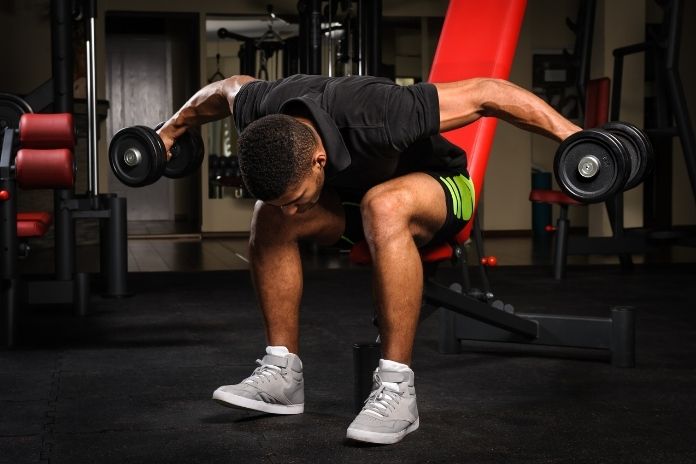
Reverse Fly is a strengthening exercise that targets the posterior chain. This means it works the muscles of your upper back, shoulders, and spine that help you stand upright. It engages rounded shoulders and builds postural strength.
Steps:
- You should stand with hip-width apart feet, knees slightly bent, holding light dumbbells or resistance bands.
- Now lean forward at the hips slightly, back flat.
- Next, you must raise your arms out to the sides, hands facing each other, up to shoulder level.
- Lower your back down slowly to the start position.
- Do 2–3 sets of 12 reps.
6. Doorway Chest Stretch

Another easy and no-equipment-needed exercise is the doorway chest stretch. This stretch opens up the contracted pectoral muscles that pull your shoulders forward, one of the biggest reasons for hunchback posture. When you open up the chest, it helps your upper back become more neutral.
Steps:
- You can stand in a doorway with arms bent to 90 degrees and forearms resting on the frame.
- Now, take one foot and push your chest slowly through the doorway until you feel a stretch in your shoulders and across your chest.
- You must hold this for 20–30 seconds, then let go.
- Repeat 2–3 times.
7. Plank With Shoulder Blade Retraction
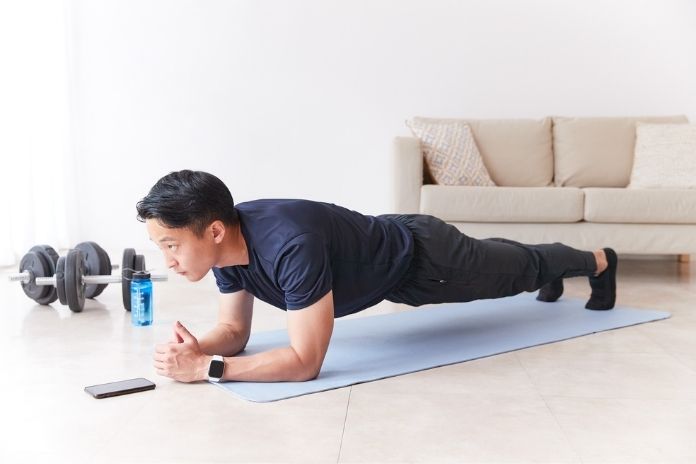
This exercise engages both your core muscles and stabilizes your upper back scapula. Building strength in these muscles prevents slouching, keeps your shoulders and spine in the correct alignment, and facilitates an upright posture. It also conditions your body to keep your spine in a neutral position, which is critical for reversing hunchback posture.
Steps:
- Get in a forearm plank position, with elbows underneath shoulders, core tight, and body in a straight line from head to heels.
- Without flexing elbows, contract shoulder blades together (retraction), then gradually widen them apart (protraction).
- Hold each retraction for 2–3 seconds.
- Do 10–12 reps, controlled movements.
Read More: Strength Exercises to Make Your Daily Walks More Powerful (and Protect Your Joints)
Additional Tips to Prevent Hunchback Posture Naturally
- Check your posture every hour. Try rolling your shoulders down and back, and keep your head over your spine.
- Set up an ergonomic workspace. Your screen should be at eye level, and your chair should provide lower back support. This really helps, as most of us spend maximum time in front of screens working.
- Strengthen your core. You can start by maintaining a stable core that helps keep the spine well-aligned.
- Avoid slouching for long periods. Taking regular standing breaks at 30–40 minute intervals helps.
Celebrity Pilates instructor Laura Wilson, CEO of Natural Pilates, told The Post about proper posture. Proper posture is more about flexibility than holding the body stiff or stationary: ‘It’s about regular resets, movement breaks and setting up your environment (chair, desk, screen height),’ she added, ‘so good posture is supported, not forced.”
See a doctor if your hunchback is painful, rapidly worsening, or associated with numbness, tingling, or weakness in the arms or legs. Seek urgent care if you notice difficulty walking, loss of bladder/bowel control, or trouble breathing, along with the rounded back. Also, get checked if you see clear height loss, recent injury, or suspect a spinal fracture (especially with osteoporosis risk).
Takeaway
Hunchback posture can develop gradually over the years, but the good news is that mild to moderate postural kyphosis can be improved with practice. The stretches and exercises mentioned here, from chin tucks through wall angels, thoracic extensions, and chest stretches, help. These strengthen weakened muscles, releasing tight areas and enhancing spinal mobility.
Remember, it’s a process to fix your posture. To make improvements, we need a few weeks that ensure long-term benefits. Include these exercises in your life, be patient, and celebrate small wins along the way.

References
- https://treatingscoliosis.com/blog/uncovering-the-causes-of-hunchback-in-adults/
- https://www.hosmerchiropractic.com/thoracic-foam-roller-the-remedy-for-a-stiff-upper-back-and-shoulders/
- https://timesofindia.indiatimes.com/life-style/health-fitness/fitness/get-rid-of-hunchback-try-these-5-simple-exercises-to-straighten-the-spine/articleshow/124455185.cms
- https://www.spine-health.com/wellness/exercise/easy-chin-tucks-neck-pain
- https://www.rehabhero.ca/exercise/doorway-chest-stretch
- https://multifit.in/blog/your-go-to-guide-for-reverse-fly-exercise-muscles-worked-and-more
- https://treatingscoliosis.com/blog/uncovering-the-causes-of-hunchback-in-adults/
- https://www.acibademhealthpoint.com/correcting-hunchback-from-bad-posture-tips/
In this Article