



















Many other conditions, including neurological disorders such as stroke or traumatic brain injury, can cause foot drop, which is the inability to raise the front part of the foot, causing stumbling, dragging of the toes, or lifting the knee higher than usual while walking.
Even though foot drop can be challenging, it is usually treatable. With a structured rehabilitation plan and supportive therapies, many people experience meaningful improvement over time.
Since progress is gradual, it becomes essential to understand which signs indicate true healing and what you can realistically expect throughout the recovery process.
Noticing these small signs of progress will help keep you motivated throughout your rehabilitation. In this article, we describe key signs of foot drop recovery and methods that can help speed the process.
Read More: Flat Feet vs. High Arches: How to Care for Your Foot Type
What Causes Foot Drop — and Why Healing Varies
Knowing the causes of foot drop is an important part of recovery, as it helps you identify the right treatment quickly. The following conditions can be represented as foot drop:
Damage to the Peroneal Nerve: The peroneal nerve, a branch of the sciatic nerve, provides movement and sensation in the lower leg, foot, and toes. Foot drop can occur after trauma, such as a fracture or surgical injury, when damage leads to loss of dorsiflexion.
Nerve or Muscle Problems: The same foot drop may also be caused by different types of muscular dystrophy (an inherited condition with gradual loss of muscle strength) and other nerve disorders, such as Charcot-Marie-Tooth or polio.
Extended Physical Activity: Consistent or prolonged squatting, kneeling, and leg crossing can compress the peroneal nerve, increasing the risk of foot drop.
Problem of the Brain and Spinal Cord: Foot drop may result from conditions affecting the brain or spinal cord, such as multiple sclerosis, amyotrophic lateral sclerosis (ALS), or a stroke.
Sophia P. Davis, D.O., an orthopaedic foot and ankle specialist at Orlando Orthopaedic Center, says, “Foot drop is a condition that develops because the muscles in your leg can’t raise your foot anymore”.
Key Signs That Foot Drop Is Healing/Improving
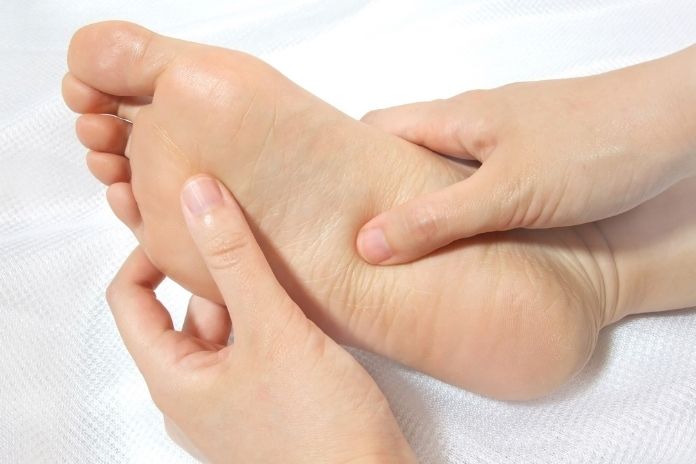
Monitoring your improvement in foot drop can keep you focused on reaching your rehabilitation goals and allow you to be motivated.
The following are a few indicators of foot drop recovery:
- More dorsiflexion
- Enhanced balance and gait (walking style)
- Improved ankle, foot, and calf coordination
- Less likely to fall or trip
- Greater autonomy in day-to-day tasks
Muscle twitching, especially in those with severe foot drop following a neurological injury, may be another sign of recovery. Muscle twitching may be the first indication of movement and recovery from this condition when the brain rewires itself through neuroplasticity.
Signs of foot drop recovery vary depending on the individual, the underlying cause of their particular disease, and their treatment approach. The road to recovery is rarely a straight line.
You can increase your chances of observing foot-drop recovery symptoms faster by following a suitable rehabilitation program and performing therapeutic exercises regularly.
What to Expect — Typical Timeline of Recovery (If Healing Is Possible)
The underlying cause, your lifestyle and habits, the treatments you receive, and other factors all affect how long it takes for your foot to heal.
For instance, within 6 weeks of surgery for degenerative lumbar disorders, patients’ foot drop improved.
However, in cases with foot drop involving peripheral compressive neuropathy, recovery took almost three months.
Find out from your doctor how long it will take to recover from foot drop, given your condition and the treatment you are receiving.
Additionally, please remember that although foot drop is a common recovery for many people, it can be a chronic or lifelong issue for others.
Read More: Barefoot Training – Should You Ditch Shoes for Better Performance?
Treatment of Foot Drop

The underlying cause of foot drop determines the treatment. Foot drop often improves or resolves when healthcare providers effectively address the cause. However, foot drop may become irreversible when healthcare providers cannot address the underlying cause. Foot drop treatment options could include:
Braces or Splints: You can keep your foot in a normal position by wearing an ankle brace or a splint that fits inside your shoe.
Physical Therapy: Exercises can help you maintain the range of motion in your knee and ankle while strengthening your leg muscles. These exercises may help with foot drop-related gait issues. Stretching exercises are especially crucial for preventing heel and calf stiffness.
Activation of the Nerves: Activating the nerve that raises the foot can occasionally improve foot drop.
Surgery: Nerve surgery may be beneficial, depending on the cause and the duration of your foot drop. To improve function, your healthcare provider may recommend surgery to transfer a working tendon to a different area of the foot if your foot drop has been there for a long time.
Some Other Warning Signs of Foot Drop
For an accurate diagnosis and course of therapy, notify your doctor of any foot-dragging, tripping, or abnormalities in your gait that have started or worsened.
Other red flags could be:
- Having trouble standing on your heels or toes. Your foot can fall to the ground.
- When you walk, your foot turns outward because the anterior tibialis muscle, which raises the foot, is weak.
- Instability during walking causes clumsiness and stumbling.
- Brief walks lead to weary legs and feet.
- Gradual atrophy of the foot and calf muscles due to inactivity.
- Decreased ankle reflexes.
- Attempting to raise the front of the foot while bowing inward at the ankle.
- The foot makes a slapping sound when it hits the ground while walking.
- Foot drop results in instability and a tendency to roll the ankle.
Read More: Top Barefoot Running Shoes for Injury-Free Training & Natural Movement
How Patients Can Track Their Progress — Practical Self-Assessment Checklist

If you are worried that you have developed foot drop, you can determine whether you have it by performing a series of home tests. Although these tests do not confirm a proper diagnosis of the foot drop, they help you decide whether to consult a doctor for additional guidance.
Test #1: Is standing on your heels: Try to stand on your heels with toes pointed up, using a countertop to hold for balance. Attempting to stand on both heels simultaneously is a good idea. Trying to walk on your heels is a version of this, if you can. You may have foot drop if you have trouble standing or walking on your heels or if you are unable to do so. It is because foot drop makes it harder to raise the front of the foot.
Test #2: Muscle weakness: Pull the toes upward toward your shin while seated in a chair with the affected leg extended in front of you. You can perform this exercise by placing your foot on a footstool or by resting your heel on the floor. If you struggle with this, you might have weak muscles, which could be a sign of foot drop.
Test #3: Stair Steps: Take slow, steady steps up and down a flight of stairs or steps while using a handrail for support. Once you’re comfortable doing this, pick up the pace so you can go up and down the step as fast as you can. Dragging your foot and catching your toes on a step may indicate foot drop.
Test #4: Jump Test: The jump test is the final exam. Good balance and safety awareness are necessary for this test. Do not perform this test if you have poor balance or are at a high risk of falling. Please don’t try to finish this test on your own. Work with a physician or therapist to finish the test.
To begin, try to jump off the ground, using a counter as support. It is essential to get off the ground. Therefore, if you are unable to do this, then it might be a clear indication of foot drop.
Conclusion
Recovery time from foot drop can vary widely. How long it takes depends on your overall health, the underlying cause, the quality of treatment you receive, and your commitment to rehabilitation.
It is often gradual rather than sudden, so be patient and persistent, setting realistic expectations so that you will both recognize and appreciate steady, gradual recovery rather than be discouraged by its slowness.
Recognizing early signs of healing, such as better toe clearance and increased strength, can help you stay motivated and remain consistent with your exercises and treatment plan.
References
- Cleveland Clinic. (2023, January 16). Foot Drop: What it is, causes, symptoms & treatment
- Mayo Clinic. (2025, January 15). Foot drop — Diagnosis & treatment
- Flint Rehab. (2022, November 9). Signs of healing foot drop: What to look for during the recovery process
- Health Design Collective. (Updated: May 23). Can foot drop be healed? – Recovery and healing in foot drop
- Cadense. How long does foot drop last?
- Health Design Collective. (May 23). How do you test yourself for foot drop?
In this Article