













Imagine stepping on the scale in just seven days and seeing a 10-pound difference. While this might sound too good to be true, rapid weight loss is possible with the right approach and realistic expectations.
Weight loss has become increasingly important for maintaining a healthy lifestyle. Carrying excess weight not only threatens your physical health but can also impact your mental well-being. Many people seek effective methods for rapid weight loss, exploring various approaches that promise quick results.
“Walking helps you lose weight by increasing your heart rate and burning calories. If you burn more calories than you consume, you will be in a calorie deficit, which will result in weight loss,” says Tami Smith, CPT, ACE-certified personal trainer.
However, successful weight loss requires both patience and complete dedication. While it’s possible to lose 10 pounds in a week, it demands significant effort and commitment from you.
In this guide, we’ll provide essential tips on how to lose 10 pounds in a week through effective strategies that can help you achieve your weight loss goals and lead a healthier lifestyle.
First, let’s discuss whether it’s actually possible to lose 10 pounds in a week.
Read More: Can You Lose Weight Without Cardio? Trainers Say Yes—Here’s How
Is It Possible to Lose 10 Pounds in a Week?
Yes, it is possible. However, you need to understand that this won’t be pure body fat loss. Considering the calorie deficit needed to burn a pound of fat (approximately 3,500 calories), losing 10 pounds of pure fat in 7 days would require an unrealistic deficit of 35,000 calories.
But you can certainly lose a significant amount of weight in a week and achieve a leaner appearance by following proper techniques. The weight loss will primarily consist of water weight, which occurs when dietary changes lower your body’s insulin levels, helping eliminate carbohydrates that bind with water.
Reduced insulin levels also help shed excess sodium from the kidneys, resulting in decreased water retention. You may also lose weight from reduced intestinal waste and undigested fiber in your digestive system. This combination helps boost overall weight loss through water weight reduction and some body fat loss.
Water weight loss is particularly significant because stored glycogen, which contains 300-500 grams of carbohydrates, can hold three times that amount in water.
Three Core Strategies to Lose 10 Pounds in 7 Days
To lose 10 pounds in just one week, you need a focused approach that targets your body from multiple angles.
The most effective strategies fall into three core areas: nutrition, exercise, and lifestyle habits. When combined, these methods can help you burn fat, shed excess water weight, and boost your overall metabolism — all in a short timeframe.
Let’s break down each one.
1. Diet & Nutrition – Eat Right for Rapid Results
Increase Lean Protein and Reduce Carbohydrates
Consuming a low-carb diet is highly effective for rapid weight loss. Multiple studies have proven that low-carb diets improve overall health while promoting weight loss. Low-carb diets also reduce bloating and water weight, which is why many people turn to this approach quickly.
Additionally, you should significantly increase your protein intake. Protein consumption helps reduce appetite and boosts metabolism.
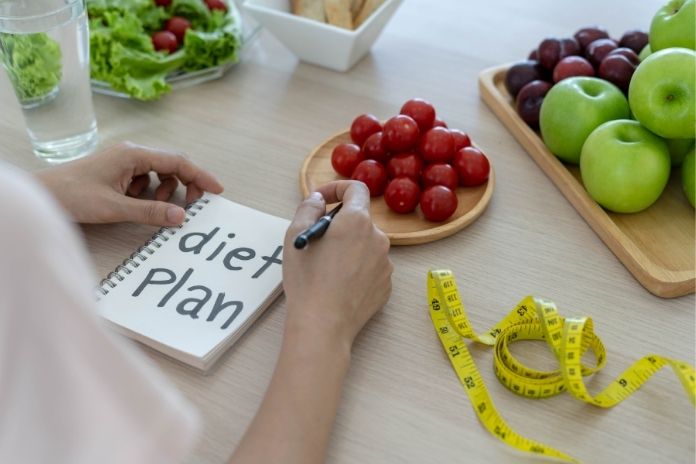
To implement this strategy, remove sugar and starchy carbohydrates from your diet for 7 days. Instead, focus on low-carb fresh vegetables and increase consumption of eggs, lean meats, and fish.
Avoid Processed Foods and Choose Whole Foods
Eating simple meals filled with whole foods is crucial when trying to lose weight. Beyond reducing food cravings, whole foods provide essential nutrients and help you feel satisfied.
Nutrition experts recommend avoiding processed foods during weight loss. Focus on consuming whole foods with single ingredients whenever possible.
The goal should be satisfying your hunger while providing necessary calories. As mentioned earlier, lean proteins combined with fresh vegetables are always recommended.
Read More: How Sprouts Help You Lose Weight (If You Eat Them This Way)
Reduce Calorie Intake (Track, Cut Snacks, and Eliminate Hidden Calories)
One of the fastest ways to lose weight is by creating a calorie deficit — consuming fewer calories than your body burns. But cutting calories doesn’t mean starving yourself; it means being strategic about what you eat and how much.
Start by tracking your calories using apps or food journals. Monitoring your intake gives you a clear picture of where hidden calories may be slipping in, helping you make smarter choices. Weigh yourself daily and adjust your intake based on progress, energy levels, and how you feel.
To reduce calories more effectively:
- Eliminate snacks between meals — stick to three structured meals per day: breakfast, lunch, and dinner. This prevents mindless eating and keeps your metabolism consistent.
- Cut high-calorie condiments and sauces, which can add hundreds of unnoticed calories. Replace them with low-calorie alternatives like lemon juice, herbs, or vinegar-based dressings.
Focus on Vegetables and Hydration
Vegetables and water play a crucial role in rapid weight loss, not just for their low calorie content, but for how they support digestion, reduce bloating, and keep your body functioning efficiently.
- Load Up on Non-Starchy Vegetables: Filling your meals with non-starchy vegetables like spinach, broccoli, cucumbers, and bell peppers helps you stay full on fewer calories. These veggies are rich in fiber, support digestion, and reduce cravings.
- Hydrate Aggressively: Staying hydrated is key. Drinking 8–10 glasses of water daily helps flush out excess sodium, reduce bloating, and boost metabolism. Avoid sugary drinks and limit caffeine — stick to water, herbal teas, or lemon water.
- Avoid Bloating Triggers: Minimize or eliminate beverages like soda, sugary juices, and even diet drinks that can cause bloating or increase cravings. Instead, stick to water, herbal teas, or diluted lemon water.
Try Intermittent Fasting
Intermittent fasting is considered an important strategy for fat loss. It helps control your overall calorie intake by limiting your eating window.
You can choose various fasting windows when trying intermittent fasting:
- 16-hour fast with an 8-hour eating window
- 20-hour fast with a 4-hour eating window
If you’re combining fasting with exercise for weight loss, schedule your workouts at different times than your fasting periods for optimal results.
Read More: How Carb Cycling Can Help You Lose Weight Without Cutting Carbs Completely
2. Exercise & Movement: Burn More with Smart Training

Exercise is highly effective for burning fat and improving your appearance. Activities such as weight lifting and aerobic training help maintain muscle mass and strength during weight loss.
Strength Training for Fat Burn & Muscle Maintenance
Resistance training workouts targeting your full body are particularly effective for reducing stored carbohydrates and water weight. This approach provides effective weight loss while protecting your metabolism and hormone levels, which often decrease during dieting.
High-Intensity Interval Training (HIIT) Protocols
Studies show that high-intensity interval training (HIIT) for 5-10 minutes can provide incredible weight loss benefits. Like strength training, HIIT helps reduce stored carbs and boosts weight loss while enhancing fat-burning hormones.
Regular HIIT sessions are necessary for weight loss benefits. Keep workout cycles under 30 seconds for optimal results. Here are effective HIIT training sessions you can try:
- Session 1: 20-second sprint repeated 10 times with 40-second breaks
- Session 2: 15-second sprint repeated 15 times with 30-second rest periods
- Session 3: 30-second sprint repeated 7 times with 60-second rest periods
- Session 4: 10-second sprint repeated 20 times with 20-second breaks
Daily Non-Exercise Activity (NEAT Strategies, Like Walking, Standing)
Increasing your daily activity outside the gym also contributes to weight loss. Staying active throughout the day, beyond your scheduled exercise hours, is crucial for losing weight and combating obesity.
Make smart lifestyle changes such as walking instead of driving, taking stairs instead of elevators, standing more often, and cleaning your own house. These activities burn significant calories throughout the day.
3. Lifestyle Adjustments & Water Retention: Optimize Your Body for Fast Weight Loss
Beyond diet and exercise, small lifestyle changes can accelerate your results. Managing water retention, improving daily habits, and using targeted supplements can help your body function at its best during rapid weight loss.
Reduce Water Retention
Excess water weight can make you feel bloated and heavier than you are. To minimize retention:
- Drink coffee in moderation — its mild diuretic effect can help flush excess water.
- Try natural supplements like dandelion extract, which may reduce water retention without harsh side effects.
- Avoid food intolerances like gluten or lactose if you’re sensitive. These can trigger bloating, inflammation, and fluid retention.
Sleep, Stress, and Staying Active
Your body burns fat more efficiently when it’s well-rested and stress is low.
- Aim for 7–9 hours of quality sleep per night to support hormone balance and recovery.
- Manage stress through light movement, meditation, or breathing exercises — high cortisol levels can promote fat storage and water retention.
- Stay physically active throughout the day. Simple actions like walking more, standing up often, or doing chores can significantly increase daily calorie burn.
Read More: The 5:2 Diet Explained: Can Fasting Two Days a Week Help You Lose Weight?
Supplementing (Use with Caution)
Certain supplements may support rapid weight loss, but they aren’t magic solutions. Use only if necessary and under guidance:
- Magnesium may reduce bloating and support digestion.
- Electrolyte supplements can help maintain balance when you’re cutting carbs and losing water weight.
- Fat-burners or detox teas are often overhyped — avoid unless recommended by a healthcare provider.
Always check with a professional before starting any new supplement, especially if you have health conditions or are taking medications.
Important Considerations
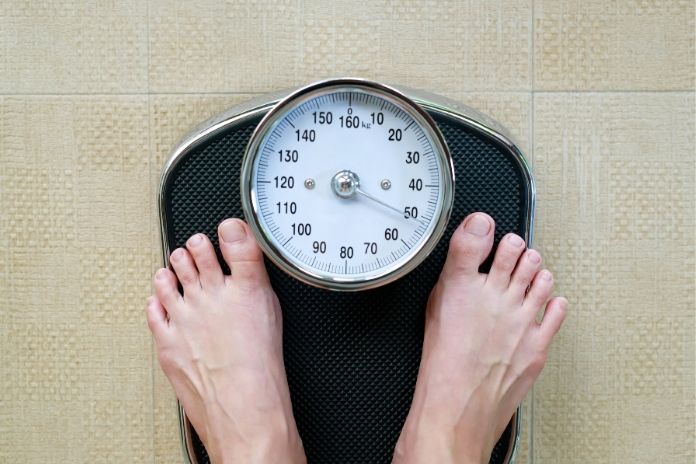
Losing 10 pounds in a week is possible — but it’s an aggressive, short-term approach and not meant for long-term weight management. Most of the initial weight lost will come from water, glycogen, and some fat. Once normal eating resumes, some weight regain is expected.
This plan is best used for specific short-term goals — like preparing for an event or kickstarting a healthier lifestyle. For lasting results, aim for a slower, more sustainable pace of 1–2 pounds per week through consistent habits.
Important Considerations:
- Consult a doctor before starting any rapid weight loss program, especially if you have underlying conditions like diabetes, heart issues, or metabolic disorders.
- Don’t push through symptoms like dizziness, fatigue, or extreme weakness. These could signal that your body isn’t getting enough nutrients or hydration.
- Avoid extreme calorie restriction or excessive exercise. More isn’t always better — balance is key to safety and effectiveness.
Quick results can be motivating, but real transformation comes from creating habits you can maintain. Use this week as a starting point, not the finish line.
Ready to Transform Your Body?
Don’t wait another day to start your weight loss journey. The strategies outlined above have helped thousands of people achieve rapid results when followed consistently. Remember, the key to success lies in your commitment and dedication to the process.
Take action today: Follow the strategies from this guide and implement them starting tomorrow. Track your progress daily, stay hydrated, and celebrate small victories along the way. Your healthier, more confident self is just one week away.
Read More: 18 Easy Ways To Lose Weight Without Exercise That Will Leave You Shocked
Frequently Asked Questions
Q: Is losing 10 pounds in a week safe?
A: While possible, losing 10 pounds in a week is considered rapid weight loss. Most of the weight lost will be water weight and some body fat. It’s generally safe for healthy individuals for short periods, but you should consult with a healthcare provider before starting, especially if you have any medical conditions.
Q: Will I gain the weight back quickly?
A: Some weight regain is likely, particularly the water weight portion. To maintain results, gradually transition to a sustainable eating plan with a moderate calorie deficit (1-2 pounds per week loss) rather than returning to previous eating habits.
Q: Can I exercise every day during this week?
A: While daily activity is beneficial, intense workouts every day may lead to burnout or injury. Alternate between high-intensity days and lighter activities like walking or gentle yoga. Listen to your body and rest when needed.
Q: What should I do if I feel weak or dizzy?
A: Weakness or dizziness can indicate that your calorie restriction is too severe or you’re dehydrated. Increase your water intake, ensure you’re eating enough protein and vegetables, and consider reducing the intensity of your approach. If symptoms persist, consult a healthcare provider.
Q: Are there any foods I absolutely must avoid?
A: Focus on eliminating refined sugars, processed foods, excessive sodium, and high-calorie beverages. Foods you’re intolerant to (like gluten or lactose) should also be avoided, as they can cause bloating and water retention.
Q: How much water should I drink during this week?
A: Aim for at least 8-10 glasses (64-80 ounces) of water daily, more if you’re exercising intensely. Proper hydration supports metabolism and helps reduce water retention.
Q: Can I follow this plan if I have diabetes or other health conditions?
A: No, individuals with diabetes, heart conditions, eating disorders, or other medical conditions should not follow rapid weight loss plans without medical supervision. The dramatic changes in diet and exercise can affect blood sugar levels and medication effectiveness.
Q: What’s the difference between losing water weight and fat?
A: Water weight comes from glycogen stores, reduced sodium intake, and lower carbohydrate consumption. It’s lost quickly but returns easily. Fat loss requires a sustained calorie deficit and results in permanent changes to body composition when maintained properly.
References
- https://www.mayoclinic.org/healthy-lifestyle/weight-loss/in-depth/calories/art-20048065
- https://www.ncbi.nlm.nih.gov/pmc/articles/PMC2716748/
- https://www.ncbi.nlm.nih.gov/pmc/articles/PMC4258944/
- https://www.ncbi.nlm.nih.gov/pmc/articles/PMC6117047/
- https://www.health.harvard.edu/staying-healthy/why-you-should-add-strength-training-to-your-workout
- https://www.ncbi.nlm.nih.gov/pmc/articles/PMC5566446/
- https://www.ncbi.nlm.nih.gov/pmc/articles/PMC4803635/
- https://www.ncbi.nlm.nih.gov/pmc/articles/PMC7021351/
- https://www.cdc.gov/healthyweight/losing_weight/index.html
- https://www.eatingwell.com/article/7939536/how-to-walk-off-10-pounds-according-to-a-dietitian/
- https://www.linkedin.com/in/tami-smith-fit-healthy-momma/
In this Article