









Advances in cancer treatment have helped many people live longer after a cancer diagnosis. As survivorship grows, healthcare providers are paying more attention to long-term health concerns, including heart health. Some cancer treatments can affect the heart and blood vessels during treatment or years later.
While not every survivor will experience cardiovascular problems, understanding potential risks can help patients and healthcare providers take steps to monitor and protect heart health. This focus has led to the growth of cardio-oncology, a specialized field dedicated to preventing, detecting, and managing heart-related issues associated with cancer treatment.
- Some cancer treatments can affect the heart and blood vessels, but the risk varies based on the therapy, dose, and individual health factors.
- Cardio-oncology helps prevent, monitor, and manage heart-related complications during and after cancer treatment through coordinated care.
- Cancer survivors should watch for symptoms such as shortness of breath, chest discomfort, swelling, or palpitations and follow personalized heart health recommendations.
Read More: Why the Immune System Sometimes Fails to Stop Cancer — Explained
What Is Cardio-Oncology?
Defining the Field of Cardio-Oncology
Cardio-oncology is a medical specialty that focuses on the connection between cancer treatment and cardiovascular health. Its goal is to identify patients at risk for heart-related complications, monitor heart function during treatment, and manage any cardiovascular conditions that develop.
As cancer survival rates improve, cardio-oncology has become an important part of comprehensive cancer care. The aim is not only to treat cancer effectively but also to protect long-term heart health.
Why Heart Health is an Important Part of Cancer Care
The heart and blood vessels are essential for overall health. Some cancer therapies can affect these systems, increasing the risk of cardiovascular disease in certain patients. Protecting heart health is important because cardiovascular complications can affect quality of life, physical activity, and sometimes cancer treatment plans.
How Cardiologists and Oncologists Work Together
Oncologists focus on cancer treatment, while cardiologists specialize in heart health. Together, they evaluate cardiovascular risks, review treatment plans, and monitor heart function throughout the cancer journey. This collaborative approach helps patients receive effective cancer treatment while reducing cardiovascular risks whenever possible.
How Can Cancer Treatments Affect the Heart?
Chemotherapy and Potential Cardiovascular Effects
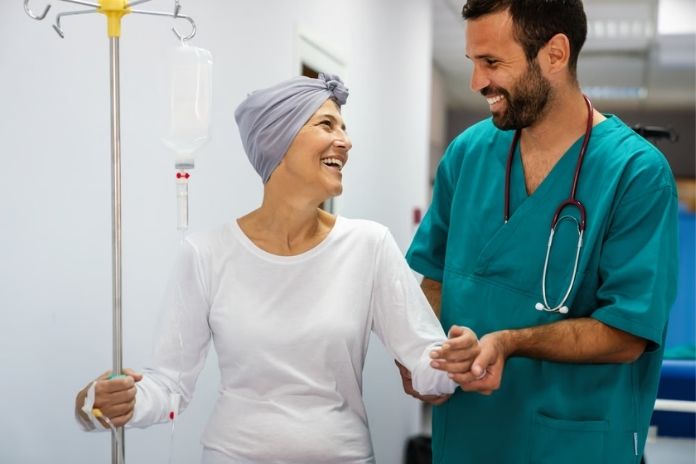
Certain chemotherapy drugs can affect the heart muscle and reduce its ability to pump blood effectively. In some cases, this may lead to reduced heart function or heart failure. Risk varies depending on the medication, total dose, treatment duration, and the patient’s overall health. Many people complete chemotherapy without significant heart problems.
Radiation Therapy and Heart Health
Radiation therapy directed near the chest can sometimes affect the heart, coronary arteries, heart valves, or surrounding tissues. These effects may not appear until years after treatment. Modern radiation techniques have significantly reduced exposure to healthy tissues, lowering cardiovascular risks for many patients.
Targeted Therapies and Cardiovascular Considerations
Targeted therapies attack specific pathways involved in cancer growth. Some may increase blood pressure, affect heart function, or contribute to other cardiovascular concerns. Healthcare providers often monitor blood pressure and heart function during treatment when appropriate.
Immunotherapy and Emerging Cardiac Concerns
Immunotherapy helps the immune system fight cancer. In rare cases, it may cause inflammation of the heart muscle or surrounding tissues. Researchers continue to study the cardiovascular effects of newer cancer treatments to better understand and manage potential risks. It is important to remember that not all cancer treatments affect the heart
Risks depend on the specific therapy, dosage, and individual health factors.
Read More: How Does a PET Scan Detect Cancer? The Science Behind the Bright Spots
What Heart Conditions Can Occur During or After Cancer Treatment?

Heart Failure and Reduced Heart Function
Heart failure occurs when the heart cannot pump blood effectively. Some cancer therapies can weaken the heart muscle, leading to symptoms such as fatigue, shortness of breath, and swelling.
High Blood Pressure
Certain cancer treatments can raise blood pressure. If left untreated, high blood pressure can increase the risk of heart disease, stroke, and kidney problems.
Heart Rhythm Abnormalities
Heart rhythm abnormalities, also called arrhythmias, may occur during or after treatment. Symptoms can include palpitations, dizziness, or a sensation that the heart is racing or beating irregularly.
Coronary Artery Disease
Coronary artery disease develops when plaque builds up inside the arteries that supply blood to the heart. Some cancer treatments may contribute to this risk over time.
Valve Disease and Other Cardiovascular Complications
Some survivors may develop changes involving heart valves, blood vessels, or the lining around the heart. These complications vary depending on treatment history and individual risk factors.
Who Is at Higher Risk for Heart Problems After Cancer Treatment?
Pre-Existing Cardiovascular Disease
People who already have heart disease may face a higher risk of treatment-related cardiovascular complications.
High Blood Pressure, Diabetes, and Other Risk Factors
Traditional cardiovascular risk factors such as high blood pressure, diabetes, high cholesterol, obesity, and smoking can increase the likelihood of heart problems during and after cancer treatment.
Older Age and Treatment-Related Considerations
Older adults often have a greater baseline risk of cardiovascular disease and may be more susceptible to treatment-related effects.
Cumulative Exposure to Certain Therapies
For some treatments, cardiovascular risk increases with greater cumulative exposure or higher total doses.
Childhood and Adolescent Cancer Survivors
People treated for cancer during childhood or adolescence may face unique long-term cardiovascular risks that can emerge years later.
What Symptoms Should Cancer Survivors Watch For?

Shortness of Breath: Shortness of breath during routine activities or while resting may indicate a cardiovascular problem.
Fatigue: Severe or worsening fatigue may sometimes signal reduced heart function or another cardiovascular issue.
Swelling in the Legs or Ankles: Fluid buildup causing swelling in the feet, ankles, or legs can be a sign of heart-related problems.
Chest Discomfort: Chest pain, pressure, tightness, or discomfort should always be taken seriously and evaluated promptly.
Palpitations or Irregular Heartbeat: A sensation of fluttering, pounding, racing, or skipped heartbeats may indicate an arrhythmia.
When Symptoms Warrant Prompt Medical Evaluation: Cancer survivors should seek medical attention for new or worsening cardiovascular symptoms. Severe chest pain, sudden shortness of breath, or fainting requires immediate medical care.
How Is Heart Health Monitored During and After Cancer Treatment?
Cardiovascular Risk Assessment
Monitoring often begins before treatment starts. Healthcare providers review medical history, cardiovascular risk factors, and planned therapies to determine an individual’s level of risk.
Imaging Tests that May be Used
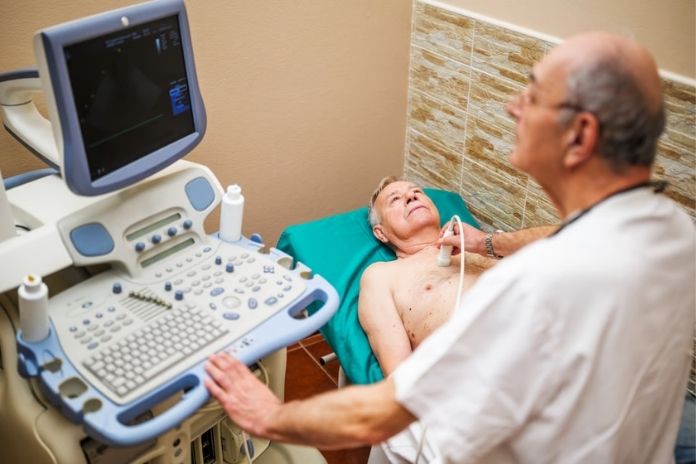
Echocardiogram: An echocardiogram uses ultrasound technology to create images of the heart and assess its pumping and valve function, as well as overall heart structure.
Cardiac MRI: Provides detailed images of the heart and may be used when additional information is needed.
Blood Tests and Cardiac Biomarkers
Certain blood tests can detect signs of heart stress or injury before symptoms appear and may help guide treatment decisions.
Long-Term Follow-Up Recommendations
Monitoring schedules vary based on treatment history, cardiovascular risk factors, age, and overall health. Some survivors may require periodic evaluations for years after treatment ends.
What Can Cancer Survivors Do to Support Heart Health?
Managing Blood Pressure, Cholesterol, and Diabetes
Keeping blood pressure, cholesterol, and blood sugar levels under control can help reduce cardiovascular risk.
Staying Physically Active When Medically Appropriate
Regular physical activity can improve cardiovascular fitness, reduce fatigue, and support overall well-being. Exercise plans should be tailored to individual needs and approved by a healthcare provider.
Following a Heart-Healthy Eating Pattern
A diet rich in fruits, vegetables, whole grains, lean proteins, and healthy fats may support cardiovascular health and overall wellness.
Avoiding Tobacco and Limiting Alcohol
Avoiding tobacco products and limiting alcohol intake can help reduce cardiovascular risk and support long-term health.
Keeping Up with Recommended Medical Appointments
Regular follow-up visits allow healthcare providers to monitor health, manage risk factors, and address concerns early. Lifestyle measures can support heart health, but they do not guarantee the prevention of cardiovascular disease. Survivors should continue following personalized medical advice.
How Cardio-Oncology Supports Cancer Survivorship
Preventing Treatment Interruptions
Cardio-oncology specialists help identify and manage cardiovascular concerns that could interfere with cancer treatment.
Detecting Heart Problems Early
Routine monitoring can reveal changes in heart function before symptoms develop, allowing earlier intervention.
Improving Long-Term Quality of Life
Maintaining cardiovascular health can help survivors remain active, independent, and engaged in daily activities.
Personalized Care Plans for Survivors
Every survivor has unique health needs. Cardio-oncology programs develop individualized care plans based on treatment history, risk factors, symptoms, and long-term goals.
When Should a Cancer Survivor See a Cardio-Oncology Specialist?
New Cardiovascular Symptoms: Symptoms such as chest discomfort, shortness of breath, swelling, dizziness, or palpitations should be discussed with a healthcare provider.
High-Risk Treatment History: Patients who have received therapies associated with cardiotoxicity may benefit from consultation with a cardio-oncology specialist.
Existing Heart Disease Before Cancer Treatment: Individuals with pre-existing cardiovascular disease often benefit from specialized monitoring before, during, and after cancer treatment.
Questions about Long-Term Cardiovascular Monitoring: Survivors who are uncertain about their cardiovascular risk or follow-up needs should ask whether referral to a cardio-oncology clinic would be helpful.
Read More: Can a Routine Blood Test Detect Cancer Early? What the Science Now Shows
Key Takeaways About Heart Health for Cancer Survivors
Cardio-oncology focuses on preventing, monitoring, and managing cardiovascular issues related to cancer treatment. Some cancer therapies can affect heart health, but risks vary widely depending on the treatment type, dosage, and individual health factors.
Although some cancer treatments can affect the heart, many survivors never develop serious cardiovascular complications. Advances in both oncology and cardiology continue to improve the ability to identify risks, monitor heart function, and provide timely treatment when needed.
By staying informed, attending recommended follow-up appointments, and maintaining healthy lifestyle habits, cancer survivors can take meaningful steps toward protecting their cardiovascular health and supporting a healthy future.
FAQs About Cardio-Oncology
Q. Can chemotherapy damage the heart?
Yes, some chemotherapy drugs can affect heart function. However, risks vary widely, and many patients complete treatment without significant cardiovascular complications.
Q. Does every cancer survivor need cardiac monitoring?
No. Monitoring recommendations depend on treatment history, cardiovascular risk factors, symptoms, and overall health.
Q. What is cardiotoxicity?
Cardiotoxicity refers to damage or adverse effects on the heart caused by certain cancer treatments.
Q. Can heart problems develop years after cancer treatment?
Yes. Some cardiovascular complications may not appear until many years after treatment has ended.
Q. What is a cardio-oncology clinic?
A cardio-oncology clinic is a specialized healthcare setting where cardiologists and oncology professionals work together to manage cardiovascular health in people with cancer and cancer survivors.
References
- Misiąg, W., Piszczyk, A., Szymańska-Chabowska, A., & Chabowski, M. (2022). Physical activity and cancer care—A review. Cancers, 14(17), 4154.
- Sharma, R., Kashyap, J., Olanrewaju, O. A., Jabbar, A., Someshwar, F., Saeed, H., Varrassi, G., Qadeer, H. A., Kumar, S., Cheema, A. Y., Khatri, M., Wazir, M., & Ullah, F. (2023). Cardio-oncology: Managing cardiovascular complications of cancer therapies. Cureus, 15(12), e51038.
- American Cancer Society. (n.d.). Protect your heart during cancer treatment. American Cancer Society.
- Sharma, R., Kashyap, J., Olanrewaju, O. A., Jabbar, A., Someshwar, F., Saeed, H., Varrassi, G., Qadeer, H. A., Kumar, S., Cheema, A. Y., Khatri, M., Wazir, M., & Ullah, F. (2023). Cardio-oncology: Managing cardiovascular complications of cancer therapies. Cureus, 15(12), e51038.
- Cardiac toxicity and intervention strategies during thoracic cancer radiotherapy. (2025). Frontiers in Oncology. Advance online publication.
- Overview of oncology: Drug-induced cardiac toxicity. (2025). [Journal information not fully available from retrieved record].
In this Article