








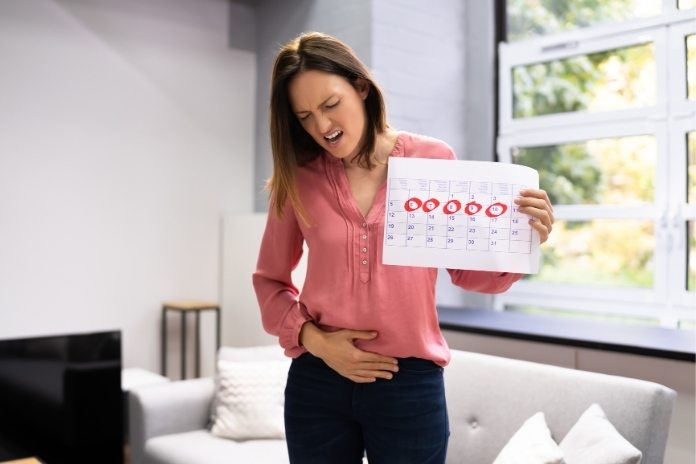
One of the most prevalent symptoms of polycystic ovary syndrome is irregular periods, and many people initially seek medical attention due to irregular or absent cycles. Menstrual patterns can be disturbed by hormonal and metabolic abnormalities that interfere with proper ovulation in PCOS and irregular periods.
The PCOS menstrual cycle is impacted by these alterations, which frequently include androgen hormones, insulin resistance, and altered ovarian function. In this article, we will explore why PCOS causes irregular periods, the underlying biology, common PCOS symptoms, how PCOS diagnosis is made, and the most effective treatment for PCOS.
- Hormonal imbalances and insulin resistance disrupt ovulation, leading to unpredictable or absent periods.
- PCOS also drives metabolic risks, stubborn acne, weight gain, and fertility challenges.
- A tailored combination of anti-inflammatory lifestyle changes and targeted medical treatments can successfully restore balance.
Read More: Endometrial Cancer vs PCOS: Overlapping Signs and How to Tell Them Apart
What Is PCOS?
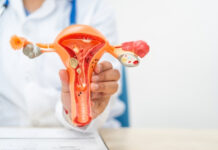
A woman’s reproductive hormones are impacted by polycystic ovarian syndrome (PCOS). This hormonal imbalance results in irregular menstrual cycles, or periods, and may make getting pregnant challenging. PCOS affects 10% of women, yet many are unaware of their illness until they seek therapy for infertility.
PCOS is a chronic illness that often starts at or shortly after puberty. Diabetes, heart disease, obstructive sleep apnea, and uterine cancer are among the conditions that women with PCOS are more likely to experience.
In addition to having one or more of these symptoms, women with PCOS may experience irregular, lengthy, or nonexistent periods:
- Acne
- Growth of hair on the face and other body regions
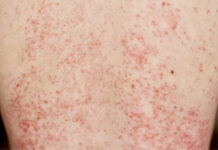
- Acanthosis nigricans, or thick, velvety, dark skin patches, is frequently found on the neck or groin
- Difficulty becoming pregnant (fertility issues)
- Gaining weight, usually around the waist
Why Does PCOS Cause Irregular Periods?
Unusual menstrual cycles are one of the main signs of PCOS. Why? Ovulation, which occurs when one of your ovaries produces a mature egg for fertilization, is impacted by PCOS. You could become pregnant if it is fertilized. You receive your menstrual period if it doesn’t.
PCOS can affect your body’s capacity to produce or release mature eggs. Your periods become irregular or nonexistent if you don’t ovulate at all. The time that follows ovulation might also be erratic. Depending on hormonal imbalances affecting your uterine lining, bleeding can be either mild and transient or severe and protracted.
Periods that seem to come and go without any pattern are normal if you have PCOS. Up to 80% of women with PCOS have infertility as a result, making it difficult to monitor ovulation or make plans for conception.
What Other Symptoms Can Occur Along With Irregular Periods?
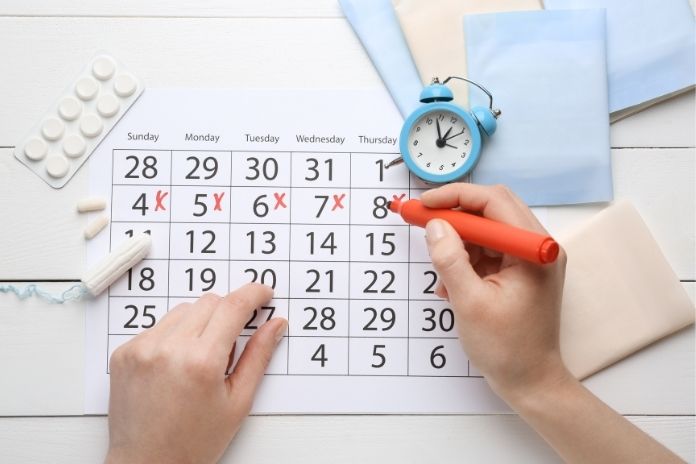
One of the main signs of PCOS is irregular bleeding. Your periods may be longer or shorter than usual, and they may be heavier than usual. Some women experience periods that are spaced quite closely together for several months after going for several weeks without bleeding.
However, irregular bleeding is not the only sign of PCOS.
Other indicators include:
- Abnormal growth of facial or body hair
- Skin tags
- Darkened skin in the groin or underarms
- Acne
- Hair that is thinning
- Infertility
The numerous small cysts that can form on the ovaries give this illness its name. But it’s crucial to remember that not all PCOS patients will get cysts.
Read More: PCOS is More Than a Period Problem: A Metabolic Disease That Affects Your Whole Body
How Is PCOS Diagnosed?
See your physician if you experience PCOS symptoms. Long-term health issues can be avoided, and symptoms can be lessened with early diagnosis and support from a team of medical professionals. Your doctor will inquire about your medical history and symptoms when you see them. To find out more, they might also request an ultrasound and blood testing.
An ultrasound may occasionally reveal polycystic ovaries, although an ultrasound is not necessary to prove PCOS. If you experience two or more of the following symptoms, you may be diagnosed with PCOS:
- Irregular or nonexistent periods
- Acne, excessive body or face hair, hair loss on the scalp, or elevated blood androgen levels
- An ultrasound reveals polycystic ovaries, which are ovaries with more than 20 little, undeveloped eggs
An ultrasound can be replaced with a blood test for anti-müllerian hormone (AMH) levels.
How are PCOS-related irregular periods treated?
The good news is that a combination of medication therapies and lifestyle modifications can effectively manage PCOS and irregular periods.
Changes in Lifestyle
The first line of treatment for many women is lifestyle changes:
Healthy Diet: Insulin levels can be controlled with a well-balanced diet full of natural foods.
Frequent Exercise: Exercise helps control weight and enhances insulin sensitivity.
Weight Loss (If Necessary): Restoring ovulation and improving hormone balance can be achieved with as little as a 5–10% weight loss.
Medications
Your doctor may suggest the following based on your objectives and symptoms:
Birth Control Pills: To control cycles, lower androgen levels, and safeguard the uterine lining, birth control pills are frequently administered.
Metformin: This drug helps restore more regular ovulation and increases insulin sensitivity.
Ovulation Induction Drugs: Letrozole and clomiphene are two drugs that can induce ovulation in women who are attempting to conceive.
Anti-Androgen Drugs: These can help control acne and excessive hair growth.
Long-Term Care and Monitoring:
Long-term monitoring is very crucial because PCOS is a chronic illness. Frequent examinations enable providers to:
- Monitor your hormone levels
- Keep an eye on your metabolic wellness
- Modify treatment regimens as necessary
Controlling symptoms is only one aspect of managing PCOS; another is safeguarding long-term health.
Why Is It Important to Manage Irregular Periods in PCOS?
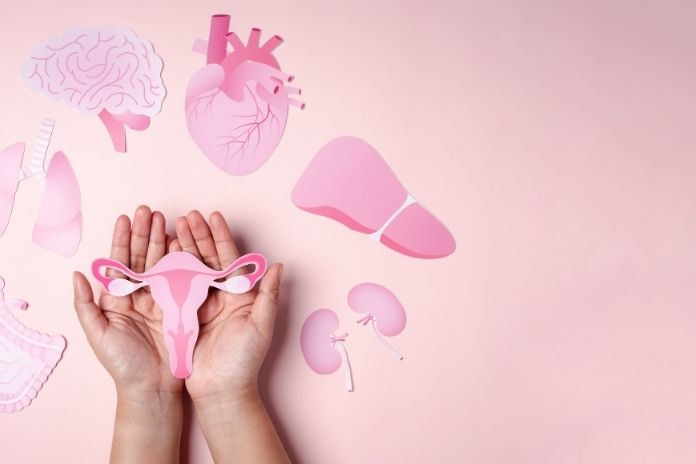
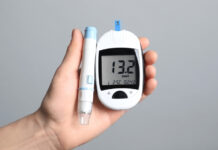
Endometrial health may be affected by irregular shedding of the uterine lining, which increases the risk of endometrial hyperplasia. PCOS can deteriorate metabolic health if left untreated, raising the risk of diabetes and heart disease. Regular monitoring ensures that treatment for PCOS remains effective and adjusted as needed.
Read More: Hormones, PCOS, and Hidradenitis Suppurativa: The Hidden Female Risk Factor No One Discusses
Can PCOS Be Managed Naturally?
It can be difficult to understand Polycystic Ovary Syndrome (PCOS), and daily symptom management frequently feels like a full-time job. The reality is that managing PCOS doesn’t have to include extremely rigid diets, a never-ending supply of supplements, or managing it alone.
There is no one-size-fits-all treatment for PCOS, and drugs don’t often deal with the underlying issues. Because of this, lifestyle modifications are crucial to long-term PCOS management, particularly if you’re concentrating on natural PCOS management.
Step 1: Determine the Cause of Your Inflammation: Although hormone imbalances can trigger it, food sensitivities, long-term stress, toxic burden, sleeplessness, and persistent illnesses can also contribute to inflammation.
Step 2: Adopt an Anti-inflammatory Diet: Inflammation is exacerbated by processed foods and foods high in sugar or high-fructose corn syrup. Inflammation is reduced by eating a whole-food, mostly plant-based diet. Make your protein a side dish rather than an entrée and cover half of your plate with vegetables.
Step 3: Stabilize Blood Sugar By Eating Balanced Meals & Snacks: Eating carbs such as tortilla chips or a piece of fruit without a tiny bit of healthy fat or protein might contribute to a surge in your blood sugar. Pairing tortilla chips with guacamole or an apple with a few almonds helps to reduce the rise in blood sugar by slowing down the rate at which the carbs are processed.
Step 4: Increase Level of Physical Activity, But Avoid Overexercising: Increased physical activity is a very powerful tool not only to address PCOS but also to address many of the chronic ailments individuals suffer from today.
Step 5: Reach a Healthy Weight: Weight loss is a golden bullet for minimizing many of the negative consequences linked with PCOS. Overweight or obese women make up about 50-60% of those with PCOS. In addition to increasing insulin sensitivity, a 5% weight loss also increases fertility and decreases testosterone levels.
When Should You See a Healthcare Professional for Irregular Periods?

Indications that call for a medical assessment:
- Missing several periods
- Very severe bleeding
- Bleeding in between periods
- Severe pain in the pelvis
- Having trouble becoming pregnant
Early PCOS diagnosis allows timely intervention, improving outcomes in reproductive health, fertility, and PCOS.
Read More: PCOS Belly Fat: Why It Happens and How to Reduce It Naturally
Conclusion
It is crucial to comprehend the connection between PCOS and irregular periods to manage both immediate symptoms and long-term health. Unpredictable cycles can result from hormonal abnormalities, especially those involving insulin and androgens, which might interfere with ovulation.
However, many people can effectively manage symptoms and improve their menstrual health with the correct strategy, which includes lifestyle modifications, medicinal treatments, and routine monitoring.
To avoid issues with fertility, metabolic health, and endometrial health, early diagnosis is crucial. It is crucial to keep in mind that each PCOS case is distinct, and treatment should be tailored to each patient’s needs and objectives.
FAQs About PCOS and Irregular Periods
1. Can you have PCOS with regular periods?
Indeed, although other PCOS symptoms may still be present, some people may have PCOS without noticeable menstrual irregularity.
2. How many missed periods are considered abnormal?
Missing more than three cycles annually is typically seen as abnormal and may be a sign of PCOS or other causes of irregular periods.
3. Can PCOS cause heavy periods as well as missed periods?
Indeed, large and infrequent bleeding episodes might result from irregular ovulation.
4. Can PCOS-related irregular periods affect fertility?
Indeed, because of irregular ovulation, PCOS and fertility are intimately related.
5. Is PCOS a lifelong condition?
PCOS is typically long-term, but symptoms, including PCOS menstrual cycle irregularities, can be effectively managed.
References
- University of California San Diego Health. Polycystic ovary syndrome (PCOS) care.
- University of Utah Health. Polycystic ovary syndrome (PCOS).
- Apple Women’s Health Study. (2023, August). Connecting the dots between irregular periods, polycystic ovary syndrome, and endometrial cancer risk.
- Texas Fertility Center. How is PCOS diagnosed?
- NYU Langone Health. Diagnosing polycystic ovary syndrome.
- Fertifa Clinical Team. A guide to PCOS: How is polycystic ovary syndrome diagnosed.
- Better Health Channel. (2024, August 5). Polycystic ovarian syndrome (PCOS).
- Women’s Health. (February 2026). The Link Between PCOS and Irregular Periods.
- Amy Bieber, MS, MPH. (April 2, 2026). Polycystic Ovary Syndrome: Symptoms, Diagnosis and Treatment.
- Williams, S. (2022, July 2). Manage your PCOS naturally.
In this Article