













Most people trying to manage their blood sugar have been told the same thing: cut the carbs. But not all carbohydrates behave the same way in the body, and one type, resistant starch, breaks nearly every rule you’ve been taught about starchy foods. It doesn’t spike blood sugar the way white bread does. It doesn’t get digested in the small intestine. It feeds your gut bacteria instead of feeding your bloodstream glucose.
Resistant starch is a category of carbohydrate that resists digestion in the small intestine and passes largely intact into the colon, where gut bacteria ferment it. The result is a series of downstream metabolic effects, including a lower glycemic response, increased satiety, and the production of compounds that benefit colon health.
Research into resistant starch benefits has grown substantially over the past decade, and while it’s not a treatment for any condition, it’s an unusually well-studied dietary component with a real mechanistic rationale behind the benefits attributed to it. This article explains how resistant starch works, what foods contain it, how cooking affects its levels, and what current evidence actually supports.
- Resistant starch is a type of carbohydrate that bypasses digestion in the small intestine and is instead fermented by beneficial gut bacteria.
- Research suggests it may help reduce post-meal blood sugar spikes, improve insulin sensitivity, increase satiety, and support gut health through the production of short-chain fatty acids.
- Good food sources include legumes, green bananas, oats, and cooked-and-cooled potatoes, rice, and pasta, which develop more resistant starch through cooling.
- While promising, resistant starch is not a treatment for diabetes or metabolic disorders and works best as part of an overall healthy dietary pattern.
- Increasing intake gradually can help minimize temporary side effects such as gas and bloating.
What Is Resistant Starch?
Resistant starch is a unique type of starch that is defined by how it behaves in the digestive system rather than where it comes from. Unlike regular starch, which is quickly broken down into glucose in the small intestine, resistant starch resists digestion and passes through the upper digestive tract largely intact.
Once it reaches the colon, resistant starch becomes food for beneficial gut bacteria. Through fermentation, these microbes produce short-chain fatty acids (SCFAs) such as butyrate, acetate, and propionate. These compounds play important roles in supporting colon health, maintaining the gut barrier, and influencing metabolic function.
Because resistant starch is not rapidly converted into glucose, it generally produces a smaller post-meal rise in blood sugar and insulin levels than digestible starch. It also provides fewer calories, since much of it is metabolized by gut bacteria rather than absorbed directly by the body.
Resistant starch is often described as a fiber-like carbohydrate. While traditional dietary fibers are made of non-starch polysaccharides such as cellulose, resistant starch is still chemically a starch. Functionally, however, the two share many similarities. Both escape digestion in the small intestine, feed beneficial gut microbes, and contribute to a healthier and more diverse gut microbiome.
For this reason, resistant starch is increasingly recognized as an important component of a healthy diet, with potential benefits for digestive health, blood sugar regulation, and overall metabolic well-being.
How Resistant Starch May Help Blood Sugar Control
The most directly relevant effect of resistant starch and blood sugar is its impact on the post-meal glycemic response. Because resistant starch isn’t absorbed as glucose in the small intestine, meals that include it produce a flatter, lower blood glucose curve compared to meals built around the same amount of regular starch.
A meta-analysis published in the Journal of Nutrition analyzed multiple trials on resistant starch consumption and glycemic outcomes, finding consistent reductions in post-meal blood glucose and insulin levels compared to digestible starch. The effect was most pronounced in foods with higher resistant starch content and in individuals with impaired glucose tolerance.
Beyond the immediate post-meal response, some evidence suggests that regular consumption of resistant starch may improve insulin sensitivity over time. This is thought to occur partly through SCFA production, particularly propionate, which influences gluconeogenesis in the liver, and through effects on gut hormone secretion, including GLP-1 and PYY, which modulate both appetite and glucose metabolism.
Research published in Diabetes Care found that supplementing with high-amylose maize resistant starch improved insulin sensitivity in adults who are overweight and insulin resistant. Results were meaningful but not uniform, and individual responses varied depending on baseline gut microbiome composition and dietary context.
It bears stating clearly: resistant starch is not a diabetes treatment and does not replace medication, structured medical nutrition therapy, or clinical guidance. It’s a dietary component with metabolic relevance, not a therapeutic intervention.
Resistant starch may also contribute to satiety. Fermentation in the colon stimulates the release of gut hormones, particularly GLP-1 and PYY, that signal fullness to the brain. Foods high in resistant starch also tend to be more physically bulky and slower to digest, which extends the sensation of fullness after eating.
For people trying to manage caloric intake or reduce snacking between meals, including resistant starch foods in main meals may offer a practical advantage. This isn’t about suppressing appetite through extraordinary means; it’s about the ordinary physiology of how the gut communicates with the brain.
Read More: What is Resistant Starch and Why You Need It: 12 Health Benefits
What Happens in the Gut When You Eat Resistant Starch?

Feeding Beneficial Gut Bacteria
The gut microbiome is not a passive bystander in digestion. It’s an active metabolic organ, and its composition is heavily influenced by what you eat. Resistant starch functions as a prebiotic, selectively feeding beneficial bacterial species like Bifidobacterium and Lactobacillus while creating conditions that are less hospitable to pathogenic species.
This preferential feeding shifts the microbial balance in ways associated with reduced intestinal inflammation, improved barrier function, and more favorable immune signaling over time.
Sandra Arévalo, MPH, RDN, registered dietitian and spokesperson for the Academy of Nutrition and Dietetics, describes resistant starch as the “foundation” or “soil” for beneficial gut bacteria. By serving as a food source for these microbes, resistant starch supports their growth and activity, leading to the production of beneficial compounds such as short-chain fatty acids that help maintain gut health and may contribute to broader metabolic benefits.
Production of Short-Chain Fatty Acids
When gut bacteria ferment resistant starch, they produce SCFAs as metabolic byproducts. Butyrate, the most clinically studied of these, is the primary fuel source for colonocytes, the cells lining the colon wall. Adequate butyrate production is associated with a healthy intestinal barrier, reduced gut permeability, and lower levels of intestinal inflammation.
Propionate and acetate, the other major SCFAs, travel to the liver and peripheral tissues, where they influence glucose metabolism, fat synthesis, and appetite hormone secretion. These are not incidental effects; they represent a significant mechanism through which dietary fiber and resistant starch affect metabolic health systemically.
The Connection Between Gut Health and Metabolism
The relationship between gut microbiome health and metabolic outcomes like blood sugar regulation and insulin sensitivity is one of the most active areas in nutrition science. Early evidence suggests that people with higher microbial diversity and greater abundance of SCFA-producing bacteria have more favorable glucose metabolism, lower rates of obesity, and lower inflammatory markers.
Resistant starch’s role in supporting this ecosystem doesn’t mean it rewrites metabolic destiny, but it does represent a meaningful lever within the overall dietary pattern.
Foods Naturally High in Resistant Starch
Resistant starch is naturally found in several everyday foods, especially when they are less processed or less ripe.
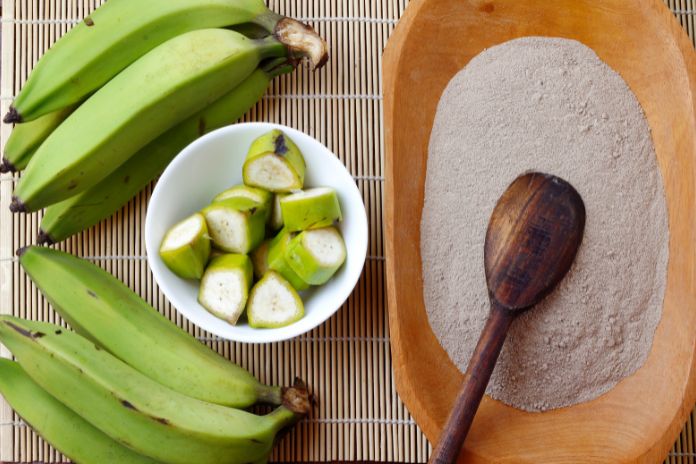
- Green bananas and unripe plantains are rich sources, though resistant starch decreases as they ripen.
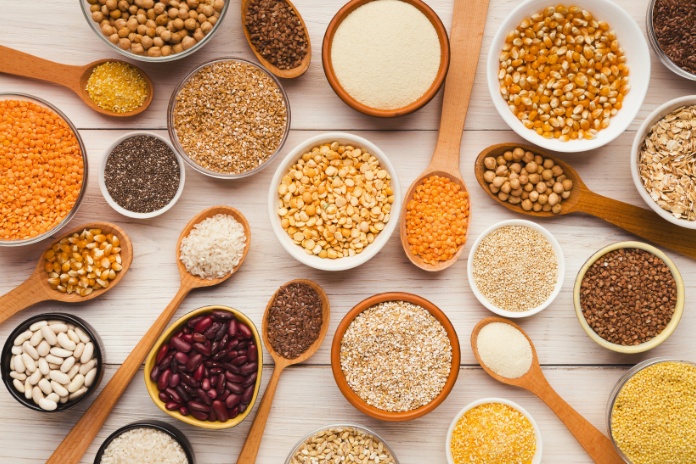
- Legumes such as lentils, chickpeas, black beans, and kidney beans provide significant amounts, along with fiber and protein that help support blood sugar control.
- Raw oats and minimally processed whole grains like barley and rye contain resistant starch, though cooking can reduce levels.
- Cooked and cooled potatoes, rice, and pasta develop more resistant starch through a process called retrogradation. Refrigerating these foods after cooking can increase their resistant starch content, even if they are later reheated.
Including a variety of these foods can help boost resistant starch intake while supporting gut and metabolic health.
Does Cooking Change Resistant Starch Levels?
Cooking disrupts the crystalline structure of starch granules in a process called gelatinization, which makes starch more digestible. Cooling reverses some of this through retrogradation, where amylose molecules in the starch reform into more compact, harder-to-digest structures. This is why temperature and preparation method affect resistant starch content significantly in foods like potatoes, rice, pasta, and legumes.
These two foods have been studied most extensively because they’re dietary staples globally and because the retrogradation effect in them is well-documented. The glycemic impact of consuming cold versus hot cooked rice or potatoes has been measured in controlled trials with consistent results showing lower post-meal blood glucose with cooled versions.
A study published in the Asia Pacific Journal of Clinical Nutrition found that cooling cooked white rice significantly increased resistant starch content and reduced the glycemic response compared to freshly cooked rice, supporting the practical relevance of the preparation method.
Reheating cooled rice or potatoes reduces but does not eliminate the resistant starch formed during cooling. The retrogradation is partially reversed by reheating, but some resistant starch persists, particularly when reheating is brief and doesn’t bring the food back to full cooking temperature. This means that even reheated leftovers retain some advantage over freshly cooked starch, though the effect is attenuated.
Read More: Green Bananas and Gut Health: Why “Unripe” Starch Is the Secret to Better Digestion and Lower Bloat
Best Ways to Add Resistant Starch to Your Diet
Increasing resistant starch intake too quickly causes gas and bloating in many people, because fermenting large amounts of resistant starch produces significant gas as a byproduct. Starting with small amounts, one serving per day, and increasing over two to four weeks gives the gut microbiome time to adapt.
People with irritable bowel syndrome or other functional digestive conditions may find that some resistant starch foods worsen symptoms and should introduce them cautiously with guidance from a dietitian.
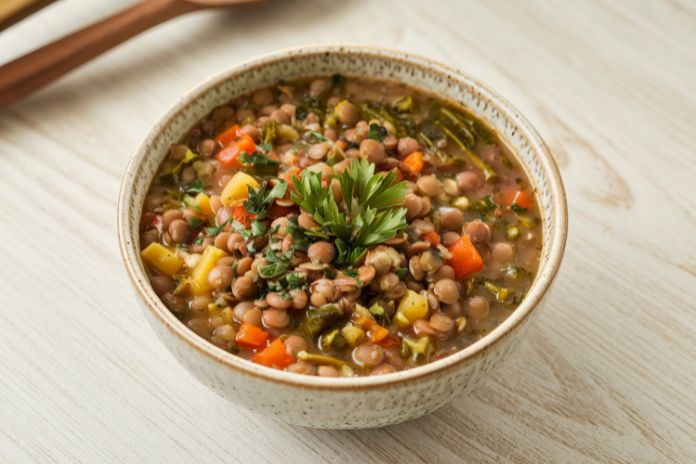
The glycemic benefit of resistant starch is most meaningful as part of a balanced meal that also includes protein, healthy fats, and non-starchy vegetables. A lentil salad with olive oil and leafy greens, for example, combines resistant starch, protein, fat, and fiber in a combination that produces a very moderate glycemic response.
Eating resistant starch foods alongside refined carbohydrates or in the context of a high-calorie, low-nutrient diet reduces their practical benefit considerably.
Overnight oats prepared cold and topped with berries and nuts are one of the simplest ways to increase resistant starch at breakfast. Bean-based salads with chickpeas, cucumber, and vinaigrette make straightforward lunches.
Lentil bowls with roasted vegetables and tahini are filling, high-fiber dinners with favorable glycemic profiles. Cooked and cooled potato salads dressed with vinegar, which may also have modest glycemic effects, are another practical option.
Read More: Routine Beverage Mistakes That Could Hurt Your Gut and What to Do Instead
Who May Benefit Most From Resistant Starch?
For individuals with prediabetes, type 2 diabetes, or insulin resistance, resistant starch is a dietary component that works with the body’s existing glucose metabolism rather than against it. By reducing post-meal glucose spikes, it removes one of the repeated daily stressors on insulin-secreting beta cells.
Dr. Michael G. Keenan, PhD, a leading researcher on resistant starch and metabolic health, has noted that resistant starch undergoes fermentation in the colon, producing short-chain fatty acids that may contribute to improved insulin sensitivity and glucose regulation. He emphasizes that these metabolic benefits are likely mediated through complex interactions between gut microbes, fermentation products, and host metabolism.
Most Americans fall well short of the recommended daily fiber intake of 25 to 38 grams. Resistant starch foods like legumes, whole grains, and cooked-and-cooled starches simultaneously increase fiber intake and resistant starch content, making them efficient additions for people trying to close this dietary gap.
Given the prebiotic effects of resistant starch on colonic bacteria and SCFA production, it’s a natural consideration for anyone focused on gut microbiome health. It’s a functional food component with a clear mechanistic rationale, distinct from the more marketing-driven claims often made about probiotic supplements.
Satiety is practical. If meals that include resistant starch foods keep people fuller for longer and reduce the urge to snack on high-calorie foods between meals, that has cumulative metabolic significance over weeks and months, even independent of any direct glycemic effect.
Some digestive conditions, including certain forms of IBS and inflammatory bowel conditions, require individualized dietary guidance. The foods highest in resistant starch are also frequently high in FODMAPs, which can trigger symptoms in some individuals. Clinical dietitian guidance is appropriate before significantly increasing legume or grain intake in these populations.
Potential Side Effects and Considerations
Increasing resistant starch intake can cause temporary bloating, gas, and digestive discomfort because gut bacteria ferment it and produce gases such as hydrogen, methane, and carbon dioxide. These symptoms are often more noticeable when intake is increased too quickly, so a gradual increase is usually better tolerated.
It’s also important to remember that foods high in resistant starch, including legumes, grains, and potatoes, still contain carbohydrates and calories. While resistant starch may reduce the glycemic impact of these foods, it does not eliminate it.
People with diabetes, IBS, inflammatory bowel disease, celiac disease, or other digestive conditions should consult a healthcare professional or registered dietitian before making major changes to their resistant starch intake, as individual responses can vary.
Read More: Beyond Potatoes: Why the New Dietary Guidelines Are Rethinking Corn and the ‘Starch-Heavy’ Plate
Resistant Starch Supplements: Are They Necessary?

The most common resistant starch supplement is high-amylose corn starch, sold under brand names including Hi-Maize. Raw potato starch is another form that has been used in research, typically mixed into cold liquids. These concentrated forms have been used in clinical trials to study glycemic and gut health effects at doses that would be difficult to achieve through food alone.
Studies using isolated resistant starch supplements have shown meaningful effects on post-meal glycemia and insulin response. However, these effects were studied in controlled settings with purified substrates. Whether the same effects translate to regular supplementation in the context of mixed habitual diets is less certain.
Dr. Denise Robertson, PhD, whose research has focused extensively on resistant starch and metabolic health, has noted that resistant starch appears to improve insulin sensitivity through mechanisms that extend beyond its effects on blood glucose alone, potentially involving fermentation in the colon and the production of short-chain fatty acids. However, she emphasizes that the exact mechanisms remain an active area of investigation.
Resistant starch from whole foods comes packaged with protein, fiber, vitamins, minerals, and phytochemicals that supplements do not provide. The case for prioritizing food sources over isolated supplements aligns with most evidence-based nutrition guidance: dietary patterns yield outcomes that individual supplements generally cannot replicate.
Isolated resistant starch supplements are generally considered safe for healthy adults. Individuals with digestive conditions, those managing diabetes with medication, or those who are pregnant should consult a healthcare provider before starting supplementation, as dose, timing, and interactions with medications or existing conditions warrant individualized guidance.
Key Takeaway
Resistant starch is a type of carbohydrate that behaves more like fiber than starch during digestion, resisting breakdown in the small intestine and undergoing fermentation in the colon. Research supports its role in reducing post-meal blood glucose spikes, improving insulin sensitivity in susceptible populations, feeding beneficial gut bacteria, supporting SCFA production, and increasing satiety.
Foods such as legumes, oats, green bananas, and cooled cooked potatoes or rice naturally contain resistant starch, and simple preparation choices, like cooling cooked grains and starches before eating, can meaningfully increase their resistant starch content. Resistant starch benefits are real but not magical. They are best understood in the context of overall dietary patterns rather than as a property of isolated foods or supplements.
Gradual, consistent inclusion of resistant starch foods in a balanced diet is more sustainable and more effective than relying on any single food or supplement as a fix. For people managing blood sugar, metabolic syndrome, or gut health concerns, it represents a well-evidenced, practical, and accessible dietary tool worth including.
References
- Baxter, N. T., Schmidt, A. W., Venkataraman, A., Kim, K. S., Waldron, C., & Martens, E. C. (2019). Dynamics of human gut microbiota and short-chain fatty acids in response to dietary interventions with three fermentable fibers. mBio, 10(1), e02566-18.
- Bodinham, C. L., Frost, G. S., & Robertson, M. D. (2010). Acute ingestion of resistant starch reduces food intake in healthy adults. British Journal of Nutrition, 103(6), 917-922.
- Conlon, M. A., & Bird, A. R. (2015). The impact of diet and lifestyle on gut microbiota and human health. Nutrients, 7(1), 17-44.
- Higgins, J. A., Higbee, D. R., Donahoo, W. T., Brown, I. L., Bell, M. L., & Bessesen, D. H. (2004). Resistant starch consumption promotes lipid oxidation. Nutrition and Metabolism, 1(1), 8.
- Lehmann, U., & Robin, F. (2007). Slowly digestible starch: Its structure and health implications. Trends in Food Science and Technology, 18(7), 346-355.
- Slavin, J. (2013). Fiber and prebiotics: Mechanisms and health benefits. Nutrients, 5(4), 1417-1435.
- Tanaka, H., Takasaki, M., & Kanaya, T. (2004). Effects of cooling of cooked white rice on the structural and functional aspects of resistant starch. Asia Pacific Journal of Clinical Nutrition, 14(1), 22-27.
- Zeevi, D., Korem, T., Zmora, N., Israeli, D., Rothschild, D., Weinberger, A., & Segal, E. (2015). Personalized nutrition by prediction of glycemic responses. Cell, 163(5), 1079-1094.
- Slavin, J. (2013). Fiber and prebiotics: Mechanisms and health benefits. Nutrients, 5(4), 1417-1435.
- Birt, D. F., Boylston, T., Hendrich, S., Jane, J. L., Hollis, J., Li, L., McClelland, J., Moore, S., Phillips, G. J., Rowling, M., Schalinske, K., Scott, M. P., & Whitley, E. M. (2013). Resistant starch: Promise for improving human health. Advances in Nutrition, 4(6), 587-601.
- Robertson, M. D., Bickerton, A. S. T., Dennis, A. L., Vidal, H., & Frayn, K. N. (2005). Insulin-sensitizing effects of dietary resistant starch and effects on skeletal muscle and adipose tissue metabolism. The American Journal of Clinical Nutrition, 82(3), 559-567.
- Mathews, R., Kamil, A., Chu, Y. F., & Robertson, M. D. (2022). Resistant starch and glycemic control: Current evidence and future directions. Frontiers in Nutrition, 9, Article 1025993.
- Keenan, M. J., Zhou, J., McCutcheon, K. L., Raggio, A. M., Bateman, H. G., Todd, E., Jones, C. K., Tulley, R. T., Melton, S., Martin, R. J., & Hegsted, M. (2015). Resistant starch, gut microbiota, and metabolic health. Advances in Nutrition, 6(2), 198-205.
- Sonia, S., Witjaksono, F., & Ridwan, R. (2015). Effect of cooling of cooked white rice on resistant starch content and glycemic response. Asia Pacific Journal of Clinical Nutrition, 24(4), 620-625.
In this Article