


















In the last few years, the occurrence of prediabetes in young adults has emerged as a rising health issue. Once considered a condition affecting older populations, prediabetes under 40 is now increasingly common, with more individuals in their 20s and 30s showing elevated blood glucose levels.
These levels exceed the normal range, but they have not reached the threshold for a type 2 diabetes diagnosis. The rising prediabetes rates are significant because early metabolic changes can heighten long-term health risks, including type 2 diabetes risk and cardiovascular risk.
In this article, we will explore what prediabetes in your 20s and prediabetes in your 30s mean, the causes of prediabetes in young adults, prediabetes risk factors, symptoms, diagnosis, and, most importantly, how to reverse prediabetes and improve metabolic health.
- Prediabetes is rising sharply in adults under 40, hidden by a total lack of early symptoms.
- Modern culprits like chronic stress, poor sleep, and ultra-processed diets are triggering early insulin resistance.
- Committing to a 5–7% weight loss and 150 minutes of exercise per week can completely reverse it.
Read More: Evidence: How Reversing Prediabetes Affects Heart Health
What Is Prediabetes?
Prediabetes indicates that your blood glucose (or blood sugar) levels are elevated beyond the normal range, yet they do not reach the threshold for diabetes. The foods you consume provide glucose, and excessive blood glucose can harm your body over time.
Having prediabetes increases the risk of developing type 2 diabetes, heart disease, and stroke. However, by changing your lifestyle now, you might be able to delay or avert type 2 diabetes.
Screening for prediabetes presents a significant chance for intervention.
According to the Centers for Disease Control and Prevention, diabetes affects roughly 10% of the American population, making it important to identify those who should consider making changes to their diet and lifestyle to help prevent the disease.
Research indicates that due to heightened prediabetes screening and significant awareness improvements, the share of undiagnosed type 2 diabetes cases decreased significantly from 1988 to March 2020. Type 2 diabetes occurs when the body’s cells become resistant to insulin, a hormone produced by the pancreas that converts blood sugar into energy.
Over time, pancreatic beta cell function may deteriorate, leading to insufficient insulin secretion and elevated glucose levels. Elevated blood sugar can have disastrous effects on the body, leading to various health issues such as heart disease, kidney disease, and loss of vision.
Why Is Prediabetes Becoming More Common in Adults Under 40?
The increase in diagnoses is not coincidental. Globally, young adults’ blood sugar levels are rising due to a confluence of contemporary lifestyle influences:
Sedentary Lifestyles: The change in our way of living and working is one of the main offenders. Life is now much easier thanks to technology, but it is also much less active. Insulin resistance results from the body’s inability to metabolize glucose properly due to inactivity.
Dietary Changes: There has been a significant shift in the modern diet. Compared to whole foods, fast food, sugary drinks, and highly processed snacks are frequently more affordable and readily available. These foods usually contain a lot of added sugars and refined carbs, which quickly raise blood sugar levels. Frequent surges can eventually overwhelm the body’s insulin response.
Stress and Lack of Sleep: It goes beyond diet and exercise. Poor sleep habits and high levels of ongoing stress, prevalent in young adults’ “hustle culture,” also have a significant impact. Lack of sleep reduces insulin sensitivity, and stress chemicals like cortisol can raise blood sugar levels.
Who Is Most at Risk for Prediabetes at a Young Age?
Due to genetic and behavioral factors, having a strong family history of diabetes raises your risk of developing prediabetes in your 20s and 30s. Insulin resistance and obesity are closely related. One significant predictor of prediabetes risk factors is waist circumference.
Prediabetes under 40 is more likely in people with metabolic syndrome, polycystic ovarian syndrome (PCOS), and a history of gestational diabetes. Personalized diabetes screening is crucial since some populations are more likely to develop prediabetes in young adults.
Read More: How to Reverse Prediabetes in 3 Months: Science-Backed Steps That Really Work
Prediabetes Symptoms: Why Many Young Adults Don’t Know They Have It

There are typically no symptoms or indicators of prediabetes. Darkened skin on some body areas could be an indication of prediabetes. This condition may affect the groin, armpits, and neck.
The following are typical indicators that you have transitioned from prediabetes to type 2 diabetes:
- Increased thirst
- Frequent urination
- Increased appetite
- Exhaustion
- Fuzzy eyesight
- Tingling or numbness in the hands or feet
- Persistent infections
- Sores that heal slowly
- Unintentional weight loss
How Prediabetes Is Diagnosed
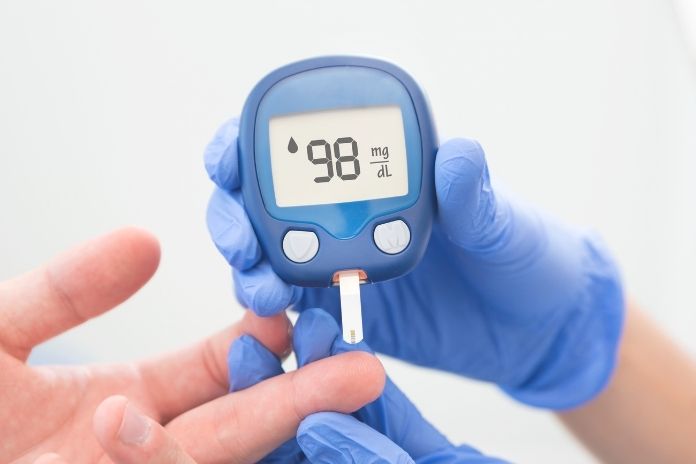
The same blood tests used to detect type 2 diabetes are also used to diagnose prediabetes. The Hemoglobin A1C (HbA1C) test, which calculates your average blood sugar level over the previous two to three months, is the most popular.
An HbA1C level below 5.7% is normal; a level between 5.7% and 6.4% indicates prediabetes. Diabetes is indicated by a level of 6.5% or higher on two separate tests or by a fasting glucose level greater than 126 or a non-fasting glucose level greater than 200.
Doctors can use the following additional blood tests to identify prediabetes:
- You can use a fasting blood sugar test to check your blood sugar levels after going without food overnight.
- To measure blood sugar levels at a random or non-fasting time, use a random blood sugar test.
- Doctors use an oral glucose tolerance test to assess how the body responds to glucose, and they frequently use it to screen for diabetes during pregnancy.
What Happens If Prediabetes Is Left Untreated?
Without intervention, many individuals with prediabetes in young adulthood progress to diabetes, increasing their risk of type 2 diabetes. Elevated blood glucose levels can raise cardiovascular risk even before diabetes manifests.
If left untreated, prediabetes can result in:
- Metabolic syndrome
- Fatty liver disease
- Elevated inflammation
Can Prediabetes Be Reversed?
Numerous endocrinologists believe that people can successfully treat prediabetes through committed efforts and adapting good nutrition and regular exercise. You do not need to accept a type 2 diabetes diagnosis in the future. The most effective way to try to reverse a prediabetes diagnosis is to lose weight by eating well and exercising.
Additional actions you can take to stop prediabetes from developing into diabetes include:
- Choosing clear, unsweetened liquids whenever feasible and staying hydrated (because water helps to maintain appropriate glucose levels)
- Lowering stress because stress can cause cortisol, a hormone that causes insulin resistance, to be released
- Restricting the amount of alcohol consumed
- Give up smoking
Read More: Diabetes and Antibiotic Resistance: What New Research Means for Patients
“Data has shown that with intensive lifestyle changes, with as little as seven percent weight loss, you are able to reverse diabetes and return your blood sugars to normal,” shares Dr. Lucy Esteve, endocrinologist.
Evidence-Based Steps to Lower Prediabetes Risk
Try to stop prediabetes from developing into type 2 diabetes by:
Eat Healthy Foods: A diet high in fruit, vegetables, different kinds of nuts, whole grains, and olive oil is associated with a lower risk of prediabetes. Select foods that are high in fiber and low in fat and calories. Eat a variety of foods to help you achieve your goal without compromising on taste or nutrition.
Be More Active: Physical activity helps to control your weight, uses up sugar for energy, and also helps the body use insulin more effectively. Aim for around 150 mins of moderate or 75 mins of vigorous aerobic activity a week, or you can also try a combination of moderate and vigorous exercise.
Lose Excess Weight: If you’re overweight, losing just about 5% to 7% of your body weight, around 14 pounds (6.4 kilograms) if you weigh 200 pounds (91 kilograms), may significantly reduce the risk of type 2 diabetes. To keep your weight in a healthy range, focus on permanent changes to your eating and exercise habits.
Take Medications as Needed: If you’re at a high risk of diabetes, your health care provider might recommend metformin (Glumetza). Doctors might also prescribe medications to control cholesterol and high blood pressure.
Prediabetes in Young Adults vs Older Adults
Younger adults often engage in technology-driven behaviors that affect metabolic health and promote a sedentary lifestyle. Developing prediabetes under 40 increases lifetime exposure to high blood glucose levels, raising long-term health risks.
When Should Young Adults Get Screened for Prediabetes?
Screening recommendations have been revised by diabetes specialists from the American Diabetes Association (ADA) and the US Preventive Services Task Force (USPSTF). At age 35, they advise testing for type 2 diabetes and prediabetes.
A blood test to determine a person’s glucose (blood sugar) levels is called a glucose test. Medical professionals use the test to determine whether a patient has type 1, type 2, gestational diabetes, or prediabetes.
In the past, the USPSTF advised glucose testing for overweight or obese individuals between the ages of 40 and 70. The USPSTF broadened the criteria in 2021 to include overweight or obese individuals between the ages of 35 and 70.
The ADA reduced the screening age to 35 in 2022. The American Diabetes Association also advises screening for any adult who has at least one risk factor and is overweight or obese. In addition to age, these guidelines consider other risk factors, like physical inactivity and a family history of diabetes.
Common Myths About Prediabetes in People Under 40
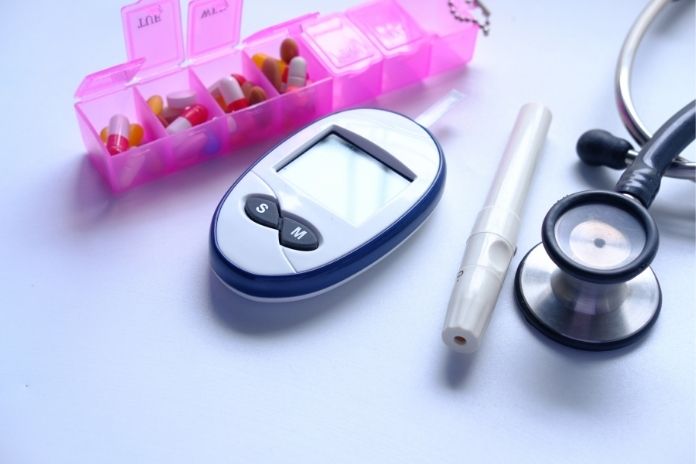
To help you make the best choices for your health, here are some prediabetes myths and the facts around them.
Myth 1: Diabetes Is Just a Concern For the Elderly
Insulin resistance may lead to prediabetes and diabetes in younger persons, but it also rises with age and causes high blood sugar and diabetes. Nearly one in four persons between the ages of 18 and 44 has prediabetes or diabetes, and nearly two out of three adults 65 and older have one of these illnesses.
Nowadays, 65 is by no means “elderly,” and it is still important to take care of yourself to make the most of the remaining 10, 20, 30, or more years of your life.
Myth 2: You Will Undoubtedly Develop Diabetes If You Have Prediabetes
The majority of individuals with prediabetes eventually acquire diabetes, according to the statistics, but there is an asterisk. People who manage their prediabetes with lifestyle modifications and occasionally medication can reduce their risk by more than 50%.
In contrast, those who do nothing about their prediabetes are nearly certain to develop type 2 diabetes. Even postponing the beginning of type 2 diabetes is beneficial since it can help prevent future diabetic complications.
Myth 3: The Only Effective Treatment For Prediabetes is Medication
To increase the body’s sensitivity to insulin, some persons with prediabetes use a drug called metformin (marketed under the trade name Glucophage). Doctors prescribe metformin to less than 1% of individuals with prediabetes.
Rather, the best way to treat or reverse prediabetes is through lifestyle modifications. Studies found that physical activity and weight loss are much more effective than metformin in preventing type 2 diabetes.
Read More: Diabetes in the Elderly: Unique Challenges, Medication Risks, and Care Goals
Conclusion
The rising prevalence of prediabetes in young adults demonstrates how contemporary lifestyles are changing the health risks at younger ages. More people under 40 are suffering alterations in blood sugar regulation due to increased exposure to poor food, inactivity, stress, and sleep disruption. Because this ailment often develops silently, prompt screening and awareness are crucial.
The positive aspect is that taking action early on can have a significant impact. Making small, regular lifestyle adjustments, such as eating better, exercising more, and managing stress, can promote better metabolic balance and reduce long-term issues. Prediabetes prevention improves general health in addition to reducing the chance of type 2 diabetes.
References
- Kempler, C. (2022, August 15). Prediabetes Explained: An Under-the-Radar and Common Condition That Doesn’t Have to Lead to a Diabetes Diagnosis.
- Mayo Clinic Staff. (2023, November 11). Prediabetes – Symptoms and causes.
- National Library of Medicine. Prediabetes.
- Baystate Health. Prediabetes: Risk factors, diagnosis, and management.
- Doral Health & Wellness. Prediabetes in young adults: Why high blood sugar is rising so fast.
- Berg, S. (2022, May 20). Patients can follow these steps to help reverse prediabetes.
- Texas Diabetes & Endocrinology. (30 March, 2023). How to reduce your prediabetes risk.
- Natalie Stein. (October 14, 2020). Prediabetes Myths and Facts.
In this Article