


















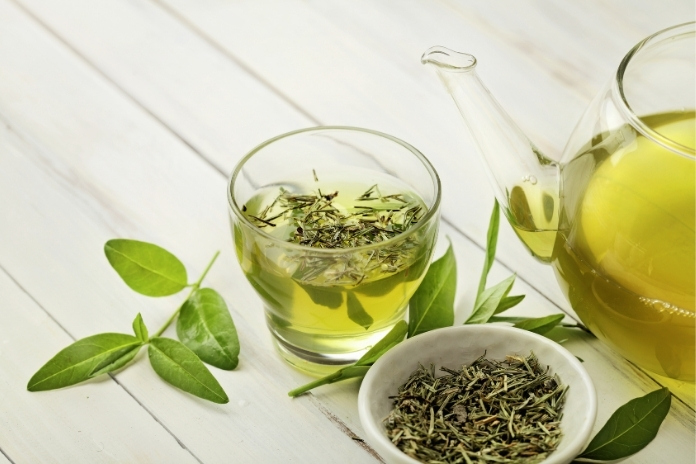
Walk through any U.S. grocery aisle, and you will spot green tea everywhere, from loose-leaf tins to sleek ready-to-drink bottles marketed as a heart tonic. The pitch is consistent: sip your way to a healthier cardiovascular system. The science behind green tea and heart health is more interesting than the marketing suggests, with real signal in the data but also clear limits on what a cup of tea can do.
Compounds in the leaf appear to nudge cholesterol, blood pressure, and vascular function in a favorable direction for many people, yet the size of those effects is usually modest and depends heavily on the rest of a person’s lifestyle. The question is not whether green tea contains beneficial compounds, since the chemistry on that point is well established, but whether drinking it produces meaningful clinical change in people who are already managing cardiovascular risk through other means.
This guide looks at what large studies actually show, where evidence is consistent, where it remains mixed, who should be cautious, how supplements differ from brewed tea, and how green tea fits into a broader heart-healthy pattern of eating and living.
- Green tea contains catechins and other antioxidants that research links to small but measurable improvements in LDL cholesterol, total cholesterol, and blood pressure.
- Most well-designed studies suggest the heart benefits of green tea are modest, additive, and most useful within a broader cardiovascular lifestyle.
- Concentrated green tea extracts carry risks, including rare liver concerns, that brewed green tea generally does not.
- People on blood thinners, heart medications, or with arrhythmias should talk to a clinician before significantly increasing intake.
What Makes Green Tea Different From Other Beverages?

Green tea comes from the same plant as black tea, Camellia sinensis, but the leaves are handled very differently after harvest. Producers steam or pan-fire the fresh leaves quickly, which halts oxidation and preserves the natural plant compounds. Black tea, by contrast, is fully oxidized, which changes its color, flavor, and chemistry.
The minimal processing of green tea is the main reason it has a higher concentration of antioxidant catechins than other true teas. The active chemistry of green tea sits in a family of plant compounds called catechins, the most studied of which is epigallocatechin gallate, or EGCG. Catechins are a subgroup of flavonoids that recur in cardiovascular research.
Green tea also contains caffeine, though less than coffee, and the amino acid L-theanine, which appears to take the edge off caffeine’s stimulating effects. Cardiologists pay attention to antioxidants because oxidative stress is one driver of atherosclerosis and stiff, dysfunctional blood vessels.
Dr. Leonard Pianko, MD, FACC, a cardiologist with the Aventura Cardiovascular Center, has explained that antioxidants can prevent or repair cell damage caused by free radicals in the environment and from normal metabolism. That mechanism is part of why green tea, with its concentrated catechin load, has drawn so much research attention compared with most other beverages.
How Green Tea May Affect Heart Health
Lipid effects are the most consistently studied piece of the green tea story. A meta-analysis of 14 randomized controlled trials in The American Journal of Clinical Nutrition found that green tea consumption significantly lowered total cholesterol by about 7.2 mg/dL and LDL cholesterol by about 2.2 mg/dL compared with controls.
A later Nutrition Journal meta-analysis pooling dozens of trials reported similar reductions in total and LDL cholesterol, along with modest improvements in triglycerides, in some subgroups.
Read More: Cholesterol Myths vs. Facts: Debunking Common Misconceptions
Studies on blood pressure show a smaller effect, but one that is still detectable. A systematic review and meta-analysis in the European Journal of Preventive Cardiology reported a small but statistically significant drop in systolic blood pressure with regular green tea intake, on the order of 2 mm Hg. That is not a replacement for antihypertensive therapy, but it can add to other lifestyle measures.
Underneath the cholesterol and blood pressure numbers sits the endothelium, the thin lining of cells that controls how arteries relax and constrict. Healthy endothelial cells release nitric oxide, which keeps vessels supple.
Dr. Kishan Parikh, MD, an advanced heart failure cardiologist at WakeMed, has noted that drinking green tea is associated with lower blood pressure in people with hypertension because antioxidants help relax blood vessels and promote healthy blood flow.
Chronic low-grade inflammation damages vessel walls and accelerates plaque buildup, which is why cardiologists pay attention to anti-inflammatory diets. Catechins, particularly EGCG, dampen several inflammatory signaling pathways in laboratory and human studies, including effects on transcription factors that drive cytokine production.
The downstream payoff is more theoretical than proven in clinical endpoints, but the mechanism aligns with what is already known about plant-rich eating patterns and heart risk. Inflammation also overlaps with insulin resistance and metabolic health, so the same compounds that quiet vascular inflammation may also improve cardiometabolic markers in people prone to these issues.
What the Research Actually Shows
Most of the eye-catching numbers about green tea and heart disease come from observational research, where investigators track tea drinkers and non-drinkers over the years. The widely cited Ohsaki study published in JAMA, which followed more than 40,000 Japanese adults, reported lower cardiovascular mortality among those who drank five or more cups of green tea daily compared with infrequent drinkers.
These designs cannot prove cause and effect because heavy tea drinkers may differ from non-drinkers in diet, activity, or income. Randomized controlled trials, the gold standard for proving causation, are typically shorter and smaller, which means the strongest population signals come from studies that cannot fully control for lifestyle, while the clearest causal evidence comes from trials too short to capture mortality outcomes.
Three threads run through the better studies. The first is modest cholesterol improvement, repeated across multiple meta-analyses. The second is measurable antioxidant activity in blood markers after drinking green tea for weeks. The third is a recurring inverse association between higher intake and cardiovascular events in long observational cohorts.
Effects on HDL cholesterol are inconsistent. Findings on triglycerides depend on duration and dose. Differences between brewed beverages and concentrated extracts complicate any direct translation from study data to a person’s actual cup of tea. Most clinical trials are short, often a few months, which limits what can be said about long-term outcomes.
Can Green Tea Help Prevent Heart Disease?
No single food or drink prevents heart disease on its own, and credible cardiologists do not frame green tea that way. Julia Zumpano, RD, LD, a registered dietitian with Cleveland Clinic’s Department of Preventive Cardiology, notes that flavonoids dilate blood vessels and help keep them flexible, promoting freer blood flow. Even so, that effect adds to, rather than replaces, the major drivers of cardiovascular risk reduction.
The strongest predictors of heart outcomes remain blood pressure control, lipid management, regular physical activity, avoiding tobacco, restorative sleep, and weight stability. A few cups of green tea each day sit alongside these, not above them. People who already eat a plant-forward diet and move regularly are likely to notice the cleanest gains.
Mediterranean-style and largely plant-forward dietary patterns, both endorsed by the American Heart Association, consistently outperform single-food interventions. Slotting green tea into that kind of pattern, in place of sugar-sweetened drinks, is where the practical wins usually show up.
How Green Tea Compares With Other Heart-Friendly Beverages

To make sense of where green tea fits, it helps to compare it with other common drinks people reach for during the day. The comparison below is a general snapshot, not a personalized recommendation.
Sip Smart
Beverage Cardiovascular Profiles
| Beverage | Typical Caffeine (8 oz) | Notable Heart-Related Compounds | General Cardiovascular Notes |
|---|---|---|---|
| 🍵 Green tea | 25 to 45 mg | Catechins, EGCG, L-theanine | Linked to modest improvements in LDL cholesterol and blood pressure; naturally low in calories |
| 🍂 Black tea | 40 to 70 mg | Theaflavins, flavonoids | May support cholesterol management, though it contains more caffeine than green tea |
| ☕ Coffee | 80 to 100 mg | Chlorogenic acids, polyphenols | Effects on blood pressure vary, especially in caffeine-sensitive individuals |
| 🥤 Sugar-sweetened soda | 0 to 45 mg | Added sugars | Associated with increased cardiometabolic and metabolic disease risk |
| 💧 Water | 0 mg | None | Essential for hydration, circulation, and healthy blood pressure regulation |
What this comparison really highlights is that the biggest heart wins often come from what green tea replaces, not just from the tea itself. Trading a daily sweetened beverage for unsweetened green tea reduces added sugar load while adding antioxidant exposure, a swap that quietly compounds over time.
Green Tea and Blood Pressure: What to Know
In short-term trials, green tea drinkers often see systolic readings drift down by a few millimeters of mercury. The likely mechanism is a combination of improved endothelial function and reduced oxidative stress, with caffeine playing a secondary role. People with elevated baseline blood pressure tend to see the clearest movement.
Caffeine can transiently raise blood pressure, especially in people who do not drink it regularly. Green tea has less caffeine per cup than coffee, but enough to matter for sensitive individuals. Regular drinkers usually develop partial tolerance, so the long-run blood pressure picture is generally favorable or neutral.
Anyone using blood pressure medication should talk to their clinician before making significant changes to their tea intake. Sudden jumps from one cup a week to six cups a day, especially in pill form, can interact with medications and obscure the effect of treatment.
Read More: 17 Ways to Lower Your Blood Pressure Naturally
Does Green Tea Help Lower Cholesterol?
The pattern across trials is consistent in direction, even when the effect size varies. A few cups of green tea per day, sustained for several weeks, tends to nudge LDL cholesterol down modestly. The reductions of roughly 2 to 7 mg/dL seen in trials are not statin-level changes, but they are real.
Diet, genetics, body weight, and physical activity all influence cholesterol more powerfully than a single beverage. Green tea works alongside those variables. People expecting the kind of LDL drops associated with prescription therapy will be disappointed.
The cholesterol numbers in some trials come from catechin capsules rather than tea bags. Supplements deliver doses that would be hard to reach by brewing alone. That intensifies both the potential benefit and the risk profile, underscoring the importance of caution.
Green Tea Supplements vs. Brewed Green Tea
Concentrated green tea extracts, sold as capsules or weight-loss aids, can deliver hundreds of milligrams of EGCG per dose. That is far beyond what a typical cup of brewed tea provides. The clinical evidence on extracts is more mixed, and the safety margin is narrower.
Rare but documented liver injury has been linked to high-dose green tea extracts, particularly when taken on an empty stomach. Excess caffeine from stacked products can trigger palpitations, anxiety, and elevated blood pressure. People with sensitive livers or who take multiple medications face a higher risk.
Plant compounds can interact with prescription drugs and stress organs at supratherapeutic doses. The fact that green tea has been consumed for centuries does not automatically extend to concentrated pills, which are a modern product.
Read More: 9 Herbs and Supplements for Supporting Healthy Blood Pressure
How Much Green Tea Is Typically Considered Moderate?
Most beneficial findings cluster around 2 to 5 cups per day, roughly 16 to 40 ounces. A heavier intake does not reliably confer benefit and can introduce caffeine-related downsides.
Tolerance varies with body size, genetics, sleep quality, anxiety levels, and concurrent caffeine sources. Some people metabolize caffeine slowly and feel buzzy on a single afternoon cup. Others handle more without noticing.
Jitteriness, racing heart, disrupted sleep, headaches, and an unsettled stomach all point to overconsumption. Pulling back to one or two cups, with the last one earlier in the day, usually clears these signs quickly.
Who Should Talk to a Doctor Before Increasing Green Tea Intake?
People taking blood thinners such as warfarin should check first, since vitamin K content and catechin chemistry can interact with anticoagulation in ways that complicate dosing. Anyone on heart rhythm medication, beta-blockers, or stimulants for ADHD should also flag the change, since added caffeine can shift how those drugs feel and function.
Individuals with anxiety disorders, insomnia, or arrhythmias often do better with smaller, decaffeinated portions, particularly later in the day. Pregnant individuals should keep total daily caffeine well under the limits their obstetrician recommends, counting tea, coffee, sodas, and chocolate together rather than separately.
Anyone considering concentrated green tea extracts, especially products marketed for weight loss or “fat burning,” should have a frank conversation with a clinician before starting, because dose, brand quality, and individual liver tolerance vary widely.
Practical Ways to Include Green Tea in a Heart-Healthy Lifestyle

Choosing unsweetened green tea is the single most useful move. Bottled versions often contain added sugars that cancel the potential cardiovascular upside. Replacing one sugar-sweetened beverage a day with brewed or unsweetened bottled green tea is a low-friction swap that adds up over a year.
Bess Berger, RDN, a registered dietitian who counsels patients on cardiometabolic risk, has highlighted that EGCG boosts nitric oxide and promotes vasodilation, helping blood vessels relax. Pairing tea with balanced meals built around vegetables, whole grains, legumes, and fish lets that effect work in context rather than in isolation. Realistic expectations matter, as the literature shows small, additive gains rather than dramatic transformations.
Read More: Worst Time to Drink Green Tea: When to Avoid for Better Health
Common Myths About Green Tea and Heart Health
“Green Tea Can Cure Heart Disease”
It cannot. Heart disease is multifactorial and requires medical evaluation, lifestyle change, and often medication. Tea is a small supporting actor at best.
“More Green Tea Always Means Better Results”
Past a moderate range, additional cups bring more caffeine and oxalate without proportional benefit. Excessive intake can also stress the kidneys in people who are prone to stones.
“Supplements Are Safer or More Effective Than Brewed Tea”
For most people, the opposite holds. Brewed tea releases catechins at lower per-dose levels and has a centuries-long safety record at typical intakes. Extracts deliver concentrated catechins with a narrower safety margin.
Key Takeaway
Research suggests green tea may offer some cardiovascular benefits, particularly as part of a broader heart-healthy lifestyle. Compounds in green tea may support cholesterol levels, blood vessel function, and metabolic health in some individuals. Those effects, however, are generally modest and should not replace evidence-based medical care, prescribed therapy, or proven lifestyle changes.
When treated as a single consistent habit alongside a smart diet, regular movement, and managed risk factors, green tea earns its place in a heart-aware routine. Treated as a cure-all or a substitute for medical care, it overpromises and underdelivers. The honest read of the science is somewhere between hype and dismissal, which is exactly where most useful nutrition advice tends to land.
References
- Hartley, L., Flowers, N., Holmes, J., Clarke, A., Stranges, S., Hooper, L., & Rees, K. (2013). Green and black tea for the primary prevention of cardiovascular disease. European Journal of Preventive Cardiology.
- Kuriyama, S., Shimazu, T., Ohmori, K., Kikuchi, N., Nakaya, N., Nishino, Y., Tsubono, Y., & Tsuji, I. (2006). Green tea consumption and mortality due to cardiovascular disease, cancer, and all causes in Japan: The Ohsaki study. JAMA, 296(10), 1255-1265.
- Xu, R., Yang, K., Li, S., Dai, M., & Chen, G. (2020). Effect of green tea consumption on blood lipids: A systematic review and meta-analysis of randomized controlled trials. Nutrition Journal, 19(48).
- Zheng, X. X., Xu, Y. L., Li, S. H., Liu, X. X., Hui, R., & Huang, X. H. (2011). Green tea intake lowers fasting serum total and LDL cholesterol in adults: A meta-analysis of 14 randomized controlled trials. The American Journal of Clinical Nutrition, 94(2), 601-610.
- British Heart Foundation. (n.d.). Green tea and heart health.
- Centre for Evidence-Based Medicine. (n.d.). Green tea and blood pressure effects.
- Cureus. (2022). Impact of green tea consumption on the prevalence of cardiovascular outcomes: A systematic review.
- Harvard Health Publishing. (2023). Green tea may lower heart disease risk.
- Health.com. (2025). Can green tea lower blood pressure?
- Hodgson, J. M., & Croft, K. D. (2010). Tea flavonoids and cardiovascular health. Molecular Aspects of Medicine, 31(6), 495–502.
- One Heart Clinic. (n.d.). Can drinking tea reduce my risk of a heart attack?
- Saeed, M., Naveed, M., BiBi, J., Kamboh, A. A., Phil, L., & others. (2023). Green tea and cardiovascular health: An updated review.
- WebMD. (n.d.). Green tea: Uses, side effects, and more.
In this Article