





















Sardines vs tuna looks like a simple comparison. Both come in cans, are high in protein, and are considered healthy, too. But nutritionally, they are never the same.
Also, one mistake many people make: treating all tuna the same. It is not. Canned light tuna, albacore (white tuna), and large tuna species are quite different in nutrition and even safety.
So the answer is not “which is better” in general. It depends on what you want: more omega-3, more protein, lower mercury, or better micronutrients. This comparison will go point by point, not generic statements.
- Sardines beat tuna in omega-3, mercury safety, and micronutrients (especially calcium from bones).
- Tuna wins slightly in protein and convenience.
- The best approach is using both, but if choosing one for overall health, sardines are a stronger option.
Omega-3s: Why Sardines Win, and Tuna Is Not Even Close?
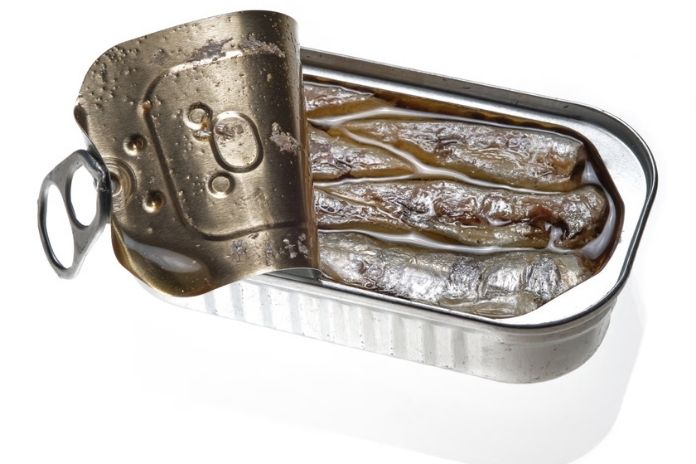
If the goal is omega-3, then sardines are clearly ahead. Not a small difference, a very big gap. A normal 85g serving of sardines provides around 1,000-2,000 mg EPA and DHA. This is already close to the weekly recommendation if eaten a few times. Now compare with tuna:
- Canned light tuna → around 230–270 mg
- Albacore tuna → around 700–900 mg
So even the best tuna (albacore) is still below sardines in most cases. Light tuna is far behind. The omega-3 content of sardines vs. tuna is not fixed. It changes a lot depending on the brand and species. Testing has shown:
- Some tuna products go as low as ~100 mg
- Some sardines go above 2,000 mg
So, a label that says “rich in omega-3” doesn’t mean much. Without an exact EPA+DHA number, it is a guess only. Also, sardines are naturally oily fish. Tuna, especially light tuna, is lean. That is why the difference is so big. So if someone is eating fish mainly for heart health or to control inflammation, sardines do much more work per serving.
Verdict: Sardines, clearly higher omega-3, not a close competition from light tuna. Albacore comes closer but is still behind.
Protein: Why Tuna Has a Slight Edge?
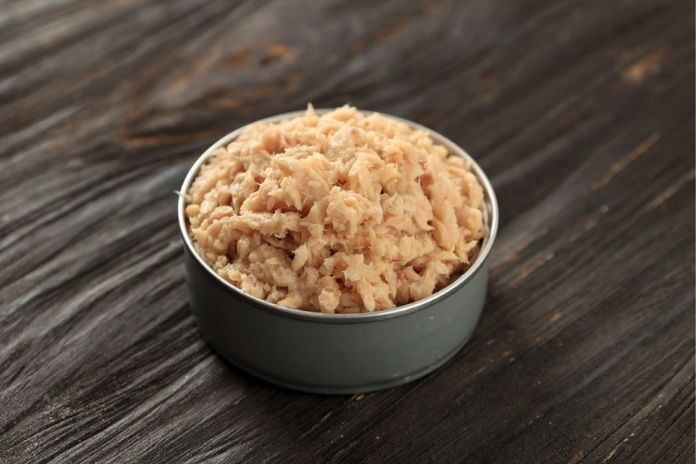
Now protein side. Here, tuna does better, but the difference is not huge. Per 85g serving:
- Light tuna → around 24g protein
- Sardines → around 20–23g protein
So tuna gives maybe 3–5g more protein. Both are complete proteins. Means all essential amino acids are present. Both are good for muscle recovery and general nutrition. Sardines have more omega-3 fatty acids. So tuna becomes more protein-dense per calorie.
But a practical question is: Is a 4g difference big? Not really. One extra egg gives the same amount. So if someone is eating fish only for protein, tuna is slightly better. But if we look at overall sardine vs. tuna nutrition, this advantage becomes smaller.
Verdict: Tuna, but the advantage is small, not game-changing.
Mercury Content in these Fish Variants: What You Need to Know Before You Eat
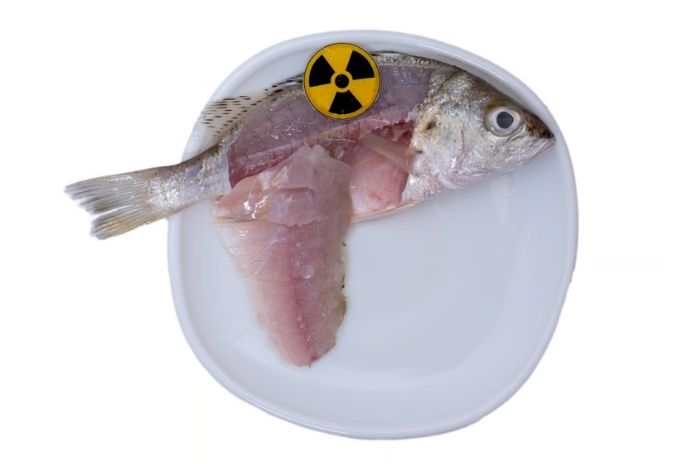
This is where the real difference comes. And most articles oversimplify this. First basic idea: bigger fish, higher mercury. Because they live longer and eat other fish. Mercury builds up over time.
Sardines are small fish. They grow fast, live short. So they have very low mercury. Around 0.013 ppm, which is extremely low. Tuna is a different story. “Fresh tuna is a great source of omega-3s,” says Registered Dietitian Julia Zumpano. “But everyone’s desire for sushi may be putting us at risk for mercury toxicity.” But again, type matters.
- Light tuna (usually skipjack) → ~0.128 ppm (moderate-low)
- Albacore (white tuna) → ~0.350 ppm (much higher)
- Large species like bluefin → very high
So saying “tuna has mercury” is incomplete. Albacore and light tuna have different levels of mercury. Because of this:
- Light tuna → generally safe 2–3 times per week
- Albacore → usually advised in limited amounts, especially for pregnant women and children
Now, one more interesting point, which is rarely discussed. Sardines contain a good amount of selenium. Selenium is important because mercury can affect certain enzymes in the body. Selenium supports those enzymes. Some research suggests that selenium in fish may partly reduce the harmful effects of mercury.
This does not make mercury harmless. But in sardines, mercury levels are already low, and selenium is present, so the overall risk is very low. Also, sardines are lower in the food chain (i.e., at a lower trophic level). This naturally limits toxin buildup. So, for people eating fish frequently, this becomes important.
- Sardines are clearly safer for regular consumption.
- Light tuna is okay in moderation.
- Albacore needs more caution.
Bone Health, Vitamin D, and What Tuna Cannot Offer?
This is the most underrated difference. Sardines are eaten with their bones intact. And these bones are soft, you can chew easily. These bones give around 325–382 mg of calcium per serving. That is around 38% daily requirement. Tuna has almost no calcium. So nutritionally, sardines are not just fish. They are also a calcium source. For people:
- Not taking dairy
- Low sunlight exposure
- Concern about bone health
This becomes important. Also, vitamin D:
- Sardines → ~177 IU
- Tuna → ~150 IU
Both are good, but sardines are slightly higher. “Sardines are one of the few foods naturally high in vitamin D,” Mackenzie Burgess, a nutrition expert, adds. Vitamin B12: Both are excellent; sardines are usually higher. Also, sardines provide higher amounts of fat-soluble vitamins A, D, E, and K because of their higher fat content. So sardines are more “complete nutrient food,” while tuna is more “lean protein food.”
Verdict: Sardines have a unique advantage due to their bones, which are a rich source of micronutrients. Tuna cannot match this.
Read More: Anchovies vs. Sardines: Nutrition, Health Benefits, and Which Is Better for You
Sustainability of Sardines vs Tuna: What You Should Know?

This part many skip, but it matters in the long term. Sardines are small, fast-growing fish. They reproduce quickly. So fishing for them is generally more sustainable. Tuna, especially large species, take longer to grow. Overfishing is a concern in some regions.
Light tuna (skipjack) caught with pole-and-line methods is considered a more sustainable canned fish. But not all products follow this. Albacore and larger tuna sometimes come from stocks under pressure. So if someone is thinking long-term about food choices, sardines are also a safer option environmentally. Not perfect in every case, but generally better.
Read More: Fatty Fish and Heart Protection: Can Omega-3s Help Reduce the Hidden Heart Stress of Sleep Apnea
The Practical Verdict: Sardine vs. Tuna – Which is Better?
There is no single “best” fish for everyone. It depends on your health goals and the specific benefits you’re looking for.
- For maximum omega-3: A single serving of sardines already provides a substantial amount. It’s advisable to choose ones packed in water or olive oil.
- For high protein at the lowest cost: Opt for light tuna. Cheap, lean, and easy to add to meals.
- For balance (omega-3 with less strong taste): Albacore tuna is a moderate option, but it’s not recommended for daily consumption due to its higher mercury content.
- For bone health and micronutrients: Sardines with bones. No other canned fish gives this combination of calcium + vitamin D.
- For frequent consumption (3–5 times per week): Sardines are better. Mercury is almost negligible in this fish variety.
- For convenience and taste flexibility: Tuna is easier. Neutral taste, works in many dishes. Sardines have a strong flavor, which not everyone likes.
Final overall verdict
If looking purely for nutrition density → Sardines win
If looking for protein with convenience and cost → Tuna has a place
The best approach is not to choose only one. Rotate both. That gives better balance and lower risk.
Read More: 8 Healthiest Fish to Eat for Your Heart and Brain Health
Conclusion
Sardines and tuna look similar in the kitchen, but inside, they are quite different foods. Sardines give more omega-3, more micronutrients, almost no mercury, and even calcium from bones.
Tuna provides slightly more protein, is cheaper, and is easier to incorporate into different dishes. So the answer is not emotional or trendy. It is practical; sardines are more nutrient-dense, and tuna is more convenient. Both are useful, but not equal.
- Most sardine vs. tuna comparisons ignore tuna type, but light tuna and albacore are nutritionally and toxicologically different.
- Omega-3 content varies widely across brands, not just between fish types; this is rarely shown in articles.
- Sardine bones are not just edible; they change the food category by adding real calcium, not just minor nutrients.
- Selenium-mercury interactions are an emerging research area that is still not fully understood but is important for risk assessment.
- No single canned sardine vs. canned tuna solves all needs; combining different fish types may offer better nutrition and lower long-term risk.
FAQs
1. Are sardines or tuna healthier?
In most cases, yes, sardines are healthier because they have higher omega-3 levels, lower mercury levels, and better micronutrient content. But tuna is still the best canned fish for protein and convenience.
2. Which tuna is safest to eat regularly?
Light tuna is safer than albacore because it has lower levels of mercury. It should still not be eaten very frequently.
3. Can I eat sardines every day?
Generally, yes, sardines can be eaten daily by healthy adults, as they contain very low levels of mercury. But dietary variety is also important.
4. Why do sardines have more calcium?
Sardines have more calcium because they are eaten with bones. These bones are soft and provide real calcium content.
5. Which is better for heart health, Sardines vs. Tuna?
Sardines are better because they provide much higher EPA and DHA omega-3 fats than canned tuna.
References
- Mozaffarian, D. (2009). Fish, Mercury, Selenium and Cardiovascular Risk: Current Evidence and Unanswered Questions. International Journal of Environmental Research and Public Health, 6(6), 1894–1916.
- Santos, H. O., May, T. L., & Bueno, A. A. (2023). Eating more sardines instead of fish oil supplementation: Beyond omega-3 polyunsaturated fatty acids, a matrix of nutrients with cardiovascular benefits. Frontiers in Nutrition, 10.
- Tidd, A., Blanchard, J. L., Kell, L., & Watson, R. A. (2018). Predicting global tuna vulnerabilities with spatial, economic, biological and climatic considerations. Scientific Reports, 8(1).
In this Article