


















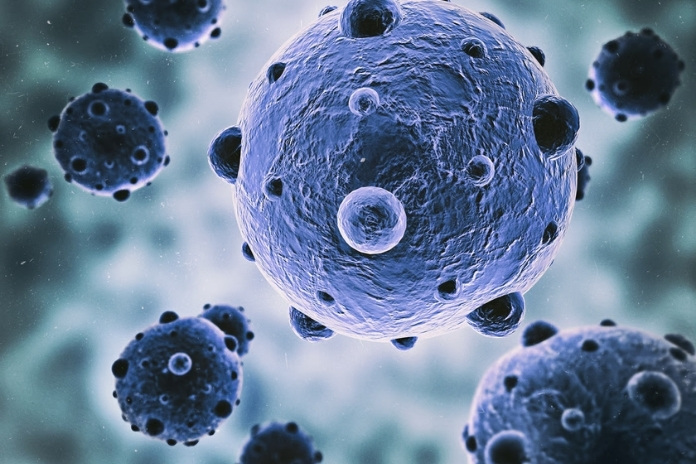
One of the biggest misunderstandings about cancer is the idea that the immune system somehow “misses” the tumor completely. Actually, the immune system notices abnormal cells all the time. The human body produces damaged and potentially cancerous cells regularly because DNA copying is never perfectly clean.
Most of these abnormal cells are quietly destroyed before they ever become dangerous. So the important question is not simply why cancer happens. The more accurate question is, why do some cancer cells survive long enough to escape immune control?
Cancer is not a passive disease. It changes itself under immune pressure. A tumor that becomes clinically visible is usually the result of years of biological selection, where the surviving cancer cells are the ones best adapted to avoid destruction.
Modern cancer immunology is now less focused on “boosting immunity” generally and more focused on understanding the exact tricks tumors use to stay alive and how cancer evades the immune system.
In this article, we will explore how the immune system normally identifies and eliminates abnormal cells, why some tumors successfully evade detection, and the sophisticated biological mechanisms cancers use to suppress immune attack.
- The immune system eliminates many abnormal cells, but some cancer cells evolve ways to avoid immune detection.
- Tumors escape immune attack by reducing antigen visibility, suppressing T cells through checkpoints like PD-L1, and creating an immunosuppressive tumor microenvironment.
- Constant tumor mutation produces resistant cell populations, which is why immunotherapies target immune escape mechanisms but may become less effective over time.
Read More: Belly Fat Affects Your Immune System, New Study Suggests
The Immune System Does Fight Cancer: Just Not Always Successfully
The immune system is not inactive against cancer. “Over half of cancer patients mount an immune response against their own cancer,” said hematologist Dr. Peter P. Lee, associate professor of hematology.
It continuously monitors tissues for abnormal behavior through a process called cancer immune surveillance. Certain immune cells, especially cytotoxic CD8+ T cells and natural killer (NK) cells, specialize in identifying cells that behave abnormally or produce unusual proteins.
DNA damage occurs naturally during normal cell division, from environmental exposures, inflammation, aging, radiation, smoking, infections, and even random replication mistakes. Some of those damaged cells begin moving toward cancer formation. Many are eliminated before they become clinically detectable.
The strongest evidence for this comes from immunodeficient animals and humans. Mice lacking adaptive immune systems develop much higher cancer rates, especially after carcinogen exposure. Similarly, organ transplant patients receiving long-term immunosuppressive drugs show a sharply increased risk of lymphomas, skin cancers, and virus-associated cancers.
“Our immune system is designed to recognize native and non-native cells that can harm us,” says Dr. Stephen Lynch, Intake Physician. “The problem is it doesn’t always work. Other times, it works against us.”
But immune surveillance creates a strange evolutionary pressure. The immune system kills weaker, abnormal cells first. The cancer cells that survive are usually the ones already having some escape ability.
Over many years, these surviving cells keep multiplying. Slowly, the tumor becomes filled with cells specially selected for immune evasion. That means advanced cancers are not random surviving cells. They are often the most immunologically evasive cells from millions of earlier failed cancer clones.
Strategy 1, Going Invisible: Hiding Cancer Identity From Immune Cells
For a T cell to kill a cancer cell, it first needs evidence that something abnormal exists inside that cell. This evidence is displayed through proteins called MHC class I cancer molecules. Every normal cell constantly presents tiny fragments of internal proteins on its surface using MHC class I. T cells patrol tissues, checking these molecular displays.
If the fragments appear abnormal, mutated proteins, viral proteins, or damaged proteins, the immune cell attacks. This system is extremely important because T cells cannot directly see inside cells. They depend entirely on these displayed molecular fragments. Many cancers learn to interfere with this display mechanism.
Some tumors reduce MHC class I production. Others damage the antigen-processing machinery itself, so abnormal proteins never reach the cell surface. Some cancers selectively stop displaying the most immunogenic tumor antigens while still showing enough normal proteins to avoid suspicion. The result is functional invisibility.
This creates one of the biggest paradoxes in cancer immunology. The more aggressive the immune pressure becomes, the stronger the selection for tumor cells that can hide successfully. Immune escape, therefore, becomes an evolutionary advantage.
There is another important complication. Complete loss of MHC class I should theoretically activate NK cells because NK cells are designed to detect “missing self” signals. But cancers adapt around this, too.
Some tumors partially reduce MHC molecules rather than removing them entirely, enough to avoid T cells but still preventing NK cell activation. So cancer often survives not through one perfect trick, but through balancing multiple escape pathways carefully.
Loss of antigen presentation is also one major reason some immunotherapies fail. Checkpoint inhibitor drugs depend on T cells recognizing tumor proteins. If the tumor stops displaying those proteins properly, releasing the immune brakes may not help much.
Strategy 2, Pulling the Brakes: Exploiting Immune Checkpoints
The immune system has another big problem besides killing dangerous cells. It also must avoid damaging healthy tissues. Because of this, the body has safety brakes called immune checkpoints. These checkpoints stop the immune system from becoming overactive.
One of the most important checkpoint systems is the PD-1 and PD-L1 pathway. PD-1 is present on activated T cells. PD-L1 exists on many normal cells. When PD-L1 binds with PD-1, the T cell gets a signal to slow down or stop attacking. Normally, this protects the body from autoimmune damage.
Cancer cells learned to use the same mechanism for survival. Many tumors produce very high PD-L1 on the surface. So when T cells enter the tumor area, they receive a “do not attack” signal. T cells become inactive even after recognizing abnormal cancer proteins.
This part is important because many people think cancer grows because immune cells are absent. Actually, in many tumors, immune cells are present physically. The problem is they are biologically switched off.
Long exposure to the tumor also creates something called T-cell exhaustion. T cells keep seeing tumor antigens again and again for months or years. Slowly, they lose strength. They divide less, release weaker inflammatory signals, and become less effective killers. Tumor basically wears the immune system down slowly. This is where checkpoint inhibitor drugs changed cancer treatment.
Medicines like pembrolizumab and nivolumab block PD-1 or PD-L1 interaction. They remove the brake signal and allow T cells to attack again. An important thing: these drugs do not directly kill cancer cells like chemotherapy does. They are reactivating the suppressed immune response already present inside the body.
Strategy 3, Building a Fortress: The Tumor Microenvironment
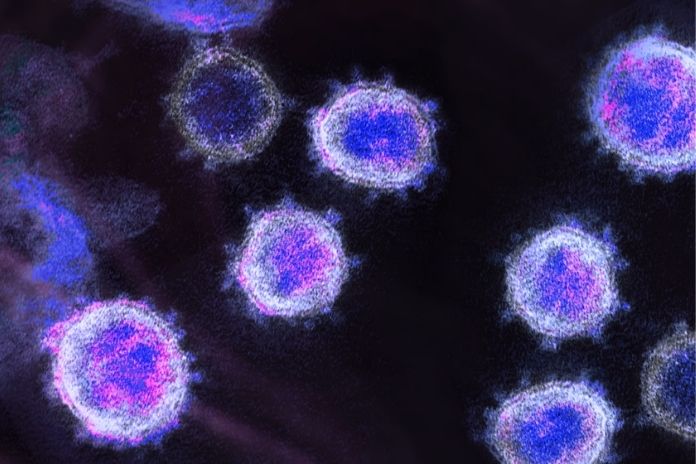
Tumors are not just masses of malignant cells. They are entire ecosystems. This ecosystem is called the tumor microenvironment (TME), and it includes blood vessels, fibroblasts, immune cells, structural proteins, signaling molecules, metabolites, oxygen gradients, and inflammatory chemicals surrounding the tumor.
Cancers actively reshape this environment for survival. Many tumors recruit regulatory T cells (Tregs), which normally exist to prevent autoimmune disease. Inside tumors, these cells suppress anti-cancer immune responses. They release inhibitory cytokines and reduce killer T-cell activity.
Tumors also attract myeloid-derived suppressor cells (MDSCs), which interfere with normal immune signaling and block T-cell activation. Macrophages inside tumors often become converted into tumor-supportive forms called M2-like macrophages. Instead of attacking cancer, these cells help tissue remodeling, blood vessel formation, and immune suppression.
Basically, the tumor turns parts of the immune system into helpers. Another thing many articles do not explain properly is the metabolism inside the tumor area. Immune cells need energy, glucose, oxygen, and amino acids, all these for proper attack function.
But tumors consume glucose aggressively and create low-oxygen acidic environments through altered metabolism. T cells entering this environment may literally lack sufficient fuel to function properly. So in many cancers, immune suppression is not only signaling-based. It is also physical and metabolic.
Some tumors even create dense fibrotic tissue barriers, preventing immune cells from penetrating deeply into cancer regions. Pancreatic cancer is especially known for this highly resistant stromal environment.
This explains why simply increasing immune activity sometimes fails. So the tumor microenvironment acts like a defensive fortress. Not only does it hide cancer, but making surrounding conditions hostile to immune attack itself.
Strategy 4, Constant Change: Tumor Heterogeneity and Immune Escape
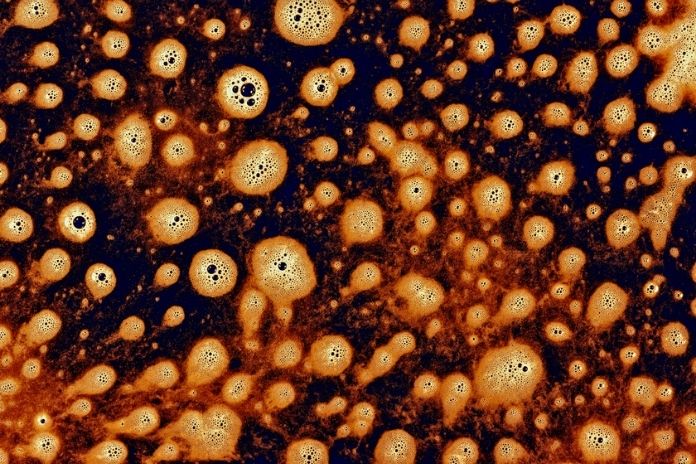
Tumors are not made from identical cells. Cancer cells keep mutating continuously. Over time, this creates many genetically different subgroups inside the same tumor. This is called tumor heterogeneity. This matters enormously for immune escape. Suppose the immune system recognizes one tumor antigen effectively. Cells carrying that antigen may be destroyed.
But another subgroup lacking that antigen survives and expands. Over time, immune pressure selects for increasingly evasive populations. This process resembles Darwinian evolution happening inside the body. The tumor does not need every cell to evade immunity equally. It only needs some cells capable of surviving.
Those resistant populations eventually dominate. This also explains treatment resistance: why some patients respond very well to immunotherapy initially, but later cancer returns. Remaining tumor cells adapted under treatment pressure and developed newer escape mechanisms.
The immune system itself unintentionally contributes to this selection process. Stronger immune attacks can create stronger pressure, favoring resistant variants. So cancer progression is not a static disease growth. It is an ongoing biological adaptation.
Read More: 7 Ways You Could Be Weakening Your Immune System
What This Means for Treatment: Why Immunotherapy Works When It Does
Modern immunotherapy exists because scientists stopped asking only how to kill cancer directly and started asking how tumors suppress immunity. Checkpoint inhibitors target PD-1/PD-L1 signalling and restore exhausted T-cell activity. CAR-T therapy genetically engineers patient T cells to recognize tumor proteins more aggressively and independently.
Cancer vaccines aim to train immune recognition against tumor-specific neoantigens. Some newer treatments target the tumor microenvironment, also. Researchers are trying to block Tregs, suppressive immune cells, tumor metabolism, and fibrotic barriers together. But immunotherapy still does not work for everyone.
Tumors with high mutation burdens often respond better because they produce more abnormal proteins for immune recognition. Some cancers are considered “hot tumors” with heavy immune infiltration, while others are “cold tumors” where immune cells barely enter.
Researchers also learned one important thing. Blocking only one escape pathway may not be enough. Tumor may use antigen hiding, PD-L1 suppression, metabolic exhaustion, and immune cell recruitment altogether.
This is why cancer immunotherapy research is increasingly moving toward multi-target strategies rather than one-drug solutions. The challenge is not only activating immunity. It is overcoming several layers of tumor defense at the same time.
Read More: 8 Natural Ways to Reduce Recurrent Infections and Support Your Immune System
Conclusion
The immune system is not weak in fighting against cancer. In many ways, the existence of cancer proves how strong cancer immune surveillance already is, because only the most adaptable tumor cells survive long enough to become dangerous.
Modern immunotherapy works precisely because researchers now target these escape mechanisms directly. But cancer continues evolving under treatment pressure, which is why long-term control remains difficult and why combination immunotherapy is becoming central to future cancer research.
- The immune system destroys many abnormal cells daily through cancer immune surveillance, but surviving tumor cells are often those already adapted for immune escape.
- Loss of MHC class I antigen presentation allows cancer cells to become partially invisible to T cells.
- PD-1 and PD-L1 immune checkpoints are normal protective systems that tumors hijack to suppress immune attack.
- The tumor microenvironment actively suppresses immune cells through metabolic stress, regulatory immune cells, and inflammatory signaling.
- Scientists still do not fully understand why some tumors remain permanently sensitive while others rapidly evolve resistance.
FAQs
1. Why can’t the immune system destroy cancer?
The immune system cannot fully destroy cancer because tumor cells develop immune evasion mechanisms. These include reduced antigen presentation, expression of inhibitory signals like PD-L1, and creation of a suppressive tumor microenvironment, allowing resistant cancer cells to survive and proliferate.
2. Does a strong immune system prevent cancer?
No, a strong immune system does not completely prevent cancer, although it reduces overall risk. Cancer cells use specific molecular strategies to evade immune system cancer detection, so general immune health cannot fully block tumor development or progression in all cases.
3. What is an immune checkpoint in cancer?
An immune checkpoint in cancer is a regulatory pathway that limits immune activity to prevent tissue damage. Tumors exploit checkpoints like PD-1/PD-L1 to suppress T cells, and checkpoint inhibitor therapies block this interaction to restore anti-tumor immune responses.
References
- Aptsiauri, N., Cabrera, T., Garcia-Lora, A., & Garrido, F. (2012). Cancer immune escape: implications for immunotherapy, Granada, Spain, October 3–5, 2011. Cancer Immunology, Immunotherapy, 61(5), 739–745.
- Rogers, L. M., Olivier, A. K., Meyerholz, D. K., & Dupuy, A. J. (2013). Adaptive Immunity Does Not Strongly Suppress Spontaneous Tumors in a Sleeping Beauty Model of Cancer. The Journal of Immunology, 190(8), 4393–4399.
- Scott, E. N., Gocher, A. M., Workman, C. J., & Vignali, D. A. A. (2021). Regulatory T Cells: Barriers of Immune Infiltration Into the Tumor Microenvironment. Frontiers in Immunology, 12.
- Thomas, M. (2025, March 17). Beyond chemo: The shift toward multi-pronged cancer treatment. Drug Discovery World (DDW).
- Wu, X., Li, T., Jiang, R., Yang, X., Guo, H., & Yang, R. (2023). Targeting MHC-I molecules for cancer: function, mechanism, and therapeutic prospects. Molecular Cancer, 22(1).
In this Article