



















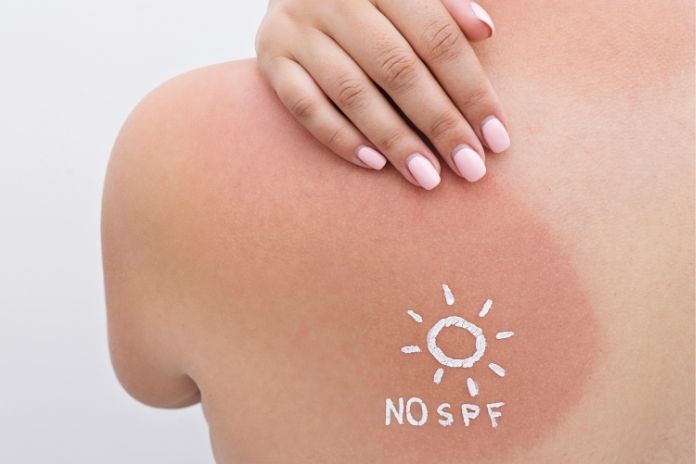
What happens when you skip sunscreen is usually invisible at first. That is why many people underestimate it badly. Skin does not suddenly wrinkle in one afternoon. No immediate dramatic damage on most days. But underneath the skin, damage already starts within minutes of UV exposure.
UV radiation affects skin in layers and phases. Some damage due to not wearing sunscreen happens instantly. Some build silently for years before becoming visible. Some damage to the body is repaired partially by itself. Some stay permanently because repair mechanisms for sunburn skin damage are not perfect.
UV radiation changes DNA, weakens immune surveillance in skin, activates collagen-destroying enzymes, damages blood vessels, disrupts pigment regulation, and accelerates cellular aging itself.
Cumulative UV dose across decades becomes biologically significant. That cumulative nature is what makes sunscreen one of the few skincare products dermatologists treat almost like preventive medicine instead of a cosmetic product.
- Skipping sunscreen increases the risk of tanning or sunburn.
- UV radiation starts damaging skin cells within minutes through DNA injury, free radical production, collagen breakdown, and immune suppression. This damage builds slowly over the years.
- The result is earlier wrinkles, rough texture, pigmentation, enlarged pores, thinner skin, and a much higher risk of skin cancers.
Read More: Sunscreen Myths Debunked: Protecting Skin Under Changing Climate
What Happens in the First Hour: Damage Starts Before Skin Looks Red

Within minutes of UV exposure, UVB radiation starts interacting directly with DNA inside skin cells. UVB photons create structural abnormalities called cyclobutane pyrimidine dimers. Basically, the DNA strand gets distorted. These mutations are important because if repair systems fail, damaged cells may survive with permanent genetic errors.
The body does have repair enzymes for this. But repair capacity is limited. Also, not every mutation gets corrected perfectly. This is why cumulative UV damage matters so much. Skin damage is partly the accumulation of imperfect repairs over time.
UVB mostly affects the upper skin layers and causes sunburn. UVA penetrates deeper into the dermis, where collagen and elastin fibers exist. UVA generates reactive oxygen species, unstable molecules that damage proteins, membranes, mitochondria, and connective tissue. This process is invisible.
A person may feel absolutely nothing while collagen damage is already beginning underneath. One reason dermatologists worry more about UVA than many people realize is that UVA exposure happens even without obvious sun intensity. Clouds block some UVB. But UVA still passes through significantly. Around 95% of UVA can still penetrate cloud cover.
Glass blocks much UVB but not UVA effectively. This means car windows and office windows do not fully protect skin from photoaging damage. That is why people sometimes develop asymmetrical aging patterns. Long-term drivers may show more hyperpigmentation and wrinkles on the window-exposed side of the face.
Another thing starts early during UV exposure: immune suppression. Skin contains immune cells called Langerhans cells, which help identify abnormal or damaged cells. UV radiation suppresses these immune functions. This matters because immune surveillance helps destroy potentially cancerous cells before they grow further.
“When you’re exposed to ultraviolet radiation, there’s a repair process that goes on constantly in each one of your exposed cells,” says Dr. Stephen I. Katz, an immunodermatologist.
So, the long-term effect of not wearing sunscreen and UV exposure is not only damaging DNA. It also weakens the skin’s ability to monitor and remove damaged cells properly. This combination is one reason UV radiation is considered a complete carcinogen.
What Your Skin Tries to Do After UV Exposure
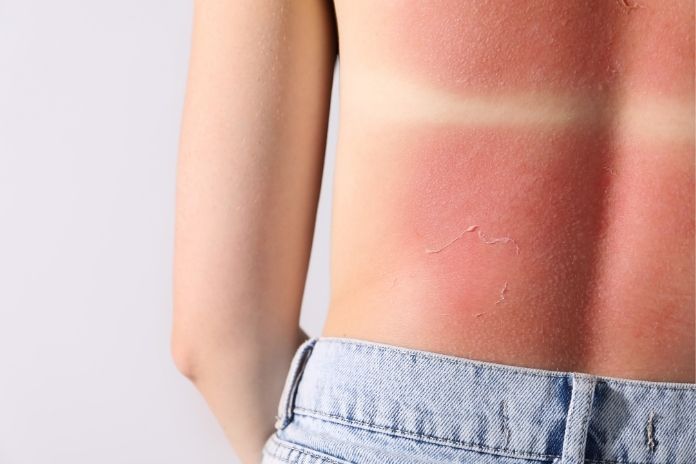
Tanning itself is actually a damage response. Many people still think tanning means skin becoming healthier or stronger. But melanin production increases because skin detects DNA stress from UV exposure. Tanning is basically a protective reaction that happens after damage has already started.
Melanin tries to absorb and scatter UV radiation to reduce further injury. But protection is incomplete. This is why “I tan but don’t burn” is not meaningful protection biologically. UVA damage, oxidative stress, and collagen breakdown continue regardless of visible burn.
After UV exposure, skin also increases inflammatory signaling. Blood vessels dilate. Repair enzymes activate. Antioxidant reserves start getting used up. If exposure becomes too intense, an inflammatory response becomes visible as sunburn. Sunburn is basically an acute radiation injury to skin tissue.
Repeated sunburns matter disproportionately because severe inflammation increases mutation burden more aggressively than mild exposure alone. This is especially relevant for melanoma risk.
What Builds Slowly Over Years of Skipping Sunscreen Everyday

The long-term damage from not wearing sunscreen looks very different from the immediate UV effects. Years of unprotected exposure gradually change the architecture of the skin itself. One major process is collagen degradation. UV exposure activates matrix metalloproteinases, called MMPs. These enzymes break down collagen fibers in the dermis.
Each unprotected exposure temporarily increases MMP activity. The problem is that collagen rebuilding is slower than collagen destruction. Over the years, skin gradually loses structural support. This is why photoaged skin develops wrinkles, sagging, enlarged pores, and rough texture earlier than protected skin.
The photoaging effects of not wearing sunscreen are not the same as natural aging. Chronological aging happens because cells age biologically over time. Photoaging is specifically UV-induced structural deterioration layered on top of normal aging.
Two people of the same age can therefore have very different skin aging depending on cumulative UV exposure. Photoaged skin also develops abnormal elastin accumulation called solar elastosis. Instead of healthy elastic fibers, thick, dysfunctional elastin material builds inside the dermis. Skin starts looking leathery and uneven.
One detail many people ignore is how UV changes skin texture before wrinkles become obvious. Early photoaging often appears first as:
- Rough texture
- Enlarged pores
- Dullness
- Uneven pigmentation
- Loss of skin brightness
- Crepey appearance near the eyes
These changes happen because UV affects how skin renews itself and how light reflects from the surface. Repeated UV exposure also weakens barrier function. Ceramide production decreases.
Water escapes more easily from skin. Skin becomes simultaneously dry and reactive. Many people think their skin is a “sensitive type” naturally, but chronic UV exposure itself can increase sensitivity over the years.
Pigmentation changes also accumulate. UV radiation stimulates melanocytes to produce melanin. Over time, repeated stimulation becomes uneven. Some melanocytes become overactive in patches. This creates solar lentigines, commonly called “sun spots” or “age spots.”
Unlike temporary tanning, these pigment clusters become persistent. They usually darken and multiply gradually with age. Pigmentation damage often appears years after the original UV exposure that triggered it.
Read More: 10 Recommended Sunscreens for Women’s Daily Protection
Why Daily Small Exposure Matters More Than People Think

People focus too much on vacations and beach days. Those matter, yes. But ordinary daily exposure matters more than many realize because of frequency. Five minutes of walking outside daily feels harmless psychologically. But repeated every day for decades, cumulative exposure becomes substantial.
Dermatologists sometimes describe UV exposure like depositing small amounts into a long-term damage account. Skin keeps a cumulative record. Driving regularly without sunscreen is one example often ignored. UVA penetrates side windows strongly enough to contribute to pigmentation and photoaging over the years.
Outdoor lunches, balcony sunlight, errands, and sitting near windows are individually minor but collectively important. This is why sunscreen studies show benefit even in people not spending large amounts of recreational time outdoors.
Also, UV intensity varies less dramatically than people assume. Many cloudy days still deliver significant UVA exposure. Cold weather does not automatically mean low UV either. People often judge UV risk emotionally based on heat sensation. But UV radiation and temperature are not the same thing.
Read More: Sunscreen Myths Debunked: Protecting Skin Under Changing Climate
The Cancer Risk That Builds Quietly
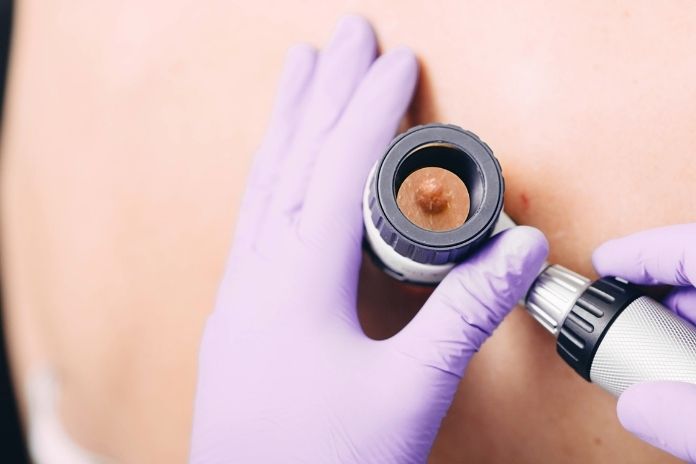
Skin cancer develops through cumulative mutations and immune suppression over time. Basal cell carcinoma, squamous cell carcinoma, and melanoma all have strong UV associations, though patterns differ slightly. Squamous cell carcinoma correlates strongly with cumulative long-term exposure.
Melanoma is more related to intermittent intense UV exposure and repeated sunburns, especially earlier in life. One reason melanoma becomes dangerous is that mutations accumulate silently for years before a visible lesion appears. UV radiation contributes to multiple stages:
- Causing DNA mutations
- Suppressing immune detection
- Increasing oxidative stress
- Promoting abnormal cell survival
Actinic keratoses are another important sign of chronic UV damage. These rough, scaly patches are considered precancerous lesions because some progress into squamous cell carcinoma. Many people mistake them for ordinary dry skin.
Research consistently shows sunscreen reduces actinic keratoses and squamous cell carcinoma risk. Evidence for sunscreen and melanoma or skin cancer prevention also exists, especially with long-term consistent use.
The Biggest Myths That Keep People From Using Sunscreen
One common myth is “darker skin does not need sunscreen.” Darker skin has more melanin protection naturally, yes. But UVA-induced collagen damage, pigmentation disorders, and DNA injury still occur. Skin cancer rates may be lower in darker skin, but delayed diagnosis often makes outcomes worse.
Another myth is “inside the house means safe.” Again, UVA penetrates windows. Not the same exposure as direct outdoor sunlight, but still relevant, especially near windows for long hours daily. Many people also think antioxidants replace sunscreen. They do not.
Vitamin C, carotenoids, and polyphenols may help reduce oxidative stress after UV exposure. But they do not block UV photons from hitting DNA initially. Sunscreen prevents radiation penetration itself. Completely different mechanism.
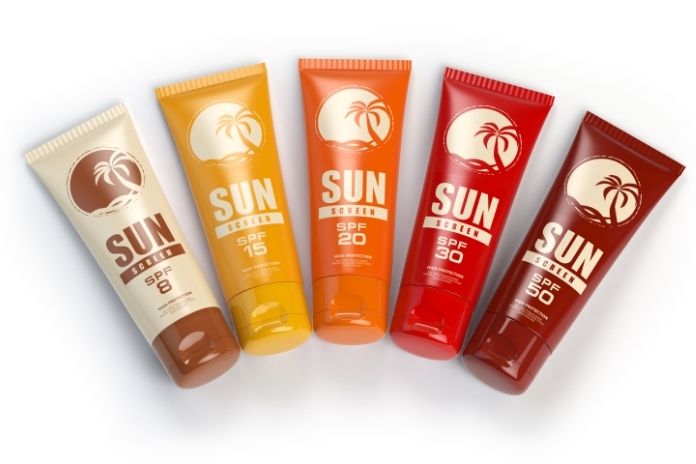
Another misunderstanding is SPF numbers. People assume SPF 50 gives more protection than SPF 30 dramatically. The difference exists but is smaller than expected. SPF 30 blocks around 97% UVB and SPF 50 blocks around 98%.
Dr. Gaurav Garg, a consultant dermatologist, recommends a minimum of SPF 30, as 90% of visible skin aging is caused by sun exposure, and UVA rays easily penetrate glass, meaning indoor exposure still contributes to dullness. Application amount matters more. Most people apply much less sunscreen than required for labeled SPF protection.
Read More: Can You Use Face Sunscreen on Your Body? What Dermatologists Suggest
Conclusion
Skipping sunscreen every day is a repeated biological stress on the skin tissue. Every unprotected UV exposure triggers DNA damage. Most of this damage stays invisible for years. That invisibility is exactly why cumulative damage becomes underestimated.
Wrinkles, rough texture, pigmentation, enlarged pores, sagging, and many skin cancers are not random aging events alone. They are a partial history of long-term UV exposure stored inside the skin. Broad-spectrum SPF 30 sunscreen interrupts these damage pathways before they accumulate further.
- UV damage begins within minutes, even before tanning or redness appears, meaning “no burn” does not equal “no damage.”
- UVA exposure through windows may contribute significantly to long-term pigmentation and collagen damage in daily life.
- Photoaging changes often appear earlier than deep wrinkles in chronic sunscreen skippers.
- Many antioxidant skincare products reduce oxidative stress but cannot prevent initial UV-induced DNA injury without sunscreen.
- Scientists still do not fully understand why some individuals develop severe photoaging with relatively moderate exposure.
FAQs
1. Is skipping sunscreen really that bad?
Skipping sunscreen occasionally is not catastrophic, but repeated unprotected UV exposure causes cumulative skin damage. Each exposure contributes to DNA injury, collagen breakdown, and oxidative stress, which, over time, leads to premature aging and increased risk of skin cancer.
2. What does UV damage look like on skin?
UV damage to the skin appears initially as tanning, dullness, rough texture, and uneven pigmentation. Over time, it progresses to wrinkles, sagging, enlarged pores, and sun spots, while severe chronic exposure can lead to precancerous lesions and skin cancer.
3. What SPF should I use daily?
Daily sunscreen should be at least broad-spectrum SPF 30 to provide adequate protection against UVA-UVB radiation and skin damage. Higher SPF offers marginally more protection, but the correct quantity and regular reapplication are critical for maintaining effective sun protection.
References
- Cleveland Clinic. (2022, November 16). Ultraviolet (UV) Radiation: What It Is & Its Effect on Your Skin.
- Hughes, M. C. B., Williams, G. M., Baker, P., & Green, A. C. (2013). Sunscreen and Prevention of Skin Aging. Annals of Internal Medicine, 158(11), 781.
- Quan, T., Qin, Z., Xia, W., Shao, Y., Voorhees, J. J., & Fisher, G. J. (2009). Matrix-Degrading Metalloproteinases in Photoaging. Journal of Investigative Dermatology Symposium Proceedings, 14(1), 20–24.
- Sander, M., Sander, M., Burbidge, T., & Beecker, J. (2020). The Efficacy and Safety of Sunscreen Use for the Prevention of Skin Cancer. Canadian Medical Association Journal, 192(50), E1802–E1808. National Library of Medicine.
In this Article