













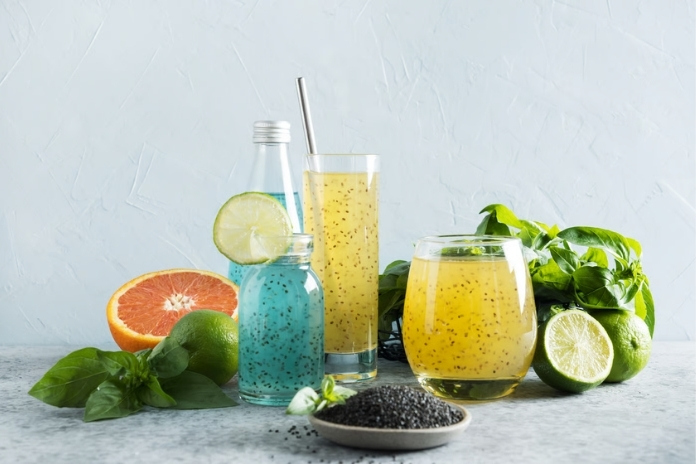
Functional drinks are everywhere now. Earlier, it was just cola, juice, maybe an energy drink. Now the full shelf is functional beverages, prebiotic soda, adaptogen drinks, nootropic cans, collagen water, and electrolyte mixes. The market is already around $165 billion and growing fast. But the problem is simple: the label is promising more than what is inside sometimes.
Some ingredients have strong science behind them. Some have partial support. Some just sound scientific but have not been proven in real-world use. And the biggest confusion is you cannot see this difference easily on the packaging. Same clean design, same words: “gut health,” “focus,” “calm,” and “recovery.”
So the question is not “are functional drinks good or bad”. The question is, which one is actually effective and which one is just an idea?
- Functional drinks are not all equal. Caffeine and electrolytes have strong evidence.
- Prebiotics, protein, and L-theanine have moderate evidence; dose matters.
- Adaptogens, collagen, and CBD drinks are often underdosed or misused. Biggest rule: the ingredient is not enough, the dose decides everything.
What “Functional” Actually Means, And What It Doesn’t
Let us first understand, what are functional drinks? “Functional drink” sounds like a scientific category, but it is not. It is a marketing label. No strict definition. Companies can use it freely as long as they follow the general food or supplement rules. “Functional beverages are a great way to supplement your diet with nutrients or compounds you might not get enough of otherwise,” says Dr. Niby Mathew, a primary care provider.
There are two types of claims mostly:
- Structure/function claims → “supports immunity,” “helps digestion,” “promotes calm”
- Disease claims → “reduces anxiety,” “treats IBS”
The second type needs strong clinical proof and regulatory approval. So brands avoid it. They stay in the first category, which needs only reasonable evidence, not proof. So when a bottle says “supports gut health,” it does not mean it has proven clinical impact. It means the wording is legally safe.
This is why many people feel confused. The product is not lying exactly. But also not being entirely truthful. Language is designed to suggest benefit without needing to prove it fully. Understanding this one point changes how you read every label.
The Dose Problem: The Most Important Thing No One Mentions

This is the biggest gap between science and product. Not an ingredient. Dose.
Most articles mention ingredients such as ashwagandha, L-theanine, and prebiotic fiber. But these very articles do not inquire about about how much of these ingredients exist in the drink.
- Ashwagandha research → 300–600 mg daily for weeks
- Many drinks → 50–150 mg
- L-theanine research → 100–200 mg (with caffeine)
- Many drinks → ~50 mg
- Prebiotic fiber research → 5–10 grams per day
- Many sodas → 2–3 grams
So the ingredient is correct. Science is correct. But the product is underdosed. This doesn’t mean the effect is zero. But it means the effect may be too small to notice.
One major case showed this clearly. A popular prebiotic soda brand faced legal issues because its fiber content per can (~2g) was argued to be too low for the gut health benefits it was promoting. The case got settled, but the point became very clear: having an ingredient never means delivering its benefit. This is the most practical filter you can use. Check the dose. Compare with research. The decision becomes easier.
What Actually Works: A Tiered Evidence Review

Not all functional drinks are the same. Evidence is not equal. Some categories are solid. Some are normal. Some are mostly weak.
1. Strong evidence: Caffeine and electrolytes
Caffeine is probably the most proven functional ingredient in any drink. It works consistently. It improves focus, reaction time, and endurance and reduces fatigue. “In low doses, caffeine may help with depression,” said Dr. Nicole Clark, a neurologist. The reason is because caffeine “stimulates dopamine, which is a chemical in your brain that plays a role in pleasure motivation and learning.” The mechanism is also well understood. At around 3–6 mg per kg body weight, the effect is clear and repeatable. This is why energy drinks feel effective; they are. Not magic, just a well-studied compound.
Electrolytes also have a strong use case, but only in a specific situation. If you are doing long-duration exercise (more than 60–90 minutes) and sweating heavily, then sodium and potassium replacement matter. It improves performance and prevents imbalance.
But for normal daily use? Sitting, light activity? Then electrolyte drinks are mostly unnecessary. Water works the same. So the product is valid, but the context is missing in marketing.
2. Moderate evidence: Prebiotic fiber, protein, L-theanine with caffeine
Prebiotic fiber has a real effect on gut bacteria. It feeds beneficial microbes. This is supported by multiple studies. But again, dose matters. Around 5 grams or more daily is where the effect becomes meaningful. Some drinks reach near that if consumed regularly. Many do not.
Protein drinks also have solid backing. Around 20–30 grams of protein supports muscle recovery and increases satiety. Especially useful after resistance training. But if someone is just drinking protein casually without activity, then it becomes just extra calories. Benefit depends on context.
L-theanine with caffeine is an interesting combination. It improves focus while reducing jitteriness from caffeine. But only when the dose is proper, around 100–200 mg L-theanine with moderate caffeine. Many drinks include both, but at lower levels, so the effect becomes mild.
What’s Mostly Marketing: The Weaker Evidence Categories
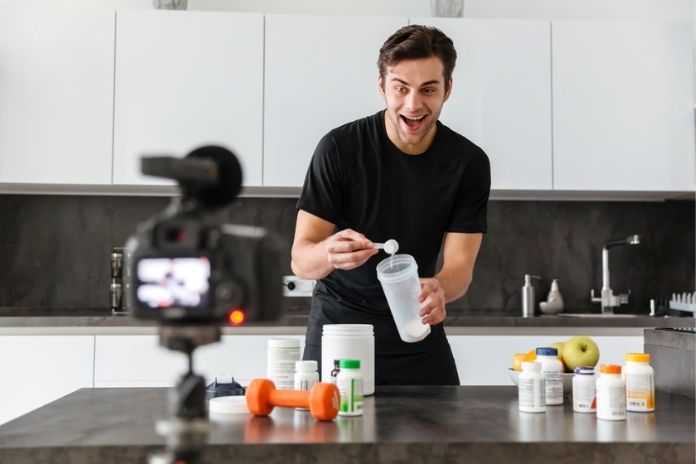
This is where much of the confusion comes from. Adaptogen drinks are a clear example. Ingredients like ashwagandha, rhodiola, and mushroom extracts do have research behind them—but that research is based on consistent daily intake over weeks, not a single dose.
Drinking one “calm drink” with 75 mg of ashwagandha isn’t going to meaningfully reduce stress hormones in the moment. That’s not how the body works.
Collagen drinks also have a similar story. Evidence exists for skin elasticity improvement, but only at 2.5–10 grams daily for 8+ weeks. Many drinks contain lower amounts and are not consumed consistently enough. So, the real-world benefit becomes questionable. CBD drinks have faced regulatory pushback in some regions for making “calmness” claims without sufficient evidence at typical beverage doses. So the pattern is clear: science exists → but usage format does not match science. That is the gap.
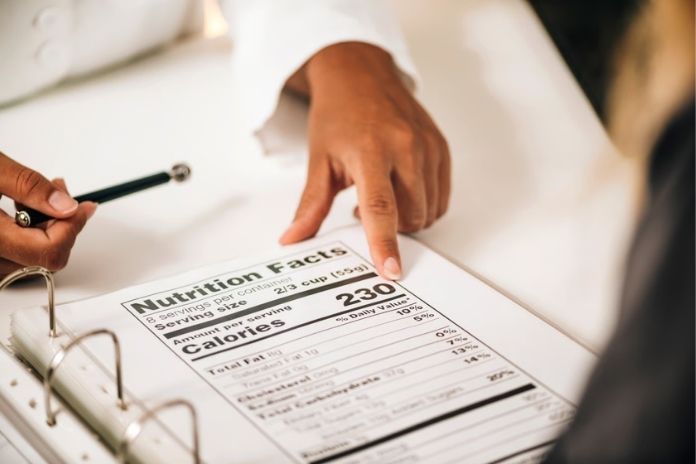
How to Read a Functional Drink Label: What to Look For and What to Avoid

If you want to make a smart choice, label reading is enough. Look for:
- Exact ingredient name (not vague “blend”)
- Clear mention of dosage
- Dosage close to the research range
- Third-party certification (quality check)
- Specific claims, not generic wellness language
- Low sugar (important, but it is ignored often)
Avoid:
- Proprietary blends without quantities
- Words such as “balance,” “vitality,” “wellness support”
- Very high sugar content in “health drinks”
- Heavy branding, celebrity focus, low formulation detail
- Single-serving products for ingredients that need long-term intake
If the label is transparent, the product is usually more serious. If the label is vague, the product is usually more about marketing.
Read More: 6 Fermented Drinks You Should Drink for Gut Health (Backed by Evidence)
The Categories Worth Knowing: 2025 Landscape

Some categories are growing very fast now:
- Prebiotic sodas → good idea, but dose-dependent
- Functional energy drinks (clean label) → caffeine works, vitamins mostly extra
- Adaptogen drinks → interesting ingredients, weak delivery format
- Electrolyte mixes → useful for athletes, unnecessary for daily use
- Non-alcoholic functional drinks → useful as a replacement, not necessarily for health benefits
Important thing: the success of a category does not equal effectiveness. Market growth is driven by convenience and perception also.
Read More: Can Beverages Replace Supplements? What the Science Says About Getting Nutrients From Drinks
When Are They Worth It? A Practical Framework

Functional drinks make sense in a few situations:
- The ingredient is at a meaningful dose
- You have a specific goal (focus, recovery, endurance)
- It replaces something worse (soda, alcohol, sugary coffee)
They are not worth it when:
- Used as a shortcut for sleep, stress, and diet
- Replacing whole foods unnecessarily
- Buying based on branding, not label
- Expecting quick effect from long-term ingredients
In many cases, simple options such as water, tea, or coffee already cover most benefits at a lower cost.
Read More: 5 Evidence-Based Anti-Inflammatory Drinks to Try This Week
Final Thoughts
Functional drinks aren’t fake, but not fully honest either. Some products are genuinely useful, and some are partially. Some are just well-designed packages with small amounts of trending ingredients.
Check the drink or product for its ingredients, their doses, and the way claims are worded; this is where most of what actually matters becomes clear.
That small habit separates informed choice from marketing influence.
- The biggest research gap is not ingredient efficacy but real-world dosing in products.
- Regulatory language allows brands to suggest benefits without proving outcomes directly.
- Most consumers evaluate products by ingredient presence, not dose. This leads to wrong assumptions.
- Many functional drinks fail not because science is wrong, but because the delivery format is weak.
- There is limited long-term research on the daily consumption of mixed-ingredient beverages at commercial doses.
References
- Danessa, G., Notario, D., & Regina, R. (2025). Effects of collagen-based supplements on skin’s hydration and elasticity: A systematic review and meta-analysis. Indian Journal of Dermatology, Venereology and Leprology, 1–11.
- Łuszczak, J., & Kocki, J. (2025). Clinical evidence for the adaptogenic effects of Withania somnifera and Rhodiola rosea – A systematic review with molecular interpretation of psychometric outcomes. Annals of Agricultural and Environmental Medicine.
- Obayomi, O. V., Olaniran, A. F., & Owa, S. O. (2024). Unveiling the role of functional foods with emphasis on prebiotics and probiotics in human health: A review. Journal of Functional Foods, 119, 106337–106337.
- SHB. (2021). Pistachio Ice Cream Flavoring Claims Allowed to Proceed.
In this Article