



















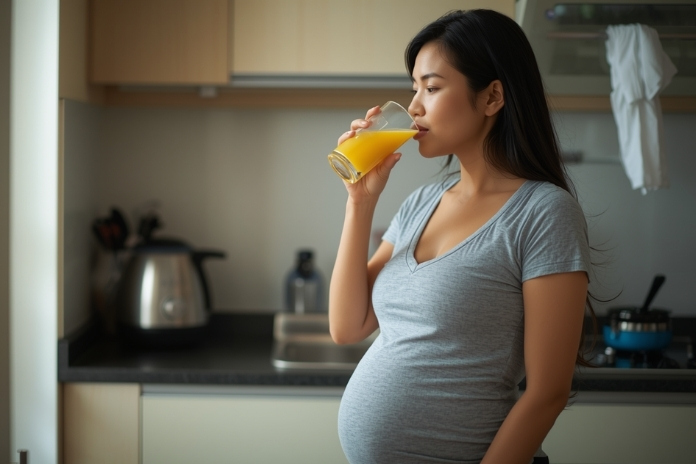
For many, mornings begin with a familiar choice: fresh orange juice or a comforting cup of coffee. But when it comes to orange juice vs. coffee during pregnancy, this everyday habit becomes more meaningful. While most advice focuses on caffeine and pregnancy, there’s another nutrient that often gets less attention but plays a far bigger role: folate.
Folate is essential for your baby’s early development, especially in forming the brain and spine, and low levels can increase the risk of serious birth defects. That’s why folate and pregnancy go hand in hand, making it important to include folate-rich foods in your daily diet. Orange juice, along with other citrus fruits, can naturally provide this vital nutrient.
On the other hand, coffee contains caffeine, which can cross the placenta and may affect your baby if consumed in high amounts, so moderation is key. Research also suggests that higher caffeine intake may be linked to lower folate levels, making this balance even more important.
So, while you don’t have to completely give up coffee, this article will help you understand why choosing folate-rich options, like orange juice, may matter even more during pregnancy.
- Folate-rich foods like orange juice support fetal brain and spine development, making them more important than caffeine for pregnancy health.
- Moderate coffee intake is safe within limits, but excessive caffeine may affect fetal growth and reduce folate levels.
- Balance is key. Prioritize nutrient-dense choices, manage caffeine intake, and support iron absorption for healthier pregnancy outcomes.
Why Folate Matters More Than Caffeine During Pregnancy
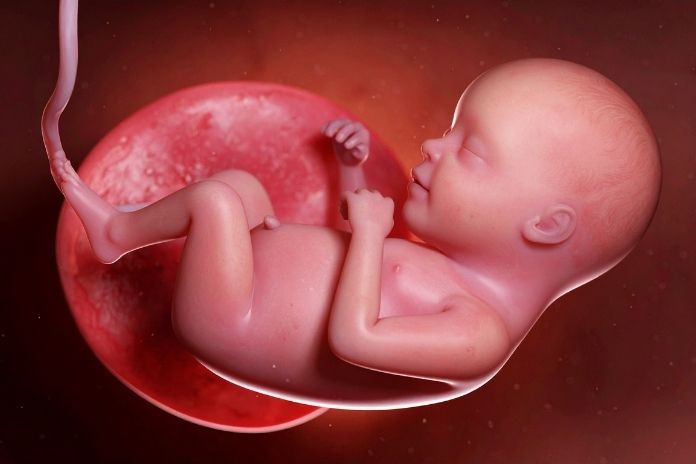
When thinking about diet in pregnancy, many people focus on caffeine and pregnancy, how much coffee is safe, and whether to cut back. While limiting caffeine is important, folate and pregnancy deserve even more attention.
Also known as vitamin B9 (folate), this nutrient plays a vital role in your baby’s early growth and development, offering lasting benefits that go far beyond the temporary alertness caffeine provides.
Folate’s Role in Fetal Development
Vitamin B9 (folate) is essential for the formation of the neural tube, which develops into the baby’s brain and spinal cord. This critical process happens very early in pregnancy, often before you even realize you’re expecting.
That’s why maintaining good folate levels from the beginning is so important. Folate also helps produce healthy red blood cells and supports overall tissue growth and development.
Experts recommend that pregnant women consume approximately 600 micrograms of folate daily through a combination of diet and supplements. Foods such as leafy greens, citrus fruits, beans, and fortified cereals are excellent sources that support folate and pregnancy needs.
What Happens When Folate Is Low
Folate deficiency in pregnancy can lead to serious complications, especially neural tube defects such as spina bifida and anencephaly, which affect the baby’s brain and spine.
In some cases, low folate levels may also increase the risk of anemia and other health concerns for the mother. While caffeine does not directly cause these problems, high intake may be linked to lower folate levels, making balance essential.
This is why focusing on consistent intake of vitamin B9 (folate) is far more important than relying on caffeine, ensuring healthier outcomes for both mother and baby.
Read More: Is It Safe to Follow a Vegan Diet During Pregnancy? What Experts Want You to Know
Orange Juice — A Natural Folate and Vitamin C Powerhouse

When considering the best drinks during pregnancy, orange juice stands out as a naturally nutrient-rich choice.
Known for the many benefits of orange juice in pregnancy, it provides essential vitamins and minerals that support both maternal health and fetal development. While it’s highly beneficial, it’s still important to consume it in moderation due to its natural sugar content.
Folate Content and Daily Contribution
Orange juice is a good source of vitamin B9 (folate), a key nutrient often included in prenatal vitamins. A single glass can provide a meaningful portion of your daily folate needs, helping support your baby’s brain and spinal development.
While whole oranges also offer folate along with fiber, fortified orange juices may deliver even higher amounts, making them a convenient option for meeting daily requirements. Including it in your diet can support consistent folate intake alongside supplements.
Boosting Iron Absorption
One of the most important benefits of orange juice in pregnancy is its role in vitamin C and iron absorption. The high vitamin C content helps your body absorb non-heme iron from plant-based foods and prenatal vitamins.
This is especially helpful in preventing pregnancy-related anemia, a common issue that can lead to fatigue and other complications. Drinking orange juice with iron-rich meals can significantly improve iron uptake.
Additional Nutrients and Hydration Benefits
Orange juice also contains potassium, which supports healthy blood pressure, and natural fluids that aid hydration, making it one of the best drinks during pregnancy.
Staying hydrated is essential for maintaining amniotic fluid levels and overall well-being. However, due to its natural sugar content, portion control is important, particularly for those managing gestational diabetes.
Read More: I Ate an Anti-Inflammatory Diet During Pregnancy — My OB Was Shocked
Coffee — The Caffeine Concern for Expecting Mothers

Coffee is a daily staple for many, but during pregnancy, it’s natural to wonder, can pregnant women drink coffee? The answer is yes, but with caution.
Understanding caffeine limits during pregnancy can help you enjoy your routine while protecting your baby’s health. The focus should be on moderation rather than complete avoidance.
How Caffeine Affects Pregnancy
Caffeine is a stimulant that increases heart rate and can act as a mild diuretic, which may lead to dehydration if consumed in excess. During pregnancy, the body metabolizes caffeine more slowly, meaning it stays in your system longer.
It can also cross the placenta, reaching the baby, whose body cannot process it effectively. High caffeine intake has been associated in some studies with risks such as miscarriage, preterm birth, and low birth weight, although evidence is not always consistent.
Because of these concerns, experts recommend following caffeine limits during pregnancy, generally no more than 200 mg per day, which is about 1 to 2 small cups of coffee.
The Folate Connection
Another important consideration is the link between caffeine and nutrient levels. Higher caffeine intake may contribute to lower folate levels due to its mild diuretic effect.
This is especially important in early pregnancy, when folate is essential in preventing neural tube defects, which affect the baby’s brain and spine.
Balancing moderate coffee consumption with a folate-rich diet helps support healthy development while allowing you to safely enjoy your daily cup.
Read More: Nutrition Essentials during Pregnancy: Building a Healthy Diet for You and Your Baby
Orange Juice vs. Coffee — Nutrient Comparison Table
A reader-friendly breakdown for quick visual clarity:
Nutritional Breakdown
Orange Juice vs. Coffee
| Nutrient/Effect | Orange Juice (1 cup) | Coffee (1 cup) | Impact on Pregnancy |
|---|---|---|---|
| Folate (B9) | ~45–55 mcg | 0 mcg | Supports neural tube development |
| Vitamin C | High | Minimal | Enhances iron absorption |
| Caffeine | 0 mg | ~95 mg | Excess may affect fetal growth |
| Iron Absorption | Boosted | Inhibited | Important for anemia prevention |
| Hydration | Good | Mildly dehydrating | Key for overall health |
Smart Morning Choices for Expecting Moms
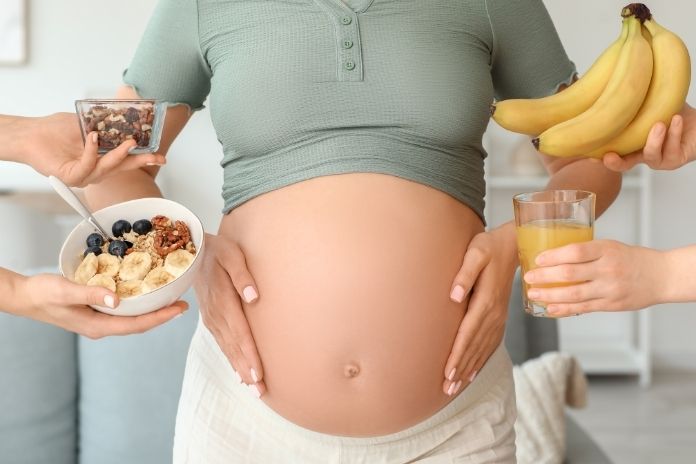
Mornings during pregnancy can feel challenging, especially with nausea, low energy, or changing food preferences.
Making smart choices, like deciding between orange juice vs. coffee during pregnancy, can help you start the day right while supporting your baby’s development. The focus should be on gentle, nourishing habits that balance comfort and nutrition.
Start with Gentle, Nutrient-Rich Options
If mornings feel overwhelming, begin with something light. A small glass (4–6 oz) of 100% orange juice or a fresh orange provides hydration along with key nutrients like folate and vitamin C.
These nutrients support early fetal development and contribute to spina bifida prevention, as folate plays a crucial role in forming the baby’s brain and spine. Smoothies with fruits, yogurt, and oats are also easy-to-digest and nutritious options.
Manage Your Coffee Intake Wisely
If you enjoy coffee, you don’t need to eliminate it completely. Stick to about 200 mg of caffeine per day. If you crave the taste or routine, try half-caf or decaf, or alternate days. This approach helps manage caffeine intake while still letting you enjoy your habits.
Balance Caffeine with Nutrient Intake
When you do drink coffee or tea, pair it with folate-rich foods like leafy greens, beans, or fortified cereals. This helps maintain nutrient balance and supports healthy pregnancy outcomes. Eating small, frequent meals can also ease nausea and maintain steady energy levels.
Listen to Your Body and Seek Guidance
Stay hydrated, avoid lying down immediately after eating, and monitor sugar intake, especially if you’re managing gestational diabetes. Always consult your healthcare provider about caffeine limits and supplements to ensure the best choices for you and your baby.
Dr. Carrie Ruxton, director of Salt St. Andrews, said, “Orange juice provides vitamin C and folate, both important during pregnancy.” Dr. Ruxton points to the dual benefits of orange juice: supporting folate levels and pregnancy while also improving iron absorption through vitamin C. This makes it a valuable addition to a balanced pregnancy diet.
Key Takeaway — Nourish, Don’t Just Energize

When it comes to orange juice vs. coffee during pregnancy, the real difference lies in what your body and your baby truly need. Coffee can give you a quick boost of energy, but it doesn’t provide the essential nutrients required for healthy fetal development.
On the other hand, orange juice offers important vitamins like vitamin B9 (folate) and vitamin C, which support your baby’s brain and spine development and help your body absorb iron more effectively.
During pregnancy, folate and pregnancy go hand in hand. Folate plays a critical role in preventing serious complications such as neural tube defects, especially in the early stages. While moderate caffeine intake is generally considered safe, it should never replace nutrient-rich choices. In fact, focusing only on caffeine and pregnancy can sometimes distract from the more important goal, ensuring consistent intake of vital nutrients.
The best approach isn’t about completely giving up coffee but about balance. Enjoy your cup if you like, but make sure your daily routine prioritizes foods and drinks that nourish both you and your baby.
Start your mornings smarter; choose nutrients first, energy second, and give your baby the healthiest possible beginning.
References
- Otake, M., Sakurai, K., Watanabe, M., & Mori, C. (2018). Association between serum folate levels and caffeinated beverage consumption in pregnant women in Chiba: the Japan Environment and Children’s Study. Journal of Epidemiology, 28(10), 414–419.
- Health tips for pregnant women. (2026, March 19). National Institute of Diabetes and Digestive and Kidney Diseases.
- Bedford Commons OB-GYN P.A. (n.d.). Obstetrics Archives – Page 2 of 2 – Bedford Commons. Bedford Commons.
- Greenberg, J. A., Bell, S. J., Guan, Y., & Yu, Y. (n.d.). Folic acid supplementation and pregnancy: more than just neural tube defect prevention.
- Healthy eating and vitamin supplements in pregnancy | RCOG. (n.d.). RCOG.
- Öhrvik, V., & Witthöft, C. (2008). Orange juice is a good folate source in respect to folate content and stability during storage and simulated digestion. European Journal of Nutrition, 47(2), 92–98.
- The micronutrients in orange juice. (n.d.). AIJN – European Fruit Juice Association.
- Worth, T. (2024, December 20). Orange juice benefits and nutrition. WebMD.
- Editor. (2026, February 20). Caffeine while pregnant. American Pregnancy Association.
- Coffee and caffeine use during pregnancy. (n.d.). Nemours KidsHealth.
- Woman & Child Care Hospital. (n.d.).
- Petals Health & Petals Health. (2025, December 8). Dealing with Morning Sickness: Safe and Nutritious Meal Ideas. Petals Health.
- Tommy’s. (2024). 5 easy breakfast ideas in pregnancy. Retrieved April 19, 2026,
- Mayo Clinic Staff. (2023, November 30). Pregnancy nutrition: Foods to avoid during pregnancy. Mayo Clinic. (mayoclinic.org)
In this Article