

















- A 2-minute walk after meals helps control blood sugar spikes and improves circulation.
- It reduces strain on your arteries and supports long-term heart health.
- Consistency matters more than intensity; small daily movements add up.
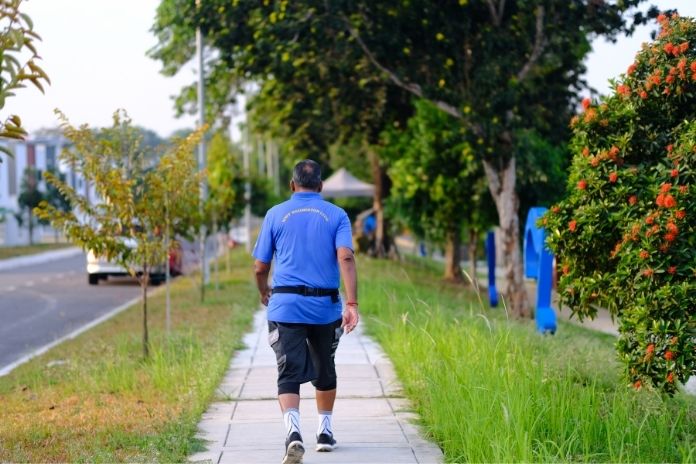
What if you could control your blood sugar and improve your heart health with just two minutes of exercise instead of spending hours at the gym? The “120-second rule” is a straightforward but effective habit that promotes cardiovascular and metabolic health by taking a 2-minute walk after meals, particularly lunch.
Emerging research shows that even brief activity can reduce post-meal blood sugar spikes, improve circulation, and support healthier blood vessels.
This article discusses the benefits of walking after lunch, the importance of timing, and how this little habit can help prevent long-term problems like diabetes and arterial damage.
Read More: The 6-6-6 Walking Routine: What It Is and How It Boosts Your Health
What Is the 120-Second Rule?
It can be tempting to rush to your next task immediately after a meal, whether you’re running to a post-lunch meeting or are eager to watch your favorite show after supper. However, setting aside even a small amount of time for a new pastime, such as walking after meals, can be quite advantageous.
“Going for a walk after a meal can deliver several major health benefits,” says Libbat-Tzion Shaham, MD, a board-certified family physician with Medical Offices of Manhattan.
After eating, even a short walk, whether indoors or outdoors, or another activity you enjoy can improve your physical and mental well-being.
The “120-second rule” refers to engaging in light physical activity, typically a 2-minute walk, after meals to support better metabolic responses. This type of post-meal micro-movement breaks up extended periods of sitting and improves your body’s ability to process meals.
This method prioritizes consistency over intensity, in contrast to conventional exercise guidelines that promote 30 to 60 minutes of moderate activity. The objective is to reduce postprandial glucose surges and improve circulation right after eating, not to burn calories.
What Happens in Your Body After You Eat

Your digestive system is very peculiar when you give it any thought. Fantastic, but strange. The fairly complex process of breaking down food into energy and nutrients, which are subsequently taken into our bloodstream and distributed throughout our bodies to help us attain and maintain good health, is called digestion.
The post-meal blood sugar surge, which usually peaks 60 to 90 minutes after eating, is a rise in blood sugar levels.
Several things occur when you stay seated right away after eating:
- Blood flow is slows down
- High glucose levels persist for longer periods
- Triglyceride levels rise after meals
- Insulin is works harder to exert its effects
Damage to the arteries causes heart disease, which ultimately affects the heart. It’s a common misconception that cholesterol sticks to arterial walls when blood cholesterol levels are high. No matter how high your blood lipid levels are, cholesterol cannot form a “plaque” without arterial wall damage.
Your arteries’ lining “wall” is harmed by an inflammatory reaction that occurs each time your blood sugar climbs. Atherosclerosis (hardening of the arteries) results when LDL particles become trapped beneath the damaged arterial lining.
The leading cause of any heart disease and stroke is atherosclerosis. At this point, the plaque continues to grow until it finally ruptures through the arterial wall, forming a clot that blocks blood flow. It is an example of a heart attack.
Read More: What Your Walking Speed Says About Your Health and Longevity
Why Just 2 Minutes of Walking Can Make a Difference
Everybody has spent hours at a desk, behind the wheel, or lounging on the couch. However, did you know that prolonged sitting can negatively affect your weight, blood sugar, and long-term health?
The good news? According to research, you may dramatically improve your health without going to the gym by breaking up your sitting time with just two minutes of mild walking every 20 to 30 minutes.
It might sound surprising, but even a 2-minute walk after meals can significantly impact your metabolism.
Walking for two minutes every twenty minutes considerably reduced the amount of time adults spent sitting for more than five hours:
- Increasing levels of the hormones GLP-1 and PYY, which help regulate blood sugar and appetite
- Not leading to overindulgence later in the day
- Not decreasing energy levels
It means that short walks not only burn calories but also help control hunger and blood sugar levels, which, over time, can help manage weight.
According to a comprehensive analysis of studies, taking light walking breaks:
- Lower blood sugar levels after eating
- Reduce insulin levels, helping prevent weight gain and lower diabetes risk
- Work better than simply standing up
How Short Post-Lunch Movement Supports Artery Health

The impact of walking after lunch on arterial health is among its most persuasive advantages.
Quick walks are beneficial to:
- Keep your blood vessels flexible
- Boost endothelial performance
- Reduce the stiffness of the blood vessels
- Encourage more even blood flow
High blood sugar levels may harm the inner lining of arteries. Even a 2-minute exercise session after meals can help reduce this harm by lowering postprandial hyperglycemia.
Better circulation also entails:
- Improved oxygen delivery
- Lowered stress on the heart
- Reduced plaque accumulation over time
Read More: The Power of “Awe Walks” – How Experiencing Wonder Can Reduce Stress
Additional Cardiometabolic Benefits Observed in Studies
Walking after meals for diabetes prevention has other advantages beyond blood sugar control:
Controls Blood Sugar: Walking after eating has several advantages, including the potential to lower blood sugar. Throughout the day, your blood glucose, or sugar, fluctuates. After eating, it rises, but it usually returns to normal in 2 hours. Walking after meals reduces blood sugar levels in healthy persons, according to a small study.
Enhances Heart Health and Circulation: Walking has several benefits for the heart. It has been demonstrated to improve circulation, lower blood pressure, and minimize risk of heart disease, in addition to helping you control blood sugar.
Encourages Weight Control: Walking can help you reach a healthy weight. By burning calories, the low-impact aerobic exercise can aid in weight loss or maintenance.
Helps with Digestion: Walking after a meal was once usual. This “daily constitutional” was thought by many to help initiate digestion. Walking after eating speeds up digestion, according to a tiny study. It, however, did not alleviate indigestion symptoms. However, more recent studies cast doubt on that conclusion.
When Is the Best Time to Walk After Lunch?

To regulate blood sugar as effectively as possible, timing is essential for post-meal walking.
Walking was found to have a positive impact between sixty and ninety minutes after eating. Blood sugar fluctuations were less severe and occurred more gradually among those who walked throughout that period.
It is significant since abrupt blood sugar fluctuations are thought to contribute to the development of Type 2 diabetes and potentially increase cardiovascular risk.
Regardless of whether they had diabetes, every participant who walked after meals experienced this beneficial effect on blood sugar. Although it was far less significant, standing after eating also had a positive impact.
After eating, you can begin walking immediately or, if necessary, wait ten to fifteen minutes. Avoiding prolonged sitting is crucial.
If you delay walking by 60–90 minutes, the post-meal blood sugar spike may already have peaked, reducing the impact of movement.
Read More: Color Walk Therapy: How Walking with Colors Can Boost Your Mood and Creativity
What Counts as “Movement” for the 120-Second Rule
The flexibility of the 2-minute walk after meals is what makes it so appealing. You don’t require a gym or specialized equipment.
Walking Instructions:
- Maintain a light, comfortable pace
- Don’t sweat
- Stay consistent
Options for Indoors:
- Explore your workplace
- Pace while on the phone
- Use the stairs or walk the halls
If Walking Is Not an Option:
- Go up the stairs
- Do light housework
- Shift your weight while standing
- Stretch gently
Who May Benefit the Most

While everyone can benefit, certain groups may see greater improvements from walking after meals for diabetes prevention:
Sedentary Workers: Long periods of sitting lead to decreased circulation and increased postprandial glucose spikes.
Individuals with Prediabetes: Walking short distances can help people with prediabetes become more insulin sensitive and lower their chance of developing diabetes.
Heart Health Concerns: Better endothelial function and reduced vascular stiffness can help those concerned about their arterial health.
Older Adults: Maintaining mobility and cardiovascular health can be achieved with a modest 2-minute walk after meals.
Read More: Why You Should Be Walking Backward for Better Brain & Joint Health
How to Make the 2-Minute Habit Stick
When it comes to taking short walks for heart health, consistency is essential.
Useful Advice:
- Combine it with food (habit stacking)
- Use your phone to set reminders
- During calls or breaks, take a stroll
- Maintain reasonable expectations
Repetition is the goal, not just perfection. This practice eventually reduces the metabolic stress and enhances overall well-being.
When to Use Caution

While walking after lunch, the benefits are generally safe, but some individuals should take precautions:
- Those who have balance problems
- Those who have acid reflux or discomfort after eating
- Those whose movement is restricted
Before beginning new exercise regimens, speak with a healthcare provider if you have a medical problem.
Common Questions About Walking After Meals
Q. Is 2 minutes really enough?
Indeed, research has shown that taking a two-minute walk after a meal is beneficial, especially for controlling blood sugar levels.
Q. Is faster walking better?
Even mild walking has considerable light activity benefits after eating; however, a brisk pace may improve outcomes.
Q. Should you walk after every meal?
Yes, ideally. Maintaining this routine throughout the day aids in postprandial glucose control.
Q. Can this replace regular exercise?
No, it is not a substitute for structured exercise, even though it is good. The best outcomes come from combining the two.
Read More: Benefits of Walking For Diabetes
Conclusion
A simple 2-minute walk after meals can be a big step toward better heart and metabolic health. This small habit, over time, helps reduce stress on your blood vessels, improve blood flow, and help keep your blood sugar from rising too much after a meal. Even though it may not seem important, it works because it stays the same.
If you have a busy or sedentary lifestyle, short movements after meals are a realistic way to stay active throughout the day rather than relying solely on hard workouts. These small actions can eventually make you feel better, help you control your blood sugar, and improve your heart health.
References
- National Institute of Diabetes and Digestive and Kidney Diseases. (2017, December). Your digestive system & how it works.
- Tim Newman. (23 April, 2024). How blood sugar spikes can affect heart health.
- ADW. (March 4th, 2012). Repeated Sugar-Spikes Damage Your Arteries
- Dr Naila Aslam. (August 14, 2025). The 2-Minute Habit That Changes Everything.
- Ucla Health. (March 15, 2024). Taking a walk after eating can help with blood sugar control
- Amber Sayer, MS, CPT. (September 12, 2024). Here’s Why Walking After Eating Is So Good for You.
In this Article