












Dense Deposit Disease (DDD) and C3 Glomerulopathy (C3G) often spark confusion online, with many sources treating them as interchangeable. In reality, when comparing C3 glomerulopathy vs dense deposit disease, they are not the same thing. DDD is a specific subtype within the broader C3G spectrum, and the distinction matters.
Both conditions stem from complement dysregulation in the kidney’s filtering units, known as glomeruli, but key differences emerge on kidney biopsy. This article breaks down their relationship, differences, and why an accurate diagnosis guides better care.
C3G is also an exceptionally rare disease. US estimates place its incidence at roughly 1 to 3 cases per million people, which means most doctors will see few, if any, cases in their careers. That rarity makes awareness all the more important for patients and families navigating a diagnosis.
What Is C3 Glomerulopathy?
C3 Glomerulopathy (C3G) is a rare group of kidney disorders driven by overactive complement alternative pathway activity. The complement system is part of the body’s immune defenses, a set of proteins that normally help fight infections, clear debris, and control inflammation. In healthy kidneys, it does its job and switches off.
In C3G, genetic or autoimmune flaws cause uncontrolled C3 protein buildup in the glomeruli, which damages the glomerular basement membrane (GBM), the kidney’s main filtration barrier.
Think of the complement alternative pathway as an alarm system. In a healthy body, it activates when a threat is detected, such as bacteria, viruses, or damaged tissue, and shuts down once the threat is cleared. In C3G, that “off switch” is broken. The alarm keeps firing, flooding the glomeruli with immune proteins that ultimately scar and damage kidney tissue.
Diagnosis depends on kidney biopsy findings: immunofluorescence shows dominant C3 staining (at least 2+ intensity) with minimal other immunoglobulins. Electron microscopy reveals electron-dense deposits, but their exact pattern varies by subtype. This biopsy-centric definition separates C3G from other glomerulonephritides.
Read More: Polycystic Kidney Disease: Early Signs and Treatment Options
What Is Dense Deposit Disease (DDD)?

Dense Deposit Disease (DDD), once called membranoproliferative glomerulonephritis type II, features highly specific ultrastructural changes. It arises from the same complement alternative pathway dysregulation as C3G, with C3 fragments depositing in a unique, sausage-like ribbon along the GBM.
These dense deposits transform the GBM into a thickened, rigid structure visible under electron microscopy.
DDD falls squarely under the C3G umbrella because of shared immunofluorescence (C3-dominant) and mechanisms. Historical naming from the 1970s predates modern complement science, which fuels persistent confusion. Today, experts classify DDD as a C3G subtype alongside C3 Glomerulonephritis (C3GN), which makes up about two-thirds of all C3G cases, while DDD accounts for roughly one-third.
A 2013 international consensus formally placed DDD under the C3G umbrella. A shift that updated decades of older terminology and helped align how nephrologists worldwide diagnose and discuss these conditions. For patients, this means that a DDD diagnosis does not mean a completely different disease from C3G: it means a specific, biopsy-defined version of it.
How C3 Glomerulopathy and Dense Deposit Disease Are Related
C3G serves as the overarching term for glomerular diseases marked by C3-dominant deposits from complement dysregulation. DDD and C3GN are its two main histologic forms. Both share dysregulated C3 convertase activity, often linked to C3 nephritic factor (C3NeF), an autoantibody that stabilizes the complement pathway.
C3NeF is worth understanding in plain terms. Normally, the complement system’s “on” signal, a protein complex called C3 convertase, lasts only a few seconds before it breaks apart. C3NeF is a rogue antibody that grabs onto C3 convertase and holds it active far longer than it should, sometimes for hours.
That sustained activation floods the kidneys with complement fragments. C3NeF is found in roughly 80% of DDD patients and about 40% of C3GN patients, which is why it plays a central role in complement testing for both conditions.
While DDD shows intramembranous ribbon deposits, C3GN features more variable mesangial and subendothelial deposits. This spectrum explains why early literature blurred the lines, but a precise kidney biopsy now clarifies subtypes. Understanding this relationship helps with prognosis discussions and clinical trial eligibility.
Key Differences Between C3 Glomerulopathy and Dense Deposit Disease
The distinctions between C3G vs. DDD center on pathology, not symptoms. Here is a structured overview.
Pathologic Features on Kidney Biopsy
Kidney biopsy is essential for differentiation. All C3G shows C3-dominant immunofluorescence, but electron microscopy is what defines DDD: extremely osmiophilic, ribbon-like deposits within the GBM. Other C3G forms lack this hallmark.
Light microscopy reveals mesangial expansion and double contours in both conditions, yet DDD’s GBM transformation stands out clearly. Without a biopsy, distinguishing the two is impossible.
Location and Pattern of Complement Deposits
DDD deposits transform the GBM into dense, linear ribbons, primarily intramembranous. Broader C3G shows hump-like subepithelial or mesangial deposits, varying by subtype. This pattern drives DDD’s name and separates it from C3GN.
Age at Diagnosis
DDD predominantly affects children and adolescents. Studies report that roughly 70% of DDD patients receive a diagnosis before age 15, with a mean age at diagnosis of 14 years. Other forms of C3G span a wider age range, with C3GN peaking in young to middle-aged adults.
Pediatric-onset DDD is associated with intense complement activity during development. Adults can still develop DDD; it accounts for roughly 20 to 30% of cases, but it is far less common than in younger patients.
Disease Course and Progression Patterns
Both DDD and broader C3G can progress to chronic kidney disease (CKD), but the trends differ. For DDD, research consistently shows that about half of all patients reach end-stage kidney disease (ESKD) within 10 years of diagnosis, with children and young females facing the highest risk.
Broader C3G varies more, with slower trajectories in many adults. Individual variability is significant in both conditions, meaning subtype alone cannot predict a person’s course.
Read More: Novel Drug Developed That Reduces Risks Of Kidney Disease In Diabetics, New Study Finds
Symptoms: Are They Different Between C3G and DDD?
Proteinuria, hematuria, and edema dominate both conditions, and they look a lot like many other glomerular diseases. Patients notice foamy urine from protein loss, blood-tinged urine, and leg swelling from fluid retention.
- Shared hallmarks: Nephrotic-range proteinuria (>3.5g/day), microscopic hematuria, low serum C3.
- Hypertension and acute flares add variability in both.
Symptoms alone cannot distinguish DDD from C3GN. Lab tests showing low C3 with normal C4, combined with a kidney biopsy, provide the clarity needed for an accurate diagnosis.
Because C3G and DDD share symptoms with other kidney conditions, including post-infectious glomerulonephritis and lupus nephritis, the diagnostic path is often long and frustrating.
A 2018 National Kidney Foundation patient report found that many people with C3G are misdiagnosed in childhood, with their symptoms going untreated for years. If foamy urine, blood in the urine, or persistent swelling brings you or a family member to a doctor, ask for a nephrology referral and mention that C3 and C4 complement testing can help guide next steps.
Prompt referral to a nephrologist is vital given how progressive these conditions can be.
Differences in Prognosis

Prognosis depends heavily on individual factors, how active the disease is at diagnosis, how well proteinuria is controlled, and how the patient responds to treatment.
Overall, approximately 50% of adults with C3G develop ESKD within 10 years of diagnosis, and progression to kidney failure is especially common in children with DDD, at a rate of roughly 70% in affected children within 10 years.
Early detection and treatment response are the strongest predictors of long-term kidney survival. Subtype (DDD vs C3GN) matters less than how aggressively the disease progresses and how well it responds to treatment.
Patients should work closely with a nephrologist who has familiarity with the C3G disease spectrum, since experience with these rare conditions significantly influences management quality.
Treatment Approaches: Do They Differ?
Treatment goals are the same across the C3G spectrum: curb complement activation, manage symptoms, and protect kidney function. Supportive care includes ACE inhibitors or ARBs for proteinuria, blood pressure control under 130/80 mmHg, and diuretics for edema. Immunosuppressants such as steroids may help during flares, though the evidence base is limited.
A major treatment breakthrough arrived in 2025. The FDA approved two targeted complement inhibitors for C3G, marking the first time this disease has had approved, disease-specific therapies. Iptacopan (Fabhalta), a factor B inhibitor taken orally twice daily, received approval in March 2025 for adults with C3G.
Pegcetacoplan (Empaveli), a C3 inhibitor given by injection, was approved in July 2025 for patients aged 12 and older, including those whose disease has recurred after a kidney transplant. Both work by blocking key proteins in the complement alternative pathway that drive kidney damage.
Phase 3 trial data showed that iptacopan reduced proteinuria by roughly 35% while stabilizing kidney function, and pegcetacoplan achieved a 68% reduction in proteinuria compared to placebo. These approvals represent a turning point in C3G care after decades without targeted options.
Treatment is still individualized based on disease activity, not subtype alone, and a nephrologist should guide all treatment decisions.
Read More: Hidden Salt Sources That Can Damage Your Kidneys
Risk of Kidney Failure: Is One Worse Than the Other?
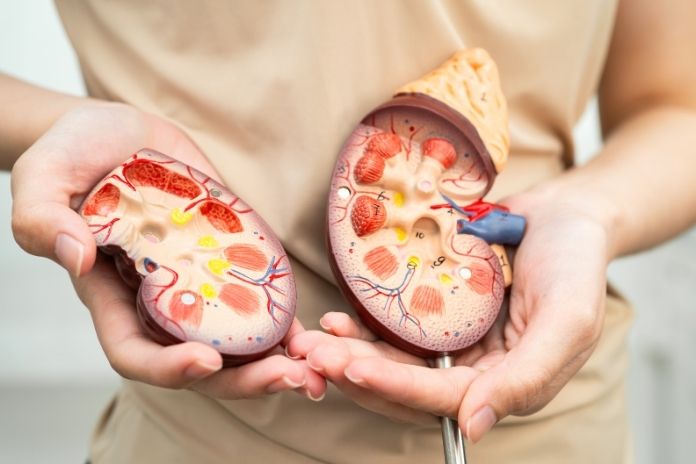
Both DDD and broader C3G carry real risk for chronic kidney disease progression, driven by ongoing complement deposits in the glomeruli. DDD’s intensity raises early ESKD risk in children, but adult C3GN patients face comparable long-term outcomes. Proteinuria above 2g/day signals a higher risk regardless of subtype.
Subtype predicts less than treatment response. Vigilant monitoring, including regular kidney function tests, complement levels, and urine protein checks, is the most reliable way to catch progression early and prevent irreversible scarring.
One risk that deserves special attention is disease recurrence after a kidney transplant. Both DDD and C3GN can return in a transplanted kidney, often quickly. Studies show histological recurrence in the great majority of transplant patients, with allograft failure occurring in roughly 50% within 10 years of transplantation.
DDD tends to recur faster than C3GN post-transplant. This does not mean transplantation is off the table; it remains the best option for kidney failure, but patients and families should discuss this risk with their nephrologist and transplant team before proceeding.
Genetic and Complement Abnormalities
Complement alternative pathway flaws unite both conditions. C3NeF is present in roughly 80% of DDD patients and 40% of those with C3GN. Rare mutations in complement regulatory genes, particularly CFH and CFI, occur in around 20% of C3G patients.
Genetic testing suits familial cases or poor responders. It informs counseling and can guide family screening, but rarely changes initial therapy. Most C3G cases are sporadic, meaning they occur in people with no known family history of the disease.
When a pathogenic variant is found in one family member, testing other relatives is recommended, since complement pathway mutations can be inherited without obvious signs. A genetic counselor working alongside a nephrologist can help families understand results and evaluate risk for siblings or children.
Why Accurate Classification Matters
Getting the diagnosis right, specifically identifying whether a patient has DDD or another form of C3G, has real clinical consequences. Subtype classification affects which clinical trials a patient may qualify for, since many research studies and emerging treatment protocols stratify participants by electron microscopy findings.
It also shapes how aggressively a patient is monitored: DDD’s higher early progression risk in children, for example, calls for closer follow-up of kidney function and complement markers.
Beyond research, accurate subtype classification informs meaningful conversations between patients and their care teams.
A family whose child has just been diagnosed with DDD deserves to understand what “DDD” means relative to the broader C3G category, including the shared mechanisms, what makes DDD distinct on biopsy, and how management may evolve now that targeted therapies exist. Without a precise diagnosis, those conversations can’t happen.
Accurate C3G diagnosis also plays a role in a long-term monitoring strategy. Current expert guidelines recommend close follow-up with a nephrologist experienced in the C3G spectrum, biannual complement pathway assessments, and periodic eye exams for DDD patients, since some develop drusen (yellowish deposits) in the retina that can affect vision over time.
Catching eye involvement early gives patients more options for managing that complication.
Read More: Back Pain vs. Kidney Pain: How to Tell the Difference
Common Myths About C3G and Dense Deposit Disease
Misinformation about this topic is common online. One myth claims “DDD is a completely separate disease,” but DDD is a C3G subtype that shares core mechanisms, including complement dysregulation and C3-dominant biopsy findings.
Another myth suggests “DDD always progresses faster.” While trends in pediatric patients do exist, individual variability is substantial; subtype alone often does not predict outcome. Finally, the idea that “the subtype determines the outcome” overlooks how disease control and treatment response matter more than the biopsy label itself.
The Practical Takeaway on C3G vs Dense Deposit Disease
DDD is part of C3G, defined by specific biopsy findings rather than symptoms. Outcomes rely on early intervention, proteinuria control, and ongoing monitoring.
Key Takeaways:
- Biopsy via electron microscopy defines DDD within the broader C3G spectrum.
- Both share complement dysregulation, but their courses can differ, especially in children.
- Focus therapy on proteinuria control, complement monitoring, and the new FDA-approved targeted options.
Read More: The Link Between Hypertension and Kidney Health: What You Need to Know
Final Takeaway
Dense Deposit Disease stands as a distinct subtype within C3 Glomerulopathy, defined by specific kidney biopsy findings, not symptoms or outcomes alone. Comparing dense deposit disease vs C3 glomerulopathy ultimately comes down to where and how complement fragments deposit — a distinction visible only under the microscope.
Why It Matters:
- Guides precise C3 glomerulopathy diagnosis via kidney biopsy and electron microscopy.
- Clarifies the C3G types for patient expectations, monitoring, and research eligibility.
Actionable Insights:
- Prioritize proteinuria control and complement alternative pathway monitoring.
- Ask your nephrologist about the FDA-approved targeted therapies now available.
- Individual disease behavior outweighs labels in chronic kidney disease progression.
If you or a family member has been diagnosed with C3G or DDD, the following organizations offer reliable, patient-focused information and support: the National Kidney Foundation, the National Organization for Rare Disorders (NORD), and the American Kidney Fund’s C3G page. Understanding these nuances empowers better care decisions for patients and families alike.
Frequently Asked Questions
Q) Is Dense Deposit Disease the same as C3 Glomerulopathy?
No. DDD is a subtype of C3G, defined by unique GBM deposits visible only on electron microscopy.
Q) Which is more severe: C3G or DDD?
Neither is inherently more severe. DDD trends toward more aggressive progression in children, but outcomes vary considerably at the individual level.
Q) Can DDD occur in adults?
Yes, though it is less common. Roughly 20 to 30% of DDD cases occur in adults.
Q) Does treatment differ between C3G and DDD?
Treatment principles are similar across both — supportive care, proteinuria management, and now FDA-approved targeted complement inhibitors. Individual factors guide treatment decisions more than subtype alone.
References
- Servais, A., Noël, L. H., Rocher, F., Guigonis, V., Loirat, C., Niaudet, P., … & Frémeaux-Bacchi, V. (2023). C3 glomerulopathies: dense deposit disease and C3 glomerulonephritis. Kidney International Reports, 8(12), 2525-2537.
- Bomback, A. S., Santoriello, D., Avasare, R. S., Schwimmer, J. A., Zee, J., & Stokes, M. B. (2019). C3 glomerulopathy — understanding a rare complement-driven renal disease. Clinical Kidney Journal, 12(6), 766-777.
- Zhang, Y., Xiao, J., Nie, J., et al. (2018). C3 glomerulonephritis and dense deposit disease share a common mechanism of injury due to defective complement factor H activity. Kidney International, 93(4), 943-953.
- Sethi, S., Fervenza, F. C., Zhang, Y., et al. (2009). Dense Deposit Disease: Clinicopathologic Study of 32 Pediatric and Adult Patients. Clinical Journal of the American Society of Nephrology, 4(1), 22-32.
- Caliskan, Y., Artukoglu, F., Sari, F., et al. (2024). C3 glomerulopathy: a kidney disease mediated by dysregulation of the alternative complement pathway. Frontiers in Nephrology, 1, 1460146.
- Sethi, S., & Fervenza, F. C. (2013). Dense Deposit Disease and C3 Glomerulopathy. Seminars in Nephrology, 33(6), 511-520.
- Medjeral-Thomas, N., Malik, T. H., Patel, M. P., et al. (2018). Genetic analysis of the complement pathway in C3 glomerulopathy. Nephrology Dialysis Transplantation, 33(12), 2260-2268.
- Rani, N., & Nada, R. (2017). Dense Deposit Disease Involving C3 and C4d Deposits. Indian Journal of Nephrology, 27(6), 492-494.
- Zhang, Y., et al. (2023). Dense deposit disease and C3 glomerulonephritis. Frontiers in Medicine.
- Medjeral-Thomas, N. R., Lawrence, C., Condon, M., et al. (2013). C3 Glomerulopathy: Clinicopathologic Features and Predictors of Outcome. Clinical Journal of the American Society of Nephrology, 9(1), 46-53.
- Pickering, M. C., & Cook, H. T. (2018). C3 glomerulonephritis and dense deposit disease share a common mechanism of injury due to defective complement factor H activity. Kidney International, 93(4), 943-953.
- Udagani, P. K., Vankalakunti, M., & Nada, R. (2019). Kidney Transplantation in C3 Glomerulopathy: A Case Series. Transplantation Proceedings, 51(6), 1972-1976.
- Medjeral-Thomas, N. R., et al. (2018). C3 glomerulonephritis secondary to mutations in factors H and I: rapid recurrence in deceased donor kidney transplant effectively treated with eculizumab. Nephrology Dialysis Transplantation, 33(12), 2260.
- Zhang, Y., et al. (2023). C3 glomerulopathies: dense deposit disease and C3 glomerulonephritis. Frontiers in Medicine, 10, 1289812.
- Bomback, A. S., et al. (2024). Recurrent C3 glomerulopathy after kidney transplantation. American Journal of Transplantation.
- Lebreton, N., Bridoux, F., Chauveau, A., et al. (2025). Kidney transplant in patients with C3 glomerulopathy. Clinical Kidney Journal, 18(5), sfaf134.
- Sethi, S., Fervenza, F. C., Zhang, Y., et al. (2013). Dense Deposit Disease and C3 Glomerulopathy. Seminars in Nephrology, 33(6), 511-520.
In this Article