


















-
- Travel anxiety often stems from uncertainty, but awareness helps you stay in control.
- Simple tools such as planning, grounding, and breathing can effectively reduce stress.
- Reframing fear as excitement builds confidence and improves your travel experience.
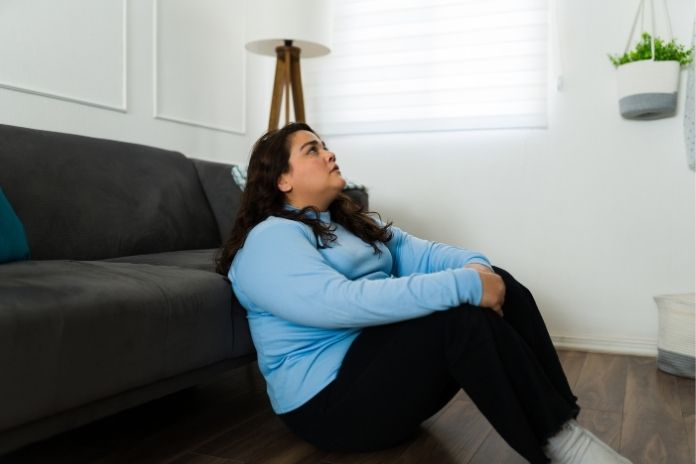
Although people often describe travel as thrilling, liberating, and daring, many experience it quite differently. Travel anxiety affects both novice and seasoned travelers, and it is more prevalent than most people believe. Whether it’s anxiety about flying or new places, worries about safety, or the fear of losing control in unfamiliar environments, these feelings can make even the idea of a trip feel overwhelming.
The good news? You don’t have to let anxiety prevent you from going. In reality, you can learn to overcome travel anxiety and even use it to enhance your trip if you have the right attitude and resources.
This article will discuss the causes of travel anxiety, how to spot the telltale signs of an anxious traveler, and, above all, useful, scientifically supported strategies for managing it.
Read More: Wellness Travel: Destinations That Prioritize Your Mind and Body
Why Travel Triggers Anxiety for Many People
The Brain’s Response to Uncertainty and New Environments
Travel anxiety is basically a natural reaction to not knowing what’s going to happen. Your brain detects potential dangers and keeps you safe. When you go to a new place with a different language, culture, or setting, your brain’s threat-detection system works harder.
It turns on the body’s adrenaline response, which speeds up the heart, makes you more alert, and makes you more aware. This response is helpful in dangerous situations, but it can be too much to handle when something as simple as getting around a new city sets it off.
Anticipatory Anxiety Before a Trip
A lot of people start to feel anxious long before they leave. It is called anticipatory anxiety, which is when your mind builds up “what if” situations. Some worries that people have are:
- Not getting on flights or trains
- Getting lost in places you don’t know
- Safety concerns
- Problems with language
- Health issues during travel
Research shows that waiting for something can sometimes be more stressful than the event itself.
Recognizing the “Anxious Traveler” Pattern

Signs Your Anxiety Is Shaping the Travel Experience
You may observe specific tendencies if you consider yourself to be an anxious traveler:
- Fear of losing control or the unknown.
- Unpleasant travel experiences in the past.
- Fear of flying or transportation problems.
- Finding it difficult to unwind even in secure settings.
- Social anxiety during group travel.
Preparation is beneficial, but too much control might make stress worse rather than better.
When Travel Stress Becomes More Than Normal Nervousness
It’s normal to feel a little nervous. But it could be worse if you have:
- Signs of panic include a fast heart rate, dizziness, or trouble breathing.
- Trouble sleeping before a trip.
- Worry that won’t go away and makes things less fun.
- Avoiding all chances to travel.
In such cases, learning how to manage anxiety while traveling becomes essential, and professional support may also be beneficial.
Reframing Anxiety: When Nervous Energy Can Become Excitement
Why Anxiety and Excitement Feel Similar in the Body
The adrenaline response, elevated heart rate, and heightened awareness are common physical indicators of both anxiety and excitement.
The interpretation creates the main distinction. Emotion turns into anxiety if you categorize it as danger. It becomes exhilarating if you call it an opportunity.
Cognitive Reframing for Travel Anxiety
Cognitive reframing is a powerful psychological tool that helps you change how you see things.
- Instead of saying, “Something will go wrong,”
- Rephrase it as, “I can handle this because it’s new.”
This shift helps reduce anxiety about flying or new places and encourages a sense of curiosity rather than fear.
Seeing Setbacks as Part of the Story
It’s okay that things don’t always go perfectly when you travel. It’s normal to miss trains, be late, or take the wrong turn.
Accepting that things may not go as planned is a key part of building your tolerance for uncertainty, which is necessary for reducing travel anxiety. These problems often turn into stories people remember rather than sources of stress.
Read More: Traveling This Winter? Back Pain Tips for Long Car Rides and Flights
Practical Strategies to Reduce Anxiety Before a Trip

Plan the Essentials Without Overloading Your Schedule
One of the best travel anxiety coping strategies is preparation. Concentrate on important areas:
- Find out where you’re going.
- Prepare for a variety of local weather conditions.
- Verify prescribed immunizations and travel health advisories.
To get a sense of your destination, watch other travelers’ videos. Find out the location of your nation’s embassy if you’re visiting another country, so you know where to go in case of an emergency.
Create a “What If” Safety Plan
Prepare for fear rather than trying to avoid it. A basic safety strategy can consist of:
- Document backup copies.
- Numbers for emergencies.
- Information on travel insurance.
This approach reduces feelings of helplessness and supports how to manage anxiety while traveling.
Share Travel Plans With Someone You Trust
Staying connected can ease the fear of traveling alone. Give a family member or close friend access to your itinerary. It might be comforting and emotionally supportive to know that someone is aware of your goals.
Grounding Techniques for Anxiety During Travel
The 3-3-3 Grounding Method
Grounding techniques are very helpful for dealing with anxiety right away. The 3-3-3 method is made up of:
- Name three things you see.
- Finding three sounds you hear.
- Moving three parts of your body.
These grounding techniques for anxiety help you stop thinking about things that make you anxious and bring your attention back to the present.
Breath-Based Calming Strategies
The neurological system is directly impacted by controlled breathing. Breathing deeply and slowly can help control emotions and reduce the stress response.
Extend your exhale: Try to keep your exhale longer than your inhalation. Inhale for four counts at first, then gently release the breath for at least six counts.
Practice belly breathing: Place your hand on your abdomen and take a deep breath, feeling your abdomen rise and fall.
Try an affirmation: As you inhale and exhale, silently repeat a soothing word or phrase.
Try box breathing: Inhale for four counts, hold for four counts, exhale for four counts, and then hold once more for four counts.
Examine yoga breathing: Also known as alternate nostril breathing, yogic breathing involves using one nostril for inhalation and the other for exhalation.
Using Familiar Comfort Cues
Before you leave, pack a bag with things that make you feel safe or calm, like headphones with music or a favorite podcast, a warm scarf, and a travel pillow. When you’re in a new place, having small comforts around you can help you feel more in control and at ease.
Read More: How Travel Impacts Your Gut Health (And What You Can Do About It)
Gradually Expanding Your Comfort Zone Through Travel
Start With Smaller Trips
Start small if you have trouble with travel anxiety. Before going on longer trips, go on short trips to places close by. This slow approach builds confidence and aligns with exposure therapy principles, which state that repeated exposure lowers fear over time.
Travel as a Controlled Challenge
Travel can be a way to expose yourself safely. Facing fears that you can handle helps you become more resilient and better at dealing with problems. This process, called “comfort zone expansion,” lets you grow without feeling overwhelmed.
Developing Confidence From Problem-Solving
Every time you successfully deal with a problem, like getting lost, dealing with delays, or talking to people in a new place, you gain confidence. To get over travel anxiety, you need to learn to trust your ability to adapt over time.
Balancing Safety Awareness With Healthy Curiosity
Researching Destinations Without Fueling Fear
If you’re feeling nervous about traveling, having a plan and doing a bit of research really helps. Get familiar with the customs, language, and top spots at your destination; it makes the place feel less foreign and gives you a boost of confidence. Honestly, just knowing what to expect and having an itinerary can take the edge off those worries about the unknown.
Trusting Intuition While Staying Open
Pay attention to what’s around you, sure, but don’t let caution shut you down. The trick is to stay alert while letting yourself discover something new. You’ll find travel way more enjoyable once you strike that balance between being careful and curious.
Read More: 7 Travel Mistakes to Avoid If You Have Asthma
When Travel Anxiety May Benefit From Professional Support

In some cases, people with travel anxiety may need extra help. If you have any of the following, you might want to get help:
- A lot of panic attacks while traveling.
- Very afraid to travel alone.
- Not traveling at all.
- Stress from past events.
Cognitive behavioral therapy (CBT) and exposure-based on therapies are two common ways to treat anxiety disorders.
Read More: Extreme Cold Safety: How to Protect Yourself and Your Family
Conclusion
If travel makes you very anxious, that doesn’t mean you get stuck at home forever. With the right mindset and a few helpful tricks, you can actually turn those doubts into confidence. It just takes a bit of patience and some practice. Start by figuring out how to overcome travel anxiety. Plan and try methods like grounding or reframing your thoughts; these make a big real difference.
Travel isn’t about getting everything right. It’s about being adaptable, picking up new skills, and seeing the world in fresh ways. That’s where all the good stuff happens.
References
- Kaiser Permanente. (January 19, 2026). Travel anxiety tips: How to manage fear of traveling.
- Bisma Anwar, MA, MSc, LMHC. (July 7, 2025). Travel Anxiety: Symptoms, Causes, and Tips
- Seattle Wellness Center. (2026, February). 3-3-3 rule for anxiety Seattle: Calm panic instantly.
- Carolina Barnum, B.A. ( January 01, 2025). Understanding the 3-3-3 Rule of Anxiety.
- Dr. Andrew Rosen. (June 4, 2018). 13 Ways to Overcome Travel Anxiety.
In this Article