



















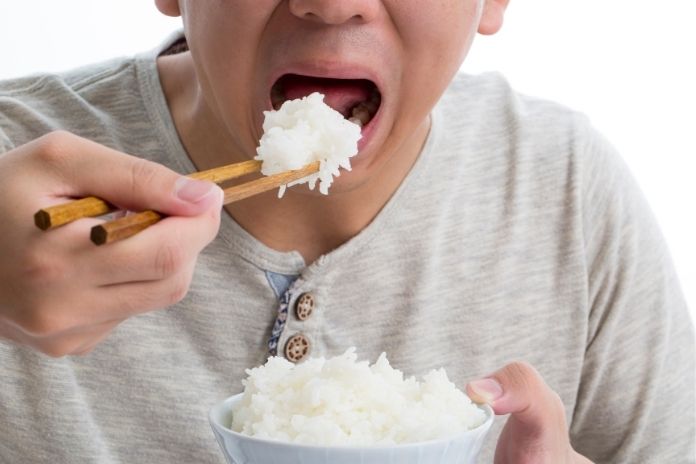
- Rice is low in protein. One cup of cooked white rice has only 3–4g of protein. It cannot make a protein-rich meal alone..
- Add a main protein source. Eggs, chicken, tuna, shrimp, tofu, beans, or edamame can turn rice into high-protein rice meals.
- Use small protein boosters. Cook rice in bone broth or add hemp seeds, pumpkin seeds, or nutritional yeast to make rice more protein-dense
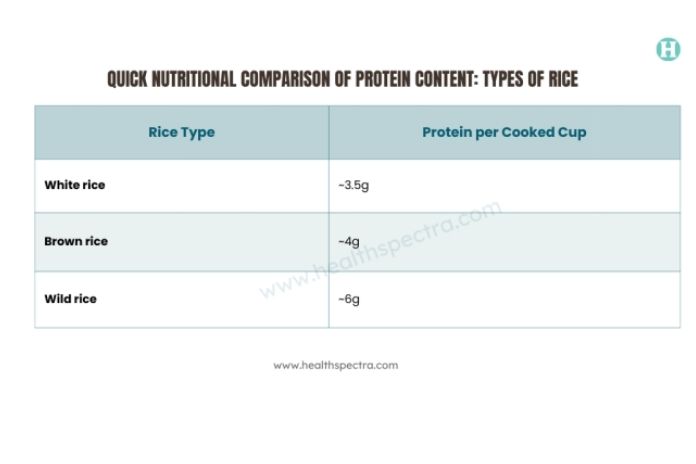
Rice is arguably the most widely consumed food worldwide, yet it is not classified as a protein source. A cup of cooked white rice contains about 2.5-3 grams of protein, which is not sufficient to make it a balanced and filling meal.
Although brown rice is slightly healthier, and cooked brown rice contains about 3-3.5 grams of protein, it is still insufficient to make it a balanced, filling meal. However, rice is not the problem; it is the best source of nutrients and can serve as the foundation for balanced, filling meals when paired with protein, fiber, and healthy fats.
The problem is not the lack of protein in rice; it is rather how to add protein to rice most efficiently and effectively, which is not only easy and doable but also filling and balanced. A bowl of rice can be transformed into a balanced, high-protein meal with the right ingredients.
Furthermore, while considering white and brown rice, it is important to note that wild rice technically isn’t rice but an aquatic grass, which explains its higher protein level. Still, even the highest-protein rice varieties benefit greatly from pairing with other foods.
If you, too, wonder about “what protein goes well with rice” or “how do I add more protein to my rice bowl,” we have the answer.
Quick Nutrition Snapshot
Understanding rice protein content helps explain why pairing it with other foods matters
 In this article, let’s learn more about the top 10 ways to add protein to rice, grouped into three categories: animal sources, plant sources, and pantry items that can be used as protein sources and paired with rice naturally and efficiently.
Read More: Health Benefits of Black Rice: The Antioxidant-Rich Superfood You Should Know About
Animal-Based Protein Add-Ins
Animal proteins are often the fastest and most efficient way to increase rice protein content. They provide all essential amino acids and typically deliver large protein amounts in relatively small servings.
1. Eggs — The Fastest Option
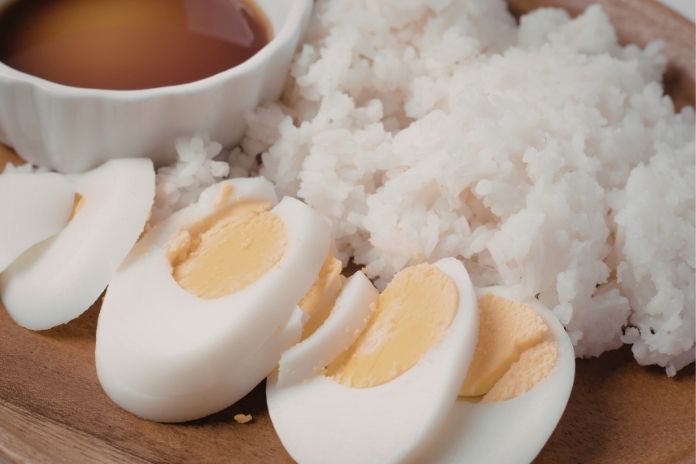
Eggs are a good match for rice when you’re considering a protein source. A single large egg provides about 6 grams of protein along with other nutrients such as choline, vitamin B12, and fat. By adding two eggs to your rice bowl, you’re increasing your protein content by a number that many nutrition experts believe is a perfectly satisfying amount.
The combination of eggs and rice appears in a variety of creative forms around the world. In Japan, you can find a soft egg on top of a bed of rice in a dish called a tamago-don bowl. In Korean rice bowls, a fried egg is a common addition to bibimbap. In Southeast Asian-style fried rice, eggs can be cooked directly into the rice for a protein boost.
Preparation is simple and flexible. You can:
- Scramble eggs into fried rice
- Top a rice bowl with a fried egg
- Add soft-boiled eggs for a creamy texture
This is one of the quickest ways to make rice more filling without complicated cooking.
2. Grilled or Shredded Chicken
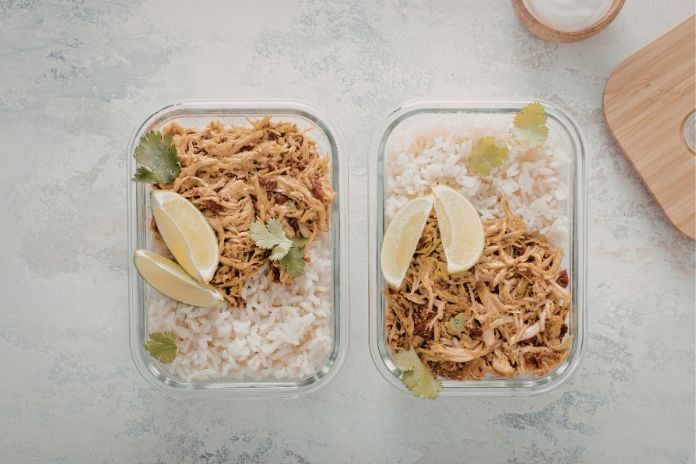
One of the best sources of making protein-infused rice dishes is chicken. In fact, as little as 3 ounces of cooked chicken breast contains as much as 26 grams of protein, making it one of the leanest and most protein-dense rice bowls you can have. Chicken is also very low in saturated fat, which is why it is a go-to choice in sports nutrition and meal prep plans.
Chicken can be paired with any type of rice in the following ways:
- Asian-inspired rice bowls with soy sauce and ginger
- Mediterranean bowls with olive oil and herbs
- Mexican-style rice with beans and salsa
Using pre-cooked rotisserie chicken can make preparation even easier. Simply shred the meat and place it over warm rice for a balanced meal that provides significant protein and sustained energy.
3. Canned Tuna or Salmon
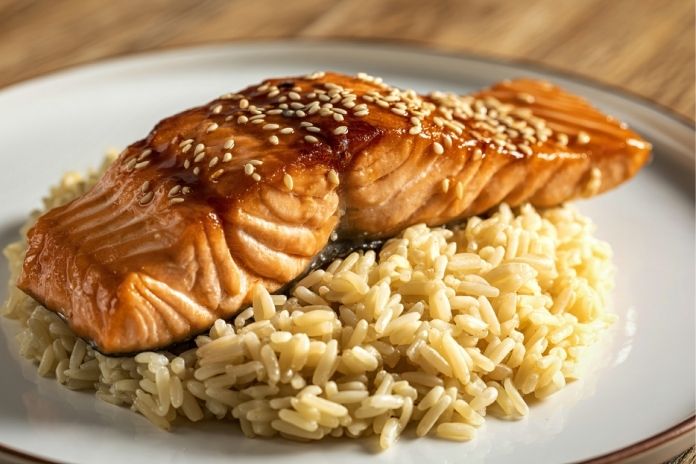
One of the easiest ways to increase protein in your bowl of rice is to add canned fish. A 5-ounce can of tuna contains 30-35 grams of protein, which is comparable to many other protein-rich foods cooked from scratch. The best part is that it doesn’t require any cooking.
Tuna rice bowls work well with ingredients such as the following:
- Soy sauce or tamari
- Sesame oil
- Avocado
- Scallions or cucumber
Salmon, on the other hand, has similar nutritional content but also contains omega-3 fatty acids, which support heart and brain health. These are both good additions to a rice-and-protein bowl, making a relatively plain dish a balanced, complete meal.
4. Cooked Shrimp
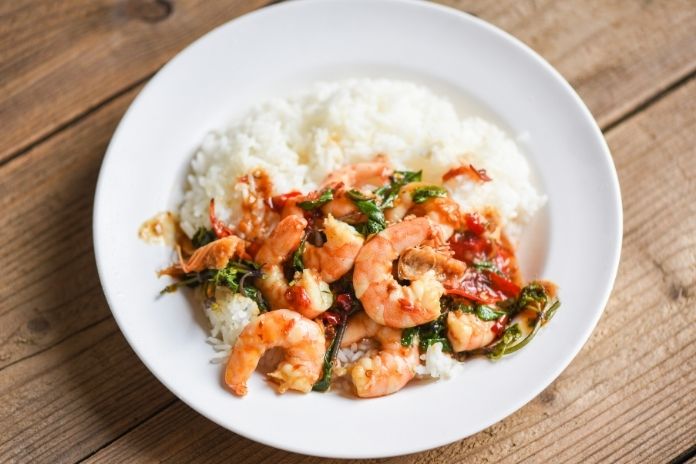
Shrimp is an excellent source of protein and pairs well with quick, light rice dishes. A 3-ounce portion of shrimp contains about 20 grams of protein and is relatively low in calories and fats. In addition, shrimp cook quickly, taking less than three minutes.
They work well in dishes such as
- Shrimp fried rice
- Garlic shrimp rice bowls
- Rice bowls with vegetables and chili oil
Since shrimp absorb sauces easily, they blend well with rice dishes from many culinary traditions.
Read More: How Long Does Cooked Rice Last in the Fridge? Storage, Safety & Reheating Tips
5. Bone Broth — Cook Your Rice in It
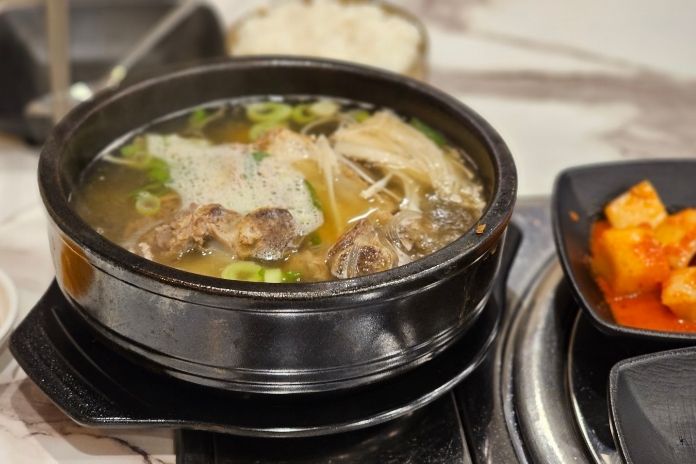
One simple trick to increase the protein content in the rice is to replace the water in the recipe with bone broth. This is because bone broth adds protein and amino acids, including collagen, as the rice cooks.
This method can increase rice protein content by up to 20 grams, nearly doubling the usual level. This method can be used with any rice cooker or pot and will add more savory flavor to the rice, making it more delicious from the start.
Plant-Based Protein Add-Ins
Plant-based foods can also transform rice into a balanced, satisfying high-protein rice bowl. Many of these options provide fiber and micronutrients in addition to protein.
6. Beans and Lentils
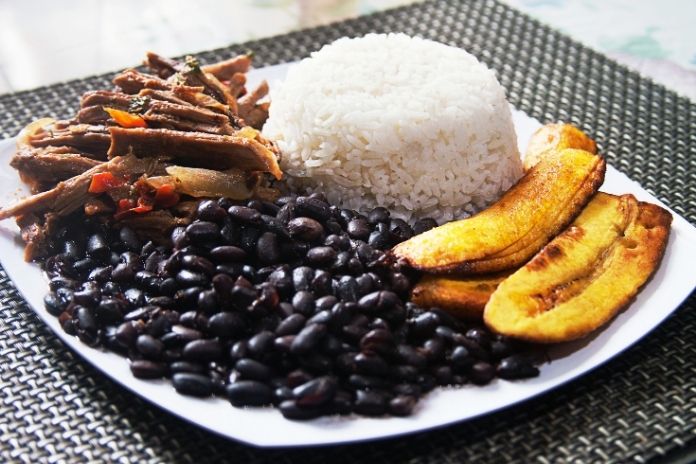
One of the most well-known carbohydrate-protein pairings is beans and rice. Consider black beans, chickpeas, lentils, or kidney beans as protein sources; all are good choices. For instance, one cup of cooked black beans contains 15 grams of protein, as well as fiber, iron, and magnesium.
More significantly, beans and rice are complementary as protein sources because rice provides some amino acids, and beans provide others.
This is why beans and rice appear across many cuisines, including the following:
- Latin American rice and beans
- Caribbean dishes
- Indian dal with rice
Canned beans make it especially easy to add protein to rice bowls with minimal preparation.
7. Edamame
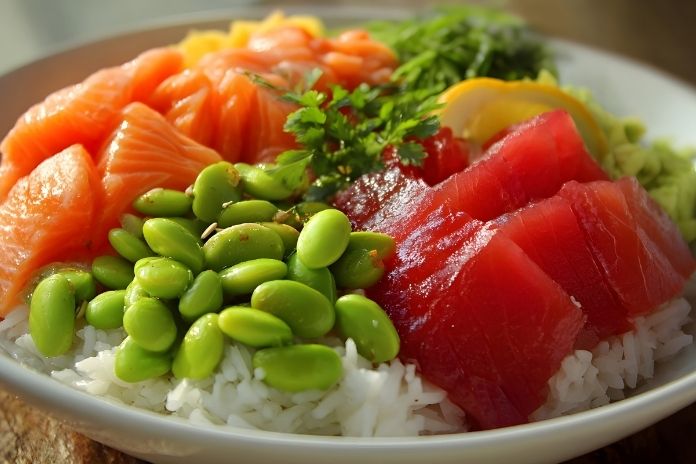
Edamame is one of the most effective plant-based protein sources for adding protein to rice. One cup of shelled edamame contains approximately 18 grams of protein. Soybeans are also considered a complete protein, meaning they contain all nine essential amino acids the body needs.
Edamame rice protein bowls are simple to assemble. You can:
- Add steamed edamame to warm rice
- Toss with sesame oil and soy sauce
- Combine with vegetables for a balanced bowl
Edamame also pairs well with tofu, making it an excellent addition to a tofu rice bowl.
8. Tofu or Tempeh
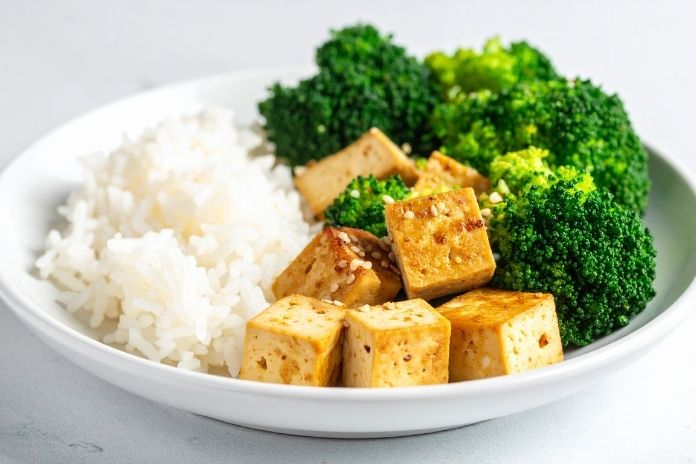
Soy-based foods like tofu and tempeh are versatile protein add-ins for rice that absorb surrounding flavors. Protein levels vary depending on the product:
- Firm Tofu:about 8-10 grams of protein per 3 ounces
- Tempeh:about 16 grams of protein per 3 ounces
Tempeh contains more protein and a firmer texture, while tofu is softer and more neutral in flavor. Both can be quickly pan-fried with garlic, ginger, or soy sauce and added to rice with vegetables. Because they absorb marinades well, they easily change plain rice into flavorful, high-protein rice bowls.
9. Cottage Cheese
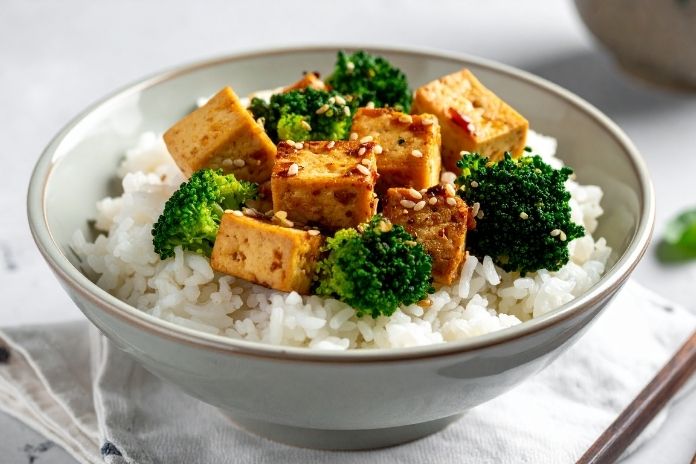
Cottage cheese bowls over rice may sound unusual, but they’re becoming popular with those trying to incorporate more protein into their diet. A cup of cottage cheese contains 25 grams of protein, calcium, and probiotics that support digestion.
There are several ways to use cottage cheese with rice:
- Serve it directly over warm rice
- Blend it into a creamy sauce
- Use it as a protein-rich side for a grain bowl
Because cottage cheese has a mild flavor, it blends well into many rice-based dishes without overpowering other ingredients.
Read More: The Benefits of Eating Fermented Rice (A Forgotten Superfood)
Seeds, Nuts, and Pantry Protein Boosters
Sometimes you only need a small adjustment to increase protein in your high-protein rice bowl without changing the entire meal.
10. Hemp Seeds, Pumpkin Seeds, and Nutritional Yeast
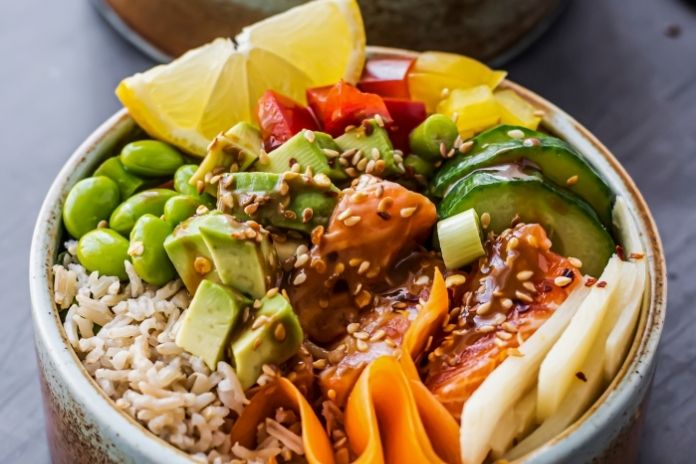
A small and wise choice of pantry ingredients can increase the protein content of your rice bowls. One such ingredient is hemp seeds. A serving of 3 tablespoons provides 10 grams of protein, essential minerals, and healthy fat sources, such as omega-3 fatty acids.
Pumpkin seeds, also known as pepitas, provide 8 grams of protein in a 28-gram serving and add a nice crunch. Nutritional yeast provides 5 grams of protein per serving and has a natural, cheesy flavor. One of the easiest ways to increase the protein content of your rice bowls is to add nuts and seeds.
Practical Tip: Build a High-Protein Rice Bowl
If you’re looking for a reliable way to ensure that your rice bowls are both delicious and high in protein, here’s a simple three-layer plan:
- Grain Base: Brown rice or wild rice
- Main Protein: Chicken, tofu, beans, shrimp, or eggs
- Protein Boost: Hemp seeds, pumpkin seeds, or nutritional yeast
This way, it’s easy to achieve 25-35 grams of protein per bowl without needing any complicated recipes.
The Bottom Line
Rice on its own isn’t particularly high in protein, but that doesn’t mean it can’t be part of a protein-rich meal. Once you understand rice protein content and how to combine it with other foods, the possibilities become nearly endless.
From chicken and rice protein bowls to plant-based options like tofu rice bowls and classic beans and rice protein combinations, there are several ways to turn rice into balanced, satisfying dishes.
The most useful habit is simple: always add protein add-ins to rice. Rotate between animal proteins, plant foods, and small boosters throughout the week, and you’ll easily transform a basic bowl of rice into a nutritious, filling high-protein rice bowl.
References
- Hemp Acres. (n.d.). Hemp seeds: Boosting your protein intake naturally.
- WebMD. (n.d.). Health benefits of pumpkin seeds.
- WebMD. (n.d.). Health benefits of cottage cheese.
- WebMD. (n.d.). Health benefits of tofu.
- Prevention. (n.d.). High-protein foods that help you stay full.
- WebMD. (n.d.). Health benefits of edamame.
- American Tuna. (n.d.). Tuna vs. chicken: A protein powerhouse comparison.
- Ace Blend. (n.d.). Rice protein 101: Everything you need to know.
In this Article