















An “everything shower” is not just a longer shower. It’s a planned reset where hair, scalp, skin, shaving, and post-shower care all happen in one session, but in the right sequence.
Most people think an everything shower means doing more. Actually, it means doing things smarter. The order matters because shampoo runoff can irritate skin, exfoliating too early can weaken your barrier, and shaving at the wrong time leads to bumps.
So instead of treating it like a random self-care marathon, think of it as a routine with logic: cleanse first, soften second, exfoliate after, shave last, and seal moisture immediately.
Let’s break it down properly.
What’s an Everything Shower?
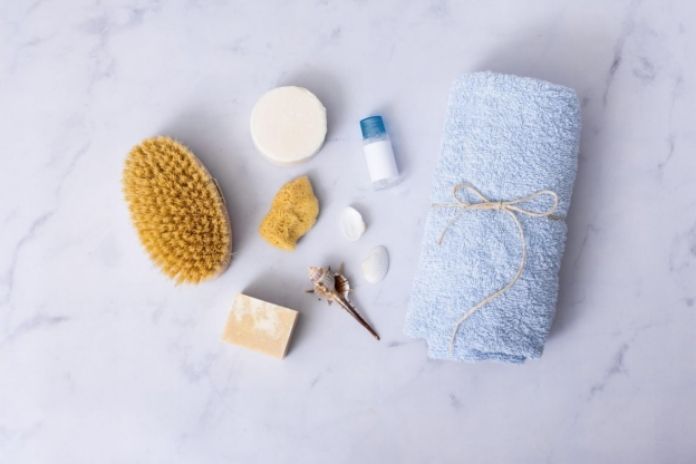
An everything shower is a full-body shower routine where you do more than basic cleansing.
It usually includes:
- Scalp cleansing
- Conditioner or hair mask
- Face wash
- Body wash
- Exfoliation
- Shaving (if you do)
- Post-shower moisturizing and hair care
The purpose is not luxury. The purpose is maintenance, cleaning buildup, removing dead skin, preventing ingrowns, and restoring softness.
1. How it differs from a regular shower
A regular shower is functional: rinse, wash, done.
An everything shower is more like a weekly “reset cycle” for your skin and hair.
2. Why order matters for skin and hair health
Your shower products don’t stay in separate zones. Shampoo slides down your back. Conditioner touches the shoulders. Exfoliation changes how shaving feels.
Wrong sequencing can cause:
- Body acne
- Dry patches
- Hair mask wasting
- Razor irritation
- Barrier damage
The right order prevents all of this.
How Often Should You Take an Everything Shower?

Taking daily everything showers is not necessary and honestly not recommended. “Do not perform an ‘Everything Shower’ every day since this will likely dry out your skin and possibly lead to overexposure to harsh products and fragrance,” says Dr. Bradley Glodny, dermatologist.
Most skin and scalps don’t need intense cleansing every day.
1. Typical frequency
For most people: 1–2 times a week is enough
2. Adjust based on your skin and hair type
- Oily scalp, sweaty lifestyle: closer to 2 times weekly
- Dry skin, eczema-prone: once weekly or less
- Curly or textured hair: less frequent, longer conditioning time
- Acne-prone back: focus more on rinse order and residue removal
The everything shower should support your body, not exhaust it.
Step-by-Step Everything Shower Order (What to Do First to Last)
This is the sequence that actually works, not just aesthetically but biologically.
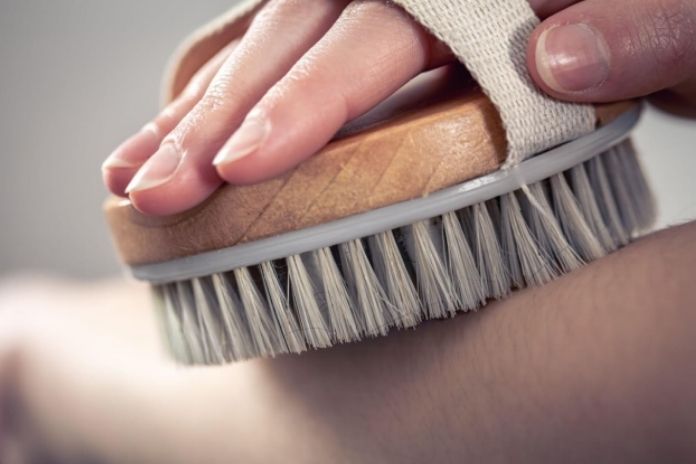
Step 1: Dry Brushing or Pre-Shower Prep (Optional)
Dry brushing is often marketed as essential. It is not. It can help with light exfoliation, circulation stimulation, and a smoother feel before a shower. But it is not for everyone.
Avoid if you have sensitive skin, active acne or rashes, eczema flare-ups, and very dry skin. Dry brushing is optional, not mandatory self-care.
Step 2: Shampoo Your Hair
Shampoo always comes first. Because the scalp is where oil, sweat, and buildup collect.
If you wash your body first, shampoo runoff can undo your effort.
Scalp-focused cleansing
Don’t treat shampoo like hair soap. Treat it like a scalp cleanser. Apply mainly to roots. Massage gently. Let the foam clean the lengths naturally
Double cleansing, when it makes sense
Double shampoo only if:
- You use heavy oils
- You have dandruff buildup
- You go many days between washes
Otherwise, one proper wash is enough.
Step 3: Apply Conditioner or Hair Mask
This is where many people waste their product. Conditioner needs time to sit. The hair mask needs even more.
Why do treatments need time?
Hair doesn’t absorb instantly. It needs a few minutes of contact. So apply early, then continue other shower steps.
Where to apply
- Conditioner: mid-lengths to ends
- Hair mask: ends, especially damaged areas
- Never on the scalp unless specifically designed for it
A scalp with a heavy mask means greasy roots and itching.
Step 4: Face Cleansing (If Done in the Shower)
Face cleansing in the shower is good, but keep it gentle. Steam and hot water already soften skin. Harsh cleanser becomes too much.
Gentle cleansing removes sweat and buildup
Use a mild cleanser to remove sunscreen, sweat, and pollution residue.
Why harsh cleansers backfire
Over-cleansing triggers dryness, oil rebound, and irritation.
Your face does not need “squeaky clean.” It needs a balanced one.
Step 5: Body Wash
Body wash comes before exfoliation. Think of it like cleaning the surface before polishing it.
Cleansing without stripping skin
Choose something that cleans without tightness. Skin should feel clean, not stretched.
Why does body wash come first
If you exfoliate first, you’re scrubbing dirt deeper rather than removing it properly.
Step 6: Exfoliation (Body and/or Face)
Exfoliation is the step that makes an everything shower feel “complete.” But it’s also the easiest step to overdo.
Physical vs chemical exfoliation
- Physical: scrubs, gloves
- Chemical: AHAs, BHAs
Physicality is immediate. Chemistry is gradual.
How often is too often?
- Body exfoliation: 1–2 times weekly
- Face exfoliation: depends, usually once weekly max
Daily exfoliation is not self-care. It is barrier damage.
Areas that benefit most
Elbows, knees, feet, underarms (gentle), and bikini line (carefully).
Avoid aggressive scrubbing on the chest and back if acne-prone.
Step 7: Shaving (If You Shave)
Shaving works best after cleansing and exfoliating. Because now the skin is soft, clean, and less clogged.
Why shaving after exfoliation reduces irritation
Exfoliation removes dead skin that traps hairs. This reduces ingrown hairs, razor bumps, and patchy shaving.
Always use a shaving gel or creamy cleanser, not dry razor passes.
Step 8: Final Rinse
This step is underrated but very important. After conditioner, exfoliation, and shaving, rinse everything properly.
Removing conditioner residue from skin
Conditioner left on the shoulders or back can trigger breakouts.
Why leftover products cause body acne
Most body acne is not “dirty skin.” It is product residue, occlusion, and incomplete rinsing.
The final rinse is your reset.
Post-Shower Care That Makes the Everything Shower Worth It

The shower is only half the routine. The real benefit comes after.
1. Moisturizing while the skin is damp
Apply moisturizer within 2–3 minutes. Damp skin absorbs better and prevents dryness. This is the difference between soft skin for 2 days and dry skin by evening.
2. Hair leave-ins or oils
After towel drying, leave-in conditioner for frizz control. Use light oil only on ends. Don’t overload. Hair should feel nourished, not coated.
3. Body care timing for best absorption
Best order:
- Pat dry
- Body lotion
- Deodorant
- Body oil (optional, last)
Moisture first, sealing second.
Common Everything Shower Mistakes

Even with good products, mistakes ruin results.
1. Over-exfoliating
More scrubbing does not mean more glow. It means irritation.
2. Using water that’s too hot
Hot showers feel relaxing but strip natural oils. Warm is better.
3. Doing too many steps every time
The Everything shower is weekly, not daily. Daily routines should stay simple.
4. Skipping moisturizer after
If you don’t moisturize after exfoliation, you undo the benefit.
Read More: Cold Showers vs. Ice Baths: Which Recovery Method Works Best?
How Long Should an Everything Shower Take?
A realistic everything shower takes 25–45 minutes. Not 90 minutes. Longer is not always better.
“The length of an everything shower will be dependent on the number of steps and products used,” says Dr. Brendan Camp, MD, a dermatologist.
1. Why longer isn’t always healthier
Too much time in water increases dryness. The goal is efficiency with intention.
2. How to streamline without losing benefits
- Hair mask sits while you wash your body
- Exfoliate only key areas
- Skip shaving if not needed
The Everything shower is flexible, not fixed.
Read More: Is It Better to Shower in the Morning or at Night? Here’s What Dermatologists say
When an Everything Shower Can Harm Skin or Hair
Sometimes the “reset” becomes over-cleansing.
1. Signs of overdoing it
- Tight, itchy skin
- Flaking
- Burning after moisturizer
- Increased breakouts
- Hair feels rough, not soft
2. Barrier damage symptoms
Your skin barrier is not visible, but you feel when it’s weak. A damaged barrier reacts to everything.
3. When to scale back
Reduce frequency if:
- You exfoliate already with actives
- Your skin is dry or inflamed
- Your scalp feels irritated
Rest days are also self-care.
Read More: 19 Shower Mistakes You Didn’t Know Were Hurting You
Final Thoughts
An everything shower is not about excess. It is about sequencing and intention. Most people only need it once or twice a week.
When done properly, it supports a cleaner scalp, softer skin, less irritation, better absorption of moisturizers, and healthier body care overall.
Do less, but do it in the right order.
- The best everything-shower routine is about order, not adding unlimited steps.
- Shampoo always comes first because runoff can affect the body’s skin.
- Exfoliation should be limited; most people damage their barrier by overdoing it.
- Post-shower moisturizing is the step that actually locks in results
- There is still limited direct clinical research on “routine sequencing” in showers, especially how product runoff impacts body acne and barrier health. Most advice is practical, not evidence-based.
In this Article