















Everyone knows someone who passionately defends their shower routine.
Morning people swear they can’t function without a steamy rinse to wake up. Night shower loyalists insist they can’t fall asleep unless they’ve washed off the day. Underneath these habits are real physiological changes tied to body temperature, skin biology, and circadian rhythm.
And here’s what this really means: the “best” time to shower isn’t one-size-fits-all. It depends on your skin type, lifestyle, environment, and how your body responds to temperature changes.
Dermatologists have their own take. Sleep experts have another. This guide unpacks all of that.
Read More: 19 Shower Mistakes You Didn’t Know Were Hurting You
Benefits of Morning Showers
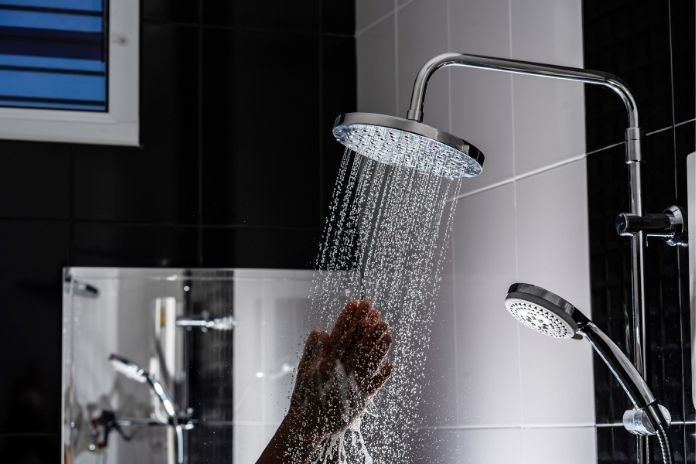
Starting your day with a shower isn’t just about hygiene; it’s a ritual that can influence your energy, focus, and even the health of your skin and hair.
Morning showers help your body transition from sleep to wakefulness, setting the tone for productivity, creativity, and confidence. Here’s how:
1. Boosts Energy and Alertness
Research shows that higher core body temperature is associated with improved alertness, reaction time, and cognitive performance. In theory, a morning warm shower might help boost body temperature and give your nervous system a mild wake-up call, but there’s no direct academic study showing that morning showers themselves improve alertness.
Finishing with a quick cool rinse can add an extra perk: it triggers a brief adrenaline release. Cold or cool-water showers may help increase alertness and energy in the morning by stimulating circulation and triggering a sympathetic nervous system response.
From a psychological/energy angle, a morning shower can act as a “wake-up” routine: the clean feeling, change in temperature, and the act of refreshing oneself can help you feel alert and energized before a busy day.
2. Improves Focus and Creativity
There’s a reason so many people get their best ideas in the shower. Morning showers create a mini-meditation effect, a screen-free, interruption-free window where your brain can slip into what psychologists call “diffuse thinking,” a mental state linked to creative problem-solving.
A landmark study from the University of California, Santa Barbara, found that after doing a simple, undemanding task (which encourages mind-wandering), participants performed significantly better on creative problem-solving tasks than those who took a demanding break or no break at all.
Morning showers naturally fit this pattern, giving your mind space to explore ideas and set a focused, inspired tone for the day.
3. Helps Manage Oily Skin and Hair
Overnight, your skin ramps up sebum production as part of its natural renewal cycle. That morning shine on your forehead, or greasy roots, isn’t just cosmetic; it’s a biological signal that a morning cleanse can help manage.
According to Dr Primrose Freestone, a senior lecturer in clinical microbiology at the University of Leicester in the UK, there’s a “clear answer” in this slippery showdown when it comes to keeping bacteria, dust mites, and other unwelcome bedfellows at bay.
As per Dr. Freestone, the timing of showers can impact skin health. While showering at night may seem like a good idea to remove dirt and grime, it doesn’t prevent the buildup of sweat and bacteria overnight.
When Morning Showers Are Better for You
Morning showers aren’t just a routine; for some people, they’re a functional tool that helps the body transition from sleep to wakefulness. Here’s who benefits most:
- Oily skin or scalp: If you wake up with a shiny forehead, greasy roots, or an oily scalp, a morning shower helps remove excess sebum and refresh your skin. This can reduce the risk of clogged pores and give you a clean canvas for your daytime skincare or makeup routine.
- Early morning exercisers: After a pre-workout session, a shower helps wash away sweat, dirt, and bacteria, leaving you energized and ready for the day ahead. It’s a clean reset before stepping into work, school, or errands.
- Low energy or morning grogginess: For those who find it hard to shake off sleep fog, a warm morning shower stimulates circulation, slightly raises core temperature, and activates the nervous system. Finishing with a brief cool rinse can even trigger a mild adrenaline response, giving your brain a natural wake-up signal.
- Daytime routine prep: If your morning involves applying multiple skincare products, makeup, or other grooming routines, starting with a clean slate ensures better absorption and effectiveness.
Morning showers are particularly beneficial if you want your body and mind aligned with the day’s demands. They act as a subtle yet powerful physiological cue, a signal that it’s time to be alert, productive, and ready to tackle whatever the morning brings.
Benefits of Night Showers

Showering at night isn’t just about washing off the day; it’s a ritual that can help your body relax, improve sleep, and support skin and muscle health. A nighttime rinse signals your brain that it’s time to wind down, while cleansing away the day’s sweat, dirt, and allergens. Here’s what the research and experts say:
1. Promotes Better Sleep
A 2023 study published in the Journal of Physiological Anthropology found that bathing (or showering) 1.5–2 hours before bedtime can improve sleep quality, reducing how long it takes to fall asleep (sleep onset latency) and improving subjective sleep quality.
Several sleep-health resources summarizing evidence note that warm baths or showers before bed can raise body temperature temporarily, and then, as the body cools down, that drop in core temperature can help trigger sleep, in line with how the body’s circadian regulation of temperature and sleep works.
2. Removes Dirt, Sweat, and Allergens
If you commute, exercise, or live in a polluted area, a nighttime shower helps prevent skin irritation and allergy flare-ups. Pollen, dust, sweat, and pollution particles accumulate on your skin and hair during the day, and going to bed without rinsing them off can worsen inflammation or trigger nighttime allergy symptoms.
According to Dawn Marie R. Davis (dermatologist at Mayo Clinic), “Some patients with sensitive skin, and particularly those with atopic dermatitis (eczema), find that showering or bathing at bedtime is helpful for removing irritants from the skin and also assists with sleep hygiene.”
3. Relieves Muscle Tension
Evening showers can be a powerful way to unwind physically. Warm water promotes vasodilation, increasing blood flow to muscles and joints, which can ease soreness and tension after workouts or long days.
There’s also some evidence that combining regular exercise with post‑exercise warm bathing improves recovery from fatigue and supports cardiovascular health. A study on “home‑based hot bathing” after resistance training showed potential benefits in peripheral muscle recovery and maintaining cardiovascular function.
Read More: Cold Showers vs. Ice Baths: Which Recovery Method Works Best?
When Night Showers Are Better for You
Evening showers aren’t just about washing off the day; they can be a key part of a healthy nighttime routine that supports your skin, sleep, and overall well-being. Here’s who benefits most:
- Dry or sensitive skin: Washing at night allows you to cleanse without immediate exposure to daytime stressors like sun, pollution, or sweat. After showering, you can apply moisturizers or treatments, giving your skin uninterrupted time to repair and restore its natural barrier while you sleep.
- Dust, allergens, or pollution exposure: If you live in a polluted area or spend your day commuting outdoors, a nighttime shower helps prevent bringing dirt, pollen, or pollution residues into bed, reducing irritation and minimizing allergy triggers.
- Evening workouts or sweat buildup: Post-workout showers in the evening wash away sweat and bacteria, keeping your skin fresh and preventing clogged pores or body acne.
- Hot or humid climates: If your day leaves you sticky or uncomfortable, a night shower helps you feel clean, relaxed, and ready for rest.
- Difficulty falling asleep: Warm evening showers can help regulate your body temperature and support your circadian rhythm, signaling to your brain that it’s time to wind down.
Night showers are particularly useful for those who want to maximize skin recovery, minimize exposure to irritants, and create a calming pre-sleep ritual. They provide a simple yet powerful way to improve both your skin health and sleep quality, making bedtime feel more restorative.
The Skin Health Factor: What Dermatologists Recommend

When it comes to healthy skin, dermatologists emphasize a key point that might surprise many: the timing of your shower is far less important than how you shower. Whether you prefer mornings or evenings, the approach you take can make all the difference.
How Often Should You Shower?
For most people, once per day is sufficient. Showering more frequently, especially with hot water or harsh soaps, can strip the skin of its natural lipids and disrupt the moisture barrier.
It’s not the number of showers that harms the skin; it’s long, hot, or aggressive showers combined with harsh cleansers. People with chronic conditions like eczema or psoriasis may need customized routines, but for most, gentle daily cleansing keeps skin clean without causing damage.
Water Temperature Matters More Than Timing
Lukewarm water is usually the safest choice, protecting the skin barrier and preventing unnecessary dryness. Hot water, while comforting, can:
- Increase transepidermal water loss.
- Strip away natural oils that protect the skin.
- Worsen dryness, redness, and irritation.
- Trigger inflammation in sensitive or compromised skin.
“Hot water can strip the skin of natural oils (sebum), which are essential for maintaining hydration and protecting the skin barrier. This disruption in the skin’s natural lipid layer can lead to dryness, irritation, and increased sensitivity.” – Dr Akanksha Sanghvi, dermatologist and founder of a Mumbai‑based clinic.
So whether you shower first thing in the morning or right before bed, keeping the water temperature moderate is far more important than choosing a specific hour.
Moisturize Immediately After
Moisturizing after a shower is essential for maintaining the skin barrier and locking in hydration. Experts recommend:
- Patting the skin dry gently rather than rubbing.
- Applying moisturizer within 2–3 minutes of stepping out of the shower.
- Using fragrance-free or mild products for sensitive skin.
A crossover study on 60 healthy volunteers showed that applying moisturizer immediately after washing significantly reduced transepidermal water loss (TEWL) compared with delayed moisturization, demonstrating improved skin barrier hydration when moisturizer is applied promptly.
Night showers often make this step easier. Since you’re not immediately layering on clothes or makeup, you can give your skin a few extra moments to fully absorb the moisturizer, supporting overnight repair and hydration.
As dermatologist Mona Gohara points out, the benefits for skin health come less from what time you shower and more from how you shower – using gentle cleansers, avoiding overly hot water, keeping shower duration short, and moisturizing right after.
Read More: 18 Health Benefits Of Cold Shower – Kick-Start Your Body Functions
Building the Best Routine for You
You don’t have to commit to a strict morning-or-night shower rule for life. Many people create hybrid routines that fit their skin, energy levels, and sleep patterns. The key is listening to your body and tailoring your showers to your lifestyle, climate, and personal needs. Here’s how to build a shower schedule that works for you:
1. Try Both for a Week Each
Experimentation is the first step. Spend one week showering in the morning and another week in the evening. Track how your body responds by paying attention to:
- Oiliness or dryness of skin and scalp.
- Sleep quality and how easily you fall asleep.
- Morning alertness and energy.
- Nighttime itching or irritation.
- Acne breakouts or clogged pores.
Your body will give you clear signals about which timing leaves you feeling and looking your best.
2. Consider Two Short Showers
For those who exercise daily, live in a hot climate, or experience heavy sweating, two short showers can be a practical solution. For example:
- A quick morning rinse to feel fresh and alert.
- A light evening cleanse to remove sweat, dirt, and allergens.
Keep one of the showers short and gentle, and avoid overusing harsh cleansers, which can dry out the skin or strip natural oils.
3. Match Your Shower to Your Climate
Your environment can guide the timing:
- Hot, humid regions: Evening showers help remove sweat and grime accumulated during the day.
- Cold, dry regions: Morning showers may be better to prevent nighttime moisture loss and wake up your body without causing excessive dryness.
4. Adjust for Your Job or Commute
If your daily routine exposes you to dust, allergens, pollution, or strong odors, a night shower is often recommended. Washing before bed prevents irritants from staying on your skin and hair overnight, reducing the risk of breakouts, allergic reactions, or discomfort.
5. Sync With Your Sleep Needs
Your shower timing can also support your circadian rhythm. If falling asleep is a struggle, an evening shower may help:
- A warm shower 60–90 minutes before bed raises your skin temperature temporarily.
- Your body then cools rapidly after the shower.
- This drop in core temperature signals your brain that it’s time to sleep.
Pairing this with a cool bedroom environment can reinforce the natural sleep signal and make drifting off easier.
By experimenting, observing your skin and energy, and adjusting for lifestyle and environment, you can create a shower routine that enhances alertness, supports restful sleep, and maintains healthy skin, all while fitting seamlessly into your day.
Conclusion
If you were hoping for a one-size-fits-all answer, here’s the reality: there isn’t one.
The best time to shower depends entirely on your body, your skin, and your lifestyle. Morning showers can give you a boost of energy, sharpen your focus, and help manage oily or acne-prone skin.
Night showers, on the other hand, promote deeper sleep, remove allergens and pollutants, and allow sensitive or dry skin to repair and hydrate overnight. Rather than forcing yourself into a strict morning-or-night routine, listen to your body. Consider your environment, your daily activities, and how your skin responds.
Some people thrive with a hybrid approach, a quick morning rinse to wake up and a gentle evening shower to cleanse and relax. And here’s the key takeaway: it’s not the clock that matters most. It’s the water temperature, the gentleness of your cleanser, and the quality of your post-shower moisturization.
Warm, but not hot, showers protect your skin barrier, and moisturizing within minutes locks in hydration. Nail these fundamentals, and your showers, whether in the morning or at night, will work for your skin, your energy, and your sleep, leaving you feeling refreshed, balanced, and ready for whatever the day or night brings.
References
- Cleveland Clinic. (n.d.). Evening vs. morning shower: Which is better?
- Aroma Sense USA. (n.d.). The importance of morning showers – 10 health benefits of showering in the morning.
- BBC Future. (2025, September 19). Is it better to shower in the morning or at night?
- Times of India. (2025, ?). Morning or night showers? Microbiologist reveals when you should really be showering.
- The Conversation. (n.d.). Is it better to shower in the morning or at night? Here’s what a microbiologist says.
- The Sleep Company. (n.d.). Does a bath before bed boost your sleep?
- Aroma Sense USA. (n.d.). Benefits of showering at night.
- MattressNextDay. (n.d.). 3 reasons you should be showering at night instead of in the morning.
- LeRavi. (n.d.). People who shower at night instead of in the morning share these 4 traits according to psychology.
- Sleep Foundation. (n.d.). Shower before bed.
- NDTV. (2025, May 21). Microbiologist reveals the surprising truth about morning vs night showers.
- Deccan Chronicle. (n.d.). Morning or night showers: Experts reveal which is better for your skin.
In this Article