
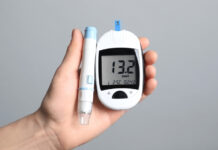













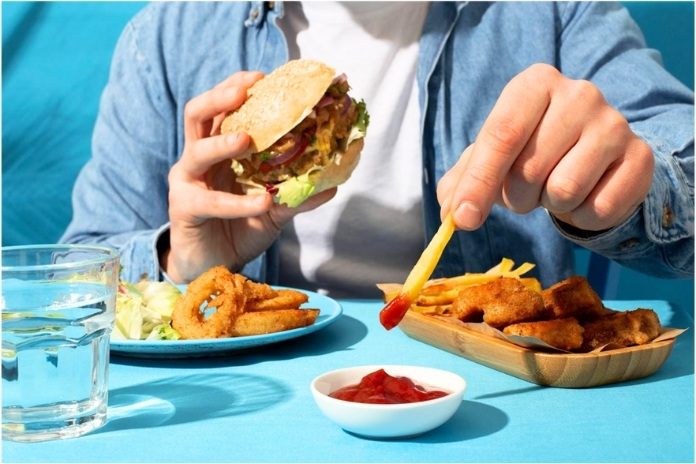
Carb cravings are usually explained in oversimplified ways. People say you lack discipline, you are addicted to sugar, or your bad gut bacteria are working up. What they don’t understand is why the craving feels so strong, so repetitive, and so resistant to “doing the right thing.”
The problem is not a lack of information. It is that cravings are explained as if the body works like a calculator. Eat X, get Y. But the body doesn’t behave like that. It behaves like a system that remembers patterns.
Carb cravings usually begin quietly. One skipped meal here. One light dinner there. A few nights of short sleep. Some background stress that never really settles. Nothing dramatic. But over time, the body starts to expect instability. And once it expects instability, it starts asking for fast fuel before things drop too low.
That request is what you experience as a craving.
This article looks at carb cravings as a pattern, not a problem to suppress. The goal here is not to tell you to “control yourself.” The goal is to help you understand why the craving starts, why it repeats, and why some people never escape the cycle even after eating “healthy.”
What Counts as a “Carb Craving”?

A carb craving is simply not eating rice, bread, or sweets. It is not hunger. Hunger is patient. A craving is impatient. It doesn’t say “food would be nice.” It says “now.” And it doesn’t negotiate.
A carb craving is when the body feels unsettled until a specific type of food is eaten. Not pulses, not vegetables, not eggs. It wants something that turns into glucose quickly.
You may notice:
- You eat enough, but still want something starchy
- You keep thinking about snacks even after meals
- Cravings come at the same time every day
- You feel mentally foggy or irritated before eating carbs
This is different from hunger. Hunger accepts options. Cravings demand precision.
The Most Common Reasons You’re Craving Carbs

1. Blood Sugar Swings
Blood sugar problems don’t only happen to people with diabetes. They happen to people who eat irregularly, skip meals, or eat meals that digest too fast.
When energy rises sharply and then drops, the brain looks for quick fuel. That fuel is carbs. This is why cravings often appear mid-afternoon or late evening, not because the body wants “junk,” but because it wants stability.
2. Not Eating Enough Protein or Fat
Many people think they are eating balanced meals, but protein is often too low, and fats are avoided out of habit. The result is meals that don’t last.
Carbs digest quickly on their own. Without protein or fat to slow things down, the body asks for more food soon after. The craving is not for carbs specifically; it is for staying full.
3. Chronic Stress and Cortisol
Stress eating is real, but not for the reason most people think. Stress increases cortisol, and cortisol pushes the body to seek fast energy.
Under stress, the body prefers fuel that requires less effort to convert. That usually means carbs. This is not emotional weakness. It is basic physiology reacting to long-term pressure.
Telling someone to “manage stress better” without changing their fuel pattern rarely works. The body will keep asking until it feels resourced.
That said, not every craving is purely about fuel. Some are tied to stress relief and habit. As registered dietitian Anna Taylor puts it, “Find things that make your heart happy without going through your stomach first,” she encourages. “A chocolate bar may temporarily relieve that stress, but later on, you’ll come to regret it and be hard on yourself. That’s a perfectly human reaction, but look for replacement behaviors that release that dopamine but don’t rely on nutrition.”
This only helps when stress is the trigger, not when the body is genuinely underfed.
4. Poor Sleep or Sleep Debt
Sleep deprivation doesn’t just make you tired. It changes what your brain considers acceptable fuel.
Sleep loss increases appetite and reduces satisfaction from food. After poor sleep, the brain looks for quick energy and comfort.
This is why cravings feel louder on tired days, even when meals haven’t changed. The body is compensating for lack of recovery, not lack of discipline.
5. Restrictive Dieting or Very Low-Carb Intake
Extreme restriction creates predictive hunger. Carb cravings often intensify because carbs were restricted earlier. The body does not forget food rules easily.
When carbs are labelled as “bad”, the brain treats them as scarce. Scarcity increases desire. This is why many people cycle between control and loss of control around carbs. The cycle is learned, not chosen.
7. Hormonal Shifts (Especially in Women)
Hormones affect how the body handles glucose. During certain phases, the body becomes less efficient at using carbs, which increases the urge to eat them.
Ignoring this and eating the same way every day can increase cravings, fatigue, and irritability. The issue is not hormones being “out of balance”, but eating patterns not adjusting to normal changes.
Are Carb Cravings Ever a Sign of Nutrient Deficiency?
Sometimes, but not in the simple way it’s usually explained.
Low iron, magnesium, or overall calorie intake can increase tiredness and poor focus. When energy is low, the body seeks fast fuel. Carbs become the easiest option.
The craving itself is not pointing to one missing nutrient. It is pointing to an energy system under strain.
Read More: How Your Gut Bacteria Affects Your Food Cravings (And How to Hack It)
Craving Carbs at Night: Why It Happens
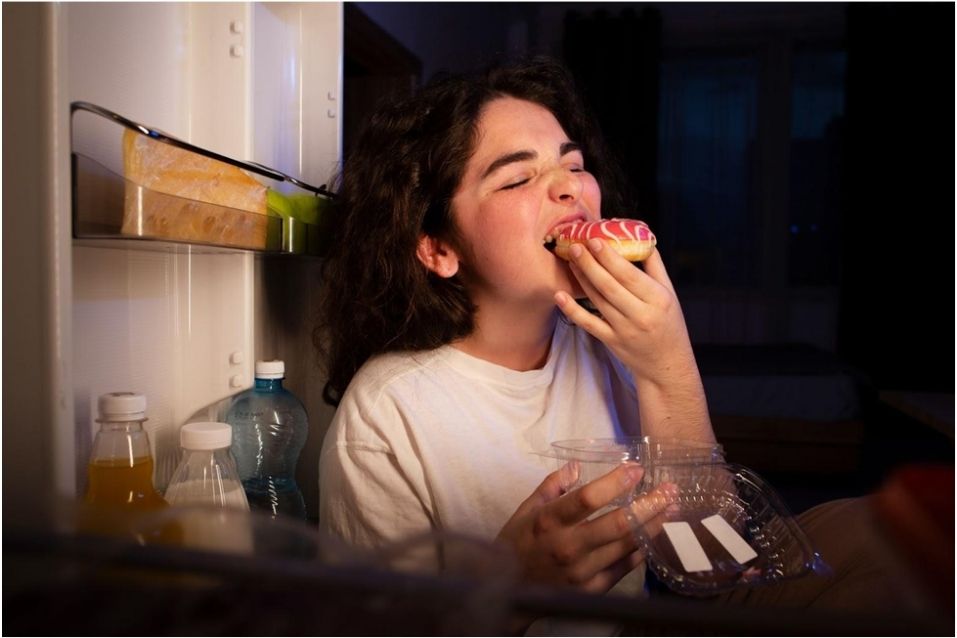
Night cravings are less about food and more about timing.
During the day, many people stay alert, busy, and controlled. At night, the body finally relaxes. Stress hormones drop. Hunger signals become louder.
If food intake was limited earlier, the body tries to compensate. Beth Czerwony, a registered dietitian, notes that people who feel constantly hungry before bed are often not eating enough during the day. She stresses the importance of not skipping meals and recommends including a protein source with each one to help you feel fuller longer.
Also, carbs increase calming brain chemicals, which is why they feel especially appealing before sleep.
This does not mean night eating is wrong. It means the day was demanding.
Read More: What Is Protein Leverage Theory – And Could It Explain Your Cravings and Overeating?
How to Stop Carb Cravings (Based on the Cause)

1. Stabilise Blood Sugar First
Regular meals matter more than perfect food choices. Meals should include protein, fats, and fiber together.
Long gaps between meals increase cravings later. The body prefers predictability, not extremes.
2. Increase Protein Intake Strategically
Protein works best when spread across the day, not pushed into one meal. Breakfast is often the weakest point.
A protein-deficient morning almost guarantees stronger cravings later, no matter how disciplined lunch is.
3. Eat Enough: Not Less
Many cravings are caused by under-eating, especially among people trying to “be good” with food.
“If you’re not eating enough at all, then you’re definitely not getting enough fuel,” registered dietitian Anna Taylor says. “Low-calorie diets or skipping meals may seem like a good idea, but it’s counterproductive because then you’re on an empty tank, which can trigger more – you guessed it – cravings.”
When intake is too low, the body pushes harder. Cravings are often a delayed response to insufficient food earlier.
4. Improve Sleep and Stress Recovery
No diet can outwork poor sleep. Better sleep reduces cravings without changing food in any way.
Stress recovery is not about relaxation techniques alone. It is about giving the body predictable pauses from demand.
5. Choose Smarter Carbs Instead of Avoiding Them
Avoiding carbs increases fixation. Including them properly reduces obsession.
Carbs eaten with protein and fat improve satisfaction and energy stability. The goal is not elimination, but cooperation.
Read More: Air Fryer Recipes for Guilt-Free Cravings (High Protein Options)
Final Thoughts
Carb cravings are not a lack of control. They are a signal that something in the system is misaligned, timing, recovery, intake, or expectations.
Trying to silence cravings without understanding them keeps the cycle alive. Responding to the cause slowly reduces the noise. Most people don’t need more control. They need more understanding of how their body learned to ask this way.
- Carb cravings usually reflect energy instability, not addiction
- Stress and sleep have more influence on cravings than food quality
- Under-eating often causes stronger cravings than eating carbs
- Hormonal changes affect carb tolerance, not willpower
- Nutrition research still focuses heavily on weight loss, leaving a gap in understanding carb cravings linked to stress, sleep, and long work hours
References
- Cleveland Clinic. (n.d.). How To Stop Your Cravings for Carbs. Cleveland Clinic.
- Corsica, J. A., & Spring, B. J. (2008). Carbohydrate craving: A double-blind, placebo-controlled test of the self-medication hypothesis. Eating Behaviors, 9(4), 447–454.
- (2015). Strategies to Control Cravings . Usda.gov.
In this Article