















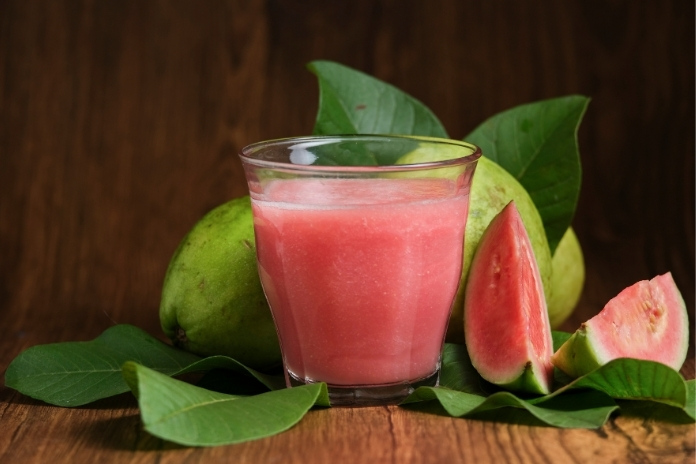
Guava juice can feel great for some people and even seem to reset their digestion. For others, it can cause bloating, a heavy feeling, or stomach cramps. This is confusing because guava juice is often praised for its fiber and vitamin C, which support gut health.
The varied reactions to guava juice occur because individuals have different digestive systems. Both the method of preparation and individual digestive sensitivity influence how the body responds.
Guava is naturally rich in dietary fiber, especially in the pulp and seeds. This fiber can help support regular bowel movements and act as a mild natural laxative. However, too much fiber, especially fiber that’s hard to digest, can be fermented by gut bacteria and cause bloating from guava juice. This is more likely in people with sensitive digestion or IBS.
So the critical pulp rule becomes your friend here. Whether you consume guava juice with the pulp or strain it, this determines whether it will aid digestion or cause digestive problems. By understanding this difference, you can decide how to consume guava juice for digestion to suit your personal gut health needs.
Read More: Are Hybrid Fruits Healthier? What You Need to Know About Crossbred Produce
Why Guava Juice Can Relieve and Trigger Digestive Issues
Guava juice stands out among other digestive aids because it has both soluble and insoluble fiber, and the ratio between these two is actually more important than most people think.
The fiber in guava juice, especially when pulp and seeds are present, helps make the stool more solid and promotes bowel movement. Therefore, guava juice for constipation works well for those with a slow digestive system or irregular bowel movements. Insoluble fiber, for the most part, passes through the digestive system without being broken down and stimulates peristalsis, making it easier for waste to be eliminated.
Yet people with sensitive digestive systems may not be able to properly digest insoluble fiber. It may, therefore, ferment in the colon, causing gas and bloating from guava juice or tummy pain. Seeds make things worse because they are hard, will take a long time to break down, and some people feel mechanically irritated by them.
This could be the reason that people who have IBS, acid reflux, or delayed gastric emptying usually get worse symptoms if they drink unstrained guava juice. Here, the digestive system isn’t the problem; it is simply reacting to a too high or not well-tolerated fiber load.
The simple but often neglected message is that digestive health varies from one person to another. The very guava juice that regularizes bowel movements in one individual may cause a gut microbiome imbalance in another if taken without adjustments.
The “Critical Pulp Rule” for Guava Juice
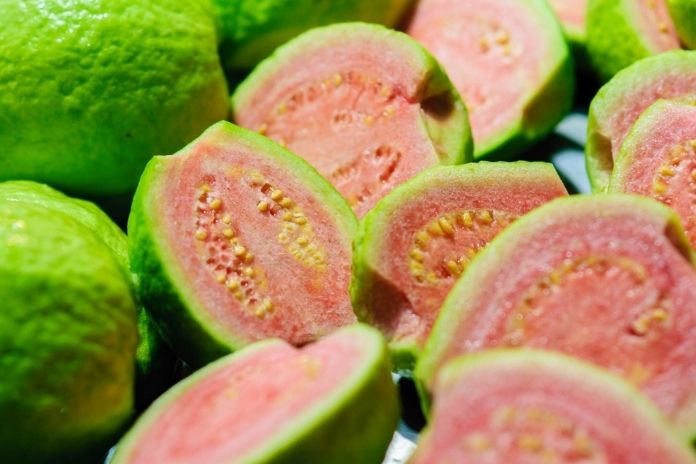
The Critical Pulp Rule exists to resolve this contradiction. It distinguishes between using guava juice as a fiber-forward digestive aid versus a gentler, stomach-friendly beverage.
For Regularity—Keep the Pulp and Seeds
Guava juice is nature’s remedy for anyone suffering from constipation or having drastically reduced bowel movements. Undoubtedly, guava pulp will show the best effect if the fruit is mixed without having any pieces discarded, as the pulp is the region where the dietary fiber is held at its maximum.
The insoluble fiber adds to the stool mass, and the soluble fiber attracts water, resulting in softer stools and easier passage. The dual action helps maintain regularity in guava juice and can thus reset the healthy bowel function.
Additionally, guava juice, packed with fiber, helps balance gut microbiota by providing beneficial bacteria. Those with slow digestion who are tolerant of fiber might find this treatment beneficial and hence can definitely consume a can of fresh guava juice as part of a gut health routine.
To get the significant benefits of guava without stressing the gut, the fruit should be at its peak and well blended. The fibers in ripe fruit are softer, making them easier to digest and less likely to cause irritation.
Read More: Fruit Juice Or Whole Fruits? Difference and Advantages!
For Preventing Bloating—Remove the Seeds and Strain the Pulp

If bloating, gas, or abdominal discomfort keeps recurring, the same guava juice has to be treated differently. Here, straining the seeds and excess pulp lowers the total fiber intake and also helps the body to digest it better.
Guava seeds are poorly digestible and can linger in the intestines, increasing fermentation and discomfort in some people. When guava seems to worsen constipation, it’s usually due to context rather than the seeds alone. Inadequate hydration can cause fiber to firm up stools instead of softening them, while a sudden increase in fiber may temporarily slow digestion.
Unripe guava, which is higher in tannins, can also reduce gut motility and harden stools. For those with IBS, slow digestion, or sensitive guts, seeds may be mildly irritating, making strained guava juice a gentler, more tolerable option.
Strained guava juice still provides vitamin C, antioxidants, and hydration benefits, while having a lighter fiber content that is less irritating to the digestive system. Such a method helps to keep the digestive system healthy without causing symptoms.
It is best to use a medium mesh strainer. It removes most seeds and rough fibers but still lets some soft pulp through. This way, the gut can tolerate fiber in guava juice without exceeding its capacity.
Guava Juice Digestive Comparison
 This difference highlights why guava juice relieving constipation and guava juice causing bloating are two sides of the same coin. Preparation determines outcome.
How to Drink Guava Juice for Optimal Gut Health
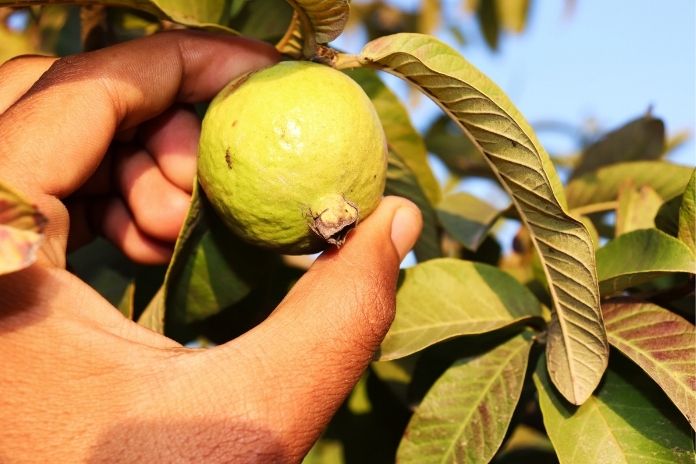
Timing and context play a significant role in how guava juice interacts with digestion. Drinking it in the morning supports natural digestive rhythms, as gut motility is highest earlier in the day. Morning intake allows fiber to move efficiently through the intestines, reducing the chance of fermentation and discomfort.
Consuming guava juice late at night, on the other hand, may lead to bloating or gas because digestive activity naturally slows during sleep. Ripeness is equally important; unripe guava contains tougher fibers that are more difficult to digest and more likely to irritate.
Moderation is essential. Even beneficial fiber can overwhelm the gut if consumed excessively. Limiting intake to one or two glasses daily allows the digestive system to adapt gradually. Adequate hydration further promotes fiber absorption, making guava juice more effective and easy to digest.
These practical adjustments help prevent bloating and form the basis for drinking guava juice in a way that supports digestion without unwanted side effects.
Read More: The Best and Worst Fruits For Diabetics
The Gut-Health Benefits of Guava Juice

When prepared correctly, guava juice for gut health can provide multi-layered digestive support. On one hand, its fiber content facilitates bowel regularity. On the other hand, it promotes a healthy gut microbiome over the long term. The gut’s friendly bacteria ferment plant fibers into short-chain fatty acids, which in turn feed intestinal cells and strengthen the gut lining.
Guava is rich in vitamin C, which not only promotes iron absorption but also is involved in the maintenance of the intestinal barrier. Antioxidants like quercetin and lycopene help reduce oxidative stress in gut tissues, which can be very helpful for individuals with chronic digestive inflammation.
Guava juice, when used properly, promotes digestion rather than simply providing short-term relief.
When to Avoid or Modify Guava Juice Intake
Despite its benefits, guava juice is not suitable for everyone in its whole-fruit form. Individuals with IBS or highly sensitive digestion should approach it cautiously, beginning with strained juice and small portions. Seeds should be avoided if bloating or cramping is a recurring issue.
Pairing guava juice with heavy, high-fat meals may slow gastric emptying and increase discomfort. Persistent digestive symptoms, such as chronic constipation, unexplained bloating, or abdominal pain, should prompt consultation with a healthcare provider rather than reliance on dietary fixes alone.
The Takeaway—One Fruit, Two Digestive Outcomes
Guava juice is not inherently calming or irritating. In fact, its effect on digestion largely hinges on one crucial decision: whether or not to keep the pulp. The critical pulp rule enables you to tailor your consumption according to the needs of your gut.
Keeping the pulp in the juice helps maintain regular bowel movements and increases fiber intake. Whereas removing the pulp aims to reduce bloating. With the right timing and preparation, guava juice can be a helpful addition to a gut-supportive routine.
References
- The Times of India. (2024, January 22). 4 types of people who should avoid eating guava: Know its side effects and risks.
- Author(s). (2024). Use of natural vitamin C in traditional diets. Journal of Nutrition and Biochemistry, 128, Article 111192.
- Ask Ayurveda. (n.d.). Can we eat guava at night? Ayurvedic view, benefits and side effects.
- Facebook. (2025, January 21). Post on guava health benefits [Facebook group post].
- ABC Fruits. (n.d.). 15 incredible health benefits of eating guava.
- 1mg. (n.d.). 5 surprising benefits of eating guava on an empty stomach.
In this Article