














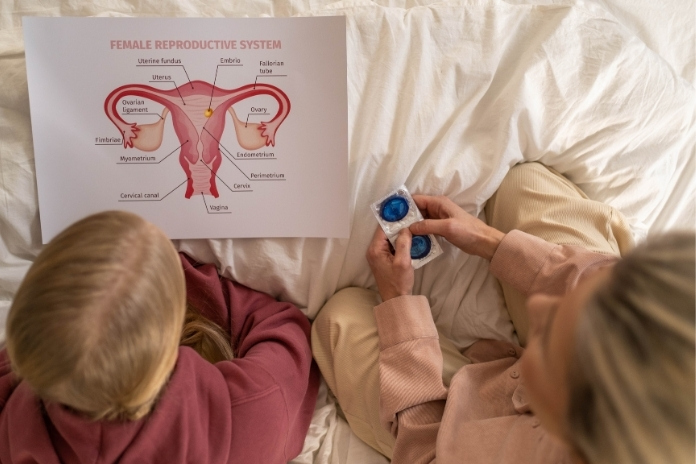
For centuries, people have linked the hymen to the virginity of a woman. Naturally, people assume the girl is not a virgin if her hymen has broken. However, this is not right. There are several myths related to a woman’s fertility and virginity, and unfortunately, this one tops the list. Is a broken hymen really a sign of non-virginity? What exactly happens when your hymen breaks? If you can, are there any ways to prevent this? Well, understanding the causes can help in solving this puzzle. Read on to know how!
The hymen is a thin elastic membrane situated just inside the vagina. Although it has been clouded by myth for hundreds of years, it is simply a normal aspect of female anatomy. Far too many people believe that a hymen “breaking” always indicates that the woman is no longer a virgin, which is not true. In fact, the hymen can be stretched or torn by a variety of sexual and non-sexual activities, including the use of tampons, while playing sports, and even during medical procedures.
Understanding what happens when your hymen breaks is important for both physical and emotional well-being. In this article, we’ll explore the anatomy of the hymen, what causes tears, symptoms to watch for, proper care, ways to prevent discomfort, and when to seek medical advice. This knowledge helps burst myths, reduce anxiety, and promote self-care strategies.
What Is the Hymen? (Structure and Function)

The hymen is a flexible ring of tissue that partly covers the vaginal opening. Its elasticity, thickness, and shape vary across women. The common types of hymen include:
- Crescent-Shaped Hymen: This is a thin rim on one edge of the vaginal opening.
- Annular Hymen: A ring with a central opening, which is the most normal type.
- Septate Hymen: A ring of tissue that partially obstructs the vaginal opening and can cause minor discomfort.
- Imperforate Hymen: This one totally obstructs the vaginal opening and might interfere with menstruation, and requires a minor surgical procedure.
With no known biological function, the hymen consists of nerve endings that sense flexibility or tearing. Its elasticity depends on hormonal flux, age, and physical activity. For instance, estrogen hardens tissues to be more flexible during puberty, and frequent tampon use or sports may loosen the hymen eventually.
How Does the Hymen Break? (Stretching vs Tearing Explained)
The phrase “hymen breaking” is misleading. Rather than shattering, the hymen will stretch or tear slightly, depending on its elasticity and the activity performed. Some people experience mild pain or hymen break pain, others witness hymen break bleeding, and others witness nothing.
Typical circumstances that can lead to stretching or tearing include:
- Physical activity like gymnastics, bicycle riding, and horseback riding can stretch the vaginal opening.
- Insertion of a tampon or menstrual cup is another situation. First-time insertion can tear or rupture the hymen. Soft insertion and proper size help reduce discomfort.
- Penile-vaginal intercourse is one of the most common causes of breaking the hymen. Vaginal penetration will at most tear the hymen with a minimal amount of effort, sometimes resulting in minor bleeding or stinging.
It is to be noted that some people are born with very little hymenal tissue, such that tearing is almost invisible, whereas others may have few symptoms. Such differences point towards the fact that hymenal changes are normal and one-of-a-kind for everyone.
Read More: What Happens To Your Body When You Lose Your Virginity? 8 Possible Changes!
Causes of Hymen Tear (Sexual and Non-Sexual Reasons)

Hymenal tears can be caused by sexual and non-sexual factors, and they are likely to be a normal part of life.
Sexual causes:
- Vaginal intercourse, especially during the initial time of penetration.
- Digital penetration (insertion of fingers).
- Penetration of the vagina with sex toys or other objects.
Non-sexual causes:
- Insertion of a menstrual cup or tampon.
- High-impact sports such as horse riding, cycling, or gymnastics.
- Medical intervention or sudden extreme trauma to the pelvic area.
Key points:
- Hymenal tearing is a usual anatomical process and not necessarily related to sexual experience.
- Tissue size, elasticity, and morphology affect the visibility of a tear.
- Non-sexual tearing is typical, further establishing the fact that the hymen is not a reliable measure of virginity.
“The hymen is not like a seal on a drink. Hymens come in various shapes and sizes,” said Wendy Goodall McDonald, M.D., a board-certified OB-GYN and a clinical instructor at the Northwestern University Feinberg School of Medicine in Chicago. “Some are wider and some are more narrow. Some will ‘break’ with first penetrative intercourse, and some won’t. Some will break before or outside of intercourse. “The state of the hymen is not evidence of sexual activity or lack thereof,” she added.
By understanding these causes, people will be able to meet hymenal changes head-on, not in fear or bewilderment.
Symptoms of Hymen Tear (What You Might Feel)

Symptoms of a hymenal tear can be quite varied, depending on individual anatomy, the type of hymen, and the activity involved in the tear.
Most people experience mild or transient symptoms, and others notice nothing.
Common symptoms are:
- Pain or Stinging: Sudden pulling sensation, burning, or sharpness at the time of tearing. Pain is minimal and temporary.
- Light Bleeding or Spotting: Minute tears result in a few drops of blood, typically lasting a few hours. Spotting for one day is possible in a few cases.
- Tenderness or Soreness: There is usually minor pain for a couple of days, especially with sitting, exercise, or insertion of a tampon.
Other points to remember:
- Some women have no symptoms at all, and that is just fine.
- The intensity of symptoms can vary from woman to woman, even while performing similar activities.
- Understanding that range can make the experience more normal and reduce stress.
Practical advice: Pay attention to your body, treat it well, and look out for constant pain or bleeding, which are crucial signs to go to the doctor.
Read More: 7 Vaginal Health Myths Doctors Wish Women Would Stop Believing
How Is a Hymen Tear Diagnosed? (Can You Tell if It’s Broken?)
The vast majority of people want to know, “Can you tell if your hymen is broken?” Most of the time, the answer is no. Hymenal tissue varies in thickness, pliability, and shape, so self-diagnosis is not reliable.
Health care providers do not “test” for hymen tears that frequently except in the following situations:
- There is repeated pain or discomfort.
- Trauma or injury is suspected.
- Structural abnormalities (septate or imperforate hymen) are present.
A pelvic exam may be performed to detect tears or anatomical variations, basically to alleviate pain, obstruction, or menstrual issues, and not to judge sexual behavior.
Key Takeaway: The state of the hymen is neither able to prove nor disprove virginity or sex, and awareness about this unburdens anxiety and abolishes harmful myths.
Treatment and Care After the Hymen Breaks
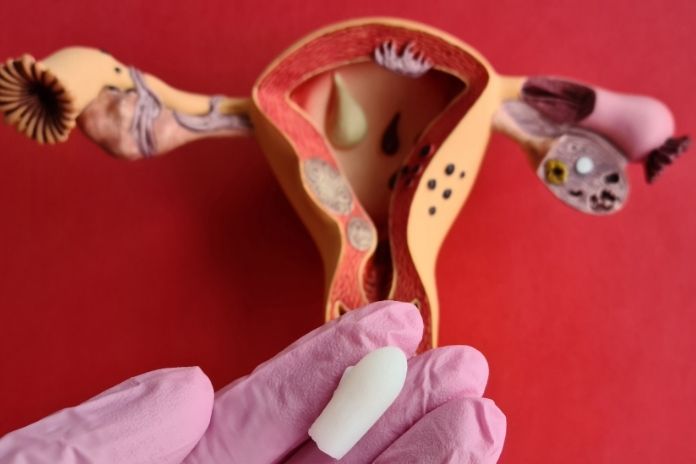
Most ruptures of the hymen heal on their own within a few days to weeks with no medical treatment needed. Proper care can not just reduce discomfort but also decrease the risk of infection.
Home care tips include:
- Keep the area as clean and dry as possible. It is best to clean gently with soap and water.
- Wear loose cotton underclothes and avoid wearing tight clothing that might rub on the site.
- Use over-the-counter pain medication (ibuprofen or acetaminophen) for soreness if necessary.
- Stay away from scented products or harsh soap, as these can irritate the site.
Seek medical care if:
- You experience heavy bleeding, or it lasts longer than expected.
- The pain exceeds three days in duration.
- The signs of infection show up. These include strange discharge, odorous discharge, swelling, or fever.
- Most hymenal tissue partially heals without scars. Emotional reassurance is also critical, as we must understand that pain or bleeding fear is common.
How to Avoid Pain or Discomfort When the Hymen Breaks
Prevention can reduce pain on breaking the hymen and increase comfort on the first-time experience.
- Use Lubrication: Try to use water or silicone lubricants to reduce the friction during sex or tampon use.
- Relax Pelvic Muscles: Tension increases discomfort. Try deep breathing and relaxation techniques, which may help.
- Start Small: Try smaller tampons or menstrual cups on the first few times.
- Communicate with Partners: Communication during sex encourages comfort and reduces tension. Have a clear talk with your partner for a smoother experience.
Preparation, taking it slow, and listening to your body are all essential comfort techniques.
When to See a Doctor

Visit a health care provider if you experience:
- Pain or heavy bleeding that recurs.
- Signs of infection (discharge, smell, swelling, fever).
- Suspected hymenal anomalies (imperforate or septate hymen).
- Need for sexual health education, reassurance, or counseling.
Visiting a healthcare provider can assure you peace of mind and equip you with the right knowledge.
Read More: Fertility Myths Women Still Believe (and What Science Actually Says)
FAQs About Hymen Breaking
- Is the hymen always going to bleed when it breaks?
No. Some experience light bleeding or spotting, while others notice no bleeding. It is a function of tissue thickness, flexibility, and activity.
- Is it painful when your hymen breaks?
The type of pain varies. While some women experience short stinging, pulling, or burning, some might feel no pain at all.
- Can a tampon rupture your hymen?
Yes. Putting in a tampon or menstrual cup may stretch or tear the hymen. Taking a gentle method and the correct size can reduce discomfort.
- How long does it take for the hymen to heal?
Small tears will typically heal within a few days to weeks, depending on tissue elasticity and the activity causing the tear.
Breaking your hymen does not mean you lost your virginity. Virginity is a socially and culturally defined concept, and hymenal tears may be caused by non-penetrative activity, such as sports, tampon insertion, or examination.
Conclusion
The hymen is an ordinary body part, and it can stretch or tear as a natural thing in life. Symptoms may be extremely variable, and most people have no symptoms at all. Resting, good care, and responding to warning signals promote rest and comfort. Most importantly, hymen status and virginity are not the same, and this understanding decreases stress, dispels myths, and promotes informed care.
By understanding hymenal anatomy, causes of tears, symptoms, and treatment strategies, people can approach these changes confidently and with certainty. This allows us to bust certain myths that have been around for years now!
References
- https://pmc.ncbi.nlm.nih.gov/articles/PMC6547601
- https://www.draliabadi.com/womens-health-blog/myths-of-the-hymen
- https://health.osu.edu/health/ob-gyn/myths-and-facts-about-hymen
- https://www.webmd.com/women/what-to-know-about-the-hymen
- https://flo.health/menstrual-cycle/health/period/what-is-hymen-and-how-it-changes
In this Article