
















Let’s talk about earwax today! You might feel that this is something so trivial, right? Earwax is something we don’t think about very often, until it turns color, hurts, or appears on a cotton swab to look different than usual. But very, very far from being simply a nuisance or a cleanliness issue, the color of your earwax can be a subtle sign of the state of your ears in general.
Made naturally by glands in your ear canal, earwax (also known as cerumen) serves as an important dirt-trapping, skin-lubricating, and infection-protecting shield. But not all earwax is created equal. Its color and consistency can change based on factors such as genetics, environment, infections, and trauma. Learning to know what those changes mean can help you catch problems early, before they become a bigger deal.
In this article, we’ll understand what various earwax colors and textures can tell you about your health, the difference between earwax and ear discharge, and safe methods to handle buildup.
What Is Earwax and Why Do We Have It?
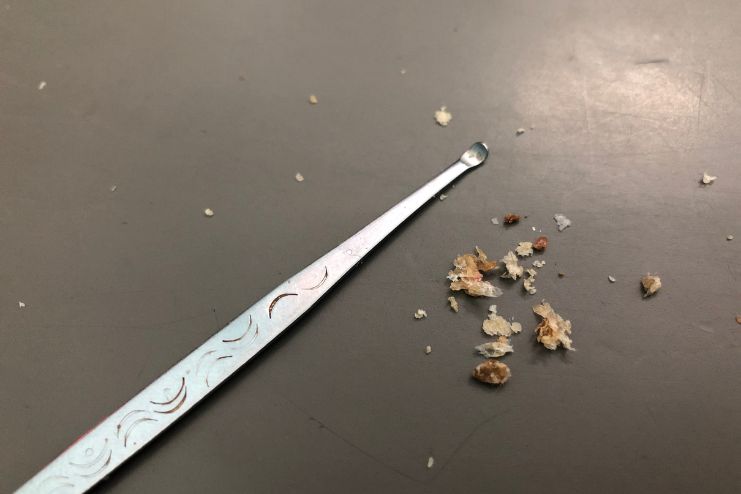
Earwax is a natural, oily substance made in the ear canal through a process involving a mix of ceruminous glands, sebaceous glands, and dead skin cells. Although many people confuse it, earwax is an essential part of the body that keeps your ears free from infection and pain.
Why does your body produce earwax? Earwax helps in the following ways:
- Catches dust, bacteria, and debris before they can reach the eardrum
- Offers natural protection from microbes or other small organisms
- Keeps dry, scratchy skin out of the ear canal
- Moves out slowly to eliminate debris and dead skin
Wet vs. Dry Earwax:
Wet earwax is golden to dark brown and sticky, more common in African and European populations
Dry earwax is pale, flaky, and more prevalent in East Asian and Native American populations
Factors affecting earwax production and color:
- Genetics
- Age (wax can get drier with age)
- Diet and hydration
- Exposure to dust or pollution
- Use of earbuds or hearing aids
- Underlying skin or ear conditions
Common Earwax Colors and Their Meanings

Let’s have a look at what different earwax colors might signify, beginning with a quick explanation and then highlighting the most important takeaways for each:
Light Yellow or Pale Orange Earwax:
This is normally observed in children and young adults and typically means freshly secreted, healthy cerumen. It is light in texture and indicates an efficiently functioning self-cleaning ear canal.
What this means:
- Normal and healthy in younger people
- Shows the new production cycle
- Adequate oil and moisture in the canal
- No evidence of infection or inflammation
When to act:
No action is required unless there’s a visible accumulation or a sense of discomfort in the hearing
Golden or Yellow to Brown Earwax:
This is the most frequent color of earwax in normal healthy adults. When cerumen accumulates particles and gets older, it darkens due to air exposure and oxidation. This harmless process of oxidation and darkening is usually a sign of a normal body waste-removing system.
What this could mean:
- Normal aging and oxidation of earwax
- Health and cleanliness of the ears
- The effective natural cleaning function of the ear canal
When to act:
If it becomes too thick, clogs the hearing, or is uncomfortable
Dark Brown or Black Earwax:
Dark brown or black earwax usually occurs when old wax has oxidized, perhaps if it has been around for a while. Although this can be perfectly normal, occasionally it can be an indication of blood in the wax or fungal growth, particularly if it is also dry or crumbly.
What this could indicate:
- Exposure to air for long periods of wax
- Common in patients with increased melanin (dark skin types)
- Potential of minor bleeding or skin irritation if there are flakes
- Potential fungal growth if itchy or has an odor
When to act:
Consult a doctor if it is accompanied by itching, pain, or a bad odor
Read More: New Study Finds Possible Therapy For Hearing Loss
Gray Earwax:
Gray earwax may come as a shock, but it is usually caused by embedded dust or pollution particles, particularly in urban settings. In individuals with dry-type earwax, it’s also found to be genetically normal.
What this could mean:
- Trapped dirt or environmental pollutants
- Normal variation in people with dry-type wax
- May be associated with dry skin conditions such as eczema
When to act:
- If the canal is dry, itchy, or inflamed
- If the wax is extra flaky or causes repeated discomfort
White or Dry Earwax:
White or off-white wax will usually be the dry type and is genetically common in East Asian people. It contains fewer lipids and flakes on its own, yet could also be a sign of dry or irritated ears.
What this could mean:
- Normal gene variant
- Low-fat cerumen with fewer sweat glands
- It could be a sign of dehydration or over-cleaning
- Occasionally associated with eczema or psoriasis
When to act:
If followed by scaling, itchiness, or inflammation
Red or Bloody Earwax:
Full-blooded or entirely red wax is a warning sign. It may be a sign of trauma to the ear canal, eardrum rupture, or forceful ear cleaning using cotton swabs or sharp objects.
What this could mean:
- A cotton swab or scratching injury
- Ruptured blood vessels in the canal wall
- Middle or outer ear infection
- Damage to the eardrum in severe cases
When to act:
- Call your doctor immediately
- Particularly if it pairs with pain, dizziness, or discharge
Green or Smelly Earwax:
Green earwax is a warning sign, usually indicating a bacterial infection, particularly if accompanied by a strong, foul odor. This is generally moist wax and can be accompanied by swelling, heat, or redness of the outer ear.
What this could mean:
- Bacterial overgrowth of the outer ear canal
- Infections such as otitis externa (swimmer’s ear)
- Potential pus commingling with wax
- Comes with pain, swelling, and itching
When to act:
- See a doctor immediately
- May require antibiotic ear drops or cleaning
Read More: Safe and Effective Methods To Keep Your Ears Clean
What Texture and Smell Can Tell You

Texture and odor provide additional clues beyond color. Together, these features can indicate infection, blockage, or dermatological issues.
Sticky vs Dry Texture:
- Sticky wax is normal in people with wet-type cerumen, but it traps more dust
- Dry wax flakes off easily and can itch in dry climates or people with eczema (a skin condition)
Odor:
- Normal earwax is odorless or has a faint musky odor
- An off smell, foul, sour, or rotten odor could indicate a bacterial or fungal infection
- Odor with pain or green discharge indicates active infection
Crumbly or Flaky Wax:
- Due to over-cleaning, dryness, or dermatological conditions
- This may also mean seborrheic dermatitis, eczema, or psoriasis, all of which are skin conditions and require medical treatment.
Read More: Best hydrogen Peroxide for Ear Wax
When to Be Concerned About Your Earwax Color

While most earwax changes are benign, some combinations of color, texture, and symptoms should not be ignored.
Warning signs to watch for:
- Sudden shifts to red, green, or black wax with symptoms
- Hearing loss, ringing, or sensation of fullness
- Pain or visible swelling around the ear
- Discharge that is watery, pus-filled, or foul-smelling
- Itchiness with scaly or crusty skin in the ear canal
- Chronic wax impaction or recurrent ear infections
Ear Discharge vs. Earwax:
- Earwax is flaky or sticky and yellow to brown or gray
- Discharge (otorrhea) is thin, watery, and often bloody or purulent
- Discharge usually indicates infection, trauma, or a perforated eardrum
Safe Earwax Removal Tips

A lot of people are tempted to clean their ears daily with cotton swabs, but this really forces the wax deeper and hurts the ear canal. Generally, the ears naturally clean themselves. Here are a few safe earwax removal tips:
What not to use:
- Cotton swabs or Q-tips (yes, cotton swabs do more harm than good, surprisingly)
- Metal picks or hairpins
- Ear candles (found to be useless and dangerous)
Safe removal alternatives:
- Earwax softening drops: Over-the-counter drops that include mineral oil, baby oil, or hydrogen peroxide
- Warm water syringe: A bulb syringe is gently used after the wax has been softened. This can be done by a specialist (ENT physician).
- Professional cleaning: Performed by audiologists or ENTs with suction or curettes
When to get professional assistance:
- You have pain or hearing loss
- You have a suspected damaged eardrum
- You use hearing aids or have blockages frequently
If you experience any of the above issues, then visit a specialist immediately. Do not follow home remedies, as they are of no use in such cases.
Conclusion
Earwax is not just body waste; it’s a natural health monitor for your ears. Yellow, brown, or gray wax is normally part of regular ear maintenance, but sudden changes to red, green, or black, particularly with itching, pain, or discharge, need immediate attention.
By knowing what various earwax colors and textures mean, you can better determine when to let your ears take care of business and when to call for medical assistance. And don’t forget: your ears are self-cleaning organs. With the right information, all you have to do is listen.
References
- https://www.uclahealth.org/news/article/6-things-you-need-know-about-earwax-removal
- https://entlondon.org.uk/blogs/the-secret-life-of-earwax-see-what-it-says-about-your-health/
- https://www.hearingpartners.com.sg/black-ear-wax/
- https://entsalem.com/what-your-earwax-says-about-your-health/
- https://audioandhearing.com/3-factors-that-influence-cerumen-production%EF%BF%BC/
- https://www.lybrate.com/topic/earwax-did-you-know-its-color-can-say-a-lot-about-your-health/72f97edaf0a53bafe762af89a9460e26
In this Article