














When people hear “low testosterone,” they generally link it first with dwindling libido or loss of muscle. That viewpoint overlooks the larger picture in such cases. Testosterone is essential to cognitive function, energy, mood control, the distribution of fat, as well as bone and joint health. Since the impact may be subtle or attributed to aging, stress, or lifestyle, these things frequently go undetected or mislabeled.
Why it’s important: Guys in their 30s, 40s, and 50s, particularly those with stressful jobs or family obligations, may attribute fatigue, moodiness, or mental fogginess to “just getting older.” But more often than not, it’s not age at all; it’s low T. This article is for anyone interested in learning about the early warning signs of testosterone deficiency and taking control of their health.
What Is Testosterone and Why Does It Matter?
The Role of Testosterone in the Body
Testosterone is not just a sex hormone. It affects almost every system in the male body, including:
- Energy and Vigor: Sustains stamina and strength
- Brain Function: Aids in memory, focus, and mental clarity
- Regulation of Mood: Impacts neurotransmitters such as dopamine and serotonin
- Bone Density: Sustains bone density and joint function
- Distribution of Fat: Controls how and where fat is deposited
Testosterone naturally decreases with age, but it may also be influenced by stress, lack of sleep, obesity, and underlying medical conditions.
What’s Considered “Low T”?
Low testosterone is generally diagnosed when:
The test should be taken between 7 a.m. and 10 a.m. when testosterone is the highest. Two tests are usually needed for diagnosis.
Overlooked Signs and Symptoms of Low T
The ‘low T’ situation can be quite frustrating for men. However, diagnosis at the right time can help correct this. And it is possible only if we pay attention to certain overlooked signs of low testosterone:
1. Constant Fatigue or Energy Slumps
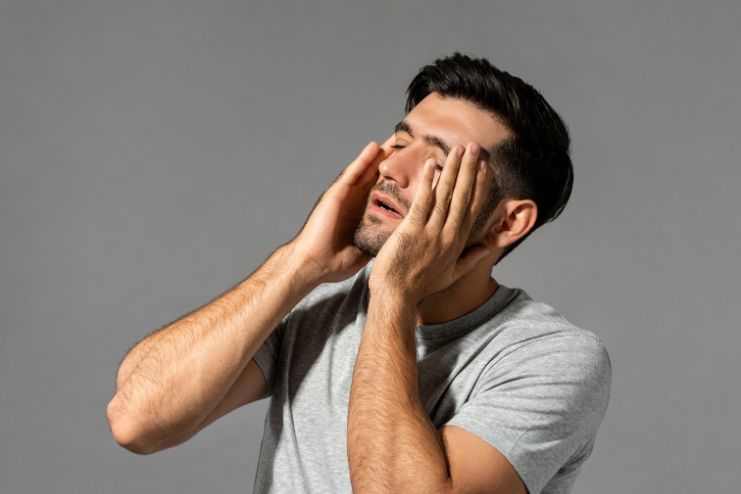
Low-T men experience chronic fatigue despite getting a full night’s rest. It feels like trudging through the day, needing loads of caffeine, or feeling the need for frequent naps.
- Low energy in the morning after 7–8 hours of sleep
- Mid-day crashes
- Less strength during workouts
2. Brain Fog and Trouble Concentrating
Low testosterone is associated with neurotransmitter imbalance, which impacts cognition. Brain fog, forgetfulness, and poor concentration are typical complaints.
- Difficulty concentrating at work
- Forgetting names, dates, or assignments
- Mental fatigue and sluggish thinking
3. Low Motivation or Drive (Apathy)
This is more than being tired or lacking motivation. Low T can decrease the motivation to take the initiative, go after goals, or even participate in once-loved activities.
- Procrastination and lack of drive
- Loss of interest in hobbies or social activities
- Difficulty with maintaining productivity
4. Mood Swings, Irritability, or Mild Depression
Mental health is greatly affected by testosterone. Low levels can cause irritability, emotional sensitivity, anxiety, or depressive moods.
- Being short-tempered or moody
- Frequent sad feelings
- Withdrawing from friends and/or partners emotionally
5. Poor Sleep or Night Sweats

Imbalances in hormones usually cause sleep disruption in men, too. You might have trouble falling asleep, or have night sweats.
- Insomnia or restlessness while sleeping
- Waking up sweating
- Groggy during morning and afternoons
6. Increased Body Fat or Gynecomastia
Testosterone helps in body composition control. A deficiency can result in fat storage, particularly around the stomach, and even gynecomastia (enlarged breasts).
- Increase in belly fat even when exercising
- Softening of the chest tissue is visible
- Difficulty in weight loss
7. Weakened Bones or Joint Pain

Testosterone maintains bone density. With insufficient amounts, men may experience early osteoporosis or joint pain.
- Chronic stiffness of the joints
- Knee, hip, or lower back pain
- Loss of height or fractures in severe cases
Read More: New Study Shows Impacts Of Environment On Levels Of Testosterone In Men
What Causes Low Testosterone?
Low testosterone does not develop in a vacuum. Several causal factors can interfere with hormone production or regulation:
Age-Related Decline
At about 30 years of age, testosterone levels fall approximately 1% annually. This gradual decrease is typically slow but may already lead to symptoms by the time a man is in his 40s or 50s.
Chronic Stress
Repeatedly elevated cortisol levels from chronic stress inhibit testosterone production. Prolonged mental stress, excessive work, and lack of work-life balance may drive this hormonal imbalance.
Sleep Disorders
Sleep disorders such as sleep apnea, insomnia, or irregular sleeping patterns dramatically affect testosterone synthesis, which mostly happens during deep sleep phases.
Obesity and Insulin Resistance
Too much body fat, particularly visceral (abdominal) fat, boosts aromatase enzyme activity, which changes testosterone to estrogen—depleting levels of available T. Obesity also leads to ongoing inflammation that disrupts hormonal function.
Poor Nutrition
Eating diets that omit healthy fats, zinc, magnesium, or vitamin D can reduce testosterone secretion. Processed foods, too much sugar, and alcohol make it worse.
Medications and Medical Conditions
A few medical conditions, or even certain medications, impact testosterone levels in men. These include:
- Opioids and corticosteroids reduce testosterone directly
- Chemotherapy and radiation harm testicular function
- Pituitary disorders distort hormone signaling
- Chronic diseases such as type 2 diabetes, kidney disease, or HIV
Read More: Optimize Your Brain Health: 6 Nootropic Supplements for Cognitive Enhancement
Testing and Diagnosis
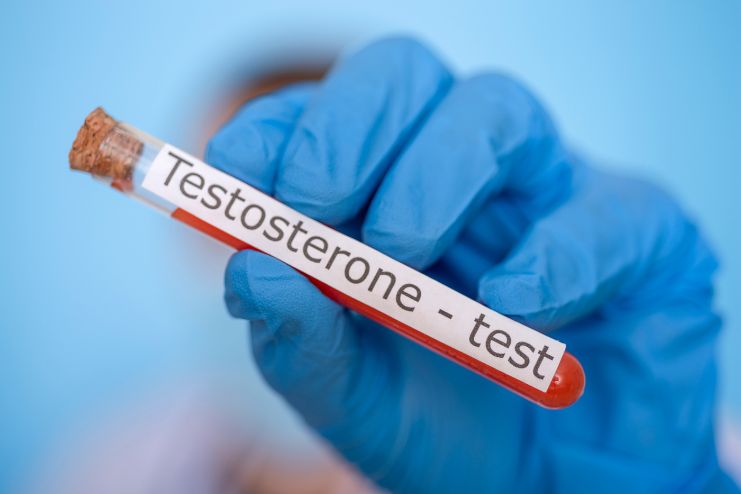
When to Talk to Your Doctor
Talk with your doctor if you have several symptoms for a few weeks. Watch closely for changes in mood, energy, sleep, and thinking.
Types of Blood Tests Used
- Total Testosterone (first-line diagnostic marker)
- Free Testosterone (available hormone supply)
- LH and FSH (pituitary function)
- SHBG (testosterone binding protein)
- Prolactin, PSA, and thyroid panels for thorough evaluation
Timing and Accuracy Considerations
- Test between 7 a.m. and 10 a.m. for best readings
- Avoid testing during acute illness or stress
- Reinforce with a second test before treatment initiation
What You Can Do if You Suspect Low T
Now that we know about the symptoms and the diagnosis methods of Low-T, here are a few things you can do if you think you are facing this issue:
Lifestyle Interventions First

Before leaping into prescriptions, basic lifestyle changes can contribute greatly to testosterone balance:
- Opt for strength training as it increases natural testosterone and decreases belly fat
- Go for a balanced, whole-food diet always. Prioritize healthy fats (avocados, nuts, olive oil), lean protein, and cruciferous vegetables
- Try to reduce stress in your daily life. Meditation, yoga, or therapy can lower cortisol and help you relax.
- Prioritize sleep and aim for 7–9 hours of quality sleep with consistent timing and the right sleep schedule.
- Limit alcohol and avoid drugs, as these substances impair hormone production
- Aim and lose excess weight, as even a 10% reduction can significantly improve hormone levels in men.
Consistency is key—most men see benefits within 8–12 weeks of consistent changes.
Read More: Estrogen Dominance in Men: The Hidden Hormonal Imbalance No One Talks About
Testosterone Replacement Therapy (TRT)
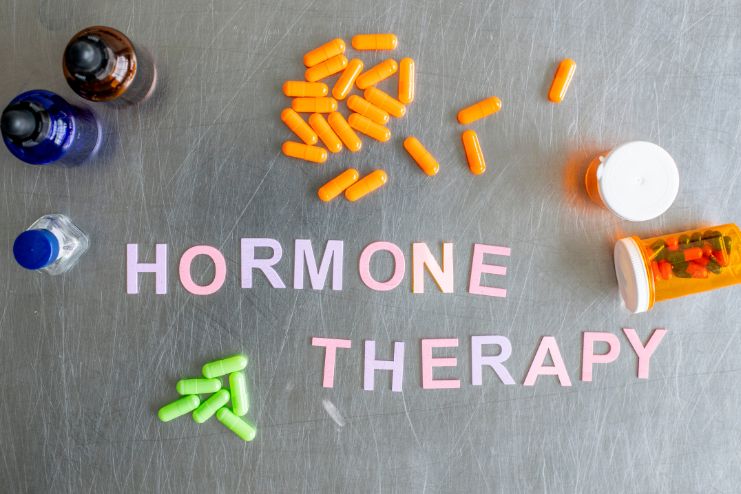
If lifestyle changes are not sufficient, Testosterone Replacement Therapy (TRT) can be an option. This includes delivering testosterone through:
- Gels or creams
- Injectables
- Pellets (implanted subcutaneously)
- Patches
Advantages of TRT:
- Restores libido and energy
- Improves mood, concentration, and motivation
- Enhances muscle tone and fat reduction
- Helps bone density
Disadvantages of TRT:
- Needs lifelong therapy in certain men
- Suppresses natural testosterone production
- Increases red blood cell count (risk of clotting)
- Requires medical monitoring to check side effects
Men contemplating TRT must consult an endocrinologist or urologist to opt for safer and reliable treatment.
Conclusion – Don’t Ignore the Subtle Signs
Low testosterone is frequently misdiagnosed, overlooked, or simply written off as a symptom of aging. But it doesn’t have to be.
Always remember:
- Early detection means better long-term results
- Most symptoms—brain fog, irritability, weight gain—are reversible
- You don’t have to live with feeling second-rate
If you think you have low T, don’t diagnose yourself with supplements from the store. Rather, consult a medical professional to test and treat the cause. Restoring hormonal balance could reenergize not only your body, but your confidence, clarity, and passion for life.
References
- https://uvahealth.com/services/mens-health/testosterone-replacement-therapy-options
- https://www.sciencedirect.com/science/article/pii/S0376871615000733
- https://pubmed.ncbi.nlm.nih.gov/33540526/
- https://biorestorehealth.com/newtown-connecticut/how-low-testosterone-levels-can-affect-mens-mental-well-being/
- https://posterityhealth.com/life-after-diagnosis-coping-strategies-for-men-with-low-testosterone/
- https://pmc.ncbi.nlm.nih.gov/articles/PMC10763932/
- https://conciergemdla.com/blog/impact-of-low-testosterone-on-mental-health/
- https://biorestorehealth.com/newtown-connecticut/how-low-testosterone-levels-can-affect-mens-mental-well-being/
- https://pmc.ncbi.nlm.nih.gov/articles/PMC9789006/
In this Article