


















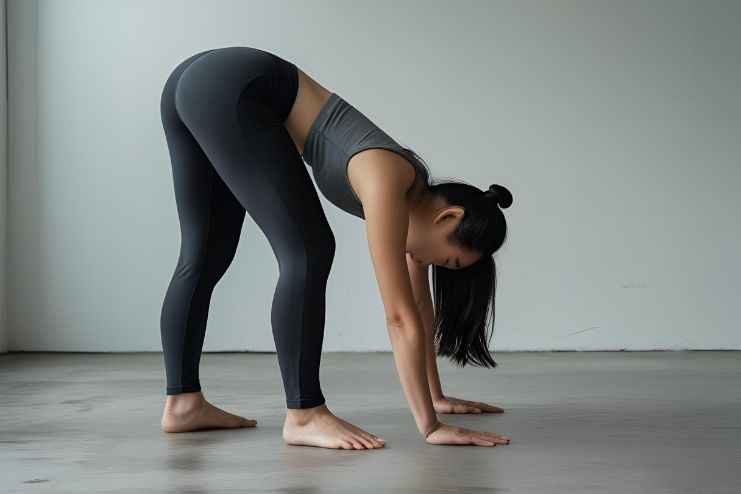
Struggling with stiff hamstrings that won’t let you touch your toes? You’re not alone. Tight hamstrings are one of the most common complaints when it comes to flexibility issues. Whether you’re an athlete, a yogi, or someone who spends hours at a desk, tight hamstrings can limit your mobility and cause discomfort.
Enter the Elephant Walk exercise—an innovative, dynamic stretch that targets tight hamstrings, calves, and lower back muscles. What makes this stretch unique is its ability to loosen these areas quickly, without the discomfort often associated with static hamstring stretches.
Want better performance or simply easier movement? The Elephant Walk stretch delivers what your body’s been asking for.

Expert Choice: Best At-Home Yoga Studio
Experience over 2,400 world-class yoga classes from the comfort of your home. YogaDownload offers expert-led programs and flexible membership options for every fitness level.
*Purchases through this link support our research at no extra cost to you.
What Is the Elephant Walk Exercise?

The Elephant Walk exercise is a dynamic mobility movement that mimics the alternating, gentle motion of an elephant’s legs as it walks. This movement is not just a stretch but a full-body experience, blending active movement with a forward fold to release tightness in the posterior chain. It’s a technique that integrates mobility and flexibility in a way that’s both safe and effective.
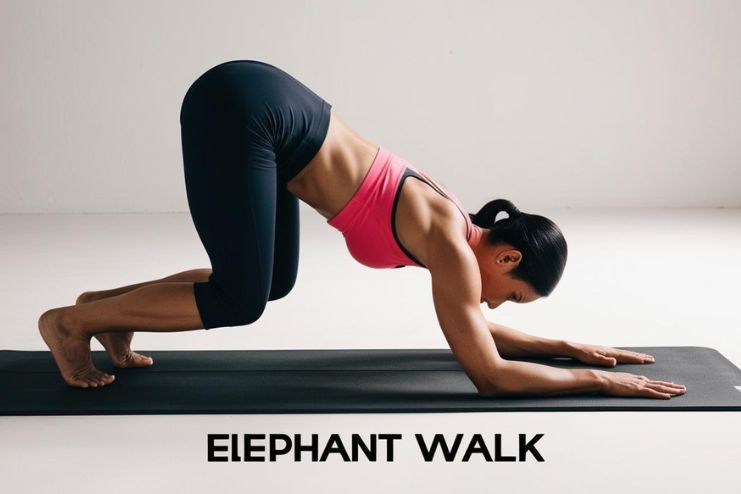
The exercise involves combining a forward fold with alternating knee bends, keeping one leg straight while bending the other. It’s a rhythmical motion, where you alternate walking your knees in place while maintaining a folded torso. All you need is your bodyweight and your breath—no equipment required. As a result, the Elephant Walk is incredibly accessible and can be done anywhere, whether at home, in a gym, or even on the go.
This exercise can also be easily modified based on your current flexibility level. If you’re not able to touch the floor initially, you can place your hands on your shins or thighs to reduce strain. The key is to keep the movement slow and controlled, allowing the body to relax and release tension with each repetition.
Benefits of the Elephant Walk Exercise
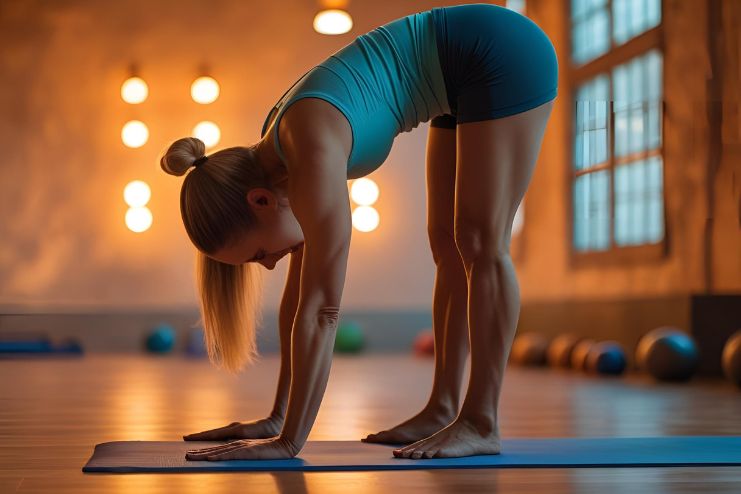
The Elephant Walk exercise offers a wide range of benefits that go beyond simply stretching your hamstrings. It targets key muscles in the posterior chain, including the calves, glutes, and lower back, helping to improve overall flexibility and mobility. Not only does it reduce tension in these areas, but it also promotes circulation and prepares your body for physical activity. Incorporating this dynamic stretch into your routine can significantly enhance both your athletic performance and daily movements.
Loosens Tight Hamstrings Quickly
One of the standout benefits of the Elephant Walk is how it helps loosen tight hamstrings quickly. The dynamic movement gently stretches the hamstrings while promoting mobility. Unlike static stretches, which can sometimes feel intense or uncomfortable, the Elephant Walk combines flexibility with movement.
This makes it safer and more effective for many people. With regular practice, you’ll notice increased length in your hamstrings, allowing you to achieve deeper stretches and greater flexibility.
Read More: Nordic Curls – The Secret Exercise for Bulletproof Hamstrings
Improves Posterior Chain Flexibility
The Elephant Walk is not just a hamstring stretch—it also targets other key areas in the posterior chain. This includes the calves, glutes, and lower back. By engaging all of these muscles, the Elephant Walk helps to improve overall mobility. Flexibility in the posterior chain is crucial for numerous activities such as running, squatting, and even yoga.
A flexible posterior chain also supports better posture, reducing the strain on the spine and hips. As you consistently practice the Elephant Walk, you’ll notice better alignment and a smoother range of motion in daily movements.
Reduces Lower Back Tension
Tight hamstrings often contribute to lower back tension, and when one area of the body is tight, it can lead to discomfort or even pain in other areas. The Elephant Walk exercise helps to alleviate this issue by taking pressure off the spine.
It promotes the decompression of the lower back while stretching and relaxing the muscles along the posterior chain. Over time, this exercise helps to reduce lower back discomfort, improve spinal mobility, and enable a more relaxed forward fold.
Read More: 18 Remedial Benefits For Lower Back Pain That Provides Promising Results
Increases Circulation and Muscle Warm-Up
The Elephant Walk is an excellent way to increase blood flow to the muscles, particularly in the legs, hips, and lower back. It serves as an effective warm-up or cooldown exercise, allowing the muscles to gently wake up or relax. By boosting circulation, this movement helps prepare the muscles for more strenuous activity or cool them down after a workout.
The gentle nature of the exercise makes it ideal for people of all fitness levels, and it’s especially useful for those looking to avoid overstretching or pushing their bodies too hard.
Encourages Mind-Body Connection
As a dynamic stretch, the Elephant Walk encourages mindfulness. The movement isn’t just about physical flexibility—it’s also about cultivating awareness of the body and breath. As you alternate between knee bends, slow and steady breathing helps to relax the nervous system, creating a more grounded feeling.
This mind-body connection makes the Elephant Walk a valuable tool for resetting between workouts, or for simply taking a mindful break during a busy day. It’s a reminder that flexibility is as much about mental relaxation as it is about physical mobility.
Expert Choice: Best At-Home Yoga Studio
Experience over 2,400 world-class yoga classes from the comfort of your home. YogaDownload offers expert-led programs and flexible membership options for every fitness level.
*Purchases through this link support our research at no extra cost to you.
How to Do the Elephant Walk (Step-by-Step)
Incorporating the Elephant Walk into your routine is easy once you know the proper technique. Here’s how to do it step by step:
- Stand with Feet Hip-Width Apart: Begin by standing with your feet approximately hip-width apart. Keep your knees soft and avoid locking them. Engage your core slightly to maintain balance.
- Hinge at the Hips and Fold Forward: Slowly hinge forward at the hips, letting your upper body fold down towards the floor. Let your arms dangle freely, keeping your spine long as you fold forward.
- Place Hands on the Floor or Shins: Depending on your flexibility, place your hands on the floor in front of you or on your shins if you can’t reach the ground. The goal is to keep your torso relaxed and free from tension.
- Begin Alternating Knee Bends: Slowly begin bending one knee while straightening the other leg. As you bend one knee, you’ll feel a stretch in the back of the straight leg. Alternate the motion, moving slowly and rhythmically as if you’re “walking” your knees.
- Continue for 30–60 Seconds: Perform the Elephant Walk for 30-60 seconds, alternating the knee bends at a controlled pace. Focus on your breath and try to relax your upper body, allowing the stretch to deepen with each breath.
- Finish by Rolling Up Slowly: When you’re ready to finish, slowly roll up to a standing position, stacking your spine one vertebrae at a time. Take a moment to notice how your body feels after the stretch.
When to Use It
The Elephant Walk exercise isn’t just another stretch you forget after a workout—it’s a versatile mobility tool that fits into almost any routine. Whether you’re warming up before exercise, winding down after a long day, or simply counteracting hours of sitting, this movement can quickly ease tightness and boost circulation.
Because it combines gentle motion with deep stretching, you don’t need to reserve it just for workouts. Think of it as a go-to stretch you can rely on whenever your legs, lower back, or hips feel stiff and sluggish.
Here’s exactly when and how to make it part of your daily routine.
- Before Workouts as a Dynamic Warm-Up: It’s a great exercise to do before physical activity, as it activates key muscles and prepares the body for movement. It’s particularly beneficial for activities like running, weightlifting, and yoga.
- During a Mobility Routine or Yoga Flow: If you’re doing a yoga flow or mobility session, the Elephant Walk can serve as an excellent addition to enhance flexibility and mobility in the posterior chain.
- After Sitting for Long Hours (Great for WFH Breaks): If you work from home or sit for long periods, the Elephant Walk can be a great way to release tightness from sitting. Take a break every hour to get up and perform this gentle stretch.
- On Recovery Days to Release Tightness and Improve Circulation: Recovery days are the perfect time to incorporate the Elephant Walk into your routine. It helps to release muscle tension and increase circulation, helping your muscles recover faster.
Pro Tips for Maximum Benefit
To get the most out of your Elephant Walk stretch, a few small adjustments can make a big difference. Proper form and mindful breathing help deepen the stretch without strain. Whether you’re a beginner or experienced mover, these tips ensure comfort and results. Let’s fine-tune your technique for maximum benefit.
- Don’t Force the Stretch: Flexibility takes time, so don’t push yourself too hard. If you feel any discomfort, ease up and keep a slight bend in your knees. Remember, it’s about gentle movement.
- Keep Your Head Heavy and Neck Relaxed: Avoid tension in your neck by allowing your head to hang loosely. Your neck should follow the natural alignment of your spine, keeping everything relaxed.
- Use a Yoga Block if Needed: If you can’t quite reach the floor, use a yoga block under your hands. This will bring the floor closer to you and provide additional support.
- Pair with Deep, Steady Breathing: Breathe deeply as you move through the stretch. Deep breaths help release tension and calm the mind, enhancing the benefits of the Elephant Walk.
Conclusion
The Elephant Walk exercise is more than just a quirky stretch—it’s a powerful way to unlock tight hamstrings and ease lower back tension. Its rhythmic, dynamic movement works where static stretches sometimes fall short. By gently lengthening muscles while encouraging breath, it delivers quick, noticeable relief. Whether you’re a runner, yogi, or desk worker, this stretch can elevate your mobility routine. A few mindful minutes can create flexibility that lasts throughout your day.
With regular practice, the Elephant Walk helps your body move more freely and comfortably. It improves flexibility in your entire posterior chain—from calves to lower back. This means better posture, easier movement, and reduced risk of injury during workouts. Best of all, it requires no equipment—just your body and breath. Its simplicity makes it easy to add into warm-ups, cool-downs, or recovery sessions.
So the next time your legs feel stiff or your back feels locked, skip the painful toe-touch struggle. Choose the Elephant Walk and let your muscles loosen naturally and safely. Consistency with this smart stretch can bring long-term mobility gains. The secret lies in slow, mindful motion done regularly. Sometimes, the simplest exercises offer the biggest transformations.
References
- https://hybridathlete.eu/elephant-walk/
- https://www.rehabhero.ca/exercise/elephant-walks
- https://stretchtherapy.net/elephant-walk-best-lower-back-and-hamstring-stretch/
- https://www.tomsguide.com/wellness/fitness/i-did-the-elephant-walk-exercise-for-3-minutes-every-day-for-a-week-heres-what-happened-to-my-body
- https://www.youtube.com/watch?v=VftyiSAcfEI&utm_
- https://www.healthshots.com/fitness/staying-fit/elephant-walk-exercise-benefits/
- https://backmusclesolutions.com/blogs/the-ql-blawg/elephant-walk-exercise
- https://www.thehealthsite.com/photo-gallery/elephant-walk-exercise-benefits-what-is-an-elephant-walk-exercise-1086644/
- https://fitnessdrum.com/elephant-walk-exercise/
In this Article