
















Think fitness requires expensive gym memberships or intense workout routines? Think again. If traditional exercise methods don’t spark your interest, it’s time to reimagine what staying active means through hobby-based movement.
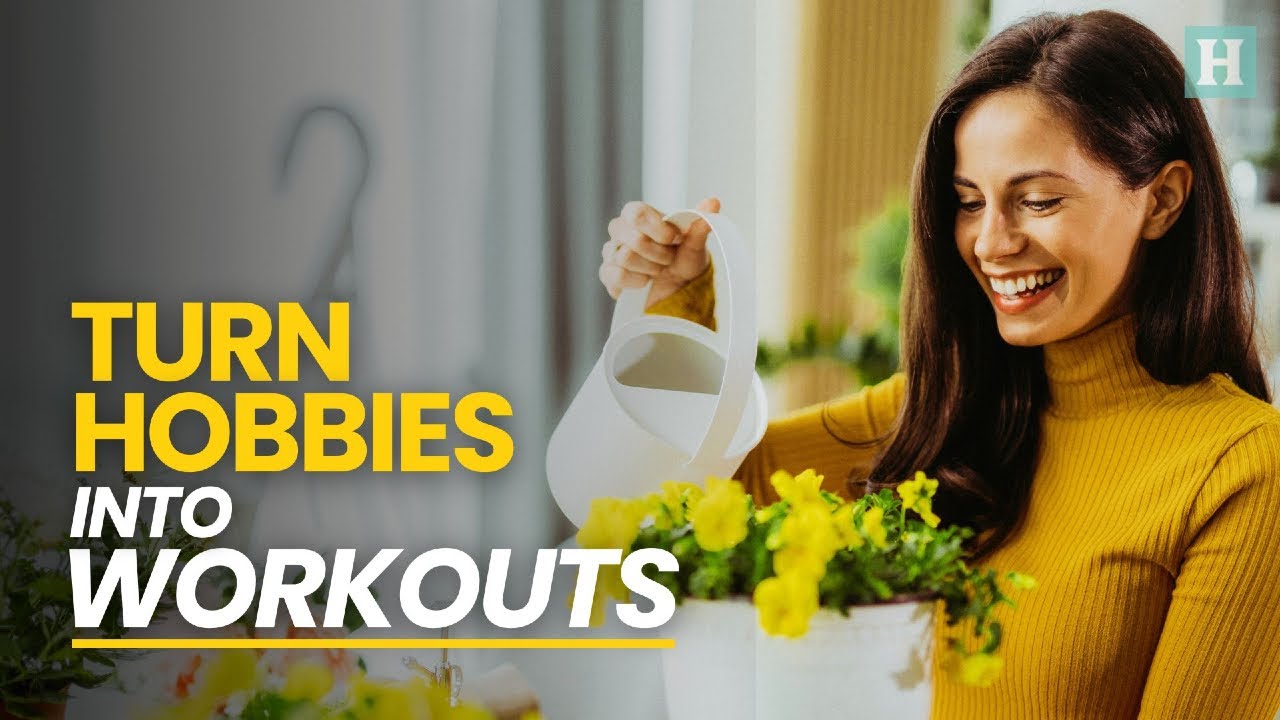
From playing fetch with your four-legged friend, grooving to your favorite tunes in your home, or tending to your blooming garden – these everyday activities can deliver the same benefits as a structured workout, minus the monotony.
This approach transforms the concept of “exercise as an obligation” into “movement as a natural joy.” The key lies in discovering activities you love that seamlessly blend into your daily life. When you pursue hobbies that double as fitness activities, you’ll naturally increase your physical activity, decrease stress, and actually look forward to moving your body. Isn’t it amazing that staying fit doesn’t require a gym membership?
Read More: 8 Fashionable Fitness Gear Must-Haves for Active Women
Why Hobby-Based Movement Works

Active hobbies naturally incorporate movement into your routine. These recreational activities promote a healthier lifestyle while being enjoyable. Engaging hobbies encompass various physical activities, from sports and exercise to creative pursuits, all performed during leisure time for pure enjoyment. These activities help individuals maintain regular physical movement, reduce anxiety levels, and enhance their overall quality of life.
Engaging in active hobbies not only enhances physical well-being but also significantly boosts mental health. These activities foster a profound sense of achievement, elevate mood, and effectively reduce anxiety levels. Many physical pursuits create valuable opportunities for social interaction, which plays a crucial role in building self-confidence and strengthening self-esteem.
The impact of hobbies on both physical and psychological wellness cannot be overstated. For example, individuals can maintain an active lifestyle by participating in group exercise sessions or taking regular walks in nature.
If you’re familiar with current exercise recommendations, you’ll know that health experts suggest aiming for a minimum of 150 minutes of aerobic activity weekly, complemented by two strength training sessions. While this serves as an ideal benchmark, many individuals find these targets challenging to achieve consistently.
Non-exercise pursuits: Non-exercise activity thermogenesis (NEAT) refers to the energy expended during everyday activities that keep your body in motion but aren’t traditionally classified as exercise.
As Dr. Dakkak adds, “NEAT encompasses all those daily activities that aren’t typically categorized as ‘exercise,’ yet they utilize the body’s energy, facilitate calorie burning, and help maintain optimal bodily functions.”
Everyday Hobbies That Double as Fitness Activities
According to a study in the American Journal of Lifestyle Medicine, the world’s longest-living populations reside in five “blue zones”: Loma Linda, California; Nicoya, Costa Rica; Ikaria, Greece; Sardinia, Italy; and Okinawa, Japan. Research indicates that recreational time, regular physical activity, healthy eating habits, and low stress levels are essential factors contributing to longevity.
Matthew Zawadzki, PhD explains, “having hobbies can have wide range of positive effects, such as improving mood and social interaction and refocusing attention away from negative thoughts.” He emphasizes that these benefits collectively help mitigate the harmful effects of daily stress and anxiety.
1. Gardening
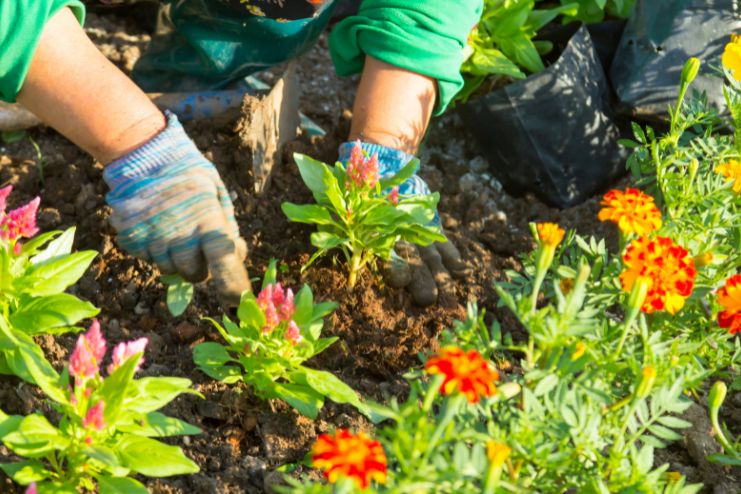
When exposed to sunlight during outdoor activities, your body naturally produces serotonin, a vital neurotransmitter that enhances mood, strengthens resilience against depression, and helps regulate your circadian rhythm. This biological process explains why inhaling fresh outdoor air creates such an invigorating sensation.
Gardening stands out as an exceptional method to decompress and establish a meaningful connection with nature. Regardless of your available space – whether it’s an expansive yard or a modest balcony – there’s always room to nurture plant life. The act of cultivating plants, whether aromatic herbs, vibrant flowers, or nutritious vegetables, instills a profound sense of accomplishment.
Time spent tending to your garden promotes happiness and stress reduction. Beyond the mild physical activity involved in planting, watering, and removing weeds, exposure to sunlight and fresh air provides additional health benefits. This rewarding hobby yields both aesthetic satisfaction and, in many cases, delicious homegrown produce.
Read More: HIIT vs. Endurance Training: Choosing the Best for Your Fitness Goals
2. Dancing (Solo or Group)

Dancing offers an engaging way to maintain physical activity, whether through structured Zumba sessions, rhythmic salsa movements, trending TikTok choreographies, or impromptu dance breaks during household chores.
From energetic hip-hop routines and passionate salsa to free-flowing interpretative movements, dance encompasses diverse styles suitable for everyone. It presents an excellent opportunity for social interaction, cardiovascular exercise, and enhanced body awareness. When seeking relaxation, you can either groove to music in your private space or participate in organized dance classes.
Dancing serves as an enjoyable alternative to traditional exercise, boosting cardiovascular health, building stamina, and enhancing flexibility without the typical workout feel. The activity proves especially beneficial for mental wellness by fostering creative expression and emotional release, whether practiced individually or in group settings. For those looking to maintain regular physical activity, dancing eliminates the need for costly gym subscriptions, specialized equipment, or formal training.
3. Playing with Kids or Pets

Engaging in playtime with pets or children provides a surprisingly intense physical workout. Interactive play, particularly when both kids and pets are involved, substantially increases physical activity levels while nurturing positive relationships. Activities like walking, playing fetch, or outdoor games promote movement, develop motor coordination, and contribute to overall wellness.
This form of recreational exercise maintains agility, develops functional strength, and improves reaction time. The joy of bonding and laughter provides additional stress-relief benefits. Whether at the local park or in your living room, you’re achieving fitness through meaningful interaction.
Read More: Is Rucking the Next Big Fitness Trend? Benefits of Weighted Walking
4. Hiking, Birdwatching, or Nature Walks
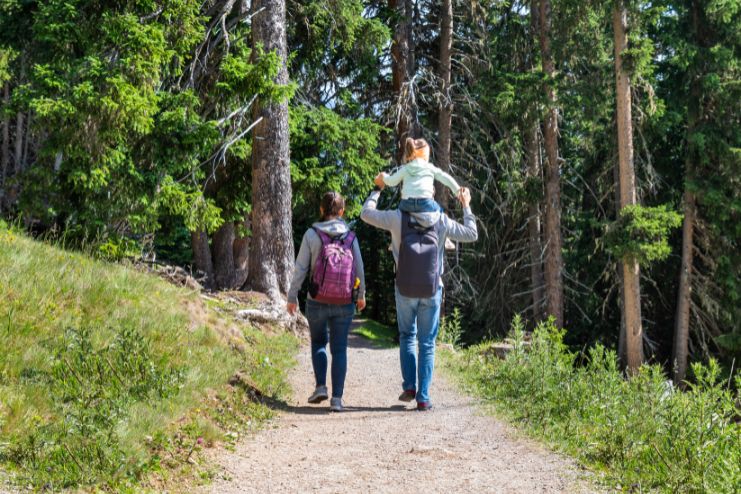
All three activities—nature walks, hiking, and birdwatching—present excellent opportunities for physical movement and outdoor engagement. Hiking particularly stands out as an exceptional way to break free from daily monotony and immerse yourself in nature’s grandeur. Whether exploring vast national forests, wandering through state parks, or traversing local trails, hiking delivers numerous benefits for both mental well-being and physical fitness.
Research consistently demonstrates that hiking has a positive impact on mood elevation and stress reduction. Even brief excursions into nature provide valuable respite from screen time and indoor environments, offering a refreshing change of perspective.
Birdwatching, also known as birding, represents a peaceful and rewarding outdoor pursuit. Observing various avian species in their natural habitats helps foster a deeper connection with the natural world while providing gentle yet consistent physical activity.
To begin your birdwatching journey, invest in quality binoculars as essential equipment. For optimal bird sighting opportunities, plan your outings during peak activity periods, such as early morning hours or dusk. Maintain a detailed journal to document the species encountered and their preferred viewing times.
5. Cleaning, Organizing, or DIY Projects
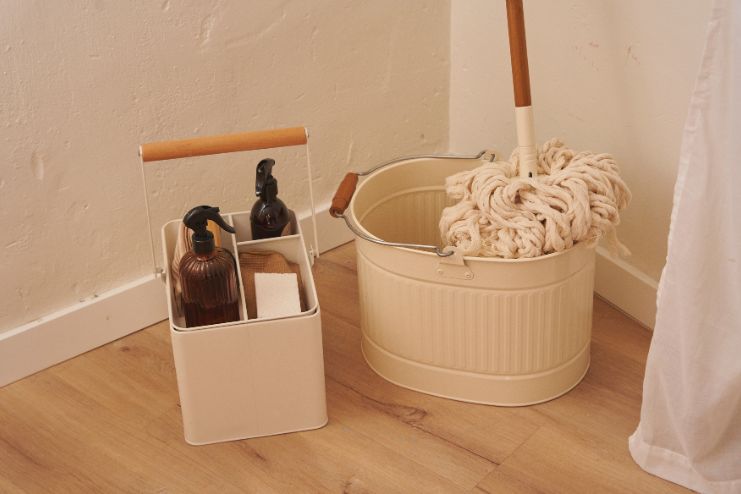
Home improvement activities, organizational tasks, and cleaning routines offer excellent opportunities to increase daily physical activity and caloric expenditure. Incorporating these practical exercises into your regular schedule can significantly enhance overall fitness levels and general well-being.
Engaging in DIY projects or thorough house cleaning often demands surprising physical effort. Activities such as hammering, wall painting, reaching high shelves, lifting boxes, and floor scrubbing constitute legitimate exercise alternatives to traditional gym workouts. Depending on the intensity level, these activities can burn anywhere from 150 to over 300 calories per hour.
These hobby-based physical activities provide comprehensive body engagement, naturally incorporating movements such as squatting, lunging, lifting, and stretching. The added benefit? Beyond elevating your heart rate, you’ll enjoy a more organized and cleaner living space. It’s an effective way to achieve both home improvement goals and maintain active lifestyle habits through everyday activities.
Read More: Dive into Fitness: 8 Gentle Water Aerobics Exercises for Seniors
6. Playing Recreational Sports

Recreational sports offer an accessible and enjoyable pathway to physical activity that promotes overall health and wellness. Unlike competitive athletics, these leisure activities provide an excellent opportunity to enhance physical fitness, reduce stress levels, and build meaningful social connections.
Recent findings from Emory University’s Rollins School of Public Health reveal that “participants in recreational group sports experienced significant improvements in weight reduction, body fat percentage, blood pressure, and lipid profiles, along with substantial gains in aerobic fitness—factors that contribute to reduced risks of diabetes and cardiovascular disease.” This research gains particular significance considering that approximately 40 million Americans currently live with diabetes.
Recreational sports exemplify the perfect combination of pleasure and physical activity, whether engaging in casual badminton matches in your backyard, enjoying table tennis sessions with friends, or tossing a Frisbee in the local park. These activities seamlessly integrate social interaction, agility development, coordination enhancement, and cardiovascular conditioning.
Even when performed at a leisurely pace, these activities effectively improve endurance, balance, and reflexes. Their inherently enjoyable nature makes them particularly appealing, as participants often become so engaged in the activity that they forget they’re actually exercising their entire body.
7. Creative Arts

Standing, stretching, reaching, and maintaining various postures are integral to artistic pursuits like knitting, woodworking, and pottery—activities that naturally enhance physical strength and improve mobility.
These creative endeavors serve as excellent channels for developing patience, adaptability, and personal commitment, as they require you to embrace the creative process and maintain unwavering focus on your artistic vision.
Pottery offers an exceptional way to unwind and ignite your creative spark after a demanding day. The initial setup is surprisingly minimal, requiring only basic equipment: a pottery wheel, clay, and essential tools. For beginners, numerous online tutorials and classes provide comprehensive guidance on mastering fundamental techniques.
Begin your pottery journey with simple projects, such as decorative jewelry holders or small serving bowls. These practical creations serve multiple household purposes while being enjoyable to craft. As your skills develop, you can gradually tackle more complex and challenging projects.
Woodworking stands out as a gratifying hobby that allows you to create both beautiful and functional pieces. The craft spans from basic spoon carving to sophisticated furniture construction. With just a few basic tools—a carving knife, gouge, and suitable wood—you can start crafting wooden spoons within your first session.
For those interested in woodworking, consider taking introductory classes before making significant investments. This approach allows you to test your DIY capabilities and gradually build your toolkit as your interest grows.
Read More: Dance Your Way to Fitness: Exploring Fun Cardio Dance Workouts
How to Make the Most of Hobby-Based Fitness
To maximize the benefits of hobby-based movement, mindfulness and intentionality are essential. If you’re new to exercise but eager to improve your health and well-being, start by examining your current interests and activities. Reflect on what activities bring you joy, understand why they resonate with you, and identify how these hobbies contribute to your happiness.
To optimize hobby-based fitness, select activities that genuinely interest you, incorporate variety to maintain engagement, and consider joining community groups for motivation and support. Establish personal objectives and remember that consistent, moderate activity yields better results than sporadic, intense sessions.
Maintain proper form and posture while engaging in any activity, whether it’s dancing, gardening, or playing with pets. Focus on core engagement and proper alignment to maximize muscle activation and prevent potential injuries.
Approach your recreational activities as wellness rituals rather than optional pastimes. Schedule them into your daily routine, just as you would with formal exercise sessions. This approach reinforces consistency and transforms regular movement into a sustainable lifestyle habit.
Who Can Benefit from This Approach
A hobby-based fitness approach is particularly beneficial for individuals who struggle with conventional exercise routines. This method resonates well with seniors, working parents, busy professionals, and those who simply don’t find traditional workouts appealing. By converting everyday passions into physical activities, individuals can maintain consistency and avoid the common pitfalls of exercise burnout.
This approach proves especially valuable for those recovering from physical injuries or dealing with mobility limitations. The adaptable nature of non-exercise activities like dancing, leisurely walking, or gardening makes fitness more accessible and inclusive, as these activities can be easily modified to suit different ability levels and comfort zones.
Read More: Aquatic Fitness: Benefits of Water-Based Cardio and Toning Exercises
Conclusion
Achieving fitness doesn’t require traditional gym activities; it can be as straightforward as increasing participation in enjoyable activities. Whether it’s dancing to your favorite music, tending to your garden, engaging with your children, or taking nature walks, hobby-based movement transforms daily pleasures into effective exercise alternatives that don’t require gym memberships.
Incorporating enjoyable physical activities into your routine can help develop an active lifestyle naturally and pleasurably. These fitness-oriented hobbies not only keep your body active but also enhance mental alertness, reduce stress levels, and promote overall mental well-being.
Remember: “The most effective exercise is one you’ll consistently maintain—and hobby-based movement makes this achievement more attainable.”
References
- https://kslnewsradio.com/health/lets-get-moving-with-maria/find-a-hobby-that-brings-you-joy/2006059/.
- https://my.clevelandclinic.org/staff/28993-michael-dakkak
- https://health.clevelandclinic.org/non-exercise-activity-thermogenesis-neat-exercise
- https://www.everydayhealth.com/emotional-health/healthy-hobbies-you-can-pick-up-in-under-a-week/
- https://sometimes-homemade.com/fitness-hobbies/
- https://www.careeredge.org/advice/work-life/hobbies-outside-work/
- https://pmc.ncbi.nlm.nih.gov/articles/PMC10970178/
- https://www.point32health.org/newsroom/points-of-view/fostering-point32health-team-spirit-benefits-sports-workplace
- https://www.drsharongam.com/articles/how-to-make-fitness-a-hobby
In this Article