















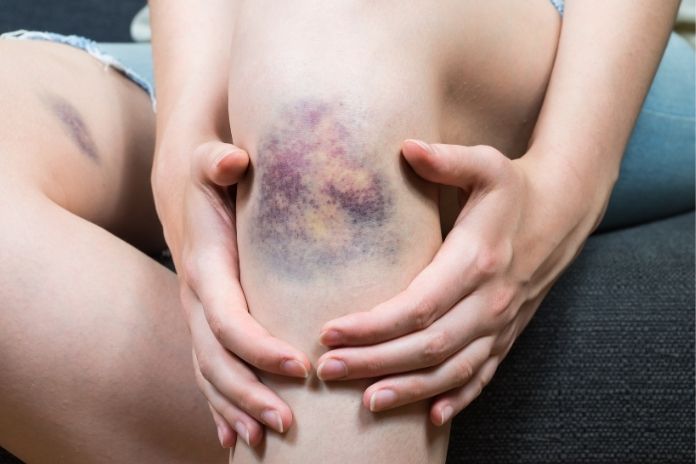
Have you ever wondered why that purple mark from bumping into your coffee table seems to linger for weeks? You’re not alone—bruises are one of the most common minor injuries we experience, yet many people don’t know there are effective ways to speed up the healing process naturally.
Bruises can appear on your body for many reasons and are typically characterized by their bluish-purple color. They occur when blood vessels underneath the skin break, causing blood to leak into the soft tissues. While bruises can develop on all skin types, they tend to be more visible on lighter skin tones.
The good news is that there are several effective ways to treat and heal bruises naturally.
This comprehensive guide covers everything you need to know about bruises, including natural remedies and prevention tips to help you maintain healthy, bruise-free skin.
Read More: DIY Herbal First Aid Kit: 7 Home Remedies for Common Ailments
What Are Bruises?
Bruises are discolored marks on the skin that appear when small blood vessels called capillaries break beneath the surface. This rupture causes blood to leak into the surrounding soft tissue, creating the characteristic blue, purple, or dark coloration. Initially, bruises are often tender and swollen.
The primary cause of bruising is internal bleeding that results from injury or trauma. Elderly individuals tend to bruise more easily than younger people due to naturally thinning skin and tissues that become more fragile with age.
While chemical treatments are available, natural remedies are often more effective and gentler on the skin, with fewer side effects.
7 Best Natural Ways to Get Rid of Bruises Fast
Home remedies are highly recommended for treating bruises because they’re safe, effective, and don’t carry the risk of adverse side effects. Here are the most proven natural treatments:
1. Arnica

Arnica has been used for centuries as a natural remedy for bruises and post-surgical wounds. This flowering plant’s leaves are particularly beneficial for treating skin injuries, muscle aches, muscle spasms, and arthritis symptoms.
The key active ingredient, sesquiterpene lactone, provides excellent anti-inflammatory and pain-reducing properties. Research published in the British Journal of Dermatology found that topical 20% arnica ointment may effectively reduce bruising more than placebo treatments.
You can apply arnica topically as a cream made from the plant’s leaves, or use commercial arnica gel available at most pharmacies. However, the NCBI’s LiverTox database cautions against consuming arnica orally or applying it to open wounds, as the FDA classifies it as unsafe for internal use.
2. Tea Bags
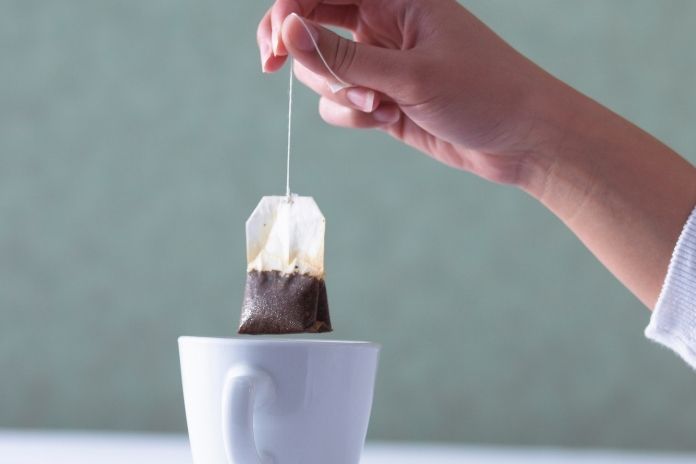
Black tea bags offer an effective remedy for fading bruises. Tea contains tannins, which help heal damaged blood vessels. Simply warm the tea bags and apply them to the affected area several times throughout the day for best results.
3. Vitamin K Cream

Vitamin K cream is an excellent natural treatment for bruises, stretch marks, scars, and burns. Many doctors recommend vitamin K cream or ointment to accelerate healing and wound recovery after injuries. According to the NIH Office of Dietary Supplements, vitamin K plays a crucial role in blood clotting and bone health.
“Vitamin K is for skin recovery,” says board-certified dermatologist and LovelySkin CEO, Dr. Joel Schlessinger. “It can help reduce inflammation and help bruises and broken capillaries heal faster. In fact, the reason it’s called vitamin K is for ‘koagulation,’ the German word for coagulation or blood clotting.”
Like arnica, vitamin K cream has blood coagulation properties that help repair burst capillaries responsible for bruising. A 2021 review noted that several studies found vitamin K creams and ointments can reduce facial bruising by reducing blood accumulation under the skin. You can find vitamin K topical creams at pharmacies and online retailers.
4. Comfrey
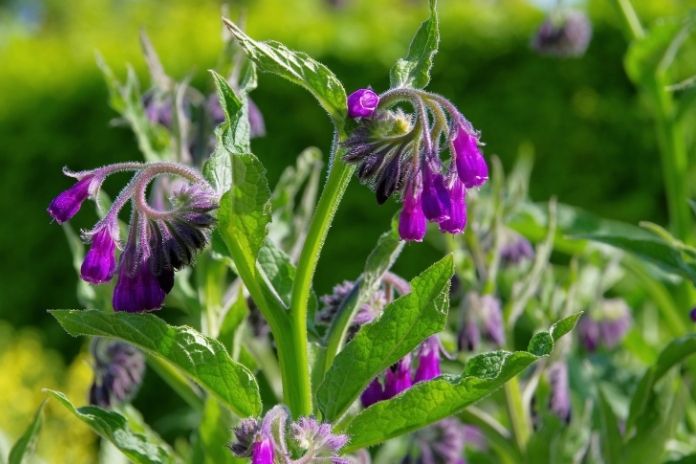
This herb, native to Asia and Europe, contains several beneficial compounds that promote healthy skin and reduce inflammation. Comfrey’s root contains allantoin, which stimulates cell growth and regeneration in the skin, making it highly effective for wound healing.
You can make comfrey ointment at home or purchase it from pharmacies and health stores.
5. Chamomile Essential Oil
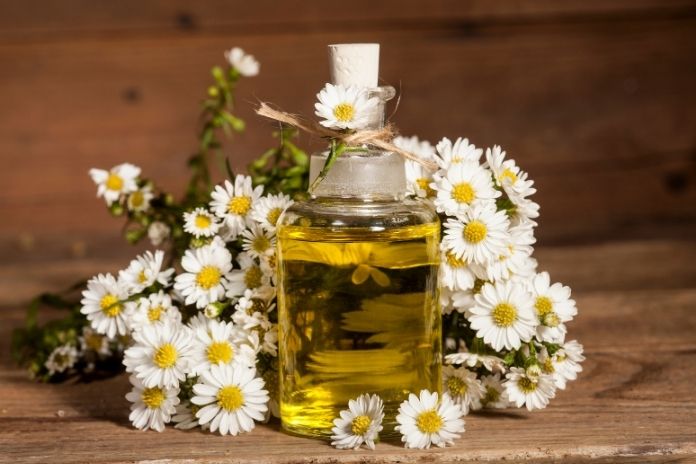
Chamomile has been valued since ancient times for its wound-healing properties, thanks to its powerful anti-inflammatory effects. Beyond treating wounds, chamomile is highly effective for healing scars and bruises, making it one of the best essential oils for skincare.
Always dilute chamomile oil with carrier oils such as almond oil or coconut oil before use. Gently massage this mixture onto the injured area several times daily for optimal healing.
6. Aloe Vera
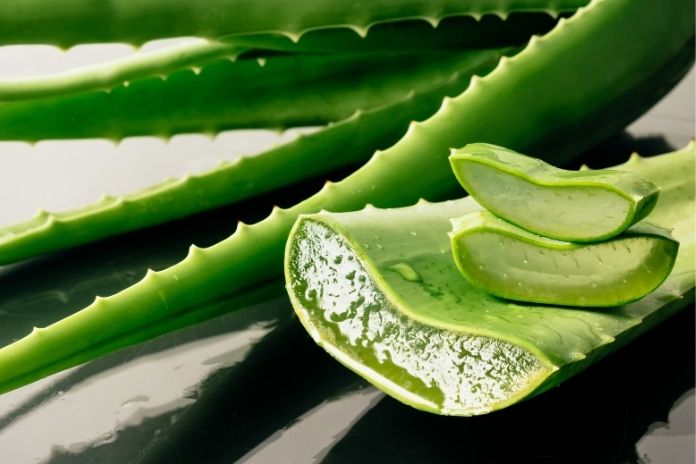
Aloe vera is perhaps the most popular natural remedy for treating bruises and burns. It’s also highly effective for various skin conditions and can help reduce pain from hemorrhoids, insect bites, and arthritis.
Research published in PMC shows that aloe vera can improve the wound healing process and reduce inflammation by inhibiting thromboxane, a compound that inhibits wound healing.
A 2022 study found that applying aloe vera during recovery helped improve wound healing and reduce bruising around surgical sites. While you can purchase aloe vera gel from stores, many people prefer using fresh aloe vera gel directly from the plant’s leaves. Along with its healing properties, aloe vera provides a cooling and soothing sensation that brings immediate relief.
Read More: 16 Ways Aloe Vera Benefits Your Health
7. Leech Therapy
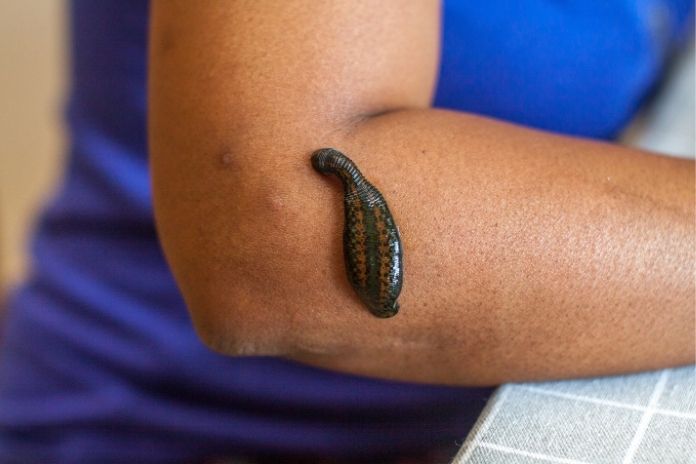
Though unconventional, leech therapy is gaining popularity as a natural treatment for reducing bruising quickly. Leech saliva contains hirudin, a potent anticoagulant that also acts as a strong antibacterial agent.
The saliva also contains healing compounds that aid in the recovery process. Professional leech therapy is becoming increasingly popular for treating bruises, wounds, and various other injuries.
Prevention Tips and Precautions

Taking preventive measures can significantly reduce your risk of developing bruises. Here are essential tips to protect yourself:
1. Limit Alcohol Consumption
Alcohol causes blood thinning, which increases your susceptibility to bruising. Moderating your alcohol intake can help prevent unnecessary bruising.
2. Eat Foods Rich in Bioflavonoids
Bioflavonoids strengthen blood vessels and capillaries, making them less likely to break and cause bruises. Include these foods in your diet:
- Dark leafy green vegetables
- Dark berries (blueberries, blackberries)
- Grapes
- Garlic
- Onions
3. Use Protective Gear During Physical Activities
Quality protective equipment significantly reduces your risk of injury-related bruising. Whether you’re playing sports, exercising, or engaging in physical work, proper gear can prevent falls, trauma, and impact injuries.
Additionally, always wear sunscreen or sun protection to prevent UV damage that can weaken your skin and make it more prone to bruising.
Read More: Herbal Medicine Cabinet: Must-Have Remedies for Everyday Ailments
Conclusion
Bruises are a common occurrence, but with the right natural remedies and preventive measures, you can effectively treat them and reduce their frequency. The natural treatments outlined above are safe, effective alternatives to chemical options, offering healing without unwanted side effects.
Remember that while most bruises heal naturally within 1-2 weeks, you should consult a healthcare professional if you experience frequent unexplained bruising, as this could indicate an underlying health condition.
Ready to say goodbye to stubborn bruises? Try these natural remedies today and discover which ones work best for your skin. Start with simple treatments like ice packs and aloe vera, then explore other options like arnica or vitamin K cream for more persistent bruising.
Frequently Asked Questions
How long do bruises typically take to heal?
Most bruises heal completely within 1-2 weeks. The healing process involves color changes from purple/blue to green, yellow, and finally back to normal skin tone. Larger or deeper bruises may take up to 3-4 weeks to fully disappear.
When should I see a doctor about a bruise?
Consult a healthcare professional if you experience:
- Bruises that appear without any known injury
- Bruises that are extremely large or painful
- Signs of infection (increased warmth, red streaking, pus)
- Bruising that doesn’t improve after 2-3 weeks
- Frequent bruising that seems disproportionate to minor injuries
Can certain medications make me bruise more easily?
Yes, several medications can increase bruising tendency, including:
- Blood thinners (warfarin, aspirin, clopidogrel)
- Corticosteroids
- Some antidepressants
- Non-steroidal anti-inflammatory drugs (NSAIDs).
If you’re taking medications and notice increased bruising, discuss this with your healthcare provider.
Are there any home remedies I should avoid?
Avoid applying heat to fresh bruises, as this can worsen swelling and prolong healing. Also, don’t massage a fresh bruise vigorously, as this may cause additional tissue damage. Always test topical treatments on a small skin area first to check for allergic reactions.
What’s the difference between a bruise and a hematoma?
A bruise (contusion) involves bleeding under the skin from damaged small blood vessels. A hematoma is a larger collection of blood outside blood vessels, often forming a raised lump. Hematomas typically require medical evaluation and may need drainage.
Can diet help prevent bruising?
Yes, eating foods rich in vitamin C (citrus fruits, berries), vitamin K (leafy greens), and bioflavonoids (grapes, garlic, onions) can help strengthen blood vessels and reduce bruising tendency. Adequate protein intake also supports tissue repair and healing.
In this Article