










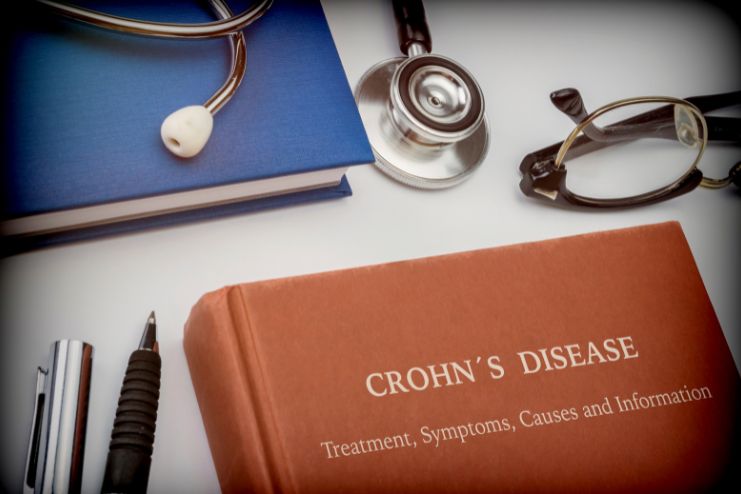
Living with Crohn’s disease can feel like navigating a complex maze of symptoms and uncertainties. While many people with this inflammatory bowel disease (IBD) manage their condition successfully, understanding potential complications can help you recognize warning signs early and work with your healthcare team to prevent serious problems.
The Reality of Crohn’s Disease Complications
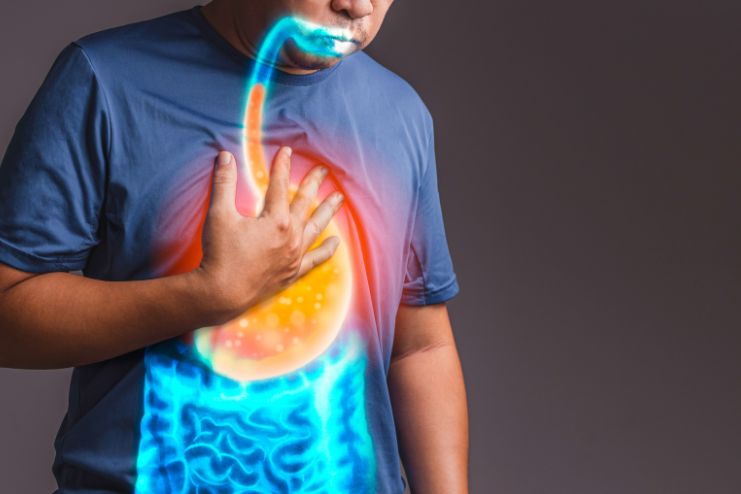
Crohn’s disease affects approximately 780,000 Americans, and while treatments have improved significantly, complications can still occur. The inflammatory nature of Crohn’s disease means it can affect not just your digestive system, but other parts of your body as well. About half of all patients experience an intestinal complication, such as fistulae, phlegmons, strictures, and abscesses, within 20 years of diagnosis.
Intestinal Complications: The Most Common Concerns
-
Intestinal Blockages (Strictures)
The chronic inflammation characteristic of Crohn’s disease can cause scar tissue to form in the intestinal walls, leading to narrowing called strictures. These blockages can cause severe abdominal pain, cramping, bloating, and vomiting. In severe cases, complete obstruction may occur, requiring emergency medical intervention.
-
Fistulas: Abnormal Connections
Due to the transmural nature of Crohn’s disease, fistula, abscesses, and strictures frequently complicate the disease course. Fistulas are abnormal tunnels that form between different parts of the intestine or between the intestine and other organs, such as the bladder or skin. These can lead to infections and require surgical treatment.
-
Perforations and Abscesses
In severe cases, inflammation can cause holes (perforations) in the intestinal wall. This can lead to the formation of abscesses—collections of pus that can be life-threatening if left untreated. Both conditions typically require immediate medical attention and often surgical intervention.
-
Severe Intestinal Bleeding
While some bleeding is common in Crohn’s disease, severe hemorrhaging can occur when inflammation damages blood vessels in the intestinal wall. This can lead to anemia and, in extreme cases, require blood transfusions.
Read More: 15 Natural Remedies For Crohn’s Disease – Cure Things The Natural Way
Cancer Risk: What You Need to Know
One of the most serious long-term concerns for people with Crohn’s disease is an increased risk of certain cancers. These patients are at higher risk for developing colorectal cancer than the general population. Inflammation of the colon can cause continuous turnover of cells in the intestinal lining, which increases the chance of irregularities that may lead to cancer.
-
Colorectal Cancer:
Patients with at least 8 years disease duration and colonic involvement are at increased risk of colorectal cancer, with one recent study demonstrating a 7% colorectal cancer risk after 30 years of disease. Regular surveillance colonoscopies are crucial for early detection.
-
Small Bowel Cancer:
The risk of small intestinal cancer has been estimated at around six times that of the general population, but as this is an extremely rare cancer in the general population, the risk in Crohn’s disease is still small. However, Meta-analysis showed small bowel cancer relative risk in Crohn’s disease is 33.2 (15.9–60.9).
Extraintestinal Complications: Beyond the Gut

Extraintestinal manifestations, most commonly joint, skin, and eye manifestations, might be present in up to 50% of patients. These complications can significantly impact quality of life and require specialized treatment.
Joint Problems
Arthritis is a common complication of Crohn’s disease, affecting both large and small joints. Patients may experience:
- Joint pain and swelling
- Stiffness, particularly in the morning
- Lower back pain and spinal inflammation (ankylosing spondylitis)
Skin Complications
Several skin conditions can develop in people with Crohn’s disease:
- Erythema nodosum: Painful, red, swollen bumps typically appearing on the legs and ankles
- Pyoderma gangrenosum: Deep, painful ulcers that can occur anywhere on the body
- Skin tags and anal fissures around the rectum
Eye Problems
Eye complications can include:
- Uveitis: Inflammation of the middle layer of the eye, causing pain, redness, and potential vision problems
- Episcleritis: Inflammation of the tissue covering the white of the eye
- Dry eyes and blurred vision
Liver and Bile Duct Issues
Liver complications can range from mild inflammation to serious conditions:
- Hepatitis: Inflammation of the liver
- Primary sclerosing cholangitis (PSC): Scarring and narrowing of bile ducts, which can lead to jaundice and recurrent infections
- Fatty liver disease
PSC affects about 1 in every 100 people with Ulcerative Colitis and 1 in every 200 people with Crohn’s Disease. In severe cases, liver transplantation may be necessary.
Read More: 7 Best Foods To Control Crohn’s Disease
Nutritional Complications
Crohn’s disease can significantly impact nutrition due to:
- Malabsorption of nutrients
- Decreased appetite during flares
- Surgical removal of portions of the intestine
- Medication side effects
Common nutritional deficiencies include:
- Iron deficiency anemia
- Vitamin B12 deficiency
- Vitamin D deficiency
- Folate deficiency
- Protein malnutrition
Medication-Related Complications
While medications are essential for managing Crohn’s disease, they can sometimes cause complications:
- Immunosuppressive drugs may increase infection risk
- Corticosteroids can cause bone loss, weight gain, and increased diabetes risk
- Biological therapies may increase the risk of certain cancers and serious infections
When to Seek Emergency Care

Certain symptoms require immediate medical attention:
- Severe abdominal pain that doesn’t improve
- High fever (over 101°F/38.3°C)
- Persistent vomiting
- Signs of intestinal blockage (severe cramping, inability to pass gas or stool)
- Severe rectal bleeding
- Dehydration symptoms
- Sudden changes in vision or severe eye pain
Read More: Definitive symptoms of Crohn’s disease
Prevention and Management Strategies
While not all complications can be prevented, you can reduce your risk by:
- Taking medications as prescribed
- Attending regular follow-up appointments
- Getting recommended screening tests (colonoscopies, bone density scans)
- Maintaining a healthy diet and staying hydrated
- Managing stress effectively
- Avoiding smoking, which can worsen Crohn’s disease
- Staying up-to-date with vaccinations
Living with Crohn’s Disease: The Importance of Comprehensive Care
Managing Crohn’s disease requires a team approach involving gastroenterologists, nutritionists, and sometimes other specialists. Chronic inflammatory bowel disease is challenging to treat and carries a risk of complications, including the development of bowel cancer. However, with proper medical care and lifestyle management, many people with Crohn’s disease live full, productive lives.
Take Action: Partner with Your Healthcare Team

Understanding the potential complications of Crohn’s disease isn’t meant to frighten you—it’s meant to empower you. Knowledge is your best tool for maintaining your health and catching problems early when they’re most treatable.
Don’t wait to address concerns. If you’re experiencing new or worsening symptoms, contact your healthcare provider promptly. Regular monitoring, adherence to treatment plans, and open communication with your medical team are your strongest defenses against complications.
Remember, medical treatments for Crohn’s disease continue to advance, offering hope for better outcomes and fewer complications. By staying informed and proactive about your health, you’re taking important steps toward managing your condition effectively and maintaining your quality of life.
Schedule your next appointment today and discuss any concerns about complications with your gastroenterologist. Your health is worth the investment in comprehensive, ongoing care.
In this Article