
















Trillions of microorganisms make up intricate ecosystems that are vital to human health. Among these, the vaginal microbiome and bladder microbiome play a critical role in maintaining genitourinary health. These microbial communities are well-balanced systems that are impacted by a number of variables, including the pH of the vagina.
While imbalances can result in symptoms, infections, and discomfort, a healthy vaginal pH helps maintain a protective environment dominated by beneficial bacteria.
This article will discuss the urogenital microbiome, how pH affects vaginal microbiome health, the relationship between the urine and vaginal systems, typical reasons for imbalance, symptoms, and evidence-based methods for maintaining vaginal health.
- The vaginal and bladder microbiomes are deeply linked; a pH disruption or infection in one can directly trigger issues in the other.
- Beneficial Lactobacillus bacteria produce lactic acid to maintain an optimal, protective acidic vaginal pH range of 3.8 to 4.5.
- Avoid harsh hygiene products, manage stress, and use targeted pH tracking to catch imbalances before they become infections.
Read More: What Vaginal Discharge Color Says About Your Health
What Is the Vaginal and Bladder Microbiome?
The stomach is often what most people think of when they hear the term “microbiome.” However, your bladder and vagina also contain distinct bacterial communities that are vital to your health. These microscopic organisms in your bladder and vaginal microbiome are more than just passengers. They actively prevent infection, maintain comfort, and promote overall pelvic health.
Vaginal Microbiome
Lactobacillus, a beneficial bacterium, makes up the majority of the vaginal microbiome. The vaginal environment is kept slightly acidic by the lactic acid produced by these bacteria, often with a pH of 3.8 to 4.5.
By preventing dangerous bacteria and yeast from proliferating, that acidity act as a kind of security mechanism. Uncomfortable illnesses like bacterial vaginosis or yeast infection can arise when the equilibrium is upset, a condition known as dysbiosis.
Bladder Microbiome
Although the bladder was long thought to be sterile, a new study indicates that it harbors a microbiome of its own. By keeping dangerous bacteria at bay and boosting immunity, a healthy bladder microbiome may help avoid UTIs.
Even in the absence of an infection, women may experience recurrent UTIs, urgency, or bladder soreness when this system is disturbed. Additionally, because the vagina and bladder are so closely related, changes in one microbiota may affect the other.
Why pH Plays a Central Role in Vaginal and Urinary Health
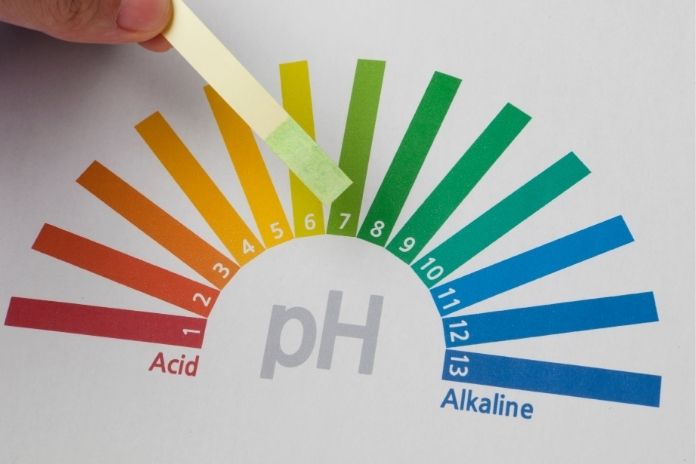
A substance’s pH value indicates how basic or acidic it is. A high pH is basic or alkaline, while a low pH is acidic. Distinct bodily components have distinct optimum pH levels, and issues might arise if they deviate from this range. The pH scale ranges from around 0 to 14, with 7 considered neutral. Because this scale is logarithmic, a pH of 5 is ten times more acidic than a pH of 6.
Urine pH
Normal urine has a pH between 5 and 6, which is more acidic than pure water, which has a pH of 7. Urine pH typically ranges from 5 to 6. It is more basic (alkaline) when the number is higher. A lower value indicates greater acidity. Because acidic urine can irritate the bladder, it’s critical to monitor your urine pH. Keeping an eye on what you eat is one method to prevent acidic urine.
Vaginal pH
The vaginal pH is kept low (more acidic) by the secretion of acids by good bacteria like Lactobacillus. The pH of a healthy vagina is between 3.8 and 4.5, which is somewhat acidic. Numerous lactobacilli strains that support a healthy vaginal pH are found in the vagina.
Lactobacillus Rhamnosus, Lactobacillus Reuteri, and Lactobacillus Acidophilus are among these significant strains. These bacteria consume the glycogen in vaginal mucous. They create hydrogen peroxide and lactic acid in return, which lowers pH.
Read More: Best Probiotics for Vaginal Health: Strains, Benefits, and How to Choose the Right One
How the Vaginal and Bladder Microbiomes Influence Each Other
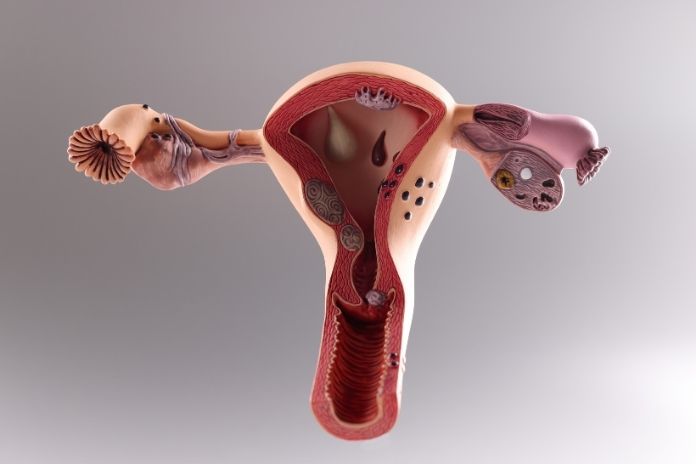
Unbalanced vaginal microbiomes can have an impact on urinary health in addition to the vagina. For instance, dangerous germs can travel from the vagina to the urethra, where they might result in urinary tract infections. For this reason, women who frequently contract bacterial vaginosis may also have recurrent UTIs.
Even seemingly insignificant changes, such as dryness, can weaken the vagina’s defenses and increase the urinary tract’s susceptibility. Additionally, the link is reciprocal. Disruptions to the bladder microbiome can lead to infections or chronic inflammation, which, in turn, can indirectly affect the surrounding vaginal environment.
For example, even when tests no longer reveal an active infection, women with recurrent UTIs may experience persistent vaginal irritation, burning, or discomfort during intercourse.
Frequent antibiotic use for UTIs can eliminate protective vaginal bacteria and create a cycle where vaginal and bladder health problems reinforce each other.
Common Factors That Can Disrupt Vaginal pH and Microbial Balance
Common stimuli can affect the vaginal microbiota, even though it is designed to defend itself. These are a few of the most frequent disruptors that can tip the scales:
Antibiotics: Although they are necessary drugs, antibiotics destroy both good and bad microorganisms. Taking antibiotics for other infections, such as strep throat or sinus infections, can lower Lactobacillus levels and promote the growth of yeast or harmful bacteria.
Hormonal Changes: Hormones, particularly estrogen, influence the vaginal microbiota. For this reason, the bacterial balance may vary during puberty, pregnancy, lactation, or menopause. Low estrogen levels frequently cause dryness and elevated vaginal pH.
Sexual Activity: Having sex might cause the vaginal pH to rise momentarily, which could upset the microbiota. Unprotected sex and new partners can introduce unknown microorganisms.
Vaginal Hygiene Practices: Although the vagina cleans itself, many hygiene products may disrupt its natural balance. It covers douching, fragranced menstruation products, scented washes, and scented pads or tampons.
Stress: Prolonged stress affects every part of the body, including hormone balance and the immune system. These changes may indirectly impact the vaginal microbiome.
Signs That Vaginal pH or the Microbiome May Be Out of Balance
Although your vaginal microbiota is rather adept at controlling itself, when things aren’t exactly in balance, it can occasionally cause minor flare-ups:
A Sudden Change in Odor: The natural aroma of your vagina usually doesn’t change. Your pH may have changed, and specific bacteria may be taking over if it suddenly smells stronger or different (think sour, fishy, or strange).
Discharge That Feels or Looks Different: It’s common for your discharge to fluctuate during your cycle. However, your pH may be acting strangely if it appears clumpy, watery, or grayish, or if it feels heavier than normal.
Feeling Drier Than Normal: Hormones are not the only factors linked to natural lubrication. Your pH also matters. You may be dealing with a minor imbalance if things begin to feel less fluid or hydrated during the day.
Itching or Irritation That Doesn’t Go Away: You may have occasional itching, but if you frequently experience irritation inside or around your vulva, your pH may be the cause. Protective microorganisms lose ground when the acidic balance slips, increasing your sensitivity to clothes, friction, and even your favorite items.
Read More: Is Cloudy Vaginal Discharge Normal? Understanding Causes, Colors, and When to See a Doctor
Conditions Commonly Associated With Microbiome and pH Changes
Vaginal pH and microbiota imbalances can lead to a range of common diseases and disorders:
Bacterial Vaginosis: This disorder, frequently associated with elevated vaginal pH, occurs when pathogenic bacteria outnumber beneficial bacteria.
Recurrent Urinary Tract Infections: An imbalance in the urogenital microbiome may be linked to recurrent UTIs.
Genitourinary Syndrome of Menopause: Symptoms may include dryness and discomfort due to changes in estrogen and vaginal health.
Yeast Infections: Unlike bacterial issues, yeast infections involve fungal overgrowth, though symptoms may overlap with vaginal pH imbalance symptoms.
Can You Test Your Vaginal pH or Microbiome?
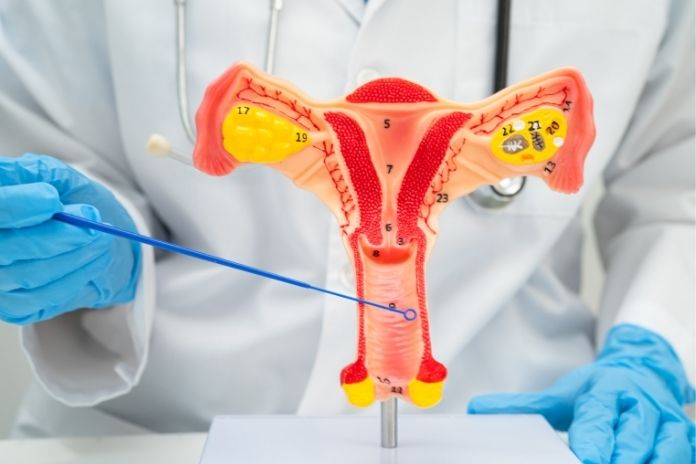
Vaginal pH testing is easily accessible and can be a helpful method for determining how acidic the vagina is. Keep in mind that vaginal pH does not directly indicate an infection; it only reflects the level of lactic acid produced in the vagina.
As a screening method for vaginitis and its various forms, vaginal pH monitoring is essential.
Like a fever indicates illness but does not diagnose it, pH can measure health, and abnormal levels signal the need for further testing. PH tests cannot identify an infection or illness or indicate the levels of protective bacteria.
Evidence-Based Ways to Support a Healthy Vaginal and Bladder Microbiome
Vaginal health can be supported by several tactics, such as:
Maintaining Proper Hygiene: Avoid scented products, harsh soaps, and douches in the vaginal area, as these may upset the normal bacterial balance.
Encouraging a Healthy Diet: The vaginal microbiota can benefit from a balanced diet full of whole foods, probiotics, and fermented foods.
Handling Stress: Prolonged stress can affect hormone balance and the immune system, which may impact vaginal health. It is advantageous to use stress-reduction strategies, including exercise, meditation, and self-care routines.
Selecting Natural Personal Care Products: To reduce exposure to potentially harmful chemicals, choose organic, fragrance-free products for personal hygiene.
Seeking Professional Advice: It is very crucial to consult a healthcare professional specializing in women’s health if you are experiencing chronic symptoms or concerns.
What Doctors Want Patients to Know About Microbiome Health
Bacteria naturally form a part of the urogenital microbiome. Instead of eliminating bacteria, the objective is to maintain microbial balance. Vaginal pH imbalance is not the only cause of symptoms like discomfort or discharge. Research on the bladder microbiome is still expanding, despite the vaginal microbiome being well understood.
When to Seek Medical Care for Vaginal or Urinary Symptoms

Doctors typically prescribe antibiotics to treat a mild bladder infection. Early intervention reduces the likelihood of infection spreading and improves symptom resolution more quickly. If your UTI symptoms are ongoing, worsening, or interfering with your day-to-day activities, you should get medical help right away.
A doctor can use a urine test to confirm the diagnosis and select the appropriate antibiotic, which helps prevent resistance and recurrence, even if the symptoms seem moderate. It is particularly crucial to get in touch with a medical practitioner as soon as you notice any symptoms of a UTI if you are pregnant.
Doctors treat pregnancy-related UTIs more aggressively because they increase pregnancy risks and can progress to kidney infections. Seek medical attention if you encounter:
- Burning or itching that persists
- Strong smell
- Pelvic discomfort
- Urine contains blood
Read More: 7 Vaginal Health Myths Doctors Wish Women Would Stop Believing
Conclusion
Preventing common infections and safeguarding general genitourinary health depend on maintaining a normal vaginal microbiome. Beneficial bacteria that aid in comfort and defense against dangerous microorganisms thrive in a stable environment.
Symptoms that impact both vaginal and urinary health can result from disruptions in this equilibrium, whether brought on by hormonal shifts, lifestyle choices, or outside influences.
Knowing how the body’s natural systems work enables people to make decisions that promote long-term health. Simple habits like maintaining good cleanliness, avoiding superfluous items, and promptly consulting a doctor can have a big impact.
References
- Raleigh OB/GYN. The vaginal microbiome: What it is, what disrupts it, and how to support it naturally.
- Banner Health. (April 25, 2026). Vaginal pH: What It Means and How to Keep Things Balanced.
- Jessica Migala. (August 25, 2025). How Do You Know If Your pH Balance Is Off?
- EZCare Clinic Team. (December 1, 2025). UTIs In Women And When to Seek Medical Attention.
- Daye. (March 1, 2024). How to Maintain a Healthy Vaginal Microbiome.
- Aventura OB-GYN Specialists. (2023, June 7). How to attain and maintain healthy vaginal flora.
In this Article