














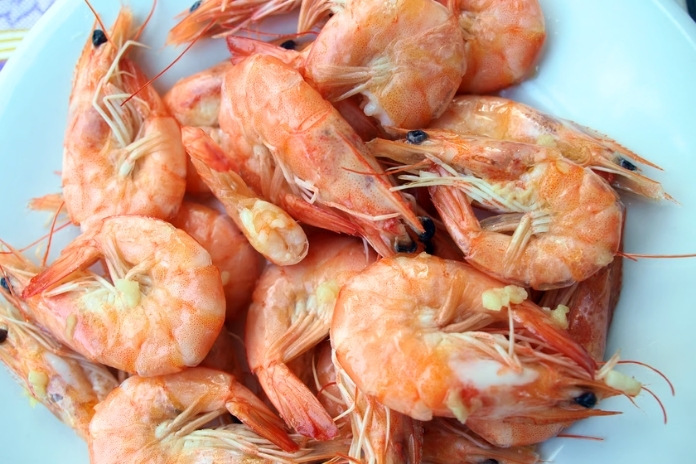
Shrimp often gets labeled as both a “healthy protein” and a “cholesterol risk,” which leaves many people confused about how often it should actually be eaten. With its high protein content, low calories, and unique mix of minerals like selenium and iodine, shrimp can look like an ideal everyday food. But nutrition is rarely that simple. The real impact of eating shrimp every day depends on factors such as portion size, cooking method, and overall diet balance, not just the shrimp itself.
- Shrimp has very high protein with very low calories, along with selenium and iodine, which many diets lack.
- Cholesterol concern is majorly outdated; shrimp behaves very differently because of the very low saturated fat inside it.
- Eating daily is safe for most, but the best results are obtained when shrimp is part of a varied diet, not the only protein source.
Featured Answer
If you eat shrimp every day, it is mostly safe for most healthy people but shouldn’t be followed blindly. Shrimp is a lean, high-protein food rich in iodine and selenium. Despite its cholesterol content, it generally has a minimal effect on blood cholesterol for most people when eaten as part of a balanced diet. But eating daily shrimp depends more on how it is cooked, the amount you eat, and what else is there in your diet.
Shrimp Nutrition: What You Actually Get Per Serving
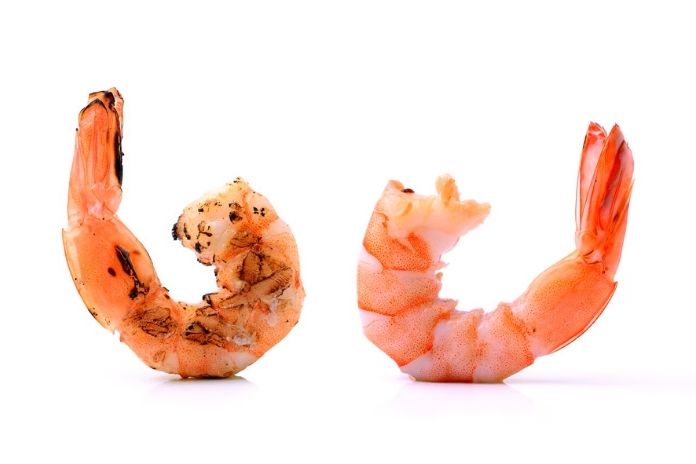
Shrimp look like light food, but their nutrition is quite concentrated. Per 100 g cooked shrimp, you get roughly:
- Around 99 calories
- About 24g of protein
- Almost no fat (0.3g)
- Cholesterol close to 180–190mg
- Good amounts of selenium, iodine, and B12
The main thing here is protein density. Very few foods give this much protein with such low calories. Even chicken breast has more fat compared to shrimp.
But people ignore the second part: micronutrients. Selenium is very high. This is not common in many foods. Iodine is also present, which matters for the thyroid.
“It has an abundance of vitamins and minerals, and it’s one of the best food sources of iodine, an important mineral required for proper thyroid function and brain health,” says Jess DeGore, a registered dietitian. If someone is not eating much seafood, these nutrients can be low without even knowing it. So shrimp is not just “protein food.” It is more like a protein with a mineral combo.
The Cholesterol Question: What Actually Happens in the Body

This question continues to remain confusing. Shrimp is high in cholesterol. So people think eating it daily will block arteries. That is not how it works. Earlier science said dietary cholesterol directly increases blood cholesterol. It is not that simple. The main factor for raising bad cholesterol is saturated fat. Shrimp has almost none.
So when you eat shrimp:
- LDL may go slightly up
- HDL also rises
- Triglycerides can come down
So the full picture is mixed, not negative. Important point: the body also makes its own cholesterol. Food is only one part. Also, shrimp has some omega-3 and antioxidants like astaxanthin.
These may balance things. “Studies show that increasing your consumption of EPA and DHA omega-3s by 1 gram per day may reduce your risk of cardiovascular disease by 5.8 percent,” says Cindy Chou, a chef and registered dietitian.
“For reference, a 3-ounce serving of shrimp contains approximately 0.12 grams of each.” For most people, shrimp doesn’t affect blood cholesterol the way a meal high in saturated fat (like eggs cooked in butter) can. Its cholesterol content has a relatively modest impact compared with the overall diet.
That said, if someone already has elevated cholesterol or a higher cardiovascular risk, responses can vary; there isn’t a single rule that fits everyone.
The Benefits of Eating Shrimp Regularly

Now, what actually improves if someone eats shrimp often?
1. Protein intake becomes easy
Many people do not get enough protein daily. Shrimp makes it easy. You eat a small portion and still get good protein. No heavy feeling, no high calories. This helps in:
- Muscle maintenance
- Better satiety
- Stable energy
2. Selenium: a quiet but important nutrient
Selenium is not as famous as protein or vitamins but is very important. It helps in the antioxidant defense system. Also supports thyroid hormone conversion. Shrimp gives a large part of the daily selenium in one serving. If eaten regularly, it can improve selenium status in the body.
3. Iodine and thyroid
Iodine is needed for thyroid hormones. Many diets depend only on iodized salt. But intake is not always consistent. Shrimp adds another natural source. So regular intake can support thyroid function indirectly. Not like medicine, but a supportive role.
4. Astaxanthin, small but useful
Shrimp have this pigment, which gives a pink color. It works as an antioxidant. Some research shows an anti-inflammatory effect. The amount is not very high like supplements, but regular intake gives a small, steady supply. So the benefit is slow, not dramatic.
What Happens If You Eat Shrimp Every Day

Now, practically, if someone eats shrimp daily, what changes? First few days, nothing noticeable. Over time:
- Protein intake becomes stable
- Calorie intake may get reduced if replacing heavier foods
- Micronutrients like selenium improve
But daily consumption has its limitations. Shrimp is very low-fat. So if the whole diet becomes too shrimp-based, fat intake becomes low. The body needs some fat also. Also, the variety becomes less. That is the problem. Different foods give different nutrients.
So, daily shrimp is not harmful but also not a complete solution. One more thing: taste fatigue. Eating the same food daily becomes boring. Then people start adding sauces, frying, etc. That is where the problem starts.
Read More: Fatty Fish and Heart Protection: Can Omega-3s Help Reduce the Hidden Heart Stress of Sleep Apnea
The Considerations: What Actually Matters

1. Mercury: Not a big issue here
Shrimp is low in mercury. Compared to a big fish, it is much safer. So, eating it daily does not increase mercury like tuna or swordfish can.
2. Cooking style changes everything
This is the biggest factor, more than frequency.
Boiled or grilled shrimp → good
Deep-fried shrimp → completely different
Cooking method matters. Frying increases calories and adds fats, while creamy or butter-heavy sauces can turn shrimp from a lean protein into a high-fat dish. Registered dietitian Natalie Crtalic-Lowther recommends grilling shrimp or breading it and air-frying to get the most benefit. So saying “I eat shrimp daily” means nothing unless the cooking method is known.
3. Farmed vs wild: Quality difference
Not all shrimp are the same. Some farmed shrimp from low-quality systems may contain antibiotic traces or come from poor water conditions. Better to choose from a:
- Clean source
- Certified brands
- Trusted supplier
Wild shrimp is generally better but not always available.
4. Allergy risk
Allergy to shrimp is common. If someone has even a mild reaction, daily eating is risky. This is not a negotiable point.
Read More: Is Shrimp Good for Weight Loss? Nutrition Facts and Health Benefits Explained
How Much Shrimp Is Reasonable
General guidance suggests 2–3 servings of seafood per week (about 80–100 g per serving). Daily intake isn’t needed. A better approach is variety—rotating shrimp with fish like salmon or sardines, along with eggs or plant-based proteins.
This approach provides better balance. Daily shrimp can be fine in small portions, but it isn’t necessary to gain the benefits.
Read More: Shrimp vs Chicken for Weight Loss: Which Protein Is Better?
Final Thoughts
Shrimp is one of those foods that have a confusing consumption status. High cholesterol numbers scare people, but the actual effect is different. It is lean, high-protein, and gives useful micronutrients.
Eating it regularly is fine, even beneficial in many cases. But daily eating is not recommended. It depends on the rest of the diet. Shrimp works best as part of a rotation, not as the only protein source.
- Shrimp shows a gap between old nutrition advice and current understanding; cholesterol in food is not the main issue anymore.
- Selenium intake from shrimp is often ignored, but it plays a real role in metabolism and thyroid function.
- No strong long-term studies on daily shrimp eating exist; this is still a not-fully-researched area.
- Cooking methods can turn shrimp from healthy to unhealthy very quickly; this is more important than frequency.
- Shrimp is an efficient source of protein but not a complete diet; variety still matters for overall health.
References
- Bügel, S. H., Sandström, B., & Larsen, E. H. (2001). Absorption and retention of selenium from shrimps in man. Journal of Trace Elements in Medicine and Biology, 14(4), 198–204.
- National Institutes of Health. (2022). Office of Dietary Supplements – Iodine. NIH.
- Yaqoob, Z., Arshad, M. S., Imran, M., Munir, H., Qaisrani, T. B., Khalid, W., Asghar, Z., & Suleria, H. A. R. (2021). Mechanistic role of astaxanthin derived from shrimp against certain metabolic disorders. Food Science & Nutrition, 10(1), 12–20.
In this Article