














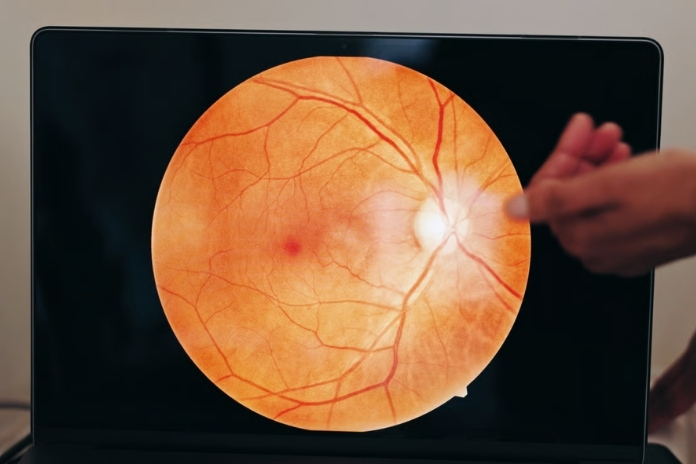
Age-related macular degeneration (AMD) is the leading cause of irreversible vision loss in adults over 60 in developed countries. If you’re looking for how to prevent macular degeneration, the evidence shows that while age and genetics are fixed, a meaningful part of your risk is not. AMD damages the macula.
The macula is the central part of the retina responsible for sharp, detailed vision, which gradually affects reading, driving, and face recognition. It affects about 8% of adults aged 60 and older globally.
The good news is that several prevention strategies are well supported by research. Diet, smoking habits, supplements, and overall lifestyle all play a role in reducing risk and slowing progression.
In this article, we will explain simple, research-backed ways to lower your risk of macular degeneration. We will cover smoking, diet, supplements, exercise, eye protection, and regular eye checkups. These are the steps that can help protect your vision and slow down the condition over time.
- You can’t fully prevent macular degeneration, but healthy habits can lower your risk.
- Smoking increases the risk the most, while a healthy diet and exercise help protect your eyes.
- AREDS2 supplements help only if you already have AMD, and regular eye exams help catch it early.
Read More: How to Test for Thyroid Eye Disease: Screenings, Exams & What to Expect
Stop Smoking — the Single Most Impactful Step

Smoking is the strongest modifiable risk factor for AMD, with more consistent evidence than any other factor. People who smoke have two to four times the risk of developing AMD compared to non-smokers.
The reason is oxidative stress. Tobacco smoke produces large amounts of reactive oxygen species that damage the retinal pigment epithelium and speed up the formation of drusen, the deposits seen in early AMD. Smoking also lowers levels of lutein and zeaxanthin in the retina, weakening the eye’s natural defense system.
Even when combined with other healthy behaviors like diet and exercise, avoiding smoking stands out as the most impactful step. Risk does come down after quitting, but it remains higher than average for several years. Stopping earlier leads to greater long-term protection.
Diet—The Mediterranean Pattern Has the Strongest Evidence

Among all dietary approaches, the Mediterranean diet has the strongest and most consistent evidence for preventing AMD and slowing its progression. People who closely follow this eating pattern have lower rates of AMD and a reduced likelihood of progression to advanced stages. This is likely because the diet works through several pathways at once.
Moreover, it provides antioxidants that reduce oxidative stress in the retina. omega-3 fatty acids that support retinal cell membranes, and carotenoids that build macular pigment. It also limits refined carbohydrates, which are linked to inflammation and metabolic stress in retinal tissue.
Key Foods to Include
Leafy Greens: Kale, spinach, and Swiss chard are among the richest sources of lutein and zeaxanthin. These carotenoids accumulate in the macula and help filter harmful light while protecting retinal cells. Higher intake is consistently linked to lower risk of early AMD.
Fatty Fish: Salmon, mackerel, sardines, and anchovies provide EPA and DHA, which support retinal structure and function. Populations with higher fish intake tend to have lower AMD chances. You can aim for two to three servings per week.
Colorful Vegetables and Fruit: Orange and yellow vegetables such as sweet potatoes, corn, and peppers, along with berries, provide additional carotenoids and antioxidant compounds that support long-term eye health.
What to Limit
Diets high in ultra-processed foods, refined carbohydrates, and high-glycemic foods are associated with increased AMD risk. These foods promote oxidative stress and inflammation, both of which contribute to retinal damage over time.
Read More: How Eating Carrots Regularly Can Improve Your Eyesight: Nutrition-Backed Benefits & Smart Tips
AREDS2 Supplements—Specific and Evidenced, but Not for Everyone
The AREDS2 formula is the most well-studied and includes the following:
- 500 mg vitamin C
- 400 IU vitamin E
- 10 mg lutein
- 2 mg zeaxanthin
- 80 mg zinc
- 2 mg copper
An important update in AREDS2 was replacing beta-carotene with lutein and zeaxanthin due to an increased lung cancer risk seen in smokers taking beta-carotene.
These supplements are not recommended for everyone. They are specifically intended for people with intermediate AMD or advanced AMD in one eye. There is no strong evidence that they prevent AMD in people without the condition. A dilated eye exam is needed to determine if they are appropriate.
Exercise and Healthy Body Weight

Regular physical activity is linked to a lower risk of AMD and slower progression. Exercise supports eye health by improving blood flow to the retina and helping maintain macular pigment density.
It also reduces key risk factors such as high blood pressure, high cholesterol, and obesity. These conditions can damage the small blood vessels that nourish the retina and contribute to AMD progression.
A practical and evidence-based goal is at least 150 minutes of moderate aerobic activity per week. This level of activity supports both cardiovascular and eye health without requiring specialized exercise routines.
UV and Blue Light Protection

Long-term light exposure contributes to oxidative damage in the retina. Ultraviolet (UV) radiation from sunlight is the most clearly established risk. Wearing sunglasses that block 100% of UVA and UVB rays (UV-400) helps reduce cumulative damage. Wraparound styles provide additional protection by limiting light exposure from the sides.
Blue light exposure is also being studied as a potential contributor to retinal stress. While the evidence is still developing, taking simple precautions with protective eyewear is a low-risk step that may support long-term eye health.
Read More: Transient Vision Loss: What Causes It, Why It’s Serious, and What to Do
Eye Examinations — Why Early Detection Changes Outcomes
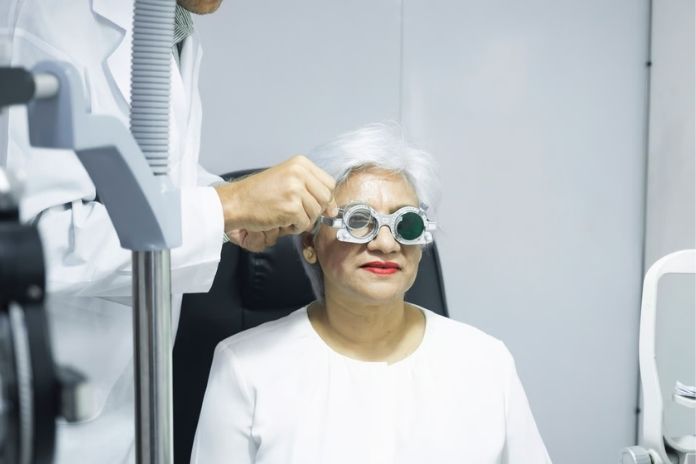
Preventive strategies can reduce risk and slow progression, but they do not reverse existing damage. This makes early detection essential. Regular dilated eye exams can identify early AMD changes, such as drusen or pigment abnormalities, before noticeable vision loss occurs.
For adults over 50 with risk factors like family history, smoking, or cardiovascular disease, annual exams are recommended. Those without risk factors can consider exams every one to two years. Detecting AMD early allows the timely use of interventions like AREDS2 supplements when they are most effective.
Read More: 8 Innovative Products for Maintaining Eye Health
Conclusion
Macular degeneration cannot be completely prevented, but its risk and progression are strongly influenced by everyday choices. Quitting smoking provides the largest benefit. A Mediterranean diet rich in leafy greens, fatty fish, and colorful produce delivers nutrients that directly support retinal health.
Regular exercise, managing blood pressure and cholesterol, protecting the eyes from UV exposure, and getting routine eye exams help prevent the condition. These steps are grounded in consistent scientific evidence and offer practical ways to protect vision over time.
References
- American Academy of Ophthalmology. (n.d.). Vitamins for age-related macular degeneration (AMD).
- Frontiers Media S.A. (2024). Exercise and physical activity in retinal health. Frontiers in Medicine.
- National Center for Biotechnology Information. (2015). [PMC article].
- National Center for Biotechnology Information. (2023). [PMC article].
- National Center for Biotechnology Information. (2024). [PMC article].
- Retina Speciality Hospital. (n.d.). How to avoid UV rays for eyes.
- West Broward Eye Care. (2025). Eye health nutrition: Best foods for vision.
In this Article