














You’re sitting at your desk when your chest suddenly thumps hard, then flutters, then races. Your mind jumps to the worst possible explanation. Is this a heart attack? An arrhythmia? Or just your nervous system reacting to a stressful morning? This question sends millions of Americans to emergency rooms and primary care offices every year, and the answer is rarely straightforward.
Anxiety and heart palpitations are two of the most common physical symptoms people report when stress takes hold, but the same sensations can also point to a real cardiac issue that deserves attention. Knowing the difference matters because dismissing a serious symptom is risky, and panicking over a benign one can fuel its own cycle of fear.
This article walks through what palpitations actually are, how anxiety produces them, when a heart condition is more likely, and how clinicians sort one from the other. By the end, you’ll have a clearer sense of when to breathe through it and when to pick up the phone.
- Prediabetes = early warning stage where blood sugar is high but not diabetes yet, and most people don’t notice it.
- It’s mainly caused by insulin resistance, weight gain (especially belly fat), low activity, and genetics.
- It’s detectable through simple blood tests and sits in that “fixable” range before full diabetes.
- The upside: lifestyle changes (weight loss, movement, better diet) can reverse it; ignoring it often leads to type 2 diabetes.
What Are Heart Palpitations?

Heart palpitations are an awareness of your heartbeat, often in a way that feels off. Most people describe them as a fluttering in the chest, a hard pounding, a flip-flop sensation, or the feeling that the heart skipped a beat. Some feel them in the throat or neck rather than the chest.
Brief episodes that pass within seconds are extremely common and almost always harmless. According to the Mayo Clinic, palpitations may occur during physical activity, after caffeine, during emotional intensity, or seemingly out of the blue. Most are benign, though occasional cases reflect a true rhythm disturbance.
What separates harmless awareness of a heartbeat from a warning sign is usually the pattern. Single skipped beats while you’re sitting quietly are different from sustained racing that lasts twenty minutes during a workout, and clinicians weigh that distinction heavily.
How Anxiety Can Cause Heart Palpitations
When your brain registers a threat, real or imagined, it triggers the sympathetic nervous system. That cascade releases adrenaline, which speeds up the heart, raises blood pressure, and sharpens awareness. The result is the classic fight-or-flight response that humans evolved to survive predators, and the body cannot distinguish a saber-toothed tiger from a tense email from your boss.
The Cleveland Clinic notes that anxiety is the most common cause of palpitations not tied to a heart problem. Episodes typically start fast, peak quickly, and ease as the nervous system settles. Many people also hyperventilate without realizing it, which lowers blood carbon dioxide levels and can trigger lightheadedness, tingling, and chest tightness.
Panic attacks are the most extreme version of this response. They build within minutes and bring a wave of physical symptoms, including a racing heart, shortness of breath, sweating, and a sense of impending doom.
A 2024 review in Frontiers in Psychiatry examined how panic patients tend to report rhythm sensations even when no actual arrhythmia is present, suggesting that perception itself plays a major role in stress-induced cardiovascular symptoms.
Common triggers include caffeine, poor sleep, alcohol, dehydration, nicotine, and acute psychological stress. Each of these can amplify adrenaline activity or sensitize the heart to its effects.
Read More: How to Find Your Personal Caffeine Limit (and Avoid Coffee-Induced Anxiety)
Heart-Related Causes of Palpitations
Cardiac causes of palpitations are wide-ranging. The most familiar is atrial fibrillation, an irregular rhythm originating in the upper chambers of the heart that becomes more common with age. Other arrhythmias include supraventricular tachycardia, premature ventricular contractions, and ventricular tachycardia. Some are benign, while others signal a structural or electrical problem that needs correction.
Structural issues like valve disease, cardiomyopathy, or a previous heart attack can also produce palpitations by disrupting normal blood flow or rhythm. Electrolyte imbalances, particularly low potassium or magnesium levels, are another common trigger because the heart depends on stable mineral levels to fire properly.
Thyroid dysfunction sits in a gray zone between cardiac and noncardiac. An overactive thyroid floods the body with hormones that mimic adrenaline, producing rapid heartbeats, tremors, and anxiety symptoms that can be hard to separate from a primary heart problem. Stimulant medications, decongestants containing pseudoephedrine, and certain asthma inhalers can produce similar effects.
Key Differences Between Anxiety, Palpitations, and Heart Problems

Onset and Triggers
Anxiety-driven palpitations usually have a clear emotional trigger. A stressful conversation, a worry that won’t quiet down, a public speaking moment, or a sudden reminder of something painful can all set them off. They tend to follow the curve of the worry itself, building and fading with the thought.
Cardiac palpitations often appear without a psychological precipitant. They may strike during exertion, while resting, or even during sleep. Praveen K. Rao, MD, a cardiac electrophysiologist at Baylor Scott & White, has explained that arrhythmia-induced palpitations usually occur at random times, even when you’re calm or asleep, and that they may seem erratic or last a long time.
Associated Symptoms
Anxiety and palpitations come with the rest of the stress response. Sweating, trembling, a dry mouth, a sense of dread, racing thoughts, and a need to escape the situation are all part of the picture. The fear itself often feels disproportionate to the actual circumstances.
Cardiac palpitations bring a different cluster. Chest pressure or pain, shortness of breath that doesn’t ease with rest, fainting, near-fainting, and a feeling of unusual fatigue suggest something beyond stress. These warning signs warrant prompt medical evaluation rather than a wait-and-see approach.
Duration and Frequency
Most anxiety episodes last from seconds to several minutes and resolve as the mind calms. They may cluster during stressful periods of life and fade during calmer ones. People who track them often notice clear patterns linked to sleep loss, caffeine, or specific situations.
Arrhythmias can last seconds, minutes, hours, or days, depending on the type. Atrial fibrillation episodes may persist long enough to become uncomfortable on their own, and recurrent, sustained palpitations are a clear reason to seek evaluation.
What Happens at Rest vs Activity
Anxiety symptoms typically ease with relaxation, slow breathing, or distraction. Walking outside, calling a friend, or running a warm shower can shift the nervous system out of its alarm state.
Cardiac palpitations, by contrast, may worsen with exertion or appear specifically during physical activity. A racing heart that keeps climbing during light exercise, or one that fails to slow when you stop, deserves attention. Symptoms during exertion are a particular concern because they can reflect arrhythmias triggered by stress on the cardiovascular system.
Read More: 8 Heart Warning Signs During Exercise You Should Never Ignore, According to Cardiologists
Symptoms That Suggest Anxiety May Be the Cause
Several patterns point toward anxiety as the likely driver. The episode starts during a stressful moment or after a triggering thought. It comes with sweating, shakiness, racing thoughts, and fear rather than chest pain or breathlessness. It lasts a few minutes and fades as the body settles.
Previous heart workups have come back normal, and there is no family history of rhythm disorders. Reassurance from a clinician matters here. Once cardiac causes have been ruled out, treating the underlying anxiety becomes the priority, and effective options exist.
Warning Signs That May Indicate a Heart Problem
Some symptoms point to a cardiac cause and should not be brushed off. Chest pain or pressure, particularly if it radiates to the arm, jaw, or back, is one of them. Shortness of breath that does not fit the level of activity is another. Dizziness, fainting, or a feeling that you might pass out further heightens the concern.
Palpitations that happen specifically during physical activity rather than during emotional stress also warrant evaluation. So does a family history of sudden cardiac death, inherited rhythm disorders, or early heart disease.
Praveen K. Rao, MD, has noted that palpitations due to an arrhythmia are often accompanied by other alarming symptoms such as chest pain or shortness of breath. When the picture combines a racing heart with any of these signs, the safe choice is medical evaluation rather than self-diagnosis.
Panic Attack vs Heart Attack: Why They Can Feel Similar
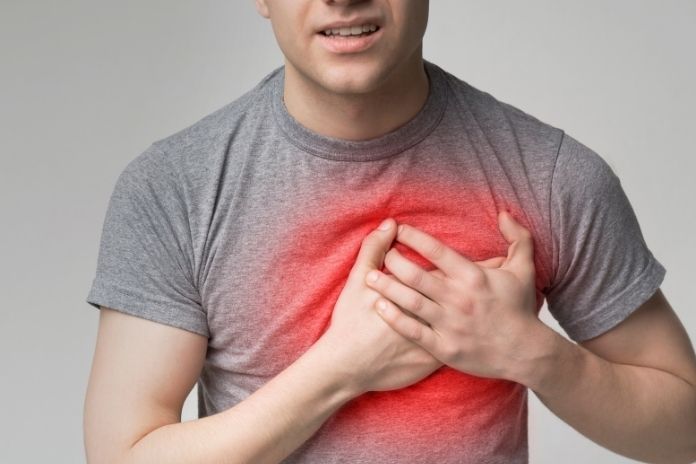
The overlap between panic attacks and heart events is one of the most clinically tricky scenarios in emergency medicine. Both can present with chest discomfort, racing pulse, sweating, and a sense of impending doom. Both peak rapidly. Both leave the person shaken.
A 2025 case report in Cureus documented a patient whose supraventricular tachycardia was repeatedly misdiagnosed as panic attacks, delaying appropriate treatment. The authors highlight the importance of cardiac evaluation in any patient whose symptoms do not respond to anxiolytic treatment.
The truth is that the only reliable way to tell a heart attack from a panic attack in the moment is medical testing. Chest pain that feels new, severe, or different from previous anxiety episodes is always worth evaluating in person. Treating it as a panic attack and being wrong is far worse than treating it as a cardiac event and being wrong.
How Doctors Evaluate Heart Palpitations
Clinical evaluation usually starts with a thorough history. Your doctor will ask about how the episodes feel, what triggers them, how long they last, which symptoms accompany them, and your family history. Lifestyle factors, including caffeine, alcohol, sleep, and recent stress, are part of the conversation.
A standard 12-lead electrocardiogram is the first test. A 2011 review in American Family Physician on the outpatient evaluation of palpitations identifies the ECG as essential first-line diagnostic testing, along with cardiac imaging when structural disease is suspected.
When palpitations are intermittent, ambulatory monitoring fills the gap. A Holter monitor records continuously for 24 to 72 hours. An event monitor, worn for weeks, captures rhythms only when symptoms occur. Implantable loop recorders extend that window to years for people with infrequent but worrisome episodes.
Blood work checks thyroid function, electrolytes, and sometimes cardiac biomarkers. An echocardiogram can identify structural issues. Referral to a cardiologist or electrophysiologist follows when findings suggest arrhythmia or when symptoms remain unexplained.
What You Can Do When Palpitations Happen
If anxiety is the likely cause, several techniques can short-circuit an episode. Slow, controlled breathing through the nose and out through the mouth activates the parasympathetic nervous system and slows the heart. The 4-7-8 pattern, in which you inhale for four counts, hold for seven, and exhale for eight, has reasonable evidence for acute anxiety relief.
A 2025 paper in Scientific Reports examined the effects of slow breathing on anxiety and found measurable reductions in physical tension and subjective distress, supporting what experienced clinicians have long recommended.
Cutting back on caffeine, alcohol, and nicotine reduces the baseline triggers. Hydration matters more than people realize, since dehydration can concentrate blood and elevate heart rate. Sleep is foundational. Tracking when palpitations occur, what you ate, how you slept, and what was happening emotionally helps identify patterns you can then change.
Read More: 7 Breathwork Techniques to Calm Your Nervous System and Reset Your Mind
When to Seek Immediate Medical Care
Some symptoms cross the threshold from “manage at home” to “go now.” Severe chest pain, particularly if it spreads to the arm, jaw, or back, is one. Fainting or near-fainting is another. Palpitations accompanied by shortness of breath at rest, sustained heart racing that will not stop, or sudden new symptoms in someone with known heart disease all warrant emergency evaluation.
The 2025 Cureus case report on misdiagnosed supraventricular tachycardia reinforces the principle. When the symptoms do not match the usual pattern, when they appear under physical stress, or when they fail to respond to anxiety-targeted approaches, cardiac testing is the right next step. Seeking care does not mean overreacting. It means letting trained eyes confirm what your body is doing.
Hadine Joffe, MD, MSc, Executive Director of the Mary Horrigan Connors Center for Women’s Health Research at Mass General Brigham, addresses the diagnostic complexity by noting that “symptoms that occur in menopause can appear to be mental health symptoms.” The same can be said in reverse. Symptoms that feel like a panic attack can sometimes signal something else, and a clinical evaluation is what separates the two.
Key Takeaway
Anxiety and heart palpitations are common, usually harmless, and tied to the body’s stress response. They tend to start during emotional moments, last briefly, and fade as the nervous system calms. Most respond well to lifestyle adjustments, breathing techniques, and treatment of the underlying anxiety.
Cardiac causes of palpitations follow a different pattern. They often occur without an emotional trigger, may appear during exertion or rest, and can last longer or be accompanied by chest pain, breathlessness, dizziness, or fainting. These signs deserve prompt medical evaluation rather than reassurance from internet searches.
The most useful skill is paying attention to context. What triggered the episode, how long it lasted, what symptoms came with it, and how it resolved are all clues that help you and your clinician piece together the picture. When the answer is unclear, professional evaluation is always the safer path, and modern cardiac testing makes definitive answers more accessible than ever.
References
- Bsw Health. (2024). Heart palpitations: Is my heart racing from anxiety or arrhythmia? Baylor Scott & White Health.
- Cleveland Clinic. (2024). Should I worry about heart palpitations from anxiety?
- Luo, Q., Li, X., Zhao, J., Jiang, Q., & Wei, D. (2025). The effect of slow breathing in regulating anxiety. Scientific Reports, 15.
- Matta, S., Mikhail, G., Ugona, D., Lazarescu, R., & Taffaro, A. (2025). Misdiagnosis of supraventricular tachycardia as panic attacks: A case report highlighting the importance of accurate cardiovascular evaluation. Cureus.
- Mayo Clinic. (2024). Heart palpitations: Symptoms and causes.
- Tunnell, N. C., Corner, S. E., Roque, A. D., Kroll, J. L., Ritz, T., & Meuret, A. E. (2024). Biobehavioral approach to distinguishing panic symptoms from medical illness. Frontiers in Psychiatry, 15.
- Wexler, R. K., Pleister, A., & Rahman, S. V. (2011). Outpatient approach to palpitations. American Family Physician, 84(1), 63-69.
- American Heart Association News. (2022, July 13). How to tell the difference between a heart attack and panic attack.
- Cleveland Clinic. (n.d.). The difference between panic attacks and heart attacks.
- Jefferson Health. (n.d.). How to tell the difference between panic and heart attacks.
- University of Rochester Medical Center. (2026, March 26). Panic attacks vs. heart attacks: Understanding the differences.
- Doctronic. (n.d.). Panic attack vs heart attack: How to tell the difference.
- Houston Methodist. (2025, May). Is it anxiety or a heart attack? Learn to spot the difference.
- Ubie Health. (n.d.). Panic attack vs heart attack: How to tell & next steps.
- NewYork-Presbyterian. (n.d.). Panic attack or heart attack: How to tell the difference.
In this Article