












- Eat sweets after a meal, not on an empty stomach. This slows sugar absorption and prevents sharp spikes and crashes.
- Eat sweets last, after vegetables, protein, and carbs. This food order helps reduce the overall blood sugar rise.
- Move after eating and avoid late-night sweets. A short walk lowers glucose, and earlier in the day is better for blood sugar control.
The best time to eat sweets isn’t about cutting sugar; it’s about changing when and how you eat it. The same cookie can produce completely different blood sugar responses depending on timing, food order, and what you do afterward.
If you’ve ever noticed energy crashes or cravings after sugar, that’s not random. It’s your body reacting to how quickly glucose rises and falls. The good news is that you don’t need to avoid sweets to manage this.
By understanding a few key principles, such as meal timing, sequencing, movement, and even your body clock, you can significantly reduce sugar and blood sugar spikes without restriction.
Read More: Craving Sweets? Try These Delicious Low-Sugar Desserts!
The Short Answer—After a Meal Is the Best Time to Eat Sweets
If you’re wondering when to eat sweets to avoid a blood sugar spike, the answer is simple: eat them at the end of a meal, not alone and not first. This works because your body is already in a “buffered” state.
Fiber from vegetables forms a viscous gel in the intestine, slowing glucose absorption. Protein stimulates GLP-1, which enhances insulin release and slows gastric emptying. Fat further delays how quickly food moves through your digestive system.
By the time you eat dessert, all three mechanisms are active. That’s why eating sweets after a meal results in a much lower blood sugar response than eating the same sweet alone. In practical terms, this means the best time to eat sugar is not between meals but right after them.
Why Eating Sweets on an Empty Stomach Is the Worst Timing

Eating sweets, especially first thing in the morning or as the only snack, leads to the sharpest spikes. Without fiber, protein, or fat, sugar is absorbed rapidly, often causing an empty stomach sugar spike within 15–30 minutes.
But the real issue comes after. Blood sugar can drop quickly, sometimes falling below baseline within 60–90 minutes. This is often called reactive hypoglycemia. That drop triggers hunger and activates the brain’s reward system, increasing cravings for quick carbohydrates. This is the classic sugar crash after sweets, a physiological cycle, not a willpower issue.
This is why sweets on an empty stomach have such pronounced effects on blood sugar. It also explains why people often feel hungrier after sugary snacks than before eating them. Shifting to sweets with a meal vs. alone helps prevent both the spike and the crash.
Not Just After a Meal — Save Sweets for the Very End
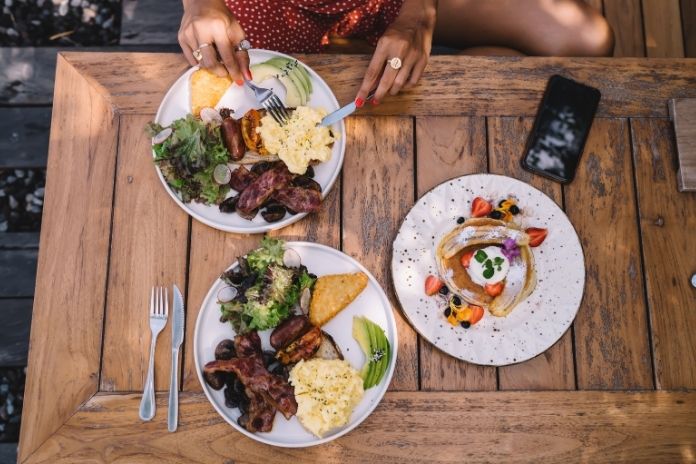
Even when you eat sweets with a meal, the order still matters. Research shows that the order in which you eat foods during a meal can significantly affect post-meal glucose spikes. Studies show that eating carbohydrates last, after vegetables and protein, can reduce post-meal glucose spikes by 40–73% compared to eating carbs first. This directly applies to dessert.
When you eat vegetables first, fiber slows how quickly glucose is absorbed. Protein stimulates hormones like GLP-1, improving insulin response and slowing digestion. Fat adds another layer by delaying gastric emptying.
By the time you reach dessert, your body is already metabolically prepared. That’s why eating dessert after a meal leads to a lower glucose spike, not just because of timing but also because of sequencing. This is one of the most effective ways to enjoy sweets without causing large blood sugar spikes in everyday meals.
How To Sequence Your Meal If Sweets Are On The Menu
Start with vegetables or any fiber-rich food; even a small salad works. Then eat protein such as eggs, lentils, tofu, fish, or meat. Follow with carbohydrates such as rice, bread, or pasta. Finish with sweets.
There’s no need to pause between courses; the order alone improves glucose control. This applies equally to a formal dessert, a biscuit after lunch, or chocolate after dinner.
Read More: Why Am I Craving Carbs? Common Causes and How to Stop the Cycle
A Short Walk After Sweets Blunts the Spike
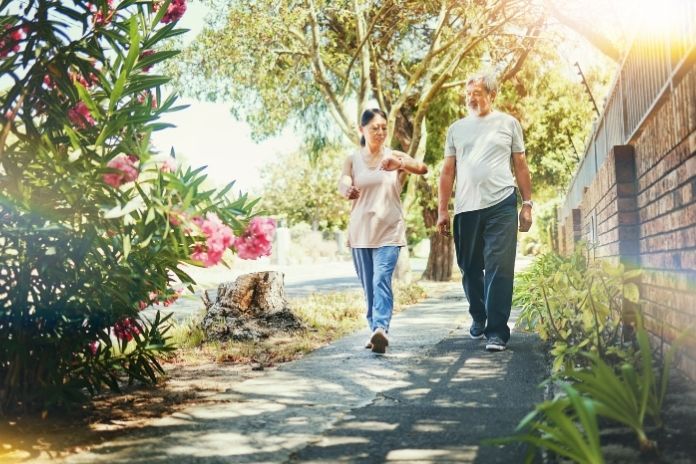
Pairing timing with movement makes a noticeable difference. A short walk after eating helps reduce postprandial glucose levels significantly. Research shows that post-meal activity is more effective than exercising before eating for controlling glucose spikes.
Even a 10-minute walk immediately after eating can lower peak blood sugar by a meaningful margin, sometimes comparable to a longer 30-minute walk. The mechanism is insulin-independent. When muscles contract, they use GLUT-4 transporters to absorb glucose directly from the bloodstream. This means your muscles use the sugar as fuel before it accumulates.
Even light movement counts. Standing, washing dishes, or tidying up can help. Combining eating sweets after a meal with blood sugar control and movement is one of the most practical ways to manage sugar and blood sugar spikes.
The Best Time of Day for Sweets, According to Your Body Clock

Your body’s ability to handle sugar follows a daily rhythm. Circadian rhythm insulin sensitivity means that the same sweet can produce different responses depending on the time of the day. Research shows that postprandial glucose levels are about 17% higher in the evening compared to earlier in the day.
Early insulin response is also significantly lower later in the day, meaning your body is less efficient at handling sugar. This means the best time to eat sugar is typically around midday, when the glucose tolerance time of day is at or near its peak. The worst time is late evening, when insulin sensitivity is lowest.
This explains why, when eating sweets before bed, blood sugar responses tend to be higher and more prolonged. That said, meal context still matters more. Eating sweets after a meal, the blood sugar impact will still be lower than eating them alone, even earlier in the day.
Read More: Saving Calories for the Weekend: Does It Help or Hurt Your Health Goals?
A Practical Hierarchy — Four Strategies, Ranked by Impact
If you want a simple way to apply this, focus on what matters most:
- First, eat sweets after a meal, not alone. This is the biggest lever.
- Second, eat sweets last, after vegetables and protein, to reduce the food order’s glucose spike.
- Third, add movement after eating, even if it’s just 10 minutes.
- Fourth, when possible, choose to eat sweets earlier in the day over late evening.
The worst-case combination is clear: sweets on an empty stomach, a blood sugar spike, eaten late in the evening, followed by sitting still. If you’re managing diabetes or prediabetes, you must get personalized guidance from a healthcare provider.
One Exception — Sweets Before Exercise Can Be Useful

There is one exception to these rules. If you’re doing sustained aerobic exercise, like running or cycling for an hour or more, having sugar beforehand can help.
Consumed 30–60 minutes before exercise, sugar is used directly by working muscles, and reducing its impact on blood glucose. This is why quick carbs are standard in endurance nutrition.
However, for light activity like a short walk, this effect is smaller. In most everyday situations, when to eat sweets to avoid a blood sugar spike still comes down to eating them after a meal rather than before it.
Read More: How to Make a Sweet Tooth Go Away (Without Feeling Deprived)
Conclusion
You don’t need to eliminate sweets to manage your blood sugar—you just need to change the context. The biggest impact comes from eating sweets after a meal, followed by smart sequencing, vegetables and protein first, and sweets last, and adding even a short walk afterward.
If you want to optimize further, aim for earlier in the day instead of late evening. Avoid the high-risk combination of sweets on an empty stomach, blood sugar spikes, late-night timing, and no movement. With these small shifts, you can enjoy sweets while keeping your glucose response steady.
References
- American Heart Association. (n.d.). Food as fuel before, during, and after workouts.
- Garaulet, M., & Gómez-Abellán, P. (2014). Timing of food intake and obesity: A novel association. International Journal of Obesity, 38(6), 789–796.
- Zhang, Y., et al. (2025). Effects of carbohydrate-last food order on glycemic control in type 2 diabetes. Diabetes Care.
- WebMD. (n.d.). Reactive hypoglycemia.
- Drucker, D. J. (2018). Mechanisms of action and therapeutic application of glucagon-like peptide-1. Cell Metabolism, 27(4), 740–756.
- Jovanovski, E., et al. (2023). Viscous dietary fiber and its effects on glucose and lipid metabolism in type 2 diabetes. Nutrients, 15(13), 2860.
In this Article