


















- Swelling in the legs and ankles can be an early sign of heart failure, especially when it is bilateral, worsens throughout the day, and is associated with symptoms like breathlessness and fatigue.
- Heart failure causes fluid buildup due to poor pumping and kidney-driven fluid retention, leading to edema that may appear only after significant internal fluid accumulation.
- Not all leg swelling is heart-related, but patterns like rapid weight gain, non-tender swelling, and accompanying symptoms should prompt immediate medical evaluation.
Swollen feet and ankles are easy to ignore. After a long day of standing, a salty meal, or even just hot weather, it’s common to notice your shoes feeling tighter or your socks leaving deeper marks than usual.
But not always.
In some situations, swelling in legs and ankles is not just a minor inconvenience; it can be one of the earliest visible signs of a serious underlying condition. What makes this particularly challenging is how subtle it can be at first. The swelling may be mild, painless, and gradual, making it easy to attribute to lifestyle factors rather than physiology.
This matters because leg swelling, a warning sign of heart failure, often appears before more dramatic symptoms. Heart failure itself is a major public health concern, especially in older adults, and early detection significantly improves outcomes.
So, are swollen ankles a sign of heart failure or just a normal part of daily life? The answer depends on patterns, progression, and accompanying symptoms.
This article breaks down why legs swell when there is heart failure, how to distinguish ankle swelling heart failure symptoms from benign causes, and, most importantly, when you should worry about leg swelling.
To understand the warning signs, you first need to understand the mechanism, because what’s happening internally explains exactly what you see externally.
Read More: 4 Ways to Make the Most of Lifestyle Changes After a Heart Diagnosis
Why Heart Failure Causes Leg Swelling — The Mechanism
The Pump Failure That Backs Up Into Your Legs
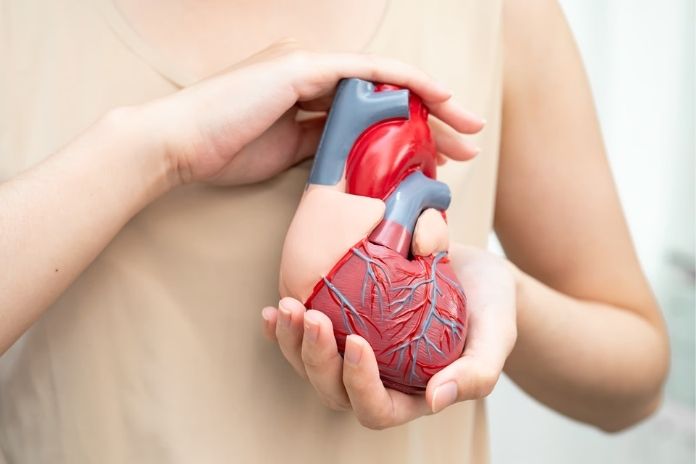
Heart failure is not a sudden stopping of the heart but a gradual decline in its ability to pump blood effectively. When the heart’s pumping capacity decreases, blood begins to move more slowly through the circulatory system. Instead of flowing efficiently forward, it starts to back up, particularly in the veins.
This backward pressure increases the hydrostatic pressure inside blood vessels. As pressure builds, fluid is pushed out of the bloodstream and into the surrounding tissues. This fluid accumulation is what we know as edematous heart failure.
The location of this swelling depends largely on which side of the heart is most affected. In right-sided heart failure, the right side of the heart is unable to pump blood effectively to the lungs. As a result, blood backs up in the veins, leading to fluid leakage into surrounding tissues.
Because of gravity, this fluid tends to collect in dependent areas (the lowest parts of the body), which is why swelling is most commonly seen in:
- Legs
- Ankles
- Feet
This swelling is called peripheral edema.
On the other hand, left-sided heart failure primarily affects the lungs, leading to fluid buildup in the air spaces, a distinction often described as pulmonary edema. However, as the disease progresses, both sides of the heart are typically involved, leading to combined symptoms.
The Kidney Amplification Loop
What makes heart failure-related swelling particularly complex is that it is not just a circulatory issue; it is also a hormonal one.
When the heart fails to pump effectively, less blood reaches the kidneys. The kidneys interpret this as a sign that the body is dehydrated or that blood pressure is too low. In response, they activate a powerful hormonal cascade known as the RAAS fluid retention heart failure system.
This system increases sodium and water retention, expanding blood volume in an attempt to “fix” the perceived problem. But in heart failure, this compensation backfires. Instead of improving circulation, it adds more fluid to an already overloaded system.
The result is a reinforcing loop: poor cardiac output leads to fluid retention, which increases pressure in blood vessels, causing more fluid leakage into tissues, worsening cardiac edema and bilateral swelling.
The Hidden Fluid — Why Swelling Appears Late
One of the most clinically important insights is that visible swelling is a late sign.
The body can accumulate several liters of excess fluid in the interstitial spaces before it becomes externally obvious as pitting edema or other signs of heart failure.
This is why rapid weight gain is one of the earlier warning signs of worsening heart failure than visible swelling. Patients may gain several pounds over a few days due to fluid retention, even before their ankles begin to swell.
By the time swelling becomes visible, the underlying process has usually been developing quietly for some time.
Read More: Signs of a Heart Attack vs. Panic Attack: When to Call 911
Recognizing Cardiac Edema—What Heart Failure Swelling Looks and Feels Like

The Distinctive Characteristics of Heart Failure Swelling
So, is leg swelling a sign of heart failure? It can be, but not all swelling is equal.
Heart-related swelling follows a recognizable pattern. One of the most important features is symmetry. Swollen ankles: Heart disease typically affects both legs, rather than just one. This bilateral distribution reflects the systemic nature of fluid overload.
Another defining feature is timing. Many individuals notice that swelling worsens as the day progresses. After standing or sitting upright for extended periods, gravity causes fluid to accumulate in the lower extremities. By evening, the ankles may appear significantly swollen, only to improve overnight with elevation.
The texture of the swelling also provides clues. In many cases, pressing a finger into the skin leaves an indentation that persists for several seconds, a hallmark of pitting edema.
The skin itself may appear stretched, shiny, and slightly cool to the touch. Shoes may feel tighter without any change in weight or activity level.
How Cardiac Edema Progresses If Untreated
If the underlying heart condition is not addressed, swelling rarely stays confined to the ankles.
Over time, fluid accumulation may extend upward into the calves, thighs, and even the abdominal region. This progression reflects the increasing severity of fluid overload.
In advanced cases, tissue pressure can compromise skin integrity. Blisters may form, the skin may crack, and fluid may begin to leak, creating an entry point for infection.
Beyond discomfort, constant edema is clinically significant. It leads to higher hospitalization rates and poorer outcomes, making early recognition of leg swelling, a warning sign of heart failure, essential.
One Leg vs. Two — A Critical Diagnostic Distinction
A simple yet powerful question in evaluating ankle swelling is how to tell whether it is heart-related.
The answer often lies in whether one leg or both legs are affected.
Heart failure almost always causes cardiac edema, bilateral swelling, meaning both legs are involved. In contrast, swelling in a single leg is more suggestive of localized conditions such as a blood clot or infection.
Pain is another distinguishing factor. Cardiac edema is usually non-tender, whereas conditions like DVT or cellulitis often cause pain, warmth, and redness.
Other Warning Signs That Point to the Heart
Swelling Rarely Travels Alone—The Accompanying Symptoms That Change Everything
Swelling becomes significantly more concerning when it appears alongside other symptoms.
Shortness of breath is one of the most important symptoms. As fluid backs up into the lungs, breathing may become difficult, particularly when lying flat, a sign of the progression of pulmonary edema rather than peripheral edema.
Another key indicator is rapid weight gain, often defined as gaining two to three pounds in a day or five pounds in a week. This reflects fluid accumulation rather than fat gain.
A persistent cough or wheezing can develop as fluid accumulates in the lung tissue. Fatigue is also common, often presenting as a reduced ability to perform routine tasks due to decreased cardiac output.
Nocturia, or frequent nighttime urination, is another subtle but telling sign. When lying down, fluid redistributes from the legs back into circulation, increasing kidney filtration.
Together, these symptoms highlight the key warning signs of Heart failure, including ankle and leg swelling, as well as other warning signs that should not be ignored.
Read More: Heart-Healthy New Year’s Goals: Simple Changes That Can Transform Your Cardiovascular Health
Other Causes of Leg Swelling — When It Is Not the Heart
The Differential Diagnosis — What Else Causes Leg and Ankle Swelling
It’s important to acknowledge that most cases of leg swelling are not caused by heart failure.
In many cases, swelling is due to prolonged standing or sitting, especially in warm weather. High salt intake can also lead to fluid retention.
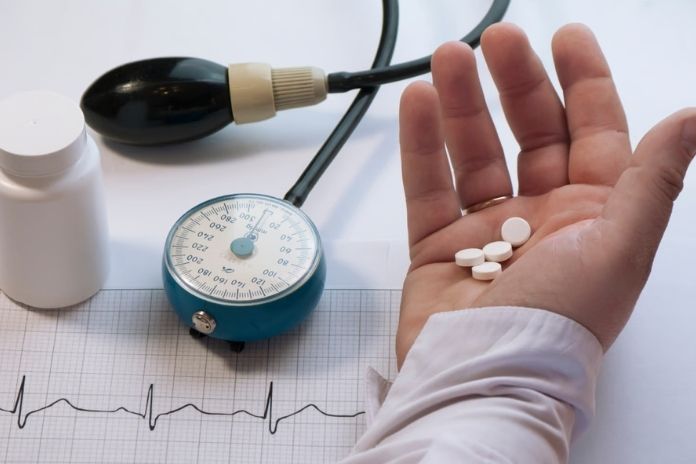
Medications, including certain blood pressure drugs, anti-inflammatory medications, and antidepressants, can contribute to swelling.
Venous insufficiency is one of the most common causes of chronic swelling, particularly in older adults.
Kidney and liver diseases can also lead to fluid accumulation, though through different mechanisms than edema in heart failure.
The distinction lies in the pattern. Swelling in legs and ankles and heart failure are typically progressive and bilateral and linked with systemic symptoms, whereas non-cardiac causes often lack this full clinical picture.
Differences Between Cardiac and Non-Cardiac Causes of Leg and Ankle Swelling
Medical Comparison
Cardiac vs. Non-Cardiac Swelling
| Feature | Suggests Cardiac Cause | Suggests Non-Cardiac Cause |
|---|---|---|
| Bilateral or unilateral | Both legs | One leg |
| Tender or non-tender | Non-tender | Tender |
| Associated symptoms | Systemic signs | Local or none |
| Timing | Worsens through day | Positional or constant |
| Weight gain | Rapid gain | Stable weight |
Diagnosis and Treatment — What Happens When You See a Doctor
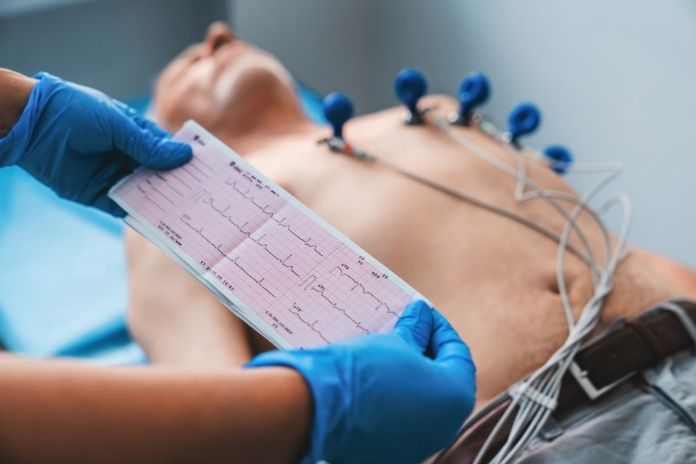
How Cardiac Edema Is Diagnosed
Diagnosing heart-related swelling involves combining clinical observation with diagnostic testing.
Doctors look for signs such as jugular venous distension, pulmonary crackles (rales) indicating fluid in the lungs, and pitting peripheral edema (swelling) in the legs.
Blood tests may include B-type natriuretic peptide (BNP), which measures a hormone released by the heart’s ventricles in response to increased pressure or fluid overload, helping doctors diagnose heart failure.
Imaging studies such as echocardiograms, chest X-rays, and ECGs help confirm the diagnosis and assess severity.
How Cardiac Edema Is Treated
Treatment focuses on reducing fluid overload and improving heart function.
Medications such as diuretics for edema and heart failure, commonly known as “water pills,” help the body eliminate excess fluid.
Long-term management includes reducing sodium intake, monitoring daily weight, staying physically active, and managing underlying conditions.
In more severe cases, oxygen therapy and advanced medications may be required, particularly when lung involvement is significant.
Read More: Questions to Ask Your Cardiologist: A Complete Guide for Your Next Heart Appointment
Conclusion
Swelling in the legs and ankles is one of the most visible, and often underestimated, signs of heart failure.
While many cases are harmless, the pattern matters. Swelling in legs and ankles in heart failure is typically bilateral, progressive, and associated with symptoms like breathlessness, fatigue, and rapid weight gain.
So, when should you worry about leg swelling? When it follows this pattern, it should not be ignored.
Early recognition is critical. The sooner heart failure is identified and treated, the better the outcome, and something as simple as daily weight monitoring can make a life-saving difference.
References
- Harvard Health Publishing. (n.d.). Edema: A to Z.
- National Center for Biotechnology Information. (2021). Peripheral edema: Pathophysiology and clinical approach.
- National Center for Biotechnology Information. (2010). Natriuretic peptides in chronic heart failure.
- National Center for Biotechnology Information. (2019). Heart failure: Pathophysiology and clinical management.
- National Health Service. (n.d.). Heart failure – Symptoms.
In this Article