















- Sulfates cause just skin irritation, never a true allergy.
- Sulfites can trigger breathing problems, especially in people who already have asthma.
- They have chemical and clinical differences, and people should never confuse them. Proper diagnosis matters far more than fear-based avoidance.
Many people say, “I am allergic to sulfates” or “wine gives me a sulfite allergy.” In reality, they’re often mixing up two very different chemicals. Sulfates and sulfites may sound similar, but biologically, they behave very differently in the body.
One is mainly associated with cleaning and personal care products. The other can trigger breathing symptoms in sensitive individuals.
This article will clearly explain the difference—without drama or internet myths—and why understanding it is especially important for people with asthma.
What Are Sulfates?

Sulfates are sulfuric acid salts. In day-to-day life, you can see them in the following:
- Shampoos and body washes (like sodium lauryl sulfate – SLS)
- Toothpaste
- Detergents
- Some medications
- Certain water supplies
The main function of the above products is foaming and cleansing. They help remove oil and dirt. Chemically, sulfates are stable and oxidized forms of sulfur compounds. That stability is important. It means they do not easily convert into reactive substances inside the body.
When people complain of “sulfate allergy,” it is usually not a true allergy caused by an immunoglobulin or antibody E (IgE)-mediated immune response. It is more commonly seen as the following:
- Skin irritation
- Contact dermatitis
- Eye irritation
- Dry scalp
This is actually an irritant reaction, never a classic allergy that anyhow relates to IgE antibodies (the body’s radar for inflammation).
Important point: Sulfates are also not the same as sulfa drugs (like certain antibiotics). That confusion creates unnecessary fear.
What Are Sulfites?

Sulfites are preservatives. Sulfites in food help prevent spoilage and preserve color, keeping foods and drinks fresh and visually appealing
Common examples:
- Sulfur dioxide
- Sodium bisulfite
- Sodium metabisulfite
- Potassium bisulfite
Different from sulfates, sulfites are reducing agents. So, they can release sulfur dioxide gas in some special scenarios, especially when the environment is acidic, just like the stomach.
This creates an issue. In sensitive individuals, sulfites can trigger the following:
- Wheezing
- Shortness of breath
- Chest tightness
- Hives
- Flushing
- Rarely, anaphylaxis
Sulfites are never just a cosmetic issue. They are more commonly a food-related or inhalation-related problem.
Sulfate Allergy: Is It Real?

Direct answer: True sulfate allergy is actually very uncommon. Most reactions that people feel are caused by sulfates are the following:
- Irritant contact dermatitis
- Sensitive skin response
- Pre-existing eczema worsening
There is very little scientific evidence supporting that attributes true IgE-mediated allergy to sulfate compounds like SLS. People do not take sulfate shampoos, thinking they have an allergy. But what they likely have is the following:
- Damaged skin barrier
- Atopic skin
- Overwashing
- Reaction to fragrance, not sulfate
This distinction matters. When people blame sulfates, they might neglect the actual triggers, like fragrance preservatives or parabens. Yes, there may be skin reactions. But calling it a “sulfate allergy” is usually considered medically incorrect.
Sulfite Sensitivity or Allergy
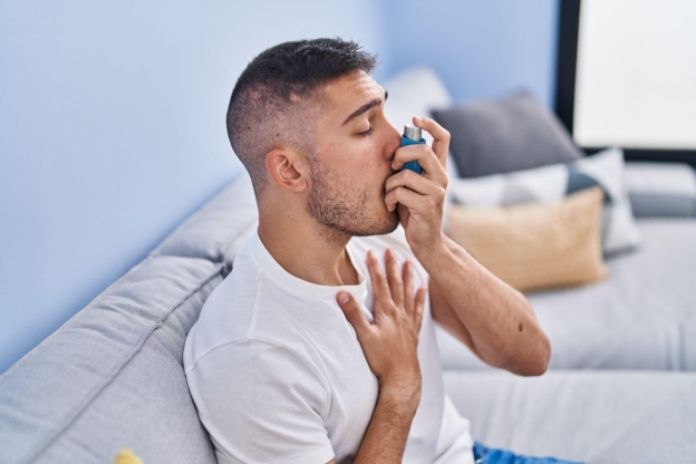
Sulfite sensitivity is well-documented, especially in people who already have asthma. But even in such cases, there are several complications. Most sulfite reactions are not classic allergies. Instead, they are:
- Non-IgE mediated
- Triggered by sulfur dioxide release
- Causing bronchospasm
When sulfites get into the stomach, they can release sulfur dioxide gas. In some people, this gas may stimulate airway reflexes and cause narrowing of the airways.
This is why sulfite reactions are more common in:
- People who already have asthma
- People with poorly controlled asthma
- Individuals with hyperreactive airways
A true anaphylactic sulfite allergy does exist; however, it is quite rare. So medically, we often say “sulfite sensitivity” instead of “sulfite allergy.”
Symptoms: Sulfate vs Sulfite Reactions
1. Sulfate Reactions
Usually limited to skin:
- Redness
- Itching
- Dryness
- Burning sensation
- Rash at the contact site
Very rarely:
- Severe eczema flare
- Contact dermatitis confirmed by patch testing
No breathing issues. No systemic reactions typically.
2. Sulfite Reactions
More systemic and respiratory sulfite allergy symptoms:
- Wheezing
- Cough
- Shortness of breath
- Chest tightness
- Facial flushing
- Nausea
- Abdominal cramps
- Hives
- In more serious cases: anaphylaxis
Sulfite allergy symptoms usually occur within just a few minutes to 1 hour after ingestion. Important difference: If you feel breath is affected, then think sulfites first, not sulfates.
Why People With Asthma Should Be Cautious about Sulfites
Research shows that approximately 3–10% of asthma patients may react to sulfites. Why? There are a few possible mechanisms:
- The formation of sulfur dioxide in the stomach can trigger a reflex that affects the airways when inhaled
- Increased airway sensitivity in people with asthma
- Impaired sulfite oxidase enzyme activity in some individuals
Asthma patients with the following symptoms are at a higher risk:
- Frequent asthma attacks
- Dependence on steroid treatment to manage asthma
- Severe airway hyperreactivity
This is why asthma patients should never ignore food labels that list sulfites. It is never a panic situation. But awareness is important.
Where You’ll Find Sulfates and Sulfites

1. Common Sulfate Sources
- Shampoos
- Body washes
- Liquid soaps
- Toothpaste
- Laundry detergents
- Dishwashing liquids
- Some intravenous medications (in rare cases)
You do not typically find sulfates as food preservatives.
2. Common Sulfite Sources
Food and beverages:
- Wine (especially white wine)
- Dried fruits (apricots, raisins)
- Packaged fruit juices
- Pickled foods
- Shrimp (preserved types)
- Processed potatoes (like packaged mashed potatoes)
- Vinegar-based products
Dr. Jerry Snow, a medical toxicology specialist, also says, “Foods and beverages such as dried fruits, salad, baked goods, condiments, and certain juices contain sulfites.”
Also used in:
- Some injectable medications
- Certain inhaled medications
- Local anesthetics with epinephrine
Label reading becomes important here. In many countries, labeling is actually mandatory if the sulfite amount is more than 10 ppm.
Read More: Is It Safe to Take Allergy Medicine Every Day? What Experts Want You to Know
How Are Sulfite Allergies Diagnosed?
There is no simple blood test that really confirms sulfite sensitivity. Diagnosis usually involves:
- Detailed history
- Symptom correlation with sulfite-containing foods
- Supervised oral challenge (done by allergy specialist)
“The toughest part about diagnosing a sulfite allergy is that there’s no test we can use; rather, it’s a diagnosis by history of exposures and often excluding other food allergies,” says Dr. Jordan Scott, an allergist.
Skin prick tests are not very reliable for sulfites. The reason is that its reactions can give rise to breathing problems. Challenge testing must always be done in a medical setting.
Dr. Clare Morrison, a general practitioner, recommends keeping a food diary to show to your GP, which can help with the diagnosis.
Using the internet to make a self-diagnosis is very risky.
Read More: Food Allergy vs. Intolerance: How to Tell the Difference and Why It Matters
Treatment and Management

For sulfate irritation:
- Start using mild cleansers with no fragrance
- Repair the skin barrier with moisturizers
- Do not overwash
- Patch testing, if dermatitis is already persistent
For sulfite sensitivity:
- Do not eat food that has high sulfites
- Read labels carefully
- Asthma must be well-controlled
- Keep emergency medication with you if severe reactions have occurred before
In confirmed severe sulfite allergy:
- An epinephrine auto-injector may be prescribed
Completely avoiding sulfite isn’t necessary, as the tolerance level differs from person to person.
Read More: Drugs to Avoid with Shellfish Allergy: What’s Safe and What’s Not
Final Thoughts
The problem is never sulfates and sulfites themselves. The problem is confusion between sulfate and sulfite allergies.
Sulfates are just irritants, mostly. Sulfites can trigger asthma and respiratory reactions in sensitive individuals.
- Sulfates and sulfites are chemically and clinically very different; lumping them together creates misdiagnosis and unnecessary lifestyle restriction.
- Most “sulfate allergies” are actually irritant reactions or sensitivities to fragrance; a true allergy caused by an immune response is always rare.
- Sulfite sensitivity is more common in asthma patients, especially those with poorly controlled airway disease.
- There is no widely reliable lab test for sulfite sensitivity; supervised challenge remains the diagnostic standard.
- We still never fully understand why only a subset of asthma patients react to sulfites and whether genetic variations in sulfite oxidase or airway nerve sensitivity play a major role.
References
- American Academy of Allergy, Asthma & Immunology. (2025). Immunoglobulin E (IgE) Defined. Aaaai.org.
- Cleveland Clinic. (2024). Sulfite Allergy & Sensitivity: Symptoms, Tests & Treatments. Cleveland Clinic.
- Vally, H., & Misso, N. L. (2024). Adverse reactions to the sulphite additives. Gastroenterology and Hepatology from Bed to Bench, 5(1), 16.
In this Article