













- Estrogen increases cholesterol in bile, raising gallstone risk, especially in women
- Genetics and ethnicity influence bile composition and gallbladder function.
- Lifestyle still matters: diet, weight stability, and activity can reduce overall risk.
Although nutrition, particularly fatty or unhealthy foods, is frequently blamed for gallstones, the truth is more nuanced. Uncontrollable internal variables, including hormones, genetic characteristics, and ancestry, often cause gallstones. These unseen factors affect gallbladder motility, cholesterol saturation in bile, and bile composition, all of which are critical for the development of stones.
This article examines the main risk factors for gallstones, including the estrogen gallstones risk, the genetic risk of gallstones, and the gallstone ethnicity risk. We will also discuss why women get gallstones more than men, the significance of genetic predisposition, and whether gallstones are hereditary or associated with a family history of gallstones.
Read More: What Is Estrogen Withdrawal Anxiety and Why Does It Happen?
Why Gallstones Form in the First Place
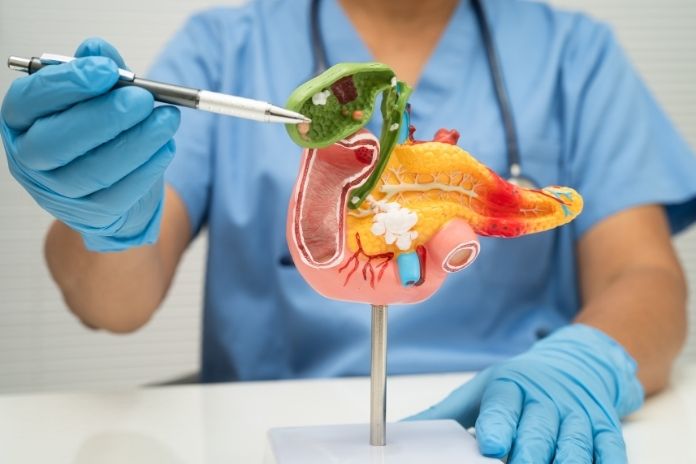
The gallbladder, a little organ beneath the liver that stores and expels bile, is where solid particles called gallstones form. One digestive fluid that aids in the breakdown of lipids in food is bile. Gallstones can range in size from a golf ball to a grain of sand. While some people may develop many gallstones, others may have only one.
The primary function of the gallbladder is to hold the bile that the liver produces and then release it into the small intestine for digestion. Gallstones can form if the balance of bile’s constituents, including waste products, bile salts, and cholesterol, is upset.
There are mostly two kinds:
- Cholesterol gallstones are the most prevalent type of gallstone, caused by an excess of cholesterol in bile.
- Pigment gallstones are comprised of bilirubin, which is created when red blood cells degrade. They are frequently associated with particular illnesses, such as bile duct infections or liver disease.
When bile has an imbalance of bilirubin, bile salts, or cholesterol, gallstones develop. Crystals may form from this imbalance and then group to form stones. Additionally, if the gallbladder doesn’t empty fully or frequently enough, bile can concentrate, leading to gallstones.
The Estrogen Connection: Why Women Have a Higher Risk

Sex is one of the most well-known risk factors for gallstones. Gallstones are much more common in women than in men, and hormones play a major role in this.
How Estrogen Changes Bile Composition
The risk of estrogen gallstones is largely increased by estrogen. It affects the liver’s bile and cholesterol processing in multiple ways:
- Increases the amount of cholesterol secreted into the bile
- Leads to higher cholesterol saturation in bile
- Encourages the development of stones and crystals
This hormonal influence on the liver directly contributes to cholesterol gallstone causes, especially in women.
Life Stages That Raise Risk
Gallstones are almost twice as common in women as in men, even though gallbladder issues can afflict anyone. A variety of hormonal, biochemical, and lifestyle factors that specifically affect women’s health drive this discrepancy; it is not merely a coincidence.
You can take preventive measures to safeguard your gallbladder and general digestive health by being aware of the factors that put women at higher risk.
Estrogen is a key factor in gallstone development, according to medical research published in the National Institutes of Health and compiled in a highly regarded PubMed study. Estrogen raises bile cholesterol levels and slows gallbladder emptying, making it easier for cholesterol stones to form.
“This is why gallstones often appear during periods of hormonal change,” gastroenterologists explain in clinical reviews. Pregnancy, oral contraceptives, and hormone replacement therapy (HRT) all raise estrogen levels, compounding the risk.
Factors That Increase Risk
Hormones alone do not show the complete picture. Physicians frequently find several overlapping risk factors:
- Obesity:Being overweight causes the bile to secrete more cholesterol.
- Rapid Weight Loss:Crash dieting prompts the liver to release more cholesterol.
- Age: After age 60, many diagnoses arise, and risk increases continuously.
- Genetics:Regardless of lifestyle, family history is important.
What Research Clearly Shows
Research continuously demonstrates that:
- Gallstones are about twice as common in women as in men.
- The risk of estrogen gallstones is increased by repeated exposure to estrogen.
- The impact of hormones on liver function is crucial.
Hormonal biology is therefore one of the most potent risk factors for gallstones worldwide.
Read More: How Does Estrogen Affect Bone Density?
Does Your Ethnicity Affect Your Gallstone Risk?
Hormones are important, but your ancestry is equally important. Gallstones’ ethnicity risk varies significantly across populations.
Populations With Higher Prevalence
Gallstones are prevalent, occurring in 10% to 15% of white adults in affluent nations and up to 60% to 70% of American Indians. While ethnic differences are uncommon in sub-Saharan Africa, they are common among Black Americans and people from East Asia.
Certain unchangeable risk factors for gallstones include female gender, aging, and ethnicity/family history (genetic factors).
Why Genetics Vary Across Populations
The variation in gallstone ethnicity risk comes down to biological differences:
- Cholesterol metabolism in the liver.
- Differences in bile composition.
- Variations in gallbladder motility.
Some populations naturally produce bile that is more prone to cholesterol saturation, increasing stone formation.
Important Context
It’s critical to realize the following:
- While ethnicity raises risk, it does not ensure illness.
- Lifestyle and surroundings still influence results.
- Preventive measures can decrease overall risk.
Many people with a high ethnic risk of gallstones never have symptoms.
The Genetic Link: Are Gallstones Hereditary?
When it comes to the development of gallbladder disease, genetic predispositions can take many forms. In certain instances, a genetic mutation may increase your risk of gallbladder illness. In other cases, inherited structures may indirectly cause their creation. You can assess your risk of developing this ailment using the following criteria.
Genetic Mutations: You may be at risk for gallstones if you have certain genetic mutations linked to the production of bile or the metabolism of cholesterol. Sometimes people do not see these problems at all, or they notice them only later in life. These mutations are extremely uncommon and have few known causes.
Anatomic Variations: Your genetic makeup can readily influence the structure and function of your gallbladder and bile ducts. Your body’s anatomy frequently demonstrates this. For instance, if you have a larger or smaller gallbladder than most people (a feature usually passed down in families), your likelihood of developing gallstones could increase.
Metabolic Diseases: Metabolic diseases like familial hypercholesterolemia have a 50 percent chance of being passed down from parent to child. It can be problematic because the condition may also raise your levels of LDL, or “bad cholesterol.” In addition to increasing your risk of coronary artery disease and heart attacks, it may also raise your risk of cholesterol gallstones.
Read More: Estrogen Dominance in Men: The Hidden Hormonal Imbalance No One Talks About
Overlapping Conditions That Increase Risk Further
Risk factors for gallstones are increased by certain medical disorders, particularly when paired with hormonal and genetic variables.
Diet: Studies indicate that diets low in fiber and high in calories and processed carbs increase the risk of gallstones. Grains that have had their bran and germ, which contain fiber and nutrients, removed are known as refined carbs. White bread and white rice are some examples of refined carbs.
Certain Intestinal Disorders: Conditions such as Crohn’s disease, which interfere with normal nutrient absorption, are linked to gallstones.
Metabolic Syndrome, Diabetes, and Insulin Resistance: Complications from gallstones are also more likely in those with metabolic syndrome. The metabolic syndrome is a collection of characteristics and illnesses associated with being overweight or obese that increases the risk of type 2 diabetes and heart disease.
What You Can (and Can’t) Control
Knowing the gallstones risk factors makes it easier to distinguish between things you can and cannot control.
Non-Modifiable Risk Factors
Some things are out of your control:
- Age
- Hormone levels and sex
- Ethnicity (risk of gallstones)
- Genetics (gallstone genetic risk)
Modifiable Risk Factors
Although you cannot alter your biology, you can affect other risks:
- Keep your diet balanced and include healthy fats
- Increase your consumption of fiber
- Refrain from losing weight quickly
- Continue to be physically active
Should High-Risk Individuals Get Screened Early?
For asymptomatic people, there is no general screening advice for gallstones. However, medical professionals might advise evaluation if:
- There is a high chance of gallstones in your family.
- You are a member of a high-risk ethnic group for gallstones.
- You have early symptoms.
The most popular diagnostic method for gallstone detection is ultrasound.
Practical Steps if You’re in a High-Risk Group
Early detection is crucial if you have several risk factors for gallstones.
Keep an eye out for signs like the following:
- Discomfort following meals high in fat
- Bloating or nausea
- Abrupt pain in the abdomen
Take proactive steps:
- See a doctor about your genetic risk of gallstones
- Keep an eye out for changes during hormonal changes
- Steer clear of severe dietary fads
- Improve your lifestyle gradually
Read More: Low Estrogen Levels and Everything You Need to Know About It
Conclusion
Bad lifestyle choices don’t always cause gallstones; sometimes it’s just how your body works. Hormones, genetics, and ethnicity are all very important in figuring out your risk of getting gallstones, even if you eat a healthy diet. When you know these underlying reasons, it’s easier to shift the focus from blame to awareness.
You can’t change your hormone cycles or genetic makeup, but you can take steps to lower your overall risk of developing gallstones. Eating a healthy diet, working out, and not losing weight too quickly can all help your gallbladder function better.
References
- University of California, San Francisco (UCSF) Health. Gallstones.:
- Functional Fueling Nutrition. You know estrogen, but do you know bile?:
- Saddique, M. N., Saleem, S., Shahid, I., et al. (2024). The estrogen-gallstone connection: Uncovering the pathways.:
- Agave Surgery. (2025, July 16). Why gallbladder problems are more common in women.:
- Clínica Romero. Why gallstones are more common in women.:
- World Gastroenterology Organisation. (2012, December). The growing global burden of gallstone disease.:
- Moore, P. How genetics contribute to gallbladder issues.:
In this Article