













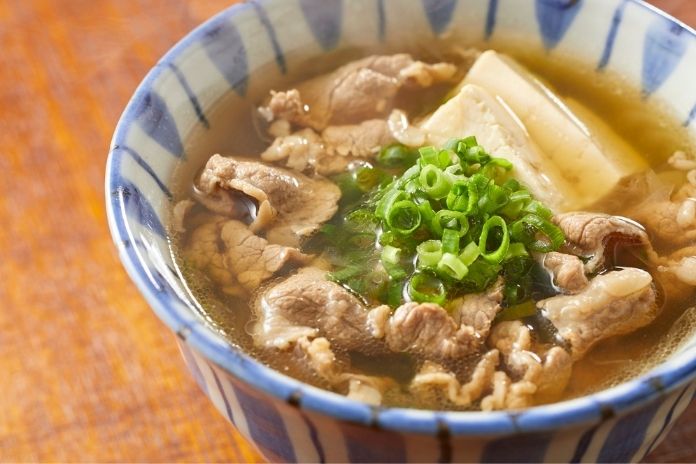
Bone broth has become virtually a term interchangeable with gut healing. Look up bone broth for leaky gut, and you’ll see hundreds of write-ups on how it can “seal” the gut lining, calm down inflammation, and naturally heal various gut disorders.
There is some truth to those write-ups. Bone broth can certainly help the gut and calm down any inflammation. However, one must understand that while bone broth can certainly heal the gut environment, it may not always provide the necessary collagen/amino acids to reverse the gut permeability problem on its own.
Understanding the difference between the efficacy of bone broth and a collagen supplement for gut health can help people make better choices about their healing journey. In this article, we will understand how bone broth helps the leaky gut and when it becomes necessary to opt for supplements.
How Bone Broth Supports Gut Healing and Inflammation
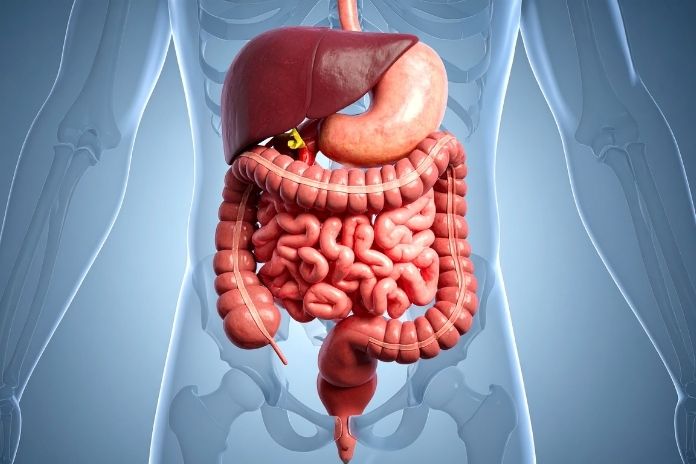
Bone broth gets its reputation as one of the best gut-healing foods due to its ingredients. Unlike other foods, the ingredients in bone broth are in an assimilated liquid form, which is better for the sensitive gut.
Nutrient-Dense and Easy to Digest
When an individual is struggling with conditions such as gastritis, IBS, gut flare-ups from an infection, or stress-related digestive issues, it can be difficult for the gut to assimilate large quantities of food. The advantage of consuming bone broth is that it supplies the body with protein, electrolytes, and minerals without putting the gut through stress.
Bone broth is rich in amino acids, which are essential in the repair of the gut lining. The lining of the gut consists of epithelial cells that are tightly sealed with protein structures known as tight junctions.
When the gut lining gets inflamed, infected, or damaged by stress, the tight junctions become loose, creating gaps in the lining. The result is increased permeability, which enables toxins, bacteria, and food particles to enter the bloodstream and cause inflammation.
Amino Acids That Repair the Gut Lining
Two of the amino acids found in bone broth, namely glycine and glutamine, are the key players in this process. Glutamine is the primary source of energy for the cells lining the gut. When this energy source is depleted, the cells lining the gut do not renew themselves as well. Glycine helps in the production of collagen, the detoxification process, and anti-inflammatory pathways.
Natural Anti-Inflammatory Effects
Proline, another amino acid found in collagen, helps in the reconstruction of the tissue of the gut wall. The combination of all these amino acids helps in the healing of the gut wall and reduces the symptoms of leaky gut and inflammation.
Additional Benefits Beyond the Gut
However, the effect of bone broth on inflammation is not limited to the gut. It helps in reducing the levels of inflammation in the body. Glycine has been shown in experimental research to be effective in reducing the levels of cytokines, which are often overactive in the body. Glycine has been shown to reduce oxidative stress in the body.
These effects are not limited to the gut. Since collagen and amino acids circulate throughout the body, bone broth may also support joint cartilage, skin elasticity, immune resilience, hydration, and sleep quality. This systemic effect is one reason bone broth has been used traditionally in cultures around the world for recovery after illness.
“Specifically, bone broth is rich in collagen and certain vitamins and minerals, such as, iron, fat-soluble vitamins, zinc and other trace minerals. Collagen and fat-soluble vitamins are known to improve hair, skin and nail health,” explains Jenna Litt, a registered dietitian in New York.
Read More: 6 Gut Health Mistakes We Made Before Understanding Digestion
Why Bone Broth Alone May Not Repair Chronic Gut Damage
Despite these benefits, bone broth has its limitations.
Variable Collagen Concentration
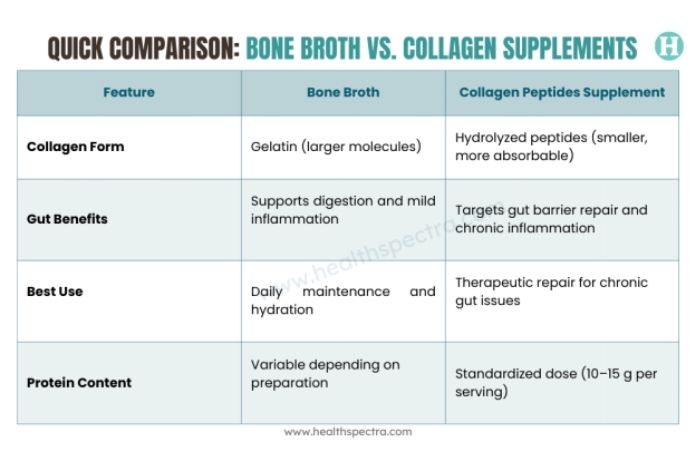
The biggest issue is variability. The collagen content of bone broth depends on bone type, cooking duration, temperature, water ratio, and even acidity levels. One batch may contain only a few grams of collagen, while another may contain significantly more.
There is no reliable way to determine the dose unless it is laboratory-tested. That means someone drinking bone broth daily may still be getting far less collagen than needed for meaningful tissue repair.
Limited Therapeutic Dose
Another limitation is dosage. Studies examining amino acid therapy or collagen peptides for tissue healing often use standardized doses of around 15 g per day. Achieving this amount through broth alone would require drinking several large servings daily, which is impractical for many people and difficult to maintain long-term.
Individual Needs and Chronic Inflammation
Individuals with inflammatory bowel disease, autoimmune conditions, long-term antibiotic use, or chronic stress often have more serious damage to the intestinal lining. For them, gentle support from bone broth may not be enough to reverse long-standing chronic inflammation and digestion problems.
Research has linked amino acid supplementation and intestinal barrier function, suggesting targeted nutritional therapy may help in certain inflammatory conditions. While human research is still developing, the trend points toward combining dietary changes with more support.
Read More: The Gut-Brain Connection: How Your Gut Health Affects Mental Well-Being
Collagen Peptides and Gut Health: What Makes Them Different

Highly Absorbable and Bioavailable
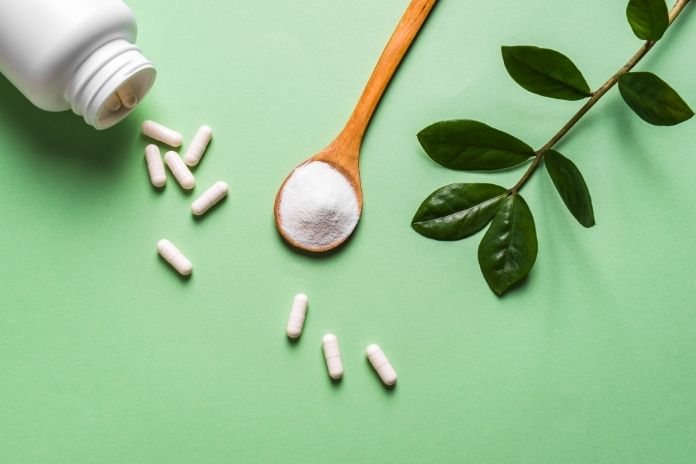
Collagen supplements are not simply powdered bone broth. In fact, the majority of collagen-based products contain hydrolyzed collagen peptides. This is a form of collagen that is broken down into smaller parts and is readily absorbed by the body.
As a standardized product, it is known that a certain amount of amino acids, such as glycine, proline, and hydroxyproline, is contained in a serving. A collagen supplement for gut health is important because it ensures the body is receiving the necessary building blocks for repairing the tissue in the intestinal lining.
A healthcare provider may recommend a collagen supplement as a form of treatment. In addition, collagen peptides can be easily added to coffee, tea, or even oatmeal.
Clinical Evidence for Gut Barrier Repair
There is research that suggests collagen peptides can actually help to improve the gut barrier, reduce inflammation, and promote tissue repair. While Medium is a well-known online publication that covers a variety of health topics, clinical trials for collagen are still being conducted. While some studies show positive results, others show negative results.
Synergy with Nutrients Like Vitamin C and Zinc
Another key difference is the nutrients that the body needs to build collagen. In fact, the production of collagen is dependent upon the ingestion of vitamin C, zinc, copper, and protein.
While bone broth is a good source of protein, it is not necessarily a source of these other nutrients. In fact, a diet rich in vitamin C from foods such as citrus or bell peppers is necessary for the body to properly rebuild tissue.
Bone Broth vs. Collagen Supplements: Understanding Their Roles
Bone broth and collagen supplements don’t compete. They complement each other. Bone broth acts as the foundation of nourishment, hydrating the body and providing the necessary minerals. It also has anti-inflammatory effects and is perfect for post-workout sessions or a maintenance-based diet.
Collagen supplements have a different purpose, which is to repair. Collagen supplements flood the system with the necessary amino acids to help the body repair and rebuild tissues. For people who have been struggling with digestion problems, collagen peptides can help the body recover faster. It’s not a question of either/or. Many doctors recommend using both.
Bone Broth vs. Collagen Supplements — Which Should You Choose?
 How to Combine Bone Broth and Collagen for Gut Repair
A good plan is to make bone broth your daily base and supplement it with collagen peptides. Having a cup of broth is a gentle way to hydrate and provide minerals, while adding collagen peptides to drinks and meals gives you a constant supply of amino acids to support tissue repair.
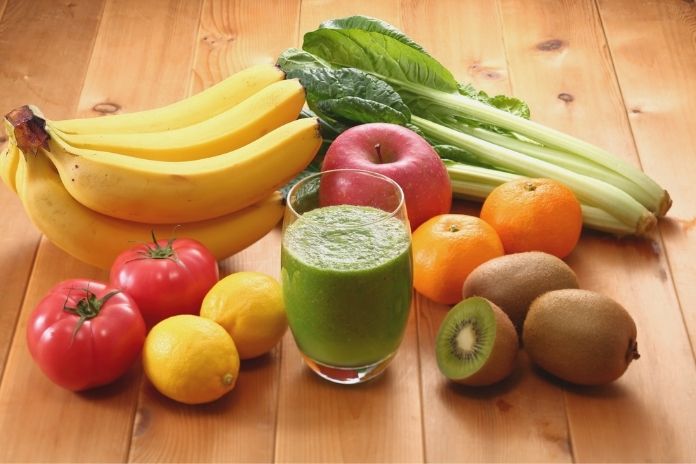
This approach works best when combined with other gut-friendly strategies. Vitamin C-rich foods support collagen production. Probiotic-rich foods support a healthy balance of gut bacteria. Fiber-rich foods support healthy bacteria.
Healing your gut is not about a particular food. It is about healing your entire digestive system. Avoiding processed foods and reducing stress can also reduce inflammation.
Read More: Gut Health Hacks: The Best Morning Foods to Kickstart Digestion
Why Gut Healing Takes Time
It’s hard to stay motivated when it comes to making and consuming bone broth because people’s expectations are not grounded in reality. It takes only a few days for the lining of the gut to renew itself, but healing the damage done to the tissues takes much longer, several months.
And if the inflammation has been going on for years, don’t expect it to clear up in a week. Real healing of the gut means removing triggers, replacing vital nutrients, normalizing the microbiome, and rebuilding connective tissue. Bone broth can assist with these areas, but it’s not a magic potion.
Key Takeaway: Bone Broth Is Powerful, But Sometimes Not Enough
Bone broth is one of the most nutrient-dense foods available to help the digestive system. It’s a rich source of amino acids such as glycine and glutamine, which help to strengthen the digestive barrier and calm digestive irritations.
In some people, though, the problem of chronic intestinal permeability may not be solved by using only bone broth, as it may not be enough to deliver the required quantity of collagen to the system. In such a condition, the best option would be to combine the use of bone broth and a collagen supplement for the health of the gut.
Bone broth is a wonderful remedy for people who experience mild digestive problems. It is nourishing and promotes gut health; including it in your diet can show significant results.
References
- Moneycontrol. (2024). Bone broth: From skin to joints, bones, gut and sleep—it’s a miracle drink that fixes all. Retrieved February 15, 2026, from
- PubMed. (n.d.). Article indexed under PubMed ID 40180691. Retrieved February 15, 2026, from
- PubMed Central. (n.d.). Article indexed under PMC10379184. Retrieved February 15, 2026, from
- PubMed Central. (n.d.). Article indexed under PMC11697389. Retrieved February 15, 2026, from
- PubMed Central. (n.d.). Article indexed under PMC8556166. Retrieved February 15, 2026, from
- TruLocal. (n.d.). Bone broth vs. collagen: Pros & cons of each. Retrieved February 15, 2026, from
In this Article