













Life in a city shrouded in pollution isn’t merely about coughing attacks and hazy skies. It’s about the constant sting in the eyes, the all-time reminder of pollution warnings, and that dull, nagging feeling that the air just doesn’t feel clean.
While air pollution is commonly associated with lung damage, causing asthma, coughing, or chronic illness, there’s a more subtle effect that flies under the radar. Pollution interferes with our bodies’ vitamin D production, a hormone-like vitamin that’s essential to lung immunity, immune system balance, and reducing inflammation.
In large urban environments, air pollution is more than just a lung burner. It prevents UVB rays from penetrating the skin, which means vitamin D production is reduced even when you’re spending time outside.
This creates a hidden deficiency that can lead to compromised lung immunity, increased susceptibility to infection, and significant negative effects of air pollution over time.
In this article, let’s understand the connection between air pollution and vitamin D deficiency. We will also learn about the ways to protect ourselves and promote lung immunity, which is the first step in protecting our long-term health in today’s cities.
Read More: Early Signs of Vitamin Deficiencies You Can Spot in the Mirror
How Air Pollution Reduces Your Body’s Vitamin D Production
Vitamin D is unlike most nutrients because your body produces the majority of it through skin exposure to sunlight. When UVB rays strike the skin, they trigger a chemical reaction that converts cholesterol-derived compounds into vitamin D3. This process is highly sensitive to environmental conditions, and air pollution disrupts it at multiple levels.
The UVB Barrier Effect: How PM2.5 Blocks Sunlight
Smog contains a lot of fine PM2.5 particles, small enough to penetrate deep into your lungs. These particles don’t just hang around; they interact with sunlight. PM2.5 scatters, absorbs, and reflects UVB rays before they reach the Earth’s surface.
In areas of high air pollution, studies show that a substantial amount of UVB rays are blocked by the atmosphere, even on bright and sunny days. This means that people living in areas with constant urban smog aren’t receiving the biologically active amount of sunlight that the weather forecast claims.
This indicates that the amount of vitamin D produced by exposure to sunlight decreases significantly, and the skin’s ability to produce vitamin D is impaired, even when you are outside.
Research Findings from Urban Areas
Studies indicate that people living in areas with higher air pollution tend to have lower serum vitamin D levels compared to those in less polluted areas. This is true even after adjusting for age, dietary intake, and exposure to sunlight.
This evidence suggests a clear relationship between air pollution and the body’s ability to produce vitamin D, making air pollution-related vitamin D deficiency an environmental concern rather than a lifestyle choice.
Vitamin D deficiency in urban living is a problem that affects all sections of society, from office-going individuals to senior citizens and adolescents.
Seasonal and Geographic Amplifiers
The effect is further increased by season and latitude. During winters, the sun is lower in the sky, reducing the amount of UVB, and air pollution increases due to temperature inversions, still air, and increased fuel burning.
In the high latitudes of North America, the amount of UVB is already small during the winter months, and when smog is added to the equation, the amount of vitamin D production can be reduced to nothing.
This is why vitamin D deficiency is at its highest during the winter and early spring months, particularly in urban areas where air quality is poor.
Read More: 6 Types of Fish That Naturally Boost Your Vitamin D Levels
Why Vitamin D Matters for Lung and Immune Health
Vitamin D is not just a vitamin. It functions as a regulatory hormone, influencing hundreds of genes involved in immune defense and inflammation. Its role in respiratory health is especially critical in polluted environments.
Immune Regulation and Respiratory Tract Immunity
Vitamin D helps keep the lining of the respiratory tract closed, making it difficult for the invading germs to enter the lung tissue. Vitamin D fine-tunes the immune response, making the immune cells respond well.
Vitamin D is essential for maintaining good air quality and smooth immune system function, especially in the lungs, which are constantly exposed to air particles.
Anti-Inflammatory Protection
Air pollution leads to oxidative stress and chronic inflammation in the lungs. Vitamin D has been shown to regulate the inflammatory response by reducing the production of pro-inflammatory cytokines, which can be damaging to the airways.
This property becomes particularly useful in reducing the chronic effects of smog on the respiratory system, including changes in airway morphology and reduced lung function.
Infection Resistance
Vitamin D deficiency is always associated with an increased risk of respiratory infections. If the levels are low, there is an increased risk of pneumonia, more severe asthma attacks, and poor outcomes for patients with COPD.
Insufficient vitamin D affects the antimicrobial protection of the body and makes it less effective. Additionally, the polluted lungs are more susceptible to viruses and bacteria.
The Double Damage of Smog — External and Internal

Air pollution creates a compounding health burden by attacking the lungs from two directions at once.
Direct Inhalation Damage
Inhaling these pollutants irritates the air passages, disrupts the natural cleansing function of tiny cilia, and eventually damages the lung tissues. Regular exposure to these pollutants increases the risk of developing asthma and bronchitis, can cause stunted lung growth in children, and accelerates the aging process of the lungs in adults.
Indirect Nutrient Deficiency
On the other hand, smog reduces the amount of UVB exposure, which can lead to vitamin D deficiency. Vitamin D deficiency reduces the immune system’s protection against the lungs, and thus infections caused by pollution can have more severe effects.
Populations Most at Risk
Some groups are at a significantly increased risk, including people living in large cities, elderly individuals whose skin is less efficient at producing vitamin D, those working indoors, individuals with darker skin, and those who do not obtain enough vitamin D in their diet. Such individuals experience the effects of smog faster, and their vitamin D levels decrease faster.
How to Protect Your Vitamin D and Lung Health in Polluted Environments
Although individuals cannot avoid urban air pollution on their own, practical tips can significantly reduce its health impact.
Optimize Your Diet

Dietary sources become especially important when sunlight-driven synthesis is impaired. Fatty fish such as salmon, sardines, and mackerel, fortified milk and plant-based alternatives, egg yolks, and fortified cereals provide reliable sources of vitamin D. Including these foods regularly helps counter reduced vitamin D sunlight absorption.
Use Technology to Your Advantage
Air quality tracking apps provide real-time data on pollution levels. Planning outdoor activities during lower-pollution windows can reduce inhalation exposure while maximizing UVB availability when conditions allow.
Supplement Wisely

Individuals living in areas where sunlight is minimal or air pollution is high may require vitamin D supplements. By ordering blood tests, doctors can identify any deficiencies in the body and recommend a safe dosage for them.
If done correctly, vitamin D supplements can help boost the immune system without the risk of toxicity.
Practice Safe Sun Exposure
When air quality improves, short periods of sun exposure with arms or legs uncovered can support vitamin D synthesis. Balancing safe sun exposure with skin protection is especially important for long-term health.
Improve Indoor Air Quality
Because people spend most of their time indoors, indoor air quality matters. High-efficiency particulate air (HEPA) air purifiers, proper ventilation, reduced indoor combustion, and regular filter maintenance help lower pollutant load, supporting respiratory tract immunity.
Read More: Vitamin D Deficiency – Causes, Symptoms, Diseases And Treatment
When to Get Your Vitamin D Levels Checked
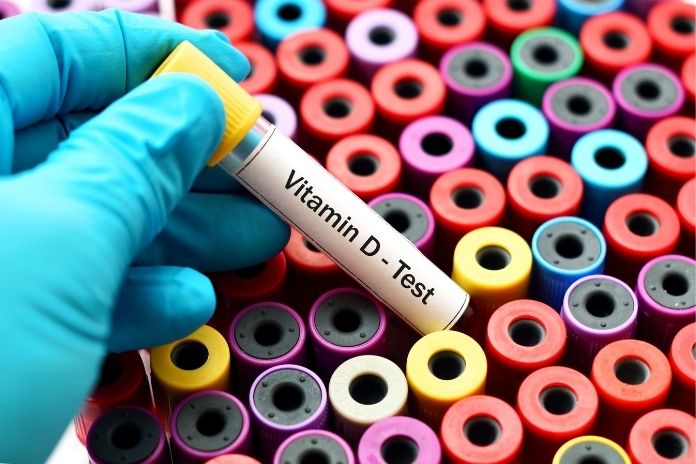
Checking vitamin D status may be a good idea if you are concerned with chronic fatigue, frequent respiratory infections, inexplicable muscle weakness, or bone pain. The risk increases if you are in a polluted or low-sun area or if you are in a high-risk group, which includes older people, indoor workers, or those with darker skin.
Consulting a healthcare professional about your vitamin D status can help identify and treat deficiencies before any issues develop.
Key Takeaway
Air pollution is not only responsible for dirtying the air. Air pollution causes UVB rays to be blocked by smog, which reduces the production of vitamin D in the body, thus weakening the lungs’ defenses and increasing the chances of developing respiratory diseases.
Increasing vitamin D levels through diet, moderate sun exposure, supplements, and improved air quality can help improve the body’s defenses and breathing functions even in areas with high air pollution.
References
- Filteau, S. (2025). The role of vitamin D in health and aging. US Pharmacist, 50(9), 40–42.
- Webber, J. (2021). Air pollutants are negatively associated with vitamin D-synthesizing UVB radiation intensity on the ground. PMC.
- Golastani, B., Poursafa, P., Zarean, M., Yazdi, M., Heidari-Beni, M., & Kelishadi, R. (2024). Relationship between air pollution and serum vitamin D levels: A systematic review and meta-analysis. Advanced Biomedical Research, 13, 96.
- Prakash, C. (2025, December 3). Can smog cause vitamin D deficiency? Experts warn of bone health risks as winter pollution blocks UVB. Firstpost.
- United States Environmental Protection Agency. (n.d.). Particle pollution and respiratory effects.
- Peng, J., & Huang, Y. (2021). Ambient air pollutions are associated with vitamin D status. PMCID.
- EatingWell Staff. (2024). 37th parallel: Vitamin D deficiency. Health.com.
In this Article