














Warm, light, and comforting, soup is often considered the ultimate healthy comfort food, but not all “healthy” soups will support your blood sugar. Many are hiding sugars, starchy thickeners, or refined carbohydrates that yield spikes. Even those that seem calorie-friendly.
Some soups contain ingredients that may not be as blood-sugar-friendly. Stick to healthy varieties like lentil soup, minestrone, chili, and pureed vegetable soups, as well as broth-based chicken-vegetable soups. They’re usually high in fiber and moderate in complex carbs, and plant- or lean-meat-based proteins are the best choices for those with diabetes.
Conversely, instant soup mix, noodle-based soup broths, and creamy soup, which are thickened with flour or cornstarch, can break down quickly in the body, causing unexpected spikes in blood sugar.
In this article, we will explore which kinds of soups support steady glucose levels and which ones to approach with caution.
Read More: Hearty and Healthy Soups: Warm Bowls for Nourishing Comfort
Why Some Soups Spike Blood Sugar
When it comes to blood sugar, not all varieties of soups are made equal. Even if they appear “healthy” at first, some may cause sharp surges. Refined carbs such as pasta, white rice, and potatoes are major offenders.
Blood sugar rises dramatically due to the rapid breakdown of these substances into glucose. Many store-bought and restaurant soups use cornstarch or flour to thicken, and these ingredients contain hidden, quickly digested carbohydrates.
A low-fiber, low-protein blended soup is next. The fiber in pureed grains and vegetables is often reduced, thereby reducing the soup’s ability to slow digestion. When a meal lacks protein or healthy fats, the body absorbs glucose more quickly.
Knowing these hidden triggers may help you choose different soups or adjust the recipes to provide long-lasting satisfaction without any surges.
What Makes a Soup Blood-Sugar Friendly
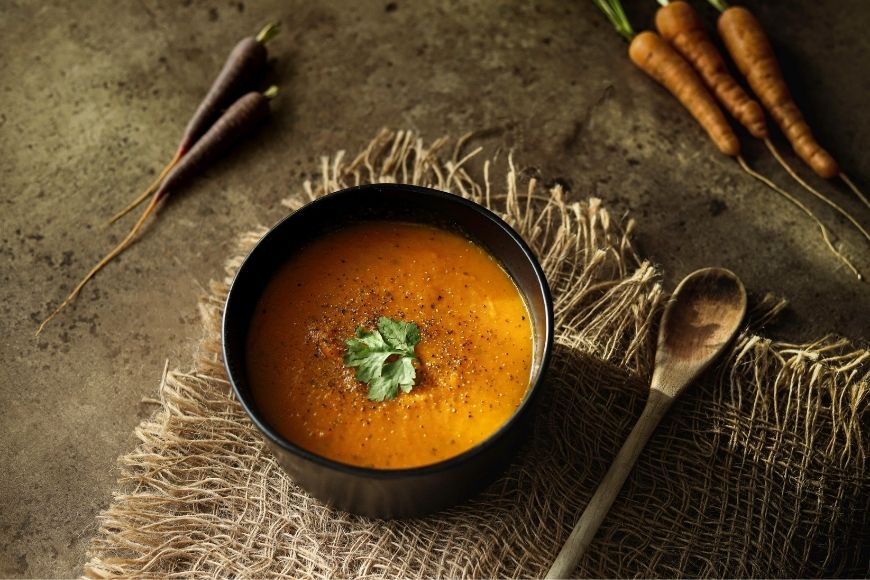
Every soup that lowers the blood sugar has a base, protein, fiber, healthy fat, and flavor. You may layer them in that order to get taste and balance:
Choose a Smart Base: Start with a stock or broth, which adds nutrients and aids hydration. Without the glycemic spike of cream, bone broth, vegetable broth, or miso offers umami flavor and electrolytes. If you prefer a thicker soup, blend part of it with cauliflower, beans, or cashews to naturally achieve a smooth, velvety texture.
Put Protein First: Since protein slows digestion, keeps you feeling full longer, and decreases post-meal blood glucose spikes, it’s your blood sugar’s best companion.
- Fish, poultry, or turkey are examples of animal-based choices.
- Plant-based alternatives include tofu, white beans, chickpeas, and lentils.
To maintain your blood sugar stable and your energy levels high, try to consume 20-25 grams of protein per meal.
Pick Fiber-Rich Carbs: You don’t have to avoid carbs; they’re not the enemy. Select slow-digesting, complex carbs that are suitable for people with diabetes, such as:
- Legumes, such as split peas, lentils, or beans.
- Whole grains, like brown rice, quinoa, and barley.
- Sweet potatoes and squash are examples of starchy veggies.
Eat a Lot of Non-Starchy Veggies: The best soup for those with diabetes is vegetable soup. In addition to providing bulk and vitamins, non-starchy foods, including zucchini, peppers, mushrooms, spinach, kale, carrots, and cruciferous vegetables, also help control inflammation and support digestion.
A portion of veggies should contain at least two to three cups. Moreover, the more color, the more antioxidants there are.
Add Healthy Fats for Staying Power: Heart health, a healthy metabolism, and increased satiety are all supported by healthy fats. After meals, adding avocado, hemp seeds, or pumpkin seeds to your soup or drizzling it with olive oil adds flavor and helps control blood sugar levels.
Read More: Is Miso Soup Healthy? Benefits, Nutrition, and Who Should Avoid It
Soups That Are Least Likely to Spike Blood Sugar
Soup is meant to be used as a one-pot dish with countless possibilities. You can give traditional dishes a metabolic makeover in the following ways:
Vegetable Soup
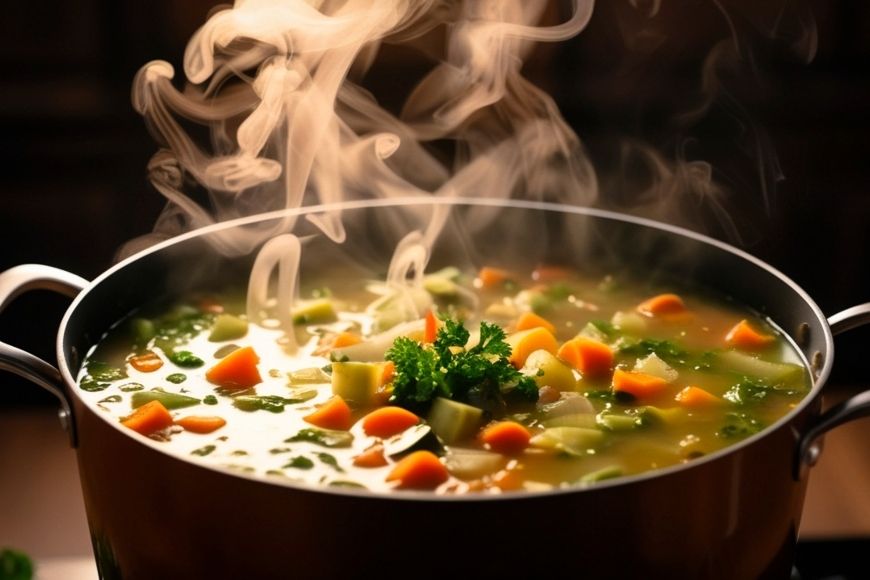
Prepare this substantial soup in advance of a hectic week and take comfort in knowing you can sustain yourself for at least a few meals. The nutrient-dense ingredients in a vegetable soup, like kale, zucchini, tomatoes, and carrots, are unlikely to cause a blood sugar increase.
You can add lean protein like cannellini beans, and low-sodium broth helps control salt intake. Additionally, this soup is easily adaptable to your own taste. If you dislike kale, you can substitute spinach. If you want a stronger taste, add some thyme, rosemary, or cayenne.
Creamy Cauliflower Soup
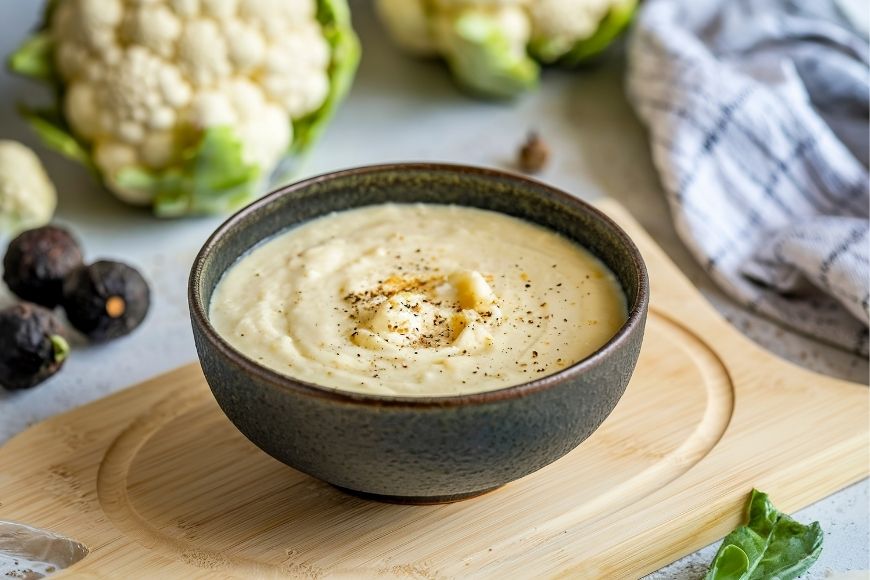
Avoid potato soup, which can cause blood sugar surges and overload your body with carbohydrates. Try this creamy soup instead, which contains cauliflower, a low-calorie, non-starchy vegetable that is more likely to maintain stable blood sugar levels.
Vegan Broccoli Soup
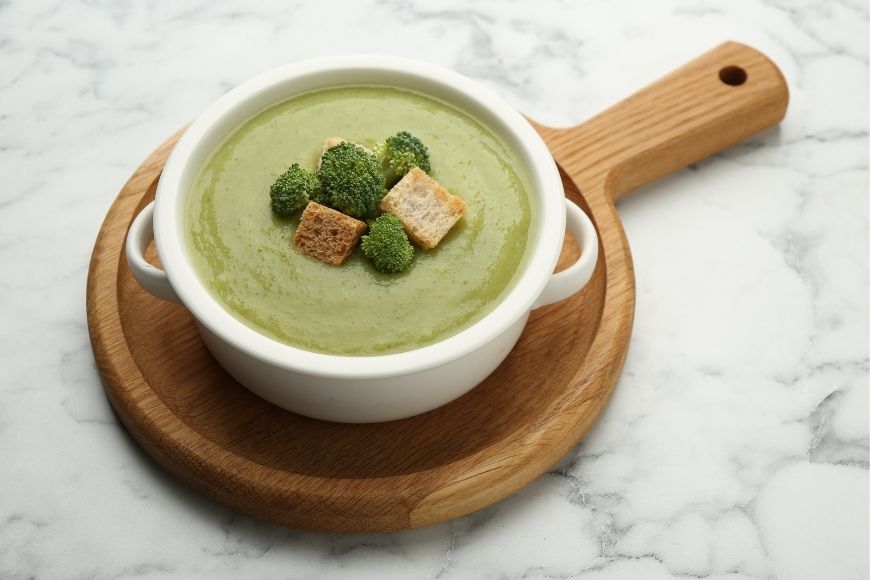
There are several reasons why broccoli is a glucose-friendly choice. Alpha-lipoic acid (ALA), a micronutrient that supports cellular energy production, is present in broccoli, along with high fiber and low carbohydrate levels. Sulforaphane, an enzyme that strengthens your immune system, is also abundant in broccoli.
Butternut Squash Soup
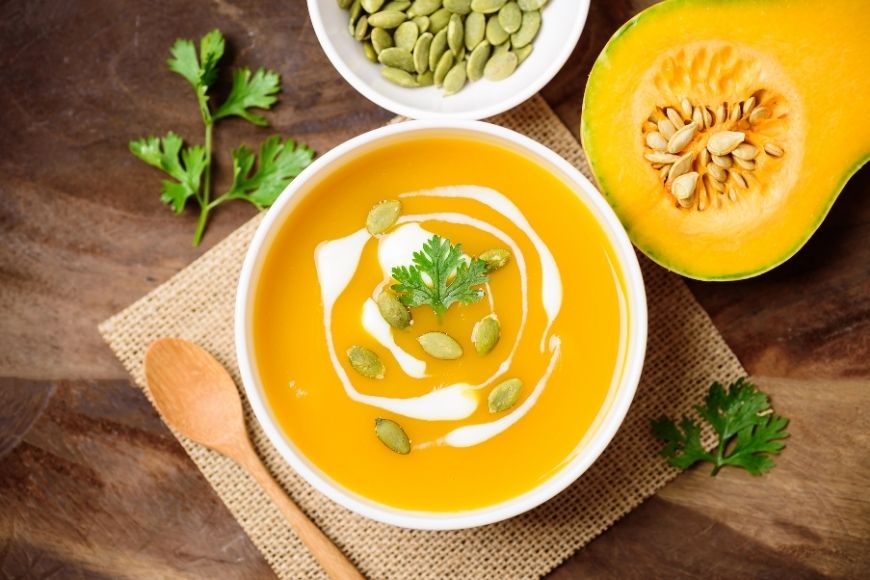
Even though this fall favorite is naturally sweet, you can bring it back into balance by combining butternut squash with cottage cheese and bone broth, which will add additional protein. Adding roasted pumpkin seeds to the top will provide a delightful crunch and beneficial fats.
Hearty Bean Chili
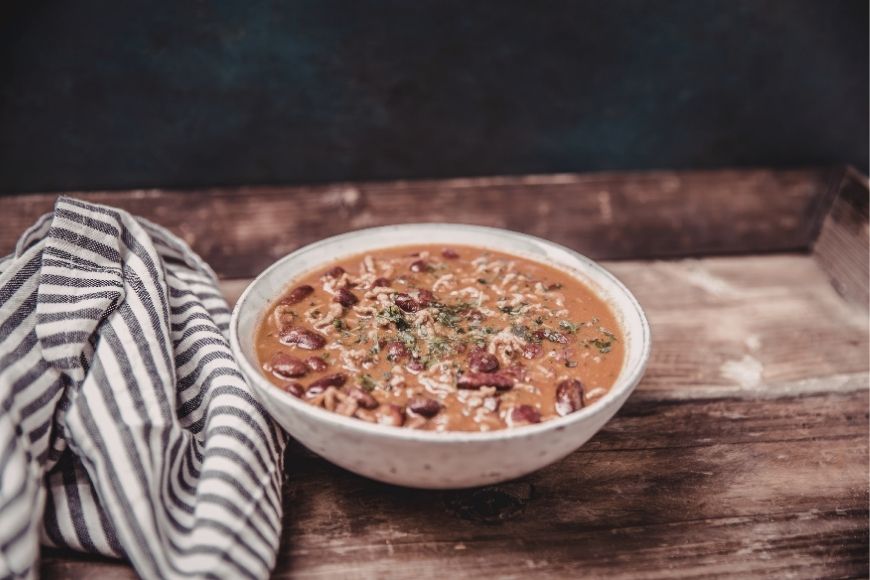
Using black beans, kidney beans, and additional vegetables, you can transform this traditional comfort food recipe into a dish that is high in both protein and fiber. Use ground turkey low in saturated fat, and finish with Greek yogurt rather than sour cream to achieve a creamy texture without sour cream.
Asian-Style Clear Soups and Egg Drop

These two varieties of clear soup are excellent choices for staying low-carb. They help keep the sharp glucose spikes down since they’re high in protein and low in carbs. Light broths with gently cooked eggs, mushrooms, scallions, or bok choy are staple ingredients in these soups, all of which help keep things moving in your gut.
Minimal thickening is another benefit, as they lack the usual thickening agents such as flour or cornstarch.
Tomato-Based Soups (Without Added Sugar or Cream)
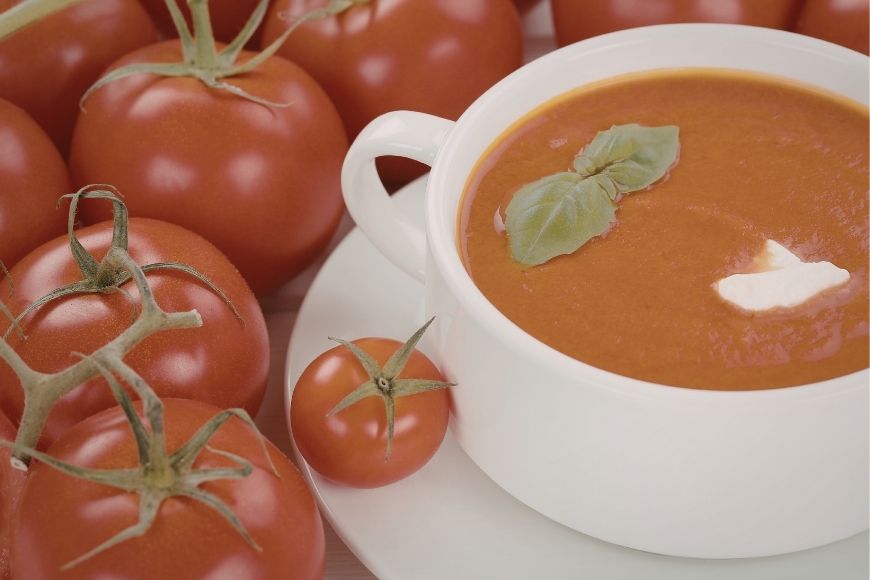
When made correctly, tomato-based soups can be blood-sugar friendly. Despite having natural sugars, tomatoes have a minimal glycemic impact overall, especially when paired with veggies high in fiber.
Avoiding versions with added sugar or cream is crucial because they can cause blood sugar levels to rise rapidly. Chunky tomato soups with vegetables are preferable to smooth, highly processed ones because fiber content is essential.
Soups That Often Spike Blood Sugar
Even though some soups seem nourishing or cozy, they are detrimental to blood sugar regulation.
Potato-Based Soups: Potato-based soups can cause adverse effects. When you blend potatoes into a smooth soup, the body absorbs them quickly, and they break down rapidly, which can cause spikes in blood glucose.
Creamy and Thick-Based Soups: Broccoli cheddar or cream of tomato soups often use cornstarch or flour as thickeners.
Soups with Noodles and Dumplings: This blend of liquids and refined grains makes it ideal for quick glucose absorption. Dumpling wrappers, white spaghetti, and fast noodles all break down quickly, which frequently causes abrupt blood sugar rises soon after eating.
Pasta or Rice Soups: Soups made with rice, minestrone, or chicken noodles are high in refined carbohydrates.
Restaurant and Canned Soup: These frequently include high sodium and added sugars, which can worsen metabolic problems.
Read More: Does Chicken Soup Really Make You Feel Better? What Science Says
Blended vs Chunky Soups: Does Texture Matter?
It may seem like a small thing, but the consistency of your soup can affect how your body digests carbohydrate foods. Because blending breaks down the ingredients before they reach your stomach, your body digests them more quickly, and they also require less chewing.
In contrast, chunky soups take longer to digest and need more chewing. The physical makeup of whole vegetables, beans, and proteins slows stomach emptying and also glucose absorption, resulting in more consistent energy levels after meals.
Store-Bought vs Homemade Soups
The difference between handmade and store-bought soups can be substantial when it comes to blood sugar regulation.
Nutrition Facts About Canned Soup
Depending on the type of soup and its preparation, canned soups have different nutritional values. Canned soups contain specific vitamins and fiber. Certain nutrients, like water-soluble vitamins, may be eliminated during the processing, whereas other nutrients, like fiber, may become more easily absorbed and digested.
The canning process often removes vegetable skins, even though many soup vegetables are naturally high in fiber. Furthermore, although many individuals consume twice as much soup per meal, canned soup nutrition labels usually list nutrients for a one-cup serving.
Healthy Homemade Soup
Although it takes time, you have total control over the ingredients and preparation method when you make your own soup. Compared to canned soup, homemade soup can save you money. Make a big pot of soup, which you can freeze in individual portions for quick and easy dinners.
Tuscan bean, minestrone, cabbage, borscht or beet soup, and chicken soup are all generous, nutritious soups to prepare for yourself. In fact, you can turn any combination of vegetables and lean protein, such as beans or chicken breast, into a nutritious soup.
Read More: Can You Eat the Skin on Butternut Squash? What You Should Know
How to Build a Blood-Sugar-Friendly Soup at Home
When you concentrate on balance, creating a blood-sugar-friendly soup at home is easy.
- Start with a base like chicken broth or low-sodium vegetable broth. Don’t choose a base thickened with flour or cream, as this can cause blood sugar levels to spike.
- Look at total carbohydrates and fiber, then divide fiber by total carbohydrates. The smaller the net carbs, the less reprehensible an item is.
- Make sure to include protein by adding hard-boiled eggs, grilled chicken, or beans if these are not available.
- Check for sugar and sodium. Always steer clear of anything with more than 400 mg of sodium or added sweeteners.
- Give non-starchy veggies like peppers, mushrooms, broccoli, zucchini, and greens priority.
Steer clear of thickened or creamy textures unless heavy cream or a roux made with plant-based flour raises insulin needs. A 10-minute canned soup may save you time, but it offers much less control than frozen prepared quantities.
Portion Size and Meal Pairing
Portion size significantly influences how any soup affects blood sugar. Even low-glycemic soup can raise glucose levels when eaten too much.
Even with healthier soup options, moderation is crucial. Eating large portions increases the total amount of carbohydrates consumed, which may still exceed the body’s capacity to maintain a stable glucose level, even while foods like lentils, beans, or vegetables digest slowly.
Read More: Why You Crave Carbs in Winter, and Smarter Ways to Satisfy Hunger
Conclusion
Having soups on your regular menu can be a huge help for you when it comes to keeping your blood sugars stable. This is true even if you don’t think of soup as an inherently healthy food. It’s not just about slurping broth. What’s in the bowl, how it looks and feels, and how much you have can all make the difference between helping and hurting your glucose response.
Knowing how refined starches, hidden sugars, and mixed textures go to work helps you to make informed choices, whether you’re cooking yourself or doing the store run.
In this Article