















Most health advice quietly assumes one thing: that you have spare time. Time to plan meals, time to exercise, time to rest, time to “work on yourself.” For many people, that assumption itself becomes the problem.
Long work hours, family responsibilities, mental load, constant digital interruptions; these are not excuses; they are the baseline of modern life. So the real question is not how to become healthy when life is perfect, but how to stay healthy inside an imperfect, crowded schedule.
This article does not offer hacks, challenges, or morning routines copied from the internet. It looks at health from a time-constrained lens, where progress must fit into real days, not ideal ones.
Why “No Time” Is the Most Common Health Barrier

“No time” is not laziness. It is often a mix of:
- Fragmented schedules rather than free blocks
- Mental exhaustion even when physical time exists
- Caregiving duties at home
- Constant notifications and mental overload
- Decision fatigue from too many daily choices
- Unrealistic health standards that feel impossible to start
Most people are not short on minutes. They are short on usable energy. Any health approach that ignores this will fail, no matter how scientifically correct it sounds. Traditional health advice fails because it treats health as a personal willpower problem. The mistake is trying to add health to life instead of rearranging existing behaviors.
If your daily system:
- Keeps you sitting for 10–12 hours
- Disrupts sleep
- Encourages convenient eating
- Leaves no mental energy for decisions
Then no amount of motivation will fix it.
The question is not “Why can’t I follow a routine?” The question is, “How do I include health automatically inside my routine?”
What “Staying Healthy” Actually Means When Time Is Limited

When time is limited, health cannot mean optimization. You are not training for peak performance. It means damage control is done consistently. You are protecting baseline metabolic health.
Staying healthy in a busy life is not about peak fitness or perfect nutrition. It means:
- Maintaining stable energy through the day
- Preventing slow weight gain and muscle loss
- Keeping blood sugar, blood pressure, and sleep within functional range
- Avoiding long-term damage caused by neglect
This version of health is quieter. It does not look impressive online. But it works. And that is not failure. It is realism.
Consistency matters more than intensity because the body adapts to repeated signals, short daily actions compound, and missed days don’t derail the system
The 3 Health Pillars That Matter Most When You’re Busy
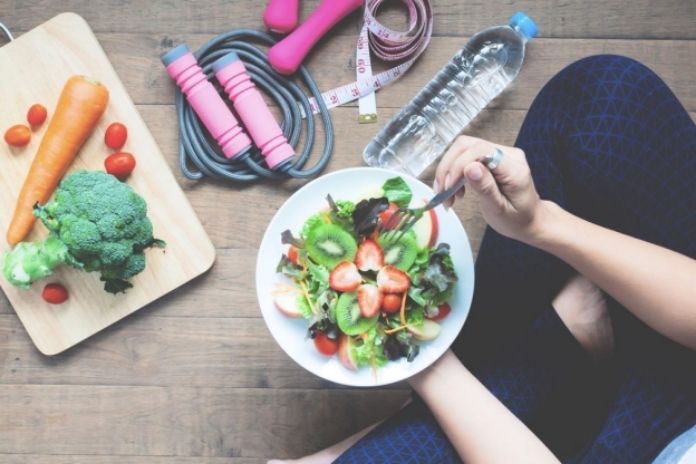
When time is short, not everything deserves attention. Three pillars give the maximum return.
1. Daily Movement (Not Exercise)
Your body cares more about how often you move than how intense your workouts are. Long sitting hours damage health even if you exercise occasionally.
2. Protein and Fibre Intake
You do not need perfect meals. You need meals that control hunger and blood sugar.
3. Sleep Protection
Sleep is not recovery after life. It is the foundation that decides whether effort shows results or not.
Everything else is secondary.
How to Stay Fit Without Formal Workouts

Formal workouts require planning, clothing, equipment, and mental readiness. Busy people fail here not because they are unfit, but because workouts demand too much coordination.
Fitness without workouts means:
- Walking while taking calls
- Standing during short tasks
- Using stairs without negotiation
- Carrying groceries properly instead of rushing
Strength is maintained by loading muscles regularly, not by gym memberships.
If your muscles get used every day, fitness stays alive even without exercise labels.
Small posture cues also count as daily muscle use. Slouching for hours reduces muscle engagement and contributes to fatigue and discomfort over time.
“You can try to leave yourself a note to sit up straight until it becomes an unconscious habit,” notes exercise physiologist Christopher Travers. “Walking with your shoulders back and head held high can also make you feel good about yourself.”
Micro-Workouts That Actually Add Up
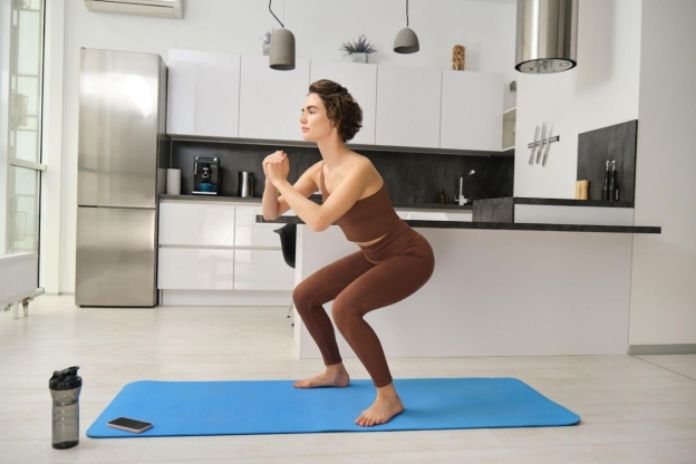
Micro-workouts are not shortened workouts. They are movement interruptions. 5–10 minute movement sessions can improve cardiovascular markers, maintain muscle tone, and support metabolic health.
Examples that work in real life:
- 20 squats while waiting for water to boil
- Wall push-ups during screen breaks
- Calf raises while brushing teeth
- Stretching hips before sleep
These are not motivational. They are mechanical. Over weeks, they prevent stiffness, muscle loss, and postural pain, which matter more than aesthetics.
Eating Healthy When You Don’t Have Time to Cook
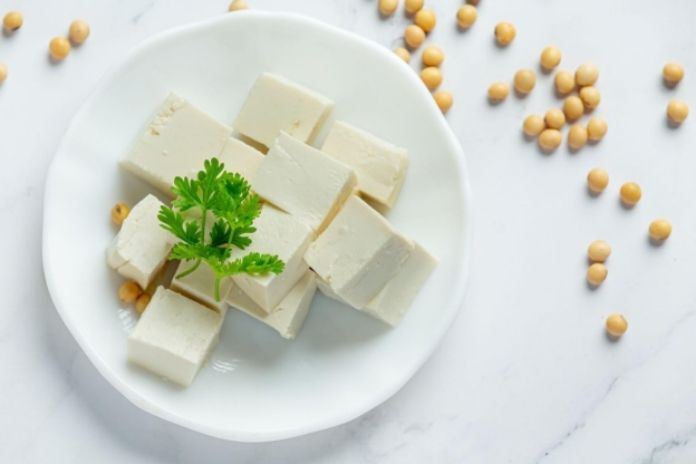
Healthy eating fails when it becomes a cooking project. Busy-life nutrition depends on assembly, not preparation.
Principles that work:
- Add protein first, not vegetables
- Keep meals that can be repeated, instead of variety
- Use boiled eggs, curd, tofu, lentils, and nuts as anchors
- Avoid meals that spike hunger again in two hours
If food keeps you full and alert, it is doing its job.
Smart Snacking to Avoid Energy Crashes

Snacking becomes unhealthy when it is driven by energy crashes rather than hunger.
Energy crashes usually come from high-carb, low-protein meals, long gaps without food, and poor sleep. Many busy people rely on diet sodas to push through fatigue or suppress hunger. While they feel harmless, frequent consumption can quietly reinforce cravings and appetite dysregulation.
“If you drink diet soda each day, use carbonated mineral water to help wean yourself off of it,” says registered dietitian Laura Jeffers. “Ingesting them frequently can increase your desire for high-calorie foods and put you at risk for weight gain.”
Smart snacks are functional, not fun: fruit with nuts, roasted chickpeas, curd with seeds, and peanut brittle in small portions. The goal is not clean eating. It is stable energy.
Sleep: The Most Ignored Health Tool for Busy People
Sleep advice often sounds unrealistic because it ignores work pressure.
But sleep quality is not only about duration. It is about consistency and protection.
What matters most:
- Fixed wake-up time even on weekends
- No phone in bed (not reduced, removed)
- Eating the last heavy meal at least 2 hours before sleep
Many health problems blamed on diet or age are actually sleep debt problems.
Managing Stress Without “Adding” Self-Care Tasks

Self-care fails when it becomes another responsibility.
Stress reduces when:
- Tasks are finished earlier, but not perfectly
- Notifications are controlled, not tolerated
- Mental clutter is reduced, not processed endlessly
Short walks, quiet meals, and device-free time are not luxuries. They are stress regulators.
Stress management should remove effort, not add it.
How to Build Healthy Habits Without Extra Time

Habits fail when they depend on motivation. Habits stick when they attach to existing actions, require no decision, and feel incomplete when skipped.
Examples:
- Stretch after brushing teeth
- Drink water before opening the laptop
- Walk after dinner automatically
Good habits are not impressive. They are boring and reliable.
Read More: 6 Ways Taking the Stairs Every Day Can Change Your Body
What to Stop Doing If You’re Short on Time
Many health failures come from doing the wrong things.
Stop:
- Waiting for “proper” routines
- Trying to fix everything at once
- Comparing with people who have different lives
- Believing health requires transformation
Health is maintenance, not reinvention.
Read More: At-Home Strength Exercises Without Equipment: That Actually Work
Signs Your “Busy but Healthy” Strategy Is Working
You will notice:
- Fewer energy crashes
- Less joint and back discomfort
- Stable weight without effort
- Better sleep even with stress
- Less guilt around food and movement
These are real indicators, not before-and-after photos.
Read More: How to Prevent Achilles Tendonitis: Footwear, Workout Tips and Daily Habits
When “No Time” Might Be Masking a Bigger Issue

Sometimes, “no time” hides chronic burnout, undiagnosed sleep disorders, hormonal imbalances, and emotional exhaustion.
If basic changes do not improve energy over months, a medical evaluation matters. Discipline cannot fix biological limits.
Read More: Best Energy Supplements for Chronic Fatigue: What the Science Shows and How to Choose
Final Thoughts
Health does not need your free time. It needs your existing time to be used slightly differently.
When life is busy, health must become quieter, simpler, and less dramatic. The goal is not to become fit; it’s to avoid slowly becoming unwell.
That alone is a meaningful achievement.
Key Takeaways
- Health for busy people is about preventing damage, not chasing perfection
- Daily movement matters more than structured workouts
- Protein, fiber, and sleep give the highest return on time
- Many health failures come from unrealistic standards, not a lack of effort
- Most health studies focus on ideal compliance, not real-life time constraints, leaving a gap between evidence and practical adoption.
References
- Better Health Channel. (n.d.). Physical activity – how to get active when you are busy. Www.betterhealth.vic.gov.au.
- Murray, T. (2024, December 2). How to prevent an afternoon crash with diet. Mayo Clinic Press.
- Pelletier, J. E., & Laska, M. N. (2012). Balancing Healthy Meals and Busy Lives: Associations between Work, School, and Family Responsibilities and Perceived Time Constraints among Young Adults. Journal of Nutrition Education and Behavior, 44(6), 481–489.
In this Article