
















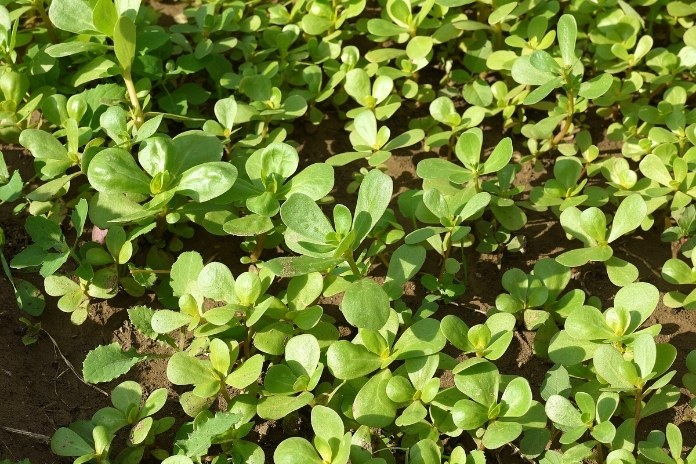
Most people have pulled purslane out of a garden bed and tossed it aside without a second thought. It creeps low to the ground, has fleshy leaves, and looks more like a nuisance than a nutrient. Here’s the thing. That so-called weed is one of the most nutrient-dense leafy greens you can eat.
Purslane has been eaten for centuries across cultures, not because it was trendy but because it delivered real nourishment. Today, it’s gaining attention again for one standout reason: it’s one of the richest plant sources of omega-3 fatty acids. That alone sets it apart from most leafy greens.
This article breaks down the real, evidence-backed health benefits of eating purslane, what makes its nutrition profile unique, how to eat it safely, and who should be cautious. No hype. No miracle claims. Just what the science actually shows.
What Is Purslane and Why Do People Eat It?
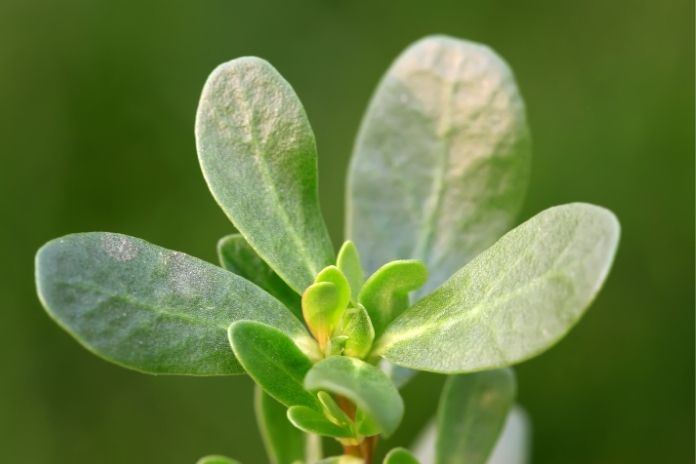
Purslane, scientifically known as Portulaca oleracea, is a low-growing succulent plant found in warm climates all over the world. It thrives in places most crops wouldn’t survive, such as sidewalk cracks, dry fields, backyard gardens, and neglected soil. That’s exactly why many people dismiss it as a weed.
Here’s the thing: purslane isn’t some random wild plant people just started eating for fun. It has a long, legitimate history as food and medicine.
In Mediterranean cuisine, it’s tossed into fresh salads and mixed into yogurt-based dips. In Mexico, it’s cooked into stews, sauces, and egg dishes. Across parts of Asia and the Middle East, it shows up in stir-fries and soups. Traditional Chinese medicine has used purslane for centuries, mostly for its cooling, detoxifying, and anti-inflammatory effects.
So why do people still eat it today?
First, it’s incredibly nutrient-dense for how light it is in calories. Second, it contains plant-based omega-3 fats, which are rare in leafy greens. Third, it grows easily with almost no resources, making it one of the most sustainable edible plants around.
What keeps purslane overlooked is pure branding. It doesn’t look like kale. It doesn’t show up shrink-wrapped in grocery stores. It doesn’t scream “superfood.” But nutritionally, it goes toe-to-toe with many trendy greens and quietly wins in a few categories.
Nutritional Profile of Purslane (What Makes It Unique)
Purslane stands out because it packs several hard-to-find traits into one simple plant: omega-3 fats, antioxidants, key minerals, and hydration. Most greens only check one or two of those boxes.
- Omega-3 Fatty Acids (ALA): Purslane is one of the richest vegetable sources of alpha-linolenic acid (ALA), a plant-based omega-3 fat.
Data published in the Journal of the American College of Nutrition shows that purslane contains higher ALA levels than spinach, lettuce, or most other leafy greens. That alone makes it nutritionally unusual.
ALA is a precursor to EPA and DHA, the omega-3s linked to heart health, brain function, and inflammation control. While the body only converts a small portion of ALA into EPA and DHA, ALA itself still plays a role in:
- Supporting cardiovascular health
- Improving lipid metabolism
- Reducing low-grade inflammation
- Protecting blood vessel function
In plain terms, it’s one of the few greens that contribute meaningfully to your omega-3 intake.
- Vitamins A, C, and E (The Antioxidant Trio): Purslane delivers a rare combo of three major antioxidant vitamins:
- Vitamin A (from beta-carotene) supports vision, skin health, and immune function.
- Vitamin C contributes to collagen production, wound healing, and cellular defense.
- Vitamin E protects cell membranes from oxidative damage.
What this really means is better protection against oxidative stress, the slow, low-grade damage linked to aging, heart disease, insulin resistance, and neurodegeneration.
Most greens lean heavily on just one or two of these vitamins. Purslane brings all three to the table.
- Minerals: Magnesium and Potassium: Purslane is a solid source of magnesium and potassium, two minerals most people don’t get enough of.
- Magnesium supports muscle relaxation, nerve signaling, blood sugar control, and energy production.
- Potassium helps regulate blood pressure, fluid balance, and heart rhythm.
Higher potassium intake is strongly linked to lower cardiovascular risk, according to research published in Hypertension. In diets heavy on processed foods and low on fresh plants, potassium is one of the first nutrients to fall short. Purslane helps close that gap.
Read More: 15 Essential Magnesium Benefits That Will Transform Your Health
- Antioxidant Compounds Beyond Vitamins: On top of its vitamin content, purslane contains several bioactive plant compounds, including:
- Betalains
- Flavonoids
- Polyphenols
These compounds neutralize free radicals, reduce oxidative stress, and may help dampen chronic low-grade inflammation. Over time, that affects:
- Heart health
- Metabolic function
- Joint health
- Cellular aging
This is the same class of protective compounds that make berries, turmeric, and green tea so valuable.
- High Water Content, Low Calories: Purslane is about 90 percent water. That gives it two practical advantages:
- It helps with hydration
- It increases meal volume without adding many calories
For people focused on weight management or metabolic health, that’s a smart combo. High-water, high-fiber foods promote satiety, meaning you feel full sooner and stay full longer, without blood sugar spikes or calorie overload.
Why Purslane Deserves More Attention
Purslane isn’t trendy. It isn’t pretty. It isn’t marketed. Yet nutritionally, it punches far above its weight. Unlike the leafy greens that dominate grocery shelves and social media posts, purslane quietly delivers a suite of nutrients that make it one of the most impressive functional foods available. Its value isn’t in its appearance or popularity; it’s in the dense, unique nutrition it provides with almost no effort or cost.
This unassuming plant offers rare plant-based omega-3s, a full trio of antioxidant vitamins, magnesium, potassium, and anti-inflammatory phytonutrients, all while being highly hydrating and extremely low in calories. It thrives in harsh conditions, grows like a weed, and requires minimal care, yet it delivers nutrients that many conventional greens struggle to match.
Including purslane in your meals can help fill gaps in your diet that most other vegetables leave behind. What makes purslane truly remarkable is that it doesn’t rely on hype to prove its worth. Its benefits are real, measurable, and clinically relevant. From supporting heart health and metabolic balance to contributing to inflammation control and antioxidant protection, purslane quietly earns its place on the plate.
Its versatility allows it to be tossed into salads, blended into smoothies, or lightly sautéed, making it easy to integrate into a variety of meals without feeling like a dietary chore. For anyone looking to build nutrient-dense meals that support overall health, purslane deserves serious attention.
Its combination of essential fatty acids, vitamins, minerals, and protective phytonutrients makes it a functional food powerhouse. By embracing this underutilized plant, you can add substantial nutritional value to your diet while relying on a resilient, low-cost, and surprisingly adaptable ingredient.
Potential Health Benefits of Eating Purslane

Purslane isn’t just nutritionally interesting. It’s one of those rare plants where the nutrient profile actually lines up with measurable health effects.
That doesn’t mean it’s a cure-all. It doesn’t mean it replaces medication or medical care. What it does mean is this: when you eat purslane consistently as part of a balanced diet, it supports several major body systems in ways that are backed by real research.
Here’s how that breaks down.
Supports Heart Health
One of the most studied purslane health benefits is its potential role in cardiovascular support.
Plant-based omega-3s like ALA are associated with reduced risk of heart disease. A large meta-analysis published in Circulation found that higher ALA intake was linked to lower rates of fatal coronary heart disease.
Purslane also contributes potassium, which helps counterbalance sodium’s effect on blood pressure. According to the American Heart Association, diets higher in potassium are associated with better blood pressure control and lower stroke risk.
On top of that, the antioxidants in purslane help protect blood vessels from oxidative damage, a process that contributes to plaque formation and arterial stiffness.
What this really means is simple: purslane won’t replace heart medication, but it strengthens a heart-healthy eating pattern in multiple ways at once.
May Help Reduce Inflammation
Chronic low-grade inflammation is linked to heart disease, type 2 diabetes, arthritis, and metabolic syndrome. It’s not dramatic inflammation. It’s the slow, background kind that quietly damages tissues over time.
Purslane’s omega-3 content contributes to anti-inflammatory signaling pathways. Omega-3s influence eicosanoid production, nudging the body toward a less inflammatory state.
At the same time, purslane’s antioxidant compounds help reduce oxidative stress, which often triggers and amplifies inflammatory responses.
A study published in the Journal of Medicinal Food found that purslane extracts showed measurable anti-inflammatory activity in experimental models. While extract studies don’t translate directly to dietary effects, they do confirm that the plant contains biologically active anti-inflammatory compounds.
Here’s the honest takeaway: eating purslane supports the body’s natural inflammatory balance. It does not treat inflammatory diseases on its own, but it can be part of a long-term inflammation-control strategy.
Supports Blood Sugar Regulation
Purslane shows up often in nutrition research because of its relationship with metabolic health.
It has a low glycemic impact, meaning it doesn’t cause sharp spikes in blood glucose. Its fiber content slows digestion and glucose absorption, which helps smooth out post-meal blood sugar swings.
Several small human studies and animal studies suggest that purslane may improve insulin sensitivity. A randomized controlled trial published in Complementary Therapies in Medicine observed modest improvements in fasting blood glucose among adults with type 2 diabetes who consumed purslane as part of their diet.
Registered dietitian Dr. Jill Weisenberger, MS, RDN, CDCES, explains that low-glycemic vegetables rich in fiber and antioxidants support blood sugar stability when they’re included consistently in meals.
Purslane fits well into that category, especially when paired with protein and healthy fats. On its own, it’s helpful. In a balanced plate, it’s even more effective.
Promotes Digestive Health
Fiber is one of the simplest and most reliable nutrients for gut health, and purslane provides a mix of soluble and insoluble fiber.
That fiber supports:
- Regular bowel movements
- Healthy gut motility
- A more diverse gut microbiome
Purslane’s high water content adds another layer of support by softening stool and improving hydration in the digestive tract, which lowers constipation risk.
While purslane isn’t a probiotic food, it creates a better environment for beneficial gut bacteria by supplying fermentable fiber. Think of it as feeding the good microbes rather than introducing new ones.
Read More: Gut Health and Diet: Foods that Promote a Healthy Digestive System
Contributes to Eye and Skin Health
Vitamin A plays a central role in maintaining vision, especially in low-light conditions. Purslane’s beta-carotene content supports retinal health and may help slow age-related changes in eyesight.
Vitamin C supports collagen production, which keeps skin firm and resilient. Vitamin E protects skin cells from oxidative damage caused by UV exposure and environmental pollution.
“Antioxidants such as vitamins A, C, and E can help protect the eyes and skin from oxidative stress by neutralizing free radicals that damage cells. Getting these nutrients through whole foods is important for maintaining vision and supporting healthy collagen formation in skin.” – Mona Kaleem, M.D., Ophthalmologist, Johns Hopkins Medicine
Purslane won’t replace sunscreen, retinoids, or medical skincare treatments. But it adds nutritional backup to the skin’s natural defense and repair systems.
Bottom Line: Purslane isn’t a miracle food, but it is unusually useful. It delivers omega-3s, fiber, antioxidants, and key minerals in one simple plant, which is rare for a leafy green. What this really means is that it supports heart health, blood sugar control, digestion, and inflammation balance all at once. If you’re building a nutrient-dense, sustainable eating pattern, purslane earns its spot on the plate.
How to Eat Purslane Safely
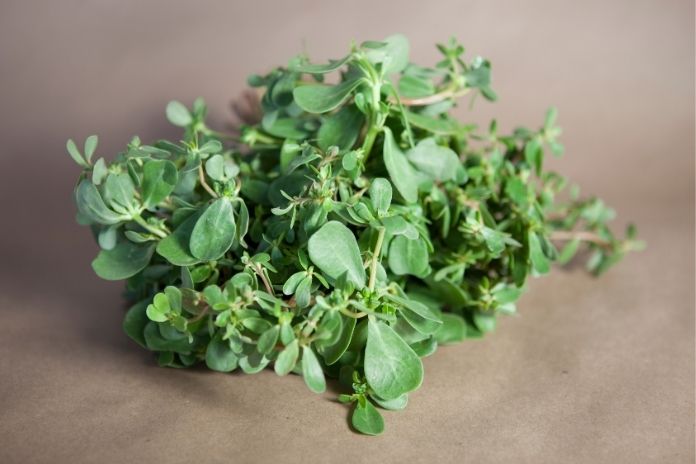
Purslane can be eaten raw or cooked, and each method has its benefits. Raw purslane has a lightly lemony, tangy flavor with a crunchy, succulent texture. It works well in salads, smoothies, sandwiches, wraps, and yogurt-based dips.
Eating it raw preserves vitamin C and certain antioxidants, but it should be washed thoroughly, especially if foraged. Because it contains oxalates, raw purslane is best eaten in moderate portions, particularly for people prone to kidney stones.
Cooking purslane softens its texture, mellows its tang, and reduces oxalate content, which makes it easier on digestion and safer for regular intake. It’s commonly used in stir-fries, soups, stews, sautéed dishes, and egg recipes. Light cooking improves mineral absorption without destroying most nutrients, so a quick sauté or brief simmer is enough.
Purslane tastes mildly sour, fresh, and slightly salty due to its natural electrolyte content. It pairs well with garlic, olive oil, lemon, yogurt, and eggs. Always use clean, food-grade purslane and avoid plants from polluted or pesticide-treated areas.
Is There Any Risk to Eating Purslane?
Purslane is generally safe for most people when eaten in normal food amounts. That said, there are a few considerations.
Purslane contains oxalates, compounds that can contribute to kidney stone formation in susceptible individuals. People with a history of calcium oxalate kidney stones should moderate their intake and avoid consuming purslane in very large quantities, especially raw.
Cooking reduces oxalate levels significantly. As with any nutrient-dense food, balance matters; purslane works best as part of a varied diet rather than a daily staple in large amounts.
Who Should Be Cautious
- Individuals with a history of kidney stones
- People on potassium-restricted diets due to kidney disease
- Anyone with allergies to similar plant families, though this is rare
If there’s an underlying medical condition, it’s always reasonable to check with a healthcare provider.
Final Takeaway
Eating purslane adds real nutritional value to your diet, especially if you want more plant-based omega-3s without supplements. Its mix of antioxidants, minerals, fiber, and hydration supports heart health, digestion, blood sugar balance, and cellular protection.
Purslane isn’t a cure-all. It won’t replace medical care or cancel out a poor diet. But as a whole food, it offers steady, low-risk support when eaten regularly as part of a balanced eating pattern. And here’s the twist: a plant many people pull out of their gardens is more nutrient-dense than a lot of store-bought greens.
So if you’ve been treating purslane like a weed, it might be time to start treating it like food. Simple, affordable, and quietly effective.
Frequently Asked Questions About Purslane
Is purslane safe to eat every day?
For most healthy adults, purslane is safe when eaten regularly in moderate portions. Having it a few times per week is a practical sweet spot. Daily large servings may not be ideal for people sensitive to oxalates, but light cooking and portion control make routine use safer.
Does purslane really contain omega-3s?
Yes, and this is one of its standout features. Purslane is one of the richest leafy green sources of alpha-linolenic acid (ALA), a plant-based omega-3 fat. While it’s not a replacement for fatty fish, it meaningfully boosts omega-3 intake in plant-forward diets.
Can purslane help with inflammation?
Purslane contains omega-3s and antioxidant compounds that support the body’s natural anti-inflammatory balance. These nutrients may help reduce low-grade inflammation over time. It’s supportive, not therapeutic, and shouldn’t be viewed as a treatment for inflammatory diseases.
How does purslane taste?
Purslane has a mildly tangy, lemony flavor with a crisp, juicy texture when raw. Many people compare it to a cross between spinach and watercress. When cooked, the texture softens, and the flavor becomes gentler and slightly earthy.
Is purslane good for you compared to spinach or kale?
Nutritionally, purslane offers more omega-3s and hydration than most leafy greens. Spinach and kale provide higher amounts of folate, vitamin K, and some minerals. Each has unique benefits, and rotating all three gives the broadest nutritional coverage.
References
- Cabidigital Library. (n.d.). Purslane (Portulaca oleracea) PDF.
- CJF – Czech Journal of Food Sciences. (2025). Nutritional and functional properties of purslane (Portulaca oleracea).
- EDIS, UF IFAS Extension. (n.d.). Portulaca oleracea (purslane): Nutritional and agricultural benefits.
- Gardenia.net. (n.d.). Portulaca oleracea.
- Heart, American. (n.d.). How potassium can help control high blood pressure.
- International Journal of Engineering Research & Technology. (n.d.). Purslane (Portulaca oleracea L.): A priceless underutilized crop and its potential to impact human health.
- MDPI. (2019). Antioxidant properties of purslane (Portulaca oleracea L.).
- Mehmet-Musa Ozcan. (2022). Purslane (Portulaca oleracea): Nutritional and health benefits. Journal of Agroalimentary Sciences, 28(2), 187–198.
- NCBI PMC. (2003). Nutritional composition and health benefits of purslane.
- NCBI PMC. (2014). Purslane: A comprehensive review on its phytochemistry and pharmacological properties.
- NCBI PubMed. (2016). Effects of purslane supplementation on glucose homeostasis in type 2 diabetes.
- NCBI PubMed. (2019). Anti-inflammatory activity of purslane extracts.
- PubMed. (2018). Alpha-linolenic acid intake and risk of fatal coronary heart disease: A meta-analysis.
- PubMed. (1992). Fatty acid composition of edible wild plants: ALA content in purslane.
- ResearchGate. (2021). Multipurpose benefits of an underexplored species: Purslane (Portulaca oleracea L.) – A critical review.
- ScienceDirect. (2020). Phytochemicals and health benefits of purslane.
- WebMD. (n.d.). Health benefits of purslane.
- Wiley Online Library. (2023). Purslane as a functional food: Effects on human health.
- A Oasis of Healing. (n.d.). Power-packed purslane: The nutritional benefits.
- Netmeds. (n.d.). Purslane: Astonishing health benefits of this nutritious wild edible plant [Infographic].
In this Article