
















You get home late. The fridge is half-empty. Cooking feels like work you do not have the energy for. This is the moment most people either skip protein entirely or grab something ultra-processed that keeps them full for about 45 minutes, then leaves them rummaging again.
Here’s the thing. That drop in energy and constant snacking is not a willpower issue. It is a protein gap. Protein takes longer to digest than carbs, slows how fast food leaves your stomach, and helps stabilize blood sugar after a long day. When protein is missing, hunger rebounds fast. When it is present, especially alongside fiber or healthy fats, your body actually gets the signal to stop eating.
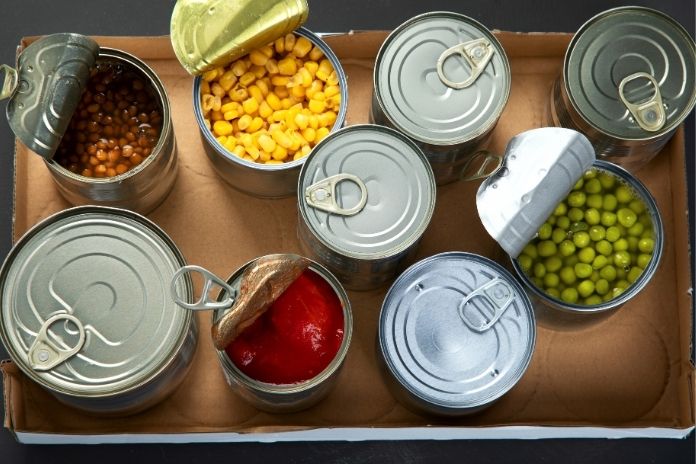
This is exactly where high-protein canned foods earn their place. They are not “emergency food.” They are practical tools. Shelf-stable, affordable, and ready in minutes, they make it possible to eat like an adult even when motivation is low. The key is choosing the right ones. Not every canned option is equal, and some turn into sodium bombs if you rely on them blindly.
This article breaks down the best canned protein foods that actually support fullness and muscle maintenance, why they work from a digestion and satiety standpoint, and how to use them smartly without wrecking your daily sodium intake. No hype. No diet culture guilt. Just realistic, evidence-backed choices you can depend on when cooking is not happening.
Why High-Protein Canned Foods Help You Stay Full
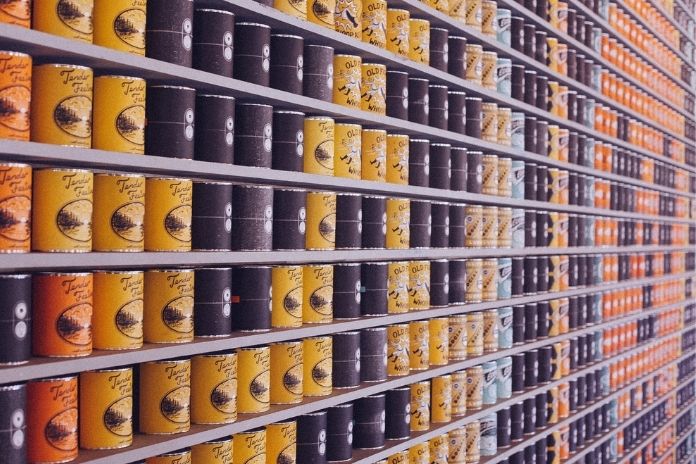
Protein is the most filling macronutrient, and there is a solid physiological reason for that. Compared to carbs or fat, protein digests more slowly and has a stronger effect on appetite hormones like peptide YY and GLP-1. These hormones tell your brain that you have eaten enough and help shut down the urge to keep grazing. This is why a protein-rich meal feels steady and grounding, not spiky or fleeting.
Research summarized by Harvard Health Publishing consistently shows that higher-protein meals reduce hunger and lower calorie intake at later meals. What this really means is that protein does not just affect the meal you are eating. It changes what happens hours later. When protein intake is adequate, people snack less, think about food less, and feel more in control of their appetite without trying to white-knuckle it.
Canned high-protein foods add a layer of practicality that fresh options cannot always match. First, shelf stability matters. When protein is available without worrying about spoilage, it actually gets eaten.
Second, canned protein requires almost no prep, which removes the biggest barrier to eating well on busy days, during travel, or when energy is low. Third, portion predictability helps appetite control. A can is a defined amount, which quietly prevents both under-eating protein and overeating calories.
When people ask whether canned high-protein foods are as good as fresh, the answer is yes, with a caveat. Protein quality remains intact through the canning process. What matters is label awareness.
Choosing options with simple ingredients and managing sodium intake makes canned protein a reliable, not inferior, tool. Used correctly, it supports fullness, consistency, and muscle health just as effectively as fresh protein does.
Top 7 High-Protein Canned Foods to Keep on Hand
Here’s the thing. When energy is low and time is short, protein is usually the first thing to disappear from the plate. That is exactly when appetite spirals, snacking increases, and meals stop feeling satisfying. High-protein canned foods solve that gap. They are not emergency food. They are practical tools that help you eat like someone who planned, even when you did not.
What follows is a clean, reliable list of canned protein options that actually support fullness, muscle maintenance, and steady energy. Each one earns its place based on protein density, nutrient value, and how realistically it fits into real life.
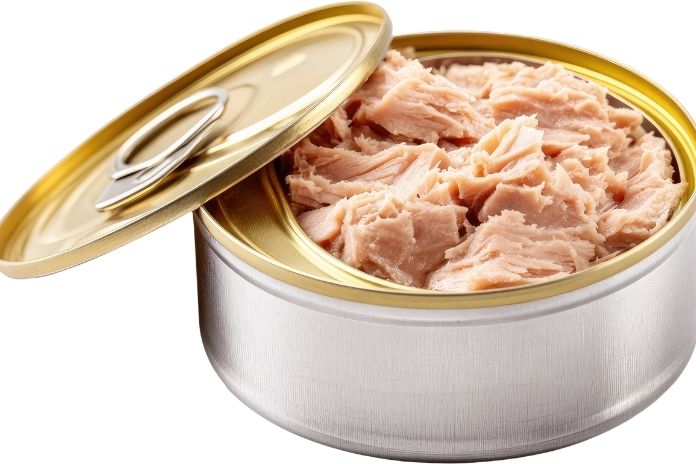
1. Canned Tuna and Salmon
Protein: ~20 to 25 g per 3 to 4 oz serving
Canned tuna and salmon are among the most efficient protein sources available. High protein, low calorie load, zero cooking. That combination makes them especially useful when appetite is high, but effort tolerance is low.
Salmon adds omega-3 fatty acids, which support heart health and may improve insulin sensitivity. Regular intake of fatty fish is consistently linked with lower cardiovascular risk, making canned salmon more than just a convenience food.
Quick ways to use
- Tuna mixed with Greek yogurt, mustard, and herbs
- Salmon tossed into grain bowls or salads
- Wrapped in whole-grain tortillas with vegetables
Smart tip: Choose water-packed options. Salmon with bones adds a meaningful calcium boost.
Read More: Is Canned Tuna Healthy? Nutrition, Benefits, and Risks
2. Canned Chicken Breast
Protein: ~20 to 24 g per 3 oz
Canned chicken breast is nutritionally comparable to fresh chicken. Same protein quality. Same amino acid profile. The difference is convenience. It removes prep, cooking, and cleanup from the equation.
This option works especially well for people who want high-protein meals without seafood flavors. It is neutral, flexible, and easy to season in any direction.
Best uses
- Chicken salad with olive oil and lemon
- Added to soups or quick stovetop meals
- Protein base for wraps and sandwiches
Watch for: Sodium. Look for no-salt-added versions or rinse before use.
3. Canned Sardines and Mackerel
Protein: ~18 to 22 g per can
These are underrated nutritional powerhouses. Sardines and mackerel deliver high-quality protein along with omega-3 fats, vitamin D, and minerals.
Because they contain fat alongside protein, they are especially effective for satiety. Fat slows gastric emptying, which helps you stay full longer and reduces rebound hunger.
Best uses
- Mashed on whole-grain toast
- Added to salads with lemon and greens
- Eaten straight as a protein-rich snack
4. Canned Beans (Black, Chickpeas, Kidney)
Protein: ~7 to 9 g per half cup
Beans are not just protein sources. They are protein-plus-fiber foods, and that pairing matters. Fiber slows digestion, stabilizes blood sugar, and enhances fullness signals.
A clinical trial directly compared meals with whole black beans to similar meals where fiber was added separately. The bean meals produced stronger increases in CCK and PYY, two hormones linked to satiety, than meals with added fiber alone. That suggests the intrinsic fiber and protein in beans work together in ways that isolated fiber doesn’t.
Best uses
- Quick bean salads with olive oil and vinegar
- Chili, soups, or stews
- Mashed into spreads or simple dips
Smart tip: Rinse thoroughly to cut sodium by up to 40 percent.
Read More: High-Protein Beans: Top Varieties, Benefits, and How to Use Them
5. Canned Lentils
Protein: ~9 g per half cup
Lentils offer one of the best protein-to-fiber ratios among plant foods. They digest slowly and support steady energy rather than sharp hunger swings.
Regular lentil intake is linked with improved blood sugar control and appetite regulation, making them especially useful for long afternoons or late dinners.
Best uses
- Added to soups or curries
- Tossed into grain bowls
- Mixed with vegetables and spices for quick meals
6. Greek Yogurt-Based Mezze or Shelf-Stable Dairy Tubs
Protein: ~10 to 15 g per serving (brand dependent)
In some regions, shelf-stable yogurt-based mezze or labneh-style products are available. These offer higher protein than traditional dairy snacks and pair well with fruit, nuts, or whole-grain crackers.
They work best as bridge foods between meals or light protein-forward snacks.
Watch for added sugars and fillers. Keep ingredient lists short.
Read More: Is Flavored Yogurt Healthy? What to Know Before You Buy
7. Canned Edamame or Soybeans
Protein: ~10 to 12 g per half cup
Soybeans are one of the few plant proteins that provide all essential amino acids. They also contain fiber and healthy fats, making them surprisingly filling.
In a clinical study where participants consumed breakfast meals with different amounts of soy protein, those who had higher soy protein at breakfast ate less at a freely chosen lunch later in the day. This supports the idea that sufficient soy protein intake can lower subsequent energy intake and help control hunger after a meal.
Soy protein has been shown to support satiety and metabolic health when eaten as part of a balanced diet.
Best uses
- Tossed into salads or stir-fries
- Eaten plain with spices
- Added to mixed grain dishes
The Bottom Line: High-protein canned foods are not second-best options. When chosen well, they are strategic tools. They help you eat enough protein consistently, stay full longer, and avoid the ultra-processed fallback that looks convenient but never satisfies. Stock a few of these. Not for perfection. For the nights when effort is low but hunger is real.
How to Use Canned Foods for High-Protein Meals
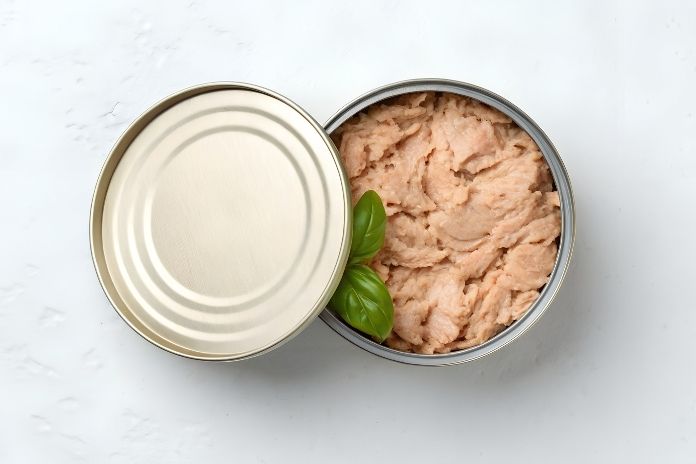
Here’s the thing. Canned protein only works if you use it like a real meal component, not a last-ditch filler. When paired well, canned foods can keep you full for hours. When thrown together carelessly, they leave you grazing an hour later. The difference comes down to balance, sodium control, and ingredient quality.
Protein on its own helps, but it is not the full story. Fiber and healthy fats slow digestion, stabilize blood sugar, and extend satiety signals. That is why tuna with beans lasts longer than tuna alone, and chicken with avocado feels more satisfying than chicken by itself. Aim for at least two of the three at each meal. Protein plus fiber or protein plus fat is good. All three together are ideal.
Most canned foods rely on sodium for preservation, not flavor. Rinsing beans, lentils, and even canned meats can cut sodium significantly without touching protein content. This matters because high sodium intake can increase blood pressure over time, especially when convenience foods stack up across the day. Think of rinsing as a reset. You keep the nutrients and lose much of what you do not need.
Canned does not mean “careless.” Ingredient lists still matter. Look for products with recognizable foods, minimal preservatives, and no added sugars. Transparent labeling usually signals better processing standards. Convenience should make eating easier, not quietly lower the quality of your diet. When the label looks clean, the food usually behaves that way in your body, too.
The easiest way to stay consistent is to repeat meals that work. Keep a few default combinations in mind so decision fatigue does not derail you. Chicken plus lentils and olive oil. Sardines on toast with greens. Beans with canned salmon and lemon. These are not emergency meals. They are low-effort systems that keep protein intake steady without cooking from scratch.
Canned foods are tools, not a full diet. They work best when they support a pattern that still includes vegetables, fruits, and whole grains. Let them carry the protein load when time is tight, then build around them. That is how convenience stays helpful instead of becoming a nutritional crutch.
Read More: High-Protein, Low-Calorie Foods: Science-Backed Benefits & Best Sources
Canned Foods vs Fresh or Frozen: Pros and Cons
Let’s break it down without pretending one option wins in every situation. Canned, fresh, and frozen foods all earn their place. The value of canned protein comes from practicality, not perfection.
Pros of Canned Foods
- Long shelf life: Canned proteins last months or even years without refrigeration. That makes them reliable when schedules are chaotic, grocery trips are inconsistent, or cooking simply is not happening. Food that is available when you need it is more useful than food that spoils unused.
- Budget-friendly: Canned protein is often cheaper per serving than fresh meat or fish. It also reduces food waste, which quietly saves money over time. For many households, this is the difference between consistently hitting protein targets and missing them.
- No cooking required: This matters more than people admit. When energy is low, friction kills good intentions. Canned protein removes the prep barrier and makes protein intake almost automatic.
- Ideal for travel and emergencies: Power outages, long trips, or unpredictable days are exactly where canned foods shine. Shelf-stable protein keeps nutrition steady when routines fall apart.
“I regularly tell my clients that canned foods can help them to eat a more balanced diet. They offer a host of benefits, such as convenience, quality, and, of course, nutrition.” – Registered Dietitian Rebecca Scritchfield, RD, on the role canned foods play in supporting healthy eating habits and balanced meals.
Cons of Canned Foods
- Higher sodium in some products: Sodium is the biggest drawback. Many canned items contain more salt than their fresh counterparts. This is not a deal-breaker, but it does require awareness, especially for people managing blood pressure.
- Occasional added preservatives or sauces: Some canned foods come packed in flavored oils, sugary sauces, or thick brines. These additions do not improve nutrition and can quietly turn a good protein source into a poor daily choice.
- Less variety in texture: Canned foods sacrifice texture for stability. Fish is softer. Meat is shredded. This does not affect protein quality, but it can affect enjoyment and meal satisfaction.
How to Mitigate the Downsides
Rinsing canned beans, lentils, and meats can significantly lower sodium without reducing protein. This single step improves canned foods more than almost any other habit.
These versions exist for a reason. When used consistently, they allow canned protein to fit easily into heart-healthy eating patterns.
Plain products give you control. You can add your own oil, herbs, or spices without inheriting excess sugar, salt, or additives you did not choose.
The Nutritional Bottom Line
From a protein standpoint, canned foods hold up well. The protein content remains stable through the canning process.
The Mayo Clinic points out that foods like beans or salmon can be used fresh or canned, and that choosing low-sodium canned versions lets you include them in a healthy diet, which supports the idea that canned proteins don’t have to be inferior to fresh or frozen when labels are clean, and you control sodium.
What this really means is simple. Canned protein is not a downgrade. It is a practical alternative that works when life gets in the way of ideal eating.
Read More: Are Frozen Vegetables Less Nutritious Than Fresh Ones?
How to Build Quick High-Protein Meals With Canned Foods
Here’s the thing. High-protein eating does not fail because people lack knowledge. It fails because meals feel complicated when energy and time are low. Canned foods solve that problem by stripping meals down to repeatable templates you can assemble in minutes without cooking. Once you understand the structure, variety becomes easy.
 These templates are flexible. Swap greens, grains, or seasonings based on what you have. The protein anchor stays the same.
Final Takeaway
High-protein canned foods are not a compromise; they are a strategic, practical solution for modern life. They give you access to protein when cooking feels impossible, the fridge is empty, or your schedule is unpredictable. When chosen carefully, they provide nutrient-dense, affordable, and filling protein that supports muscle maintenance, appetite control, steady energy, and overall daily nutrition goals.
The key is not just grabbing a can. Smart label reading, checking for low sodium and minimal additives, and pairing protein with fiber or healthy fats turn simple canned foods into meals that actually satisfy and sustain you. Tuna with beans, chicken with avocado, or sardines on whole-grain toast are more than convenient; they are functional, balanced, and evidence-backed ways to hit protein targets.
Used consistently, canned protein foods become tools for maintaining strength, managing hunger, and supporting long-term health, not just quick fixes. They remove friction, reduce reliance on ultra-processed snacks, and make it easy to eat well without extra time, energy, or stress. In short, keeping a variety of high-quality canned protein foods in your pantry is not a backup plan; it’s a smart, everyday strategy for real-world nutrition.
Frequently Asked Questions
Are canned proteins as good as fresh?
Yes. Protein quality and quantity remain largely unchanged. The main difference is sodium, which can be managed by rinsing and label selection.
What is the best canned food for quick protein?
Canned tuna and chicken offer the highest protein per calorie and require no prep.
Can canned foods help with weight loss?
They can. High-protein canned foods support satiety, which may reduce overall calorie intake when part of a balanced diet.
Is protein from beans as good as meat protein?
Beans provide less protein per serving but add fiber, which enhances fullness. Combining beans with grains improves amino acid balance.
References
- Academy of Nutrition and Dietetics. (2014, May 7). Canned foods linked to healthier eating habits. PR Newswire.
- Basic-Fit. (n.d.). 7 high-protein food products.
- EatingWell. (2024). 15 canned foods with 7+ grams of protein.
- Economic Times. (2024). 8 ultra-processed foods that are surprisingly good for your health.
- Harvard Health Publishing. (2017, August). Extra protein at breakfast helps control hunger.
- Health.com. (2024). High-protein canned foods.
- Mayo Clinic. (2023). 10 great health foods.
- Martha Stewart. (2024). High-protein pantry staples.
- One Bite Nutrition. (n.d.). Protein-packed pantry: Affordable high-protein foods to always have on hand.
- Prevention. (2024). High-protein foods.
- Quora. (n.d.). What is the best canned food for survival?
- Real Simple. (2024). The healthiest canned foods.
- Seniors Guide. (n.d.). High-protein canned foods.
- Spanish Boosting. (n.d.). Top 7 canned foods for slimming diets.
- The Takeout. (2024). Canned foods packed with protein.
- Water for Health. (n.d.). 7 healthy non-perishable emergency foods worth stocking up on.
- Yahoo Lifestyle. (2024). 7 canned foods with more than 7 grams of protein.
- Hall, W. L., Millward, D. J., Long, S. J., & Morgan, L. M. (2003). Casein and whey exert different effects on plasma amino acid profiles, gastrointestinal hormone secretion and appetite. British Journal of Nutrition, 89(2), 239–248.
- Drewnowski, A., Rehm, C. D., & Martin, A. (2019). Energy and nutrient density of foods in relation to their carbon footprint. American Journal of Clinical Nutrition, 109(2), 437–444.
In this Article