



















You wake up, reach for a multivitamin, swallow it with coffee, and feel like you’ve done something responsible for your health. It feels efficient. One pill, all the nutrients, problem solved. Here’s the thing. Your body doesn’t work that way. It doesn’t absorb nutrients just because they show up on a label.
It absorbs what it can recognize, transport, and actually use. Everything else gets broken down, passed through, or excreted. That gap between what you swallow and what your cells receive is where most supplements fall short. Real food delivers vitamins and minerals inside a biological delivery system your body evolved to handle.
Fiber slows digestion so nutrients have time to move across the gut lining. Natural fats help fat-soluble vitamins like A, D, E, and K enter the bloodstream. Plant compounds and enzymes switch on the transporters that carry minerals and antioxidants into your cells. Even your gut bacteria play a role, converting some nutrients into more active, usable forms.
When you isolate a nutrient and put it in a pill, you strip away most of that support system. You might get a temporary spike in blood levels, but that doesn’t mean those nutrients are getting into tissues where they actually matter. Some vitamins even compete with each other for absorption when taken in high doses, which can leave you with less, not more, in the end.
What this really means is simple. Nutrition is not about how much you consume. It’s about how much your body can absorb and put to work. That’s why certain foods consistently outperform multivitamins. They don’t just contain nutrients.
They deliver them in the forms, combinations, and ratios your body knows how to use. And once you see which foods do this best, relying on a daily pill starts to feel like the weaker option.
Why Whole Foods Often Outperform Multivitamins

You can swallow a multivitamin in five seconds. Getting the same nutrition from food takes thought, chewing, digestion, and time. That convenience is exactly why pills feel so appealing.
But biology doesn’t reward convenience. It rewards compatibility.
Your body evolved to extract nutrients from real food, not compressed powders. Every vitamin, mineral, and antioxidant you absorb depends on enzymes, gut bacteria, stomach acid, bile, and transport proteins. If any part of that system is missing or overwhelmed, the nutrient never makes it into your cells, no matter how high the dose on the bottle.
That’s why the real comparison is not food versus supplements. It’s usable nutrition versus theoretical nutrition.
The Bioavailability Advantage
Bioavailability is the percentage of a nutrient that actually enters your bloodstream and becomes usable by your cells. This is where whole foods win, quietly but decisively.
When vitamins come from food, they arrive inside a biological support system. Fiber slows digestion, so nutrients have time to be absorbed instead of rushed through. Healthy fats help fat-soluble vitamins like A, D, E, and K cross the intestinal wall. Phytonutrients from plants activate cellular transporters and improve antioxidant activity.
According to the National Institutes of Health, many vitamins are absorbed more efficiently when consumed with food, especially meals that contain fat and protein, because they stimulate digestive enzymes and bile release. This is why iron from spinach absorbs better when paired with vitamin C-rich foods, and why vitamin D supplements are advised to be taken with meals.
This synergy is what people refer to when discussing whole-food nutrient bioavailability. It’s not just what you eat. It’s how your body is able to receive it.
The Limits of Synthetic Pills
Multivitamins often rely on isolated or synthetic forms of nutrients. Some of these are harder for the body to recognize. Others compete with each other for absorption.
Calcium can block iron uptake. Excess zinc can deplete copper. High doses of vitamin C can interfere with vitamin B12 metabolism. Instead of working together, these nutrients can cancel each other out when taken in pill form.
There is also the accumulation problem. Fat-soluble vitamins like A, D, E, and K are stored in body fat and the liver. When you get too much from supplements, they don’t simply wash out. They build up. That is why organizations like the NIH warn against megadosing without medical supervision.
This is the core weakness of supplements. They deliver nutrients in isolation and often in quantities your body did not ask for, without the natural controls that come with food.
When Supplements Still Have a Role
None of this means supplements are useless.
They can be lifesaving in the right context. Vegans often need vitamin B12. People with limited sun exposure may need vitamin D. Those with digestive disorders, absorption issues, or post-surgical changes may require specific nutrients in higher doses.
The key difference is intention.
Supplements work best when they fill a real, measured gap. Whole foods build the foundation. Pills are meant to support it, not replace it.
The 8 Bio-Identical Foods That Outperform a Multivitamin
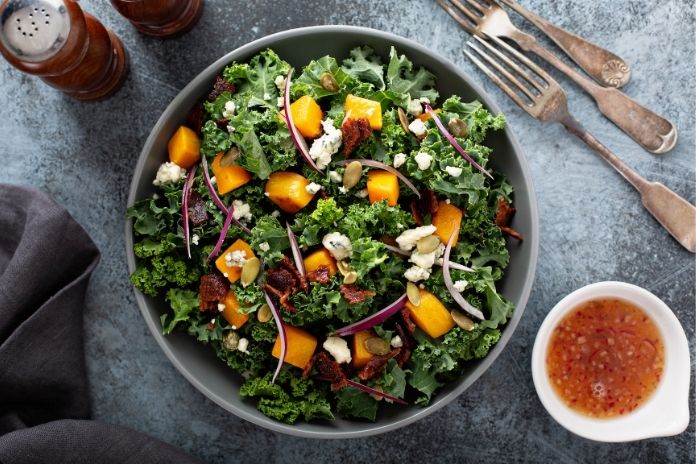
A multivitamin tries to do everything at once. It compresses dozens of nutrients into a single tablet and hopes your body sorts it out.
Real food works the opposite way. It delivers nutrients in the exact chemical forms your cells evolved to recognize, wrapped in fats, fibers, enzymes, and plant compounds that tell your gut how to absorb them. That is what bio-identical means here. Not lab-made look-alikes, but nutrients arriving the way human biology is designed to use them.
These eight foods don’t just contain vitamins and minerals. They deliver them in combinations and structures that make absorption easier, safer, and more effective than most pills ever could.
1. Kale: Nature’s Vitamin K and C Shield
Kale isn’t popular by accident. It is one of the most nutrient-dense plants you can eat. A single cup provides more than 500 percent of your daily vitamin K1, a nutrient your body uses to activate proteins that bind calcium into bones and regulate proper blood clotting. Low vitamin K is linked to weaker bones and higher fracture risk.
Kale also supplies vitamin C, iron, magnesium, and antioxidants like lutein and quercetin. These compounds protect cells from oxidative stress and support immune and eye health.
Harvard Health Publishing points out that vitamin K from leafy greens is absorbed far better when eaten with fat, which is why sautéing kale in olive oil or adding it to a salad with dressing dramatically boosts its value.
2. Seaweed: A Natural Source of Iodine and Trace Minerals
Iodine is one of the most overlooked nutrients in modern diets, especially among people who avoid iodized salt or dairy. Seaweed, especially wakame and nori, provides iodine in a naturally bioavailable form that your thyroid uses to produce hormones that regulate metabolism, body temperature, and brain function.
It also contains selenium, manganese, and zinc, trace minerals that support antioxidant systems and hormone balance. Moderation matters. Brown seaweeds like kombu are extremely iodine-rich. Small servings a few times a week are enough to meet needs without pushing into excess.
Read More: Surprising Things That Happen When You Eat Seaweed Every Day
3. Liver: The Ultimate Multivitamin in One Bite
If nutrition had a hierarchy, the liver would sit at the top. Beef liver is loaded with preformed vitamin A, vitamin B12, folate, riboflavin, copper, and iron. These nutrients support vision, red blood cell production, energy metabolism, and nervous system health.
Vitamin A from liver comes as retinol, the form your body can use immediately. That makes it far more efficient than beta-carotene from supplements, which must first be converted. Because vitamin A is fat-soluble and stored in the liver, liver should be eaten occasionally, not daily. Once or twice a month is enough to get the benefits without risk.
Read More: Beef Liver Supplements: Health Benefits, Risks, and Who Should Take Them
4. Brazil Nuts: The Selenium Superfood

“Because Brazil nuts are one of the richest natural food sources of selenium, just one or two a day can meet your daily selenium requirements, supporting thyroid function and antioxidant defense, but eating more than this regularly can increase the risk of selenium overload.” – Victoria Finn, M.D., Endocrinologist.
Selenium supports thyroid hormone production, DNA repair, immune defense, and antioxidant activity. Brazil nuts are the richest natural source of selenium on Earth. Just one nut can meet or exceed the daily requirement.
That power is exactly why restraint matters. Too much selenium can cause hair loss, brittle nails, and digestive upset. One to two nuts per day is ideal. From an absorption standpoint, the selenium in Brazil nuts comes packaged with healthy fats, making it easier for your body to use than many supplements.
Read More: The Top 7 Selenium Supplements for Optimal Well-Being
5. Shellfish: B12 and Zinc for Nerve and Immune Health
Clams and oysters are among the most concentrated natural sources of vitamin B12 and zinc. Vitamin B12 is essential for nerve function, DNA synthesis, and red blood cell formation. Deficiency becomes more common with age as stomach acid and intrinsic factor decline.
Shellfish provide B12 in a form that naturally binds to intrinsic factor, which is required for absorption. They also supply zinc, iron, and selenium, all critical for immune resilience and energy production.
According to Cleavland Clinic, a lean source of protein, iron, and antioxidants, a 3.5‑ounce serving of baby clams provides greater than 4,000 % of vitamin B12’s recommended daily value. This means shellfish like clams (and similar seafood) are among the most efficient ways to get vitamin B12 from food alone, especially for people who prefer food‑first strategies for maintaining nutrient levels.
6. Sardines: The Omega-3 and Vitamin D Duo
Dr. Amanda Kahn emphasizes that small oily fish such as sardines are exceptionally rich sources of long‑chain omega‑3 fatty acids EPA and DHA, nutrients that are associated with reduced inflammation, improved cardiovascular outcomes, and support for brain health.
She also adds that because they are low on the food chain, they also tend to accumulate far less mercury than larger predatory fish, making them a practical and safer choice for regular consumption.
Sardines also contain vitamin D, calcium, vitamin B12, and selenium. Because they are low on the food chain, they accumulate far less mercury than larger fish. For both safety and nutrient density, sardines are one of the smartest seafood choices you can make.
7. Yellow Bell Peppers: The Vitamin C Powerhouse
Oranges get all the credit, but yellow bell peppers quietly deliver three to four times more vitamin C. One large pepper can provide over 600 percent of the daily requirement. Vitamin C supports collagen production, immune defense, and iron absorption.
Unlike synthetic vitamin C, peppers also contain carotenoids and flavonoids that amplify antioxidant activity and protect blood vessels and skin. Same vitamin. Very different biological effect.
8. Cod Liver Oil: The Traditional Source of Vitamins D and A
Cod liver oil has been used for generations for a reason. It provides vitamin D and vitamin A in highly absorbable forms, along with omega-3 fats. Vitamin D supports bone density, immune regulation, and muscle function. Vitamin A supports vision, skin, and epithelial health.
Because both vitamins are fat-soluble, dosage matters. Modern products are more standardized, but staying within recommended ranges is still important. For people with low sun exposure, cod liver oil can be a strategic addition when used carefully.
Why Real Foods Work Better Together
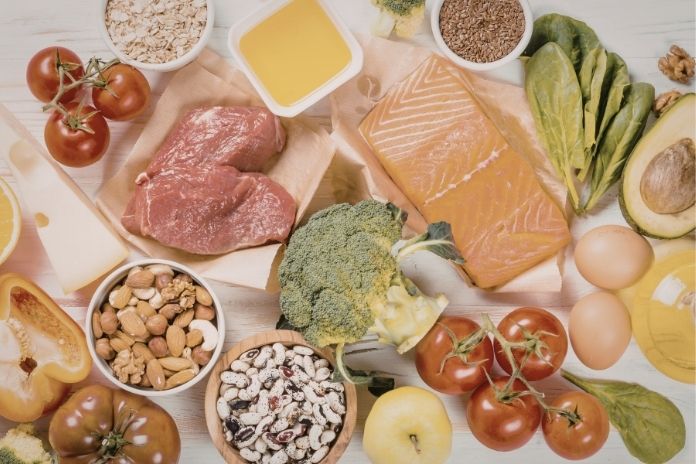
Nutrients don’t act alone. They operate in networks.
- Vitamin C boosts iron absorption. Vitamin D helps your gut absorb calcium.
- Vitamin K directs that calcium into bones instead of soft tissues.
- Magnesium stabilizes vitamin D activity.
- B vitamins rely on each other to drive energy metabolism.
None of these processes happens in isolation.
Whole foods are built around these relationships. They deliver nutrients in the same combinations your body expects to see. When you eat spinach with vitamin C-rich peppers, iron absorption rises. When you eat salmon with fat, vitamin D absorption improves. When leafy greens and healthy fats show up together, vitamin K can actually do its job.
This built-in cooperation is often called the food matrix or entourage effect. It means the structure of food matters as much as the nutrients inside it. Isolating a vitamin and putting it in a pill breaks that structure. You get the chemical, but you lose the context that tells your body how to use it.
That’s why supplements struggle to replicate the effects of real diets in long-term studies. Research indexed in PubMed consistently shows that people who eat diets rich in whole foods, especially vegetables, fruits, fish, legumes, and unprocessed fats, have better cardiovascular, metabolic, and digestive outcomes than those who rely on supplements alone.
It’s not because supplements do nothing. It’s because food provides instructions. Whole foods deliver nutrients in the right ratios, at the right pace, with the right partners. That coordination is what turns vitamins into real, working biology.
Practical Tips to Replace or Complement Your Multivitamin
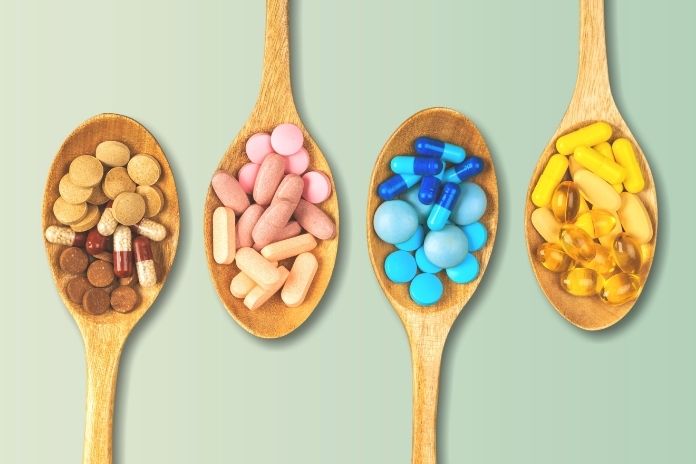
You don’t need to throw out your supplements or reinvent your diet overnight. The goal is not perfection. It’s better nutrient coverage with less guesswork.
Start by building meals around nutrient-dense anchors. These are foods that carry multiple vitamins and minerals in highly absorbable forms. Add sardines to a salad with leafy greens. Pair shellfish with bell peppers or citrus. Cook kale or broccoli in olive oil. These small combinations quietly multiply how much nutrition your body can use.
Think in terms of food partnerships, not single superfoods. Vitamin C helps iron get absorbed. Fat helps vitamins A, D, E, and K get into your bloodstream. When you plan meals around these pairings, you get more benefit without eating more.
Rotate nutrient-rich foods through the week instead of taking large daily doses from a bottle. Liver once or twice a month. Sardines a few times a week. Seaweed occasionally. Brazil nuts in small amounts. Variety protects you from both deficiency and excess while covering far more micronutrient ground than a single pill ever could.
If you’re worried about gaps, don’t guess. A micronutrient blood test can show where you’re actually low. A registered dietitian can then help you decide whether food, supplements, or a mix of both makes sense for your body.
Supplements work best when they are targeted. Food works best when it is consistent. When you combine the two intelligently, you stop chasing numbers and start supporting real biology.
Key Takeaway: Nourish, Don’t Just Supplement
You don’t need a cabinet full of bottles to be well nourished. You need nutrients your body can actually recognize and use. The foods better than multivitamins don’t just deliver vitamins and minerals. They deliver them in forms that move through your gut, into your bloodstream, and into your cells the way biology intended.
When you build your diet around whole, nutrient-dense foods, you stop chasing numbers on labels and start supporting real physiological systems. Absorption improves. Nutrient balance becomes more stable. The risk of excess drops. And your body gets the cofactors, fats, fibers, and plant compounds that make vitamins do their job.
Supplements still have a place. But they work best when they are precise, targeted, and secondary. Food should carry the main load. So eat with intention. Choose foods that do more than fill you up. Let them deliver nutrition in its most usable form. Then use supplements only when they truly add value, not as a substitute for what your plate should already be doing.
References
- Buyleafsource.ca. (n.d.). The hidden truth about multivitamins: Synthetic vs. whole food nutrients.
- Cleveland Clinic. (n.d.). Vitamin B12 benefits and best sources.
- Economic Times. (2023). Doctors say your thyroid loves these foods—and you probably aren’t eating enough.
- Get Lab Test. (n.d.). Whole foods vs. multivitamins.
- Gomacro.com. (n.d.). 5 benefits of getting your nutrients from whole foods vs. supplements.
- Harvard T.H. Chan School of Public Health. (n.d.). Vitamin K.
- Health.com. (n.d.). 6 healthiest fish to eat for your heart and brain health.
- MDPI. (2023). Whole-food versus supplemental nutrients: Comparative effects on human health. Molecules, 28(22), 7469.
- NDTV. (n.d.). Get your micronutrients from food: Nutritionist explains why multivitamins aren’t always necessary.
- ODS, National Institutes of Health. (n.d.). Vitamin D: Fact sheet for health professionals.
- Simplyenof.com. (n.d.). Why real food beats multivitamins: The truth about synthetic vitamins and food-based nutrition.
- Supplements Studio. (n.d.). Multivitamin or food: Which is better for your body?
- Supplements Studio. (n.d.). Multivitamin vs. food: Benefits of whole-food nutrients.
- The Nature Doctors. (n.d.). Whole foods vs. supplements: Optimizing nutrient intake.
- TFN Health. (n.d.). Multivitamins vs. whole foods: What’s best for your body?
- WebMD. (n.d.). Selenium: What are the benefits, sources, and risks?
- WebMD. (n.d.). Aging vitamins: What older adults need.
In this Article