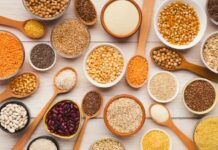















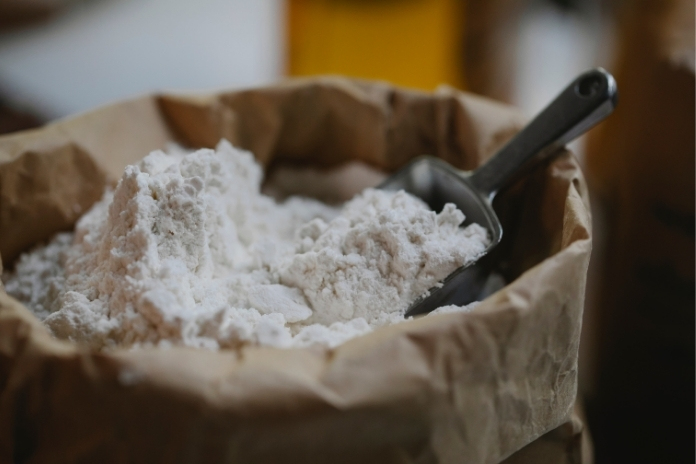
You know those light, fluffy buns, soft tortillas, cookies, or pancakes that practically melt in your mouth? They’re often made with all-purpose flour, the refined white flour that’s a staple in kitchens everywhere.
But there’s a hidden cost behind that softness. All-purpose flour is made by removing the bran and germ from the wheat kernel, leaving only the starchy endosperm.
That process strips away most of the fiber, much of the minerals, vitamins, and beneficial phytochemicals that whole grains naturally provide. What you’re left with is a flour that digests more quickly, offers fewer nutrients, and spikes blood sugar faster, a pattern linked over time to digestive issues, energy fluctuations, and less stable blood-sugar control.
That doesn’t mean you must ditch all baking or cooking. But choosing smarter flour alternatives, ones that retain more of the grain’s natural fiber, micronutrients, or even use seeds, legumes, or ancient grains, can shift your meals from “empty carbs” to more balanced nutrition.
In this article, you’ll learn which flours genuinely deliver better nutrition, how to use them (and where substitutions require adjustment), and practical cooking/baking tips to help you make the switch, without compromising taste or texture.
Key Takeaways: What the Reader Will Learn
- Which flour options are genuinely healthier and why.
- How to substitute these flours for all-purpose in different recipes (and when you might need to adjust amounts or add binders).
- The benefits and trade-offs of each flour, in terms of nutrition, texture, allergen profile, and cost.
- Practical usage tips for everyday cooking and baking with healthy flours.
What Makes a Flour Healthier?

When we talk about healthier flour, we’re really talking about flours that keep more of their natural nutrients and offer something your body can actually use.
Some provide fiber that steadies blood sugar, others pack in minerals and antioxidants, and a few open the door for people who avoid gluten or want slower-digesting options.
The goal isn’t to replace all-purpose flour with something “perfect,” but to understand what makes one flour more supportive than another. Once you know that, choosing the right option for your recipe and your health becomes a lot easier.
- Higher fiber content and whole-grain integrity. Flours that retain bran and germ, like whole wheat or whole-grain variants, keep more dietary fiber, which supports digestion, satiety, and stable blood sugar.
- Richer micronutrient profile. Whole-grain flours tend to have more B vitamins, minerals (iron, magnesium, zinc, potassium), and antioxidants, nutrients often lost in refined flours.
- Lower glycemic impact or slower digestion. Flours from legumes, seeds, or high-fiber grains tend to digest more slowly, preventing rapid blood-sugar spikes common with refined flours.
- Dietary flexibility. For people with gluten intolerance, celiac disease, or those following low-carb or grain-free diets, flours made from legumes, seeds, or root vegetables provide viable alternatives.
It’s important to note: “healthier” doesn’t always mean “drop-in substitute.” Some flours absorb more liquid, behave differently, or affect texture, so substitution often requires tweaks.
Top Healthy Flour Alternatives (and How to Use Them)
Healthy flour alternatives aren’t just for people with dietary restrictions; they’re useful for anyone who wants more nutrition and better flavor without giving up the foods they love.
Each option brings something different to the table: some boost protein, some add fiber, some keep blood sugar steadier, and others create textures you can’t get from plain all-purpose flour.
Here’s the thing: the key is knowing where each flour shines so you can match it with the right recipe instead of forcing it where it doesn’t belong. Once you understand that, these flours stop feeling “healthy” or complicated and start feeling like tools you can actually play with.
Let’s break down the top options and how to use them so your swaps feel natural, not intimidating.
Whole Wheat Flour
Whole wheat flour grinds the entire wheat kernel, bran, germ, and endosperm, retaining fiber, vitamins, minerals, and antioxidants lost when the grain is refined.
- Nutrition benefits:Compared with refined flour, it offers significantly more fiber, B vitamins, iron, magnesium, and other minerals.
- How to substitute:Can often replace all-purpose flour 1:1 in many recipes, especially breads, tortillas, pancakes, and muffins.
- Trade-offs:Because of the bran and germ, baked goods may come out denser, heavier, with a nuttier, earthier flavor. You might need a little more liquid, or to combine with lighter flour if you want a fluffier texture.
Good choice when you want a nutrient-dense everyday flour without a major recipe overhaul.
A comprehensive review argues that whole grains, which include flours that retain the full grain (bran, germ, endosperm), are rich in dietary fiber, resistant starch, minerals, vitamins, and antioxidants, and that their consumption is associated with reduced risks for chronic diseases such as heart disease, type‑2 diabetes, some cancers, and obesity.
Read More: Is Shredded Wheat Healthy? Pros, Cons, and How It Fits Into a Balanced Diet
Chickpea (Gram) Flour
Made from ground dried chickpeas, chickpea flour delivers more fiber, protein, and slower-digesting starch than refined wheat flour. In fact, fiber content in chickpeas is substantially higher than in white flour.
- Nutrition benefits:High in plant-based protein, fiber, iron, and complex carbohydrates that digest slowly, helping with blood sugar management and satiety.
- How to substitute:Works well in flatbreads, savory pancakes, fritters, and as a binding agent in recipes. Because starch content differs, texture and rise may alter; best to start with partial substitution (e.g., 25–50% of total flour).
- Trade-offs:Baked goods tend to be denser, sometimes darker in color, and flavor is more earthy/legume-like. It might not suit delicate pastries.
According to Dr. Josh Axe, chickpea flour is a highly nutritious alternative to refined wheat flour. It contains significantly more protein and fiber, which helps support digestion, maintain steady blood sugar levels, and increase satiety. Being naturally gluten-free, it’s a suitable option for those with gluten sensitivity or anyone looking to reduce refined grains in their diet.
Additionally, chickpea flour provides important vitamins and minerals, including folate, iron, and magnesium, which are often lost during the refining process. Incorporating chickpea flour into baking or cooking can improve overall nutrient density while offering a versatile ingredient for a variety of recipes.
Buckwheat Flour
Though its name suggests otherwise, buckwheat is not wheat; it’s a seed. Buckwheat flour is gluten-free, high in fiber, and loaded with minerals and antioxidants.
- Nutrition benefits:Buckwheat provides fiber, minerals like magnesium and iron, and antioxidant compounds.
- How to substitute:Because of its dense, slightly coarse texture, many bakers use buckwheat flour with other flours, typically at 25–50% substitution, especially in pancakes, flatbreads, or hearty baked goods.
- Trade-offs: Flavor is more pronounced, nutty, earthy; texture may be heavier; baked goods tend to be less fluffy. Not ideal as a full 1:1 substitute in delicate cakes.
In a small human trial, people with type II diabetes who consumed bread made with 50 % buckwheat flour showed improved antioxidant status and favorable shifts in markers of oxidative stress, suggesting possible cardiometabolic benefits. Good for gluten-free baking, pancakes, rustic breads or flatbreads, and for adding nutritional depth.
Coconut Flour
Coconut flour is made from dried, ground coconut meat. It’s grain-free, gluten-free, high in fiber, and absorbs a lot of liquid, which affects how you bake with it.
- Nutrition benefits: High in fiber and relatively low in digestible carbohydrates compared with refined flour, which may help with blood sugar control and satiety when used correctly.
- How to substitute: Because it is very absorbent, coconut flour usually requires more liquid or eggs. Generally, you replace only a portion of the flour (e.g., 20–30%) or use specially developed recipes.
- Trade-offs: Baked goods can become dry or crumbly if liquid adjustments aren’t made. Flavor is mild but distinctly coconut-y, which may not suit all recipes.
Best when you want grain-free, lower-carb, high-fiber options, think pancakes, muffins, or keto-style baking.
According to Dr. Bruce Fife, “Coconut flour is a naturally gluten‑free, high‑fiber, low‑digestible‑carbohydrate alternative to wheat flour. Because of its fiber content, it helps increase dietary fiber intake, supports stable blood sugar and digestion, and can serve as a viable flour substitute for people avoiding gluten or refined grains.”
Other Alternative Flours
Beyond the four above, there are a variety of other flours people use depending on dietary needs:
- Spelt or other whole-grain wheat variants: Similar in nutritional philosophy to whole wheat flour, higher fiber and nutrients than refined flour.
- Teff, millet, quinoa, amaranth, seed-based or mixed flours:Often gluten-free, rich in fiber, protein, minerals; may require recipe adjustments.
- Nut or seed flours (almond, flaxseed, etc.): Provide healthy fats, protein, fiber; excellent for low-carb or gluten-free diets, but behave differently than wheat flour, often needing binders or liquid adjustments.
Use these when you have specific dietary goals (e.g., gluten-free, low-carb, high-protein) or want to diversify the micronutrient profile of your meals.
Read More: Quinoa vs. Couscous: Nutrition, Health Benefits, and Which One’s Better for You?
How to Choose & Substitute Smartly
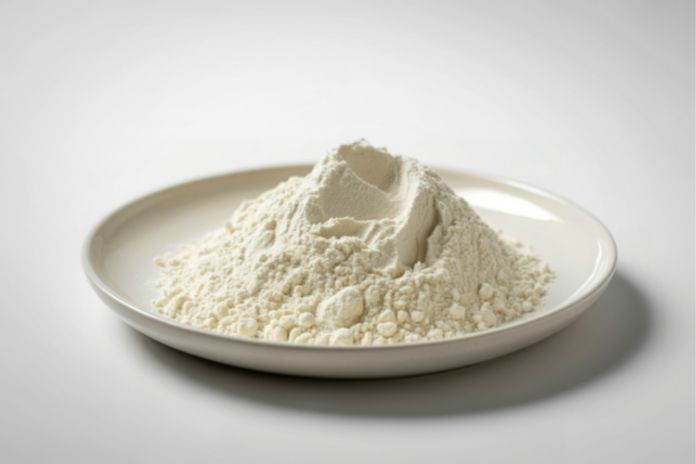
Switching from all-purpose flour to healthier alternatives isn’t always plug-and-play, and that’s where most people get tripped up. Each flour has its own texture, flavor, and behavior in a recipe, so the goal isn’t to swap blindly; it’s to understand what you’re working with.
Once you know how a flour absorbs liquid, how it holds structure, and where it shines, you can start making substitutions that actually improve the dish instead of weighing it down. What this really means is you get to choose flours based on what you want: more fiber, better blood-sugar control, richer nutrients, or a specific taste.
With a little attention to ratios and a willingness to test small batches, these swaps become intuitive, and your cooking naturally gets healthier without losing enjoyment.
- For whole-grain flours (whole wheat, spelt):In many breads, tortillas, and pancakes, you can often substitute 1:1. But expect a denser texture, slightly heavier crumb, and a nuttier flavor. If you want lighter results, consider mixing part whole-grain with part lighter flour, and a little more liquid.
- For legume, seed, or grain-free flours (chickpea, buckwheat, coconut, almond): Start with partial substitutions (e.g., 20–50%), because they often absorb more liquid or impact rise, texture, and binding. You may need to add more liquid, eggs, or a binder (like flax or chia gel) to compensate.
- Watch for allergens & dietary restrictions:Grain-free and nut-based flours are great if you avoid gluten, but aren’t suitable if you have nut allergies. Always read ingredient labels.
- Storage & freshness matter:Whole-grain and nut/seed flours contain natural oils that can oxidize over time; store them in airtight containers, ideally refrigerated or frozen if you don’t use them quickly.
- Adjust expectations, flavor, texture, and rise will vary:Healthy flours often deliver more nutrition, but baked goods will taste and feel different: denser breads, moister cakes, heartier pancakes, subtle flavor changes. That’s part of the trade-off.
Researchers gave 16 healthy adults porridges made from either whole‑grain wheat or refined wheat (all from the same wheat source and milled under controlled, matched conditions). They measured post‑meal blood glucose response (glycemic response), gastric emptying (how fast food leaves the stomach), and hunger/satiety over the next two hours.
Benefits & Trade-Offs of Healthier Flours

Switching away from all-purpose flour sounds simple, but it comes with its own mix of perks and quirks. Healthier flours can bring more fiber, richer nutrients, and better blood-sugar control to your meals, all things your body appreciates.
At the same time, each flour behaves differently in the kitchen, so you’ll notice changes in texture, flavor, and even how much liquid a recipe needs. What this really comes down to is learning how to balance those benefits with the practical adjustments. Once you understand the trade-offs, healthier flours become easy to work with and surprisingly rewarding.
Benefits
- Improved fiber intake & better digestion:High-fiber flours help regulate digestion, support satiety, and stabilize blood sugar. Whole-grain flours especially shine here.
- Richer micronutrients & antioxidants:Flours retaining the full grain, or coming from nutrient-dense seeds/legumes, bring iron, magnesium, B-vitamins, and antioxidant compounds to your diet, supporting energy, heart health, and overall nutrition.
- Blood-sugar stability and slower digestion:Legume-based or high-fiber flours metabolize more slowly, which helps prevent rapid sugar spikes and crashes. Useful for weight management, diabetes, or metabolic health.
- Diet flexibility:For gluten-free, grain-free, low-carb, or high-protein diets, alternative flours expand options beyond standard wheat-based baking.
Trade-Offs
- Different texture, flavor, and rise:Breads and cakes may be denser, less fluffy. Flavor may lean nutty or earthy. Delicate pastries may not turn out the same.
- Recipe tweaking required: Especially with gluten-free or seed/legume flours, you often need adjustments, more liquid, binders, different baking times, or mixed-flour blends.
- Cost & availability: Some alternative flours (almond, coconut, specialty blends) can be pricier and sometimes harder to find depending on the region.
- Shelf-life and storage: Whole-grain, seed, or nut-based flours have oils that can go rancid faster. Proper storage, an airtight container, cool/dry place becomes more important.
Quick Recap
Here’s the thing: moving away from all-purpose flour is less about ditching a villain and more about opening the door to flours that actually give your body something back.
When you bring in options like whole wheat, chickpea, buckwheat, or coconut flour, you introduce fiber, minerals, antioxidants, and steadier energy, all the stuff that gets milled out of refined flour.
The shift isn’t just about nutrition on paper; it genuinely changes how full you feel, how stable your blood sugar stays, and how satisfying your meals become.
But healthier flours come with their own personalities, and that’s where people sometimes hesitate. Each flour behaves differently, from texture to flavor to how much liquid it needs, so a little flexibility goes a long way.
Some swaps are straightforward, others need a learning curve, and yes, a few alternatives may cost more or demand better storage. Still, those small adjustments usually pay off, especially when you start getting the hang of how each flour works. What this really means is that choosing the right flour becomes a thoughtful, and surprisingly fun, process.
You match your flour to your goals, whether that’s gluten-free baking, higher protein, lower carbs, or simply better everyday nutrition. And once you start experimenting, you realize you don’t have to sacrifice taste or texture to eat better; you just refine the recipe to match the flour you choose.
With a bit of curiosity and a few mindful tweaks, healthier flours can slide right into your cooking routine without feeling like a compromise.
References
- Real Simple. (n.d.). The healthiest flour, according to registered dietitians.
- Lin, H. (n.d.). What is the healthiest flour? A doctor’s dive into wheat, gluten-free, and alternative flours.
- Beauchamp, K. (n.d.). A real-food flour guide for healthier baking. Live Simply.
- Quora Contributors. (n.d.). Which is the healthiest flour? Quora.
- Weight & Wellness. (n.d.). All about flour: Ask a nutritionist.
- Signos Health. (n.d.). Healthy flour: A guide to choosing nutrient-dense options.
- MSN Lifestyle. (n.d.). This is the healthiest flour, according to dietitians.
- Lyons Share Wellness. (2021, March 22). Is wheat flour healthy? Six reasons to avoid wheat flour.
- Kitchen Stewardship. (n.d.). Is freshly milled flour more nutritious?
- India Herald. (n.d.). Healthier flours to use at home.
- Houston Methodist. (2022). Corn vs. flour tortillas: Which is healthier?
- Mulino Caputo. (n.d.). 3 false myths about flour.
- One Green Planet. (n.d.). Flour in a healthy diet: Tips on striking a balance.
- Redcliffe Labs. (n.d.). Buckwheat flour: Benefits, nutrition, and recipes.
- The Pioneer Woman. (n.d.). Flour substitutes: When and how to use them.
- Wordloaf Newsletter. (n.d.). Triple A: Flour power hour.
- Healthy Kitchens. (n.d.). Is flour healthy?
- Krupa, K. et al. (2015). A short review on nutritional and functional properties of gluten-free flours. Food Science and Human Wellness.
- Harvard T.H. Chan School of Public Health. (n.d.). What should you eat? Whole grains.
- Whole Grains Council. (n.d.). Whole-wheat flour has more minerals & antioxidants than refined flour.
- Nutrisum. (n.d.). Whole wheat vs. refined flour.
- ScienceDirect. (2024). Nutritional and functional properties of alternative flours.
- Wildgrain. (n.d.). Wheat flour vs. enriched wheat vs. whole wheat vs. all-purpose.
- Cleveland Clinic. (n.d.). How to use healthy flour substitutes.
- ResearchGate. (n.d.). Nutritional and functional properties of gluten-free flours.
- Fortune Foods. (n.d.). 16 types of flours and when to use them.
- Gluten.org. (2019). Gluten-free grains.
- Bon Appétit / George Fox University Dining. (n.d.). Alternative protein flours.
- Whole Grains Council. (n.d.). Whole wheat flour has more minerals & antioxidants than refined flour.
In this Article