













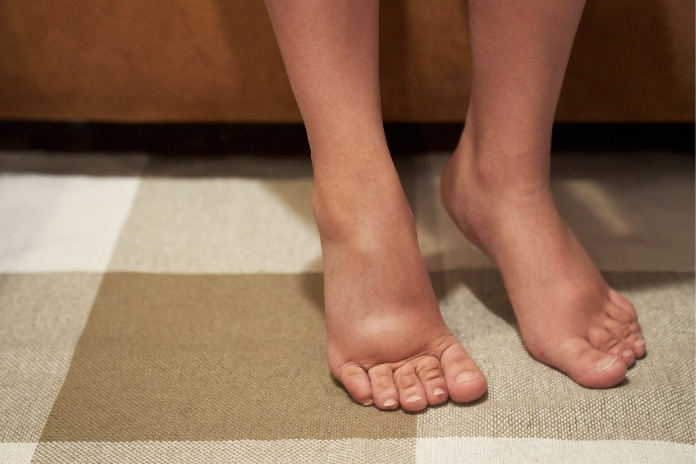
Leg and foot swelling in the evening is a common problem that is frequently associated with fluid accumulation following extended periods of standing or sitting. Pregnancy and excessive salt consumption are two other factors that might contribute to swollen feet.
Ankle and foot swelling can also be a sign of conditions like liver illness, heart failure, and obesity. You should raise concern if you experience symptoms such as fever, warm skin to the touch, and increasing edema.
Edema—swelling in the feet, ankles, or legs—can result from more than just prolonged standing.
Your feet may swell at night for a variety of causes, but the three most frequent ones are varicose veins, excessive heat, and dehydration throughout the day.
During the summertime, you are more likely to experience these symptoms due to increased chances of overheating and dehydration, which can also aggravate varicose veins.
Read More: 6 Best Foot Spas for Swollen Feet
What Evening Swelling Is (Edema 101)
Peripheral edema, another name for leg swelling, is the result of fluid buildup in your tissue due to a disturbance in the fluid balance among your cells. The extra fluid is drawn into your extremities—your hands, feet, and legs—by gravity.
Since there are numerous causes for edema, the condition is widespread. The precise rate of occurrence is unclear because mild episodes of edema resolve on their own.
When you call your physician, if you have “pitting edema”, the doctor will want to know the grade. Clinicians categorize pitting edema into four grades or measures. For ten seconds, press your foot or lower thigh, then note what occurs:
- 0 (no pitting): your skin heals itself right away after pressure
- 1+: The dent is hardly noticeable
- 2+: A small dent appears, but it disappears after 15 seconds.
- 3+: A more pronounced indentation can be seen, which may take as long as 30 seconds to fade away.
- 4+: It takes more than 30 seconds for the deep dent to disappear.
It’s quite common for some swelling to appear in your ankles and legs at night. You’ve been standing all day, so your extremities are likely retaining a little extra fluid, depending on the temperature, your nutrition, and other variables.
Common, Often Benign Causes
Swelling in the evening does not always indicate a significant medical condition. Regular body changes or aspects of daily living often cause the puffiness you notice at the end of the day.
Spending Too Much Time on Your Feet: Walking or standing for extended periods is the primary and most frequent cause of swollen feet. Perhaps you work a job that requires you to stand all day, or you’re doing a lot of errands or shopping in anticipation of the holidays. Fluid might build up in your lower extremities due to gravity. Although this kind of swelling may appear concerning, it is typically transient and innocuous.
Swollen Feet and Infection: Infection is a more dangerous cause of swelling. You are more susceptible to this issue if you have diabetes or diabetic neuropathy because of the diminished feeling in your feet. In addition to swelling, a wound can trigger pain, redness, warmth, and sometimes pus formation.
Additionally, you can see red streaks emerging from this region. You should contact your podiatrist or another healthcare professional right away if you experience any of these symptoms, since they may be fatal.
Pregnancy and Swollen Feet: Due to the numerous changes in the body during pregnancy, pregnant women are more likely to experience swollen feet. Your body will create 50% more blood and bodily fluids during pregnancy to meet the baby’s needs.
Along with retaining excess fluid, the weight of the expanding uterus can also compress veins in your ankles and feet, obstructing the flow of blood back to your heart. The second and third trimesters are when this kind of swelling occurs most frequently, and it can get worse at the end of the day or in hot weather.
Wearing Inappropriate Footwear: Inappropriate footwear can also result in edema and a variety of foot disorders. Our feet vary as we age or gain weight, yet many individuals don’t modify their shoes to fit these changes. As you age, the ligaments in your feet may stretch, flattening the arch and making your feet wider and longer.
Additionally, gaining weight might cause your feet to swell, which makes shoes that were formerly comfortable seem constricting and uncomfortable.
High-Sodium Foods and Beverages: Consuming alcohol at dinner, processed snacks, or salty takeaways can lead to your body retaining fluid. Usually temporary, this retention becomes apparent in the evening.
Read More: 10 Curable Home Remedies To Relieve Tired Legs And Feet
Conditions That Deserve Prompt Evaluation
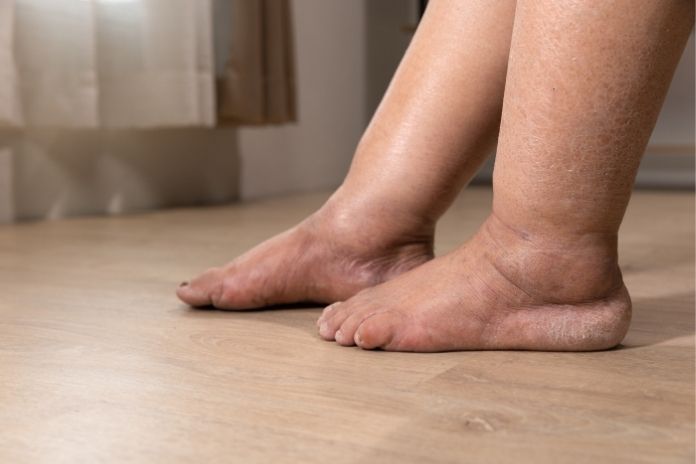
Chronic Venous Insufficiency:
An accumulation of blood in your legs due to malfunctioning veins is known as venous insufficiency.
“Because we stand on two feet as humans, the entire weight of the blood volume in our bodies is exerted on the veins in our legs, due to gravity,” says Kenneth Ziegler, MD, a vascular surgeon with the USC Cardiac and Vascular Institute, part of Keck Medicine of USC. “Our veins have valves that help counteract this force of gravity to keep the blood pressure in our veins low and to help blood return to our heart. Over time, the valves in our veins can become incompetent — meaning they no longer function properly and start allowing blood to flow backwards.”
Varicose Veins:
Swelling in the ankles and feet is a secondary symptom often linked to varicose veins. Varicose veins become swollen and diseased because damaged valves make them struggle to pump water from the feet to the heart against gravity. Swelling occurs when extra blood and fluid collect in the ankles and feet.
Lymphedema:
Swelling is one kind of lymphedema. Lymph, a fluid, transports white blood cells that combat infections to various parts of the body. The clusters of lymph nodes in your body help control and direct the movement of this fluid.
If your lymph nodes are damaged or removed, as could happen during cancer surgery, your lymph nodes will not drain correctly. Lymphedema can also be idiopathic, which means it develops without a known cause. If the lymph nodes in your pelvis are damaged or removed, you will have swelling in your feet and ankles.
Heart Issues:
You may have a blood backup in your legs, ankles, or feet if your heart isn’t pumping blood through your body as efficiently as it should. Contact your physician if you suffer any of the following symptoms, which are frequently associated with heart disease or heart failure: chest pain, shortness of breath, coughing or wheezing, exhaustion, or a rapid heartbeat. If your symptoms are severe, you should get help right away.
Kidney, or Liver Disease:
In addition to other symptoms like pale stools, red palms, or yellowed skin (jaundice), chronic liver disease can cause a buildup of fluid in the legs and belly. The same is true for kidney illness, which can cause lower extremity swelling, weariness, increased urination, or trouble focusing. Consult your physician if these symptoms are plaguing you.
Injury & Infection:
Infections of the skin may lead to swelling and pain in the ankles and feet. A bacterial skin infection called cellulitis makes the affected area painful, swollen, and red.
Recent surgery, ankle sprains, or fractures can lead to swelling in the feet and ankles, as the body responds to the injury with inflammation. Blood flow brings fluid and cells to the wounded location, causing swelling.
Read More: 12 Ways To Reduce Edema Naturally – Get Rid Of The Swelling
When to See a Doctor — Exactly
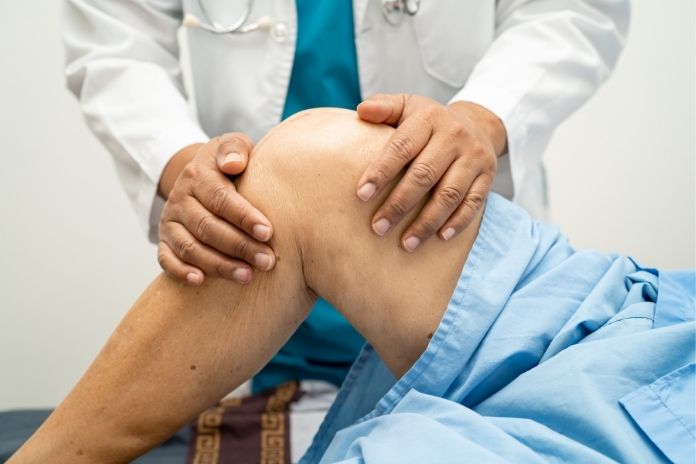
You should seek medical attention if you suddenly experience swelling in one leg without a clear cause, or if you have swelling in your leg accompanied by symptoms such as chest pain, shortness of breath, coughing up blood, fever, or skin that is red and warm to the touch.
These symptoms could represent several potentially life-threatening illnesses, including deep vein thrombosis (a blood clot in the leg), pulmonary embolism (a blood clot in the lungs), and cellulitis (an infection of the skin).
If the swelling persists, it’s advisable to schedule a visit with your primary care physician. If the condition does not improve, you should have your doctor refer you to a vascular specialist.
What Your Clinician May Do
Along with taking a social and medical history, your provider will do a whole body examination, mainly focusing attention on your heart, lungs, stomach, lymph nodes, legs, and feet.
Your medical provider will ask questions like:
- What areas of the body swell? Your legs, feet, or ankles? Above or below the knee?
- Do you experience constant swelling, or does it intensify in the morning or evening?
- What reduces your swelling?
- What exacerbates your swelling?
- Does lifting your legs help with the swelling?
- Have you ever had lung or leg blood clots?
- Do you have a history of varicose veins?
- Do you have any additional symptoms?
Doctors could perform the following diagnostic tests:
- Blood tests include blood chemistry and a complete blood count (CBC).
- X-ray of the extremities or the chest
- Doppler ultrasonography analysis of the veins in your legs
- ECG (electrocardiogram)
- Urine analysis
The goal of the treatment is to address the underlying cause of the edema. To lessen the swelling, your doctor might recommend diuretics, but these medications can have adverse side effects.
At-Home Relief & Prevention
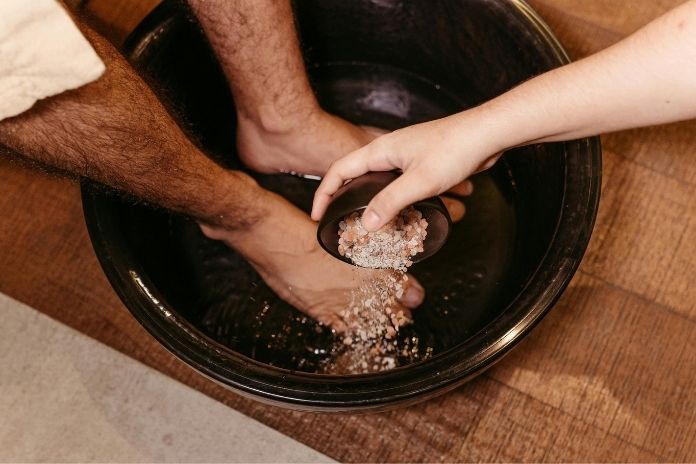
A few habit changes can significantly lessen evening swelling and keep it from being an everyday nuisance. There are some things you can try:
Give your Feet a Rise: A simple way to reduce edema is to challenge any fluid that has pooled in your feet by giving your feet a rise. Take the time to elevate your feet when resting. Try elevating your feet above heart level by placing a few pillows underneath them. Elevating your feet while sitting helps as well, especially with a small footstool.
Use Compression Socks or Stockings: Compression socks or stockings help improve blood circulation and drainage by compressing the tissue in your legs and feet. These are especially helpful for individuals experiencing swelling caused by lymphedema or venous insufficiency.
Compression socks rise in levels. Start with a lower compression level and, as needed, select the correct size and weight. Be cautious with compression socks if peripheral arterial disease limits blood flow. Check with your healthcare provider before use, particularly if there are current heart issues.
Drink Water and Stay Hydrated: To effectively eliminate excess sodium and other waste contributing to swelling from your body, you should drink the recommended amount of water each day, between 8 and 12 glasses. It is easier to drink more water when you always have a bottle to hand!
Reduce Swelling with Massage: Applying light pressure to the ankle and feet can improve blood circulation, reduce inflammation, and ease discomfort. Use your hands or a massage roller, and apply light downward pressure.
Mixing massage oil with an essential oil, like peppermint or lavender, can reduce inflammation and add an extra layer of relaxation. When massaging, it is necessary to always massage towards your heart to help promote fluid drainage.
Moving Around and Exercise: Engaging in activities that promote blood circulation, such as long walks, yoga, swimming, and riding a bike, can help reduce edema and inflammation. To maintain a proper fluid balance, try not to sit or stand for too long. When you sit or stand, make it a point to move around frequently, flex your ankles, or stretch more. Start with lighter, gentle motions, gradually increasing intensity as needed.
Eat a Healthy Diet: Consuming more fruits, vegetables, and omega-3 fatty acids contributes to better blood circulation and less inflammation. There are many good foods to select, including, but not limited to, leafy greens, pumpkin seeds, almonds, and salmon. Additionally, choosing foods with less salt can help with sodium restrictions. Sodium also promotes fluid retention, and most processed foods contain hidden sodium, so when purchasing foods, select the fresh produce!
Read More: Swollen Feet: Causes, Symptoms & 10 Natural Remedies That Work
Conclusion
Full-blown evening feet swelling can sometimes be a sign of serious diseases or a benign response to daily habits and heat, even though it is common. Hormonal shifts, excessive salt, or fluid retention in the lower legs after prolonged sitting or standing cause most instances.
Fortunately, there are simple home-based interventions to provide actual relief and prevention, such as elevating your legs, moving often, wearing compression socks, and avoiding alcohol and sodium.
That being said, you should still watch for red flags. You should seek care immediately if you are experiencing painful swelling on one side, swelling accompanied by shortness of breath/chest pain, or redness accompanied by fever. A clinician should evaluate any swelling that persists or worsens to rule out heart, kidney, liver, or vein issues.
References
- https://www.nhs.uk/conditions/oedema/
- https://www.health.com/condition/heart-failure/swollen-feet
- https://www.avogel.co.uk/health/circulation/swollen-feet-at-night/
- https://my.clevelandclinic.org/health/diseases/12564-edema
- https://www.umms.org/bwmc/health-services/heart-disease/cardiology/conditions/congestive-heart-failure/support-resources/how-to-tell-if-you-have-edema
- https://www.keckmedicine.org/provider/Kenneth-R-Ziegler/
- https://www.mayoclinic.org/symptoms/leg-swelling/basics/when-to-see-doctor/sym-20050910
- https://www.healthdirect.gov.au/fluid-retention
- https://certifiedfoot.com/how-to-treat-swollen-feet-ankles-and-legs/
- https://www.huntingtonorthopedics.com/foot-and-ankle-swelling-common-causes-and-when-to-seek-help/
- https://www.mountsinai.org/health-library/symptoms/foot-leg-and-ankle-swelling
- https://www.mayoclinic.org/diseases-conditions/edema/diagnosis-treatment/drc-20366532
- https://www.beebehealthcare.org/health-hub/womens-health-blog/7-easy-ways-reduce-your-swollen-ankles
- https://www.relainstitute.com/articles/effective-home-remedies-to-reduce-swelling-in-feet/
In this Article