










It’s a common and irritating situation. You crush a workout, feel powerful and full of energy, but when you look in the mirror or button your shirt, your stomach appears bulged and larger, not flatter or leaner, but puffed up and with a bulging belly. What might be the reason?
You’re not the only one. Several people experience stomach bloating after exercise, particularly following rigorous or core-intensive workouts.
The good news? It’s usually temporary and not necessarily a sign of something being amiss. Still, you might want to investigate why it occurs, what’s normal and what isn’t, and how to avoid it from blocking your progress or causing discomfort.
In this article, we’ll break down the reasons behind that bloated belly post-workout, when to be concerned, and practical tips to reduce it. Let’s dive in.
Is It Normal for Your Stomach to Look Bigger After a Workout?
Yes! Post-workout bloating or a temporarily distended belly is not uncommon. For most individuals, it’s a transient effect related to physiological reactions to exercise. Whether it’s water retention following exercise, activation of core muscles, or how your body processes digestion during activity, your abs may appear fuller, or your belly may look swollen.
Of course, if the swelling hurts, is ongoing, or is accompanied by other belly troubles like diarrhea or stomach cramps, it’s not “just a pump” or normal bloating. It’s something to worry about.
Let’s get to the causes now, but remember: not all swelling in the belly after exercise is a bad thing—your body’s just doing what it’s supposed to do sometimes.
Read More: 10 Ways To Prevent Stomach Bloating- Causes and Remedies
Possible Reasons Your Stomach Looks Bigger After Working Out
Water Retention or Inflammation:
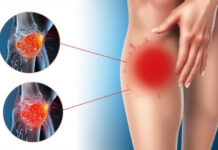
Exercise induces tiny tears in the muscles that are required for growth. Your body, in turn, holds water and supplies blood to the site to help in repair.
- This is particularly apparent in the stomach area after core or strength training.
- This fluid buildup can cause temporary weight gain.
- Weight gain is particularly common within 24 to 48 hours post-workout.
This isn’t fat gain, it’s your body in repair mode. When inflammation decreases, the bloating should subside.
Increased Blood Flow (Pump Effect):
Ever see your biceps appear larger after a workout? That’s because of a muscle pump—a short-term increase in blood flow that results in swelling in the trained region.
- It occurs to your abs, too. Hard ab training results in:
- Engorged or swollen blood vessels within the abdominal muscles
- Swollen look or tighter, protruding abs that you easily notice
As per a study in the Journal of Applied Physiology, localized blood flow increases with exercise, particularly in muscles. This abdominal muscle pump can account for why your belly appears larger immediately following a workout.
Core Activation and Muscle Engagement:
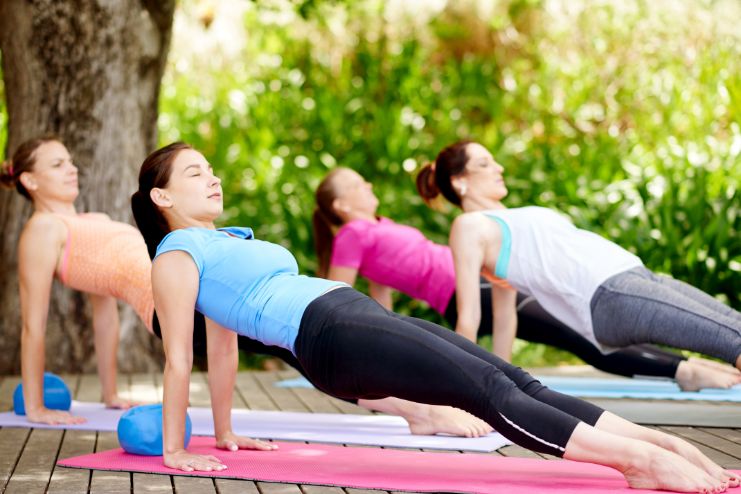
Activation of your core (such as planks, crunches, or Pilates) not only tones your stomach area, but it can also temporarily bulge your abdominal wall outward.
This is especially true if you’re new to core training or working muscles that haven’t been activated in a while.
Improper bracing or excessive intra-abdominal pressure (e.g., during heavy lifting) may cause your stomach to appear more bloated.
Apart from the above, breathing and form play a critical role in engaging your core. Poor posture or over-bracing can lead to a bulging core, giving the illusion of a bigger stomach post-workout.
Swallowing Air During Exercise:
You’ve likely heard of aerophagia, a condition where you swallow excessive air, which often occurs during:
- Intense cardio
- Breathing through your mouth
- Talking while running or cycling
That extra air goes into your stomach, causing bloating and a gassy sensation. In most cases, aerophagia can lead to:
- Burping
- Feeling full in the abdomen
- Temporary belly distention
This type of bloating typically resolves within an hour or two on its own.
Digestion-Related Bloating:
Surprisingly, as it might sound, what and when you have eaten before or after exercise can lead to digestive upset:
- Large amounts of high-fiber, high-fat, or protein meals slow gastric emptying.
- Eating food too close to exercise (particularly within 30 minutes) may leave food undigested during activity.
- Movements such as jumping, crunching, or twisting physically rock the digestive system.
It is observed that dairy, sugar alcohols, and carbonated drinks can worsen bloating, particularly in sensitive stomachs.
Hormonal Response to Intense Training:
Your body releases the stress hormone cortisol when you exercise. Although this is a natural, physiological response, repeated or continued high levels of cortisol can result in:
- Water retention
- Gastrointestinal sensitivity
- Excessive growth of abdominal fat over time
The endocrine system promotes the release of hormones (such as cortisol) to help with the needs of physical exercise. This release of hormones can be responsible for cortisol and bloating, especially after periods of intense or lengthy activity.
Adding to the above reasons, it’s also important to consider what you’re drinking during your workout. Some energy drinks, protein shakes, and flavored waters contain sugar alcohols, such as erythritol, sorbitol, or xylitol, which can also lead to bloating after exercise.
Read More: Flat Tummy Detox Water: 3 Proven Recipes to Reduce Bloating Naturally
When Should You Be Concerned?
While most post-exercise bloating is transient, some symptoms may be a sign of a more serious condition. Here’s when to take it seriously:
- Bloating that stays beyond 24–48 hours
- Pain, cramping, or tightness that increases with movement
- Gastrointestinal symptoms like diarrhea, nausea, or constipation
- A distended belly when fasting or not exercising
- Symptoms after consuming specific foods or doing certain types of exercise
These could signal:
- Food intolerances (e.g., lactose, gluten)
- Irritable Bowel Syndrome (IBS)
- Abdominal hernia
- Small Intestinal Bacterial Overgrowth (SIBO)
Exercise-induced bloating is a concern when it shows with symptoms of the digestive system or does not go away even after resting, according to the GI Center of Texas.
How to Prevent or Reduce Post-Workout Belly Bloating

You can’t completely avoid bloating, but you can lower its occurrence and impact through the following measures:
Drink Plenty of Water—But Sip, Not Gulp:
- Drinking water helps in flushing out sodium excess and minimizing water retention after physical exercise
- Gulping down air too quickly is another reason. Aim for slow sips before, during, and after exercise
Monitor Your Meal Time:
- Do not eat large meals in the hour leading up to exercise
- Focus on easily digestible snacks (banana, rice cake, protein shake)
- After exercise, eat anti-inflammatory, light meals first (e.g., smoothie, grilled vegetables)
Cool Down and Breathe:
- Add focused breathing, stretching, and gentle movement in your routine post-exercise to calm the nervous system
- Proper cooldown lowers cortisol levels and supports digestion
Keep Good Form and Don’t Over-Brace:
- Don’t hold your breath while doing core work (the Valsalva maneuver)
- Over-bracing can bulge the belly out rather than firm it up
Support Your Belly:
- Take probiotic food after exercise (yogurt, kefir, kimchi)
- Anti-inflammatory add-ins such as ginger, turmeric, or peppermint can assist in soothing gut discomfort
Avoid Known Triggers:
- Restrict carbonated beverages, sugar alcohols, and dairy if sensitive
- Keep a food-and-exercise diary to monitor patterns
Long-Term Perspective: Tracking Patterns
Bloating now and then is one thing, but if you always find that your abs appear to expand after gym workouts, it might be time to look at the bigger picture.
Start a Journal:
- Monitor workouts, food, and bloating incidents
- Record timing, symptoms, and severity
This can identify patterns, such as bloating following HIIT but not yoga, or eating certain protein bars
Make Adjustments to Training or Nutrition:
- Change your training split or weight if bloating appears after specific workouts
- Try space meals farther away from your gym session
Talk to an Expert:
- A certified trainer can help in making your form perfect and activate your core.
- A gastroenterologist or registered dietitian can help you treat GI disorders or food intolerance, if that is an issue
As The Wellness Corner describes, the muscle pump and bloating typically dissipate within hours. But if they don’t, expert advice is worth it.
Read More:15 Effective Home Remedies to Relieve Stomach Bloating
Conclusion: Don’t Panic About the Post-Workout Pooch

If you’ve ever left the gym wondering, “Why is my stomach bigger after working out?”, take a breath. It’s usually nothing to worry about.
Most abdominal swelling after a workout is temporary, stemming from natural body responses like:
- Muscle repair and fluid retention
- Blood flow and abdominal pump
- Core activation and posture shifts
- Minor digestive or breathing quirks
To reduce discomfort, drink water, plan your meals, pay attention to breathing and posture, and prioritize gut health. Monitor your symptoms and consult a doctor if anything doesn’t feel right.
Most of all, don’t let bloat after exercise rattle your confidence. Your body’s working hard, changing, getting stronger—show it kindness, and it will do the same.

References
- https://www.onepeloton.com/blog/bloated-after-workout
- https://www.gicentertexas.com/bloated-after-working-out-what-could-it-be/
- https://www.ncbi.nlm.nih.gov/books/NBK278995/
- https://www.apollohospitals.com/diseases-and-conditions/aerophagia
- https://www.ncbi.nlm.nih.gov/books/NBK278995/
- https://www.onepeloton.com/blog/bloated-after-workout
In this Article