













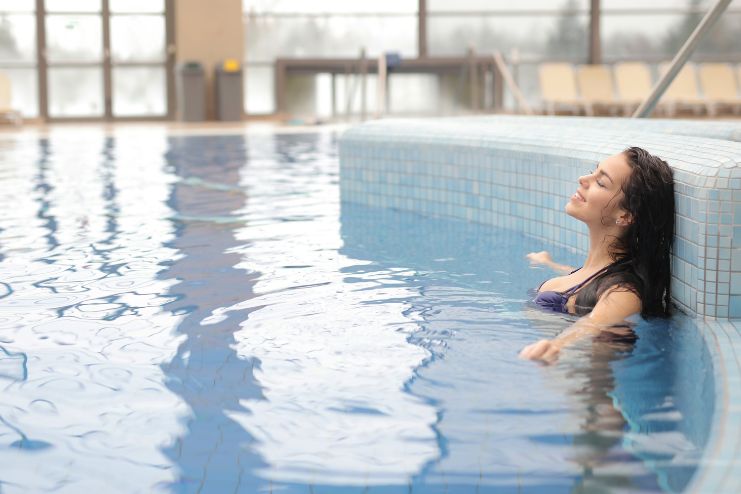
Swimming is an excellent activity for staying active and refreshed, but it can potentially harm your eyes. There’s a reason why most people experience burning, redness, or altered vision after swimming in a pool. Most swimming pools contain chemicals like chlorine and bromine to disinfect the water. However, these same chemicals can interfere with your eyes’ normal moisture levels, causing dryness and irritation.
Additionally, if you have sensitive eyes, pools can harbor bacteria and other microorganisms that may cause infections. Repeated exposure to ultraviolet (UV) radiation from outdoor pools can also contribute to eye damage in the sensitive tissue around your eyes.
Although eye discomfort after swimming is quite common, understanding its underlying causes is essential for avoiding long-term problems. This article will discuss the most frequent causes of eye issues following swimming and offer tips for protecting your eyes.
Read More: What Happens If You Keep Rubbing Your Eyes? 10 Possible Risks!
1. Redness and Irritation – The Most Common Effect
One of the most common complaints among swimmers is red eyes after swimming. Chlorine and other disinfectants used in pool water are the leading causes of this frequent problem. It’s common for your eyes to become red and irritated after spending time in the water.
However, contrary to what many people believe, the high chlorine content itself isn’t entirely to blame. According to Centers for Disease Control and Prevention (CDC), the problem is actually caused by sweat and urine in the water. Pool operators use chlorine to sanitize swimming pools and eliminate microorganisms, but when chlorine binds to perspiration and urine that swimmers release into pools, it produces chloramines. As stated by the CDC, these chemicals can lead to eye infections from swimming and may also cause irritation to the skin, respiratory tract, and other parts of the body.
To relieve red, irritated eyes after swimming and help avoid uncomfortable eye problems, make an effort to wear swimming goggles. If possible, try them on before purchasing to ensure they fit properly. When removing swim goggles, you might hear a slight, quick pop—this indicates they’ve formed a secure, watertight seal. If you plan to swim outdoors, choose goggles with UV protection and an anti-fog coating.
2. Dry Eyes and Blurred Vision After Swimming
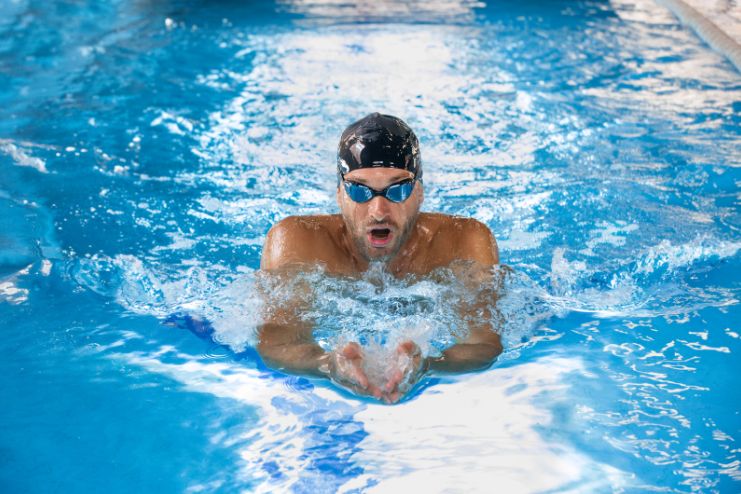
On a hot day, cooling down with a relaxing swim in a pool might seem like a great idea. However, the enjoyment can be disrupted by issues like dry eyes and blurry vision. Contact with pool chemicals, especially chlorine, commonly causes this uncomfortable feeling known as “swimmer’s eye.”
Dry eyes are another typical problem after swimming, particularly in chlorinated pools. Chlorine and other chemicals used in pools can strip away the eye’s natural tear film, leaving your eyes feeling dry and uncomfortable.
The pH level of the water is another factor contributing to blurry vision after swimming. When the pH is too high or too low, the water becomes alkaline or acidic. This imbalance will cause your eyes to become irritated, red, and your vision to become blurry.
The most common symptoms include red eyes, itching, a gritty sensation, light sensitivity, and mild pain.
To treat chlorine-induced eye irritation, rinse both your eyes with fresh water after swimming. Additionally, lubricating eye drops can provide relief. For your next swim, consider wearing swim goggles to protect your eyes if irritation persists.
Read More: Castor Oil for Dry Eyes – Does it work?
3. Risk of Eye Infections from Pool Water
Even pools with proper chlorination can still harbor germs, viruses, and fungi that are harmful to the eyes. While chlorine inhibits microbial growth, it doesn’t kill all harmful pathogens completely, particularly when swimmers introduce contaminants to the pool or when maintenance isn’t regular.
According to Mark Greiner, MD, a corneal disease specialist ophthalmologist at the University of Iowa Hospitals & Clinics, bacterial or other types of pathogens in water may cause eye infections.
Dr. Greiner explains that most infections are caused by bacteria or viruses, but parasites are also responsible for others, such as Acanthamoeba infections. Among the most common infections is bacterial conjunctivitis, which causes redness, inflammation, discharge, and a burning sensation in the eyes. Water can readily host pathogens, especially in poorly maintained or inadequately chlorinated pools.
Viral conjunctivitis is extremely contagious and spreads through contact with contaminated surfaces. Since people have close contact at beaches and swimming pools, transmission easily occurs in these environments.
The risk is greater if you swim underwater with your eyes open without goggles or rub your eyes with wet hands. To minimize exposure, swim with protective goggles, avoid swimming with makeup or contact lenses, and shower before entering the pool.
4. Eye Injuries and Scratching of the Cornea
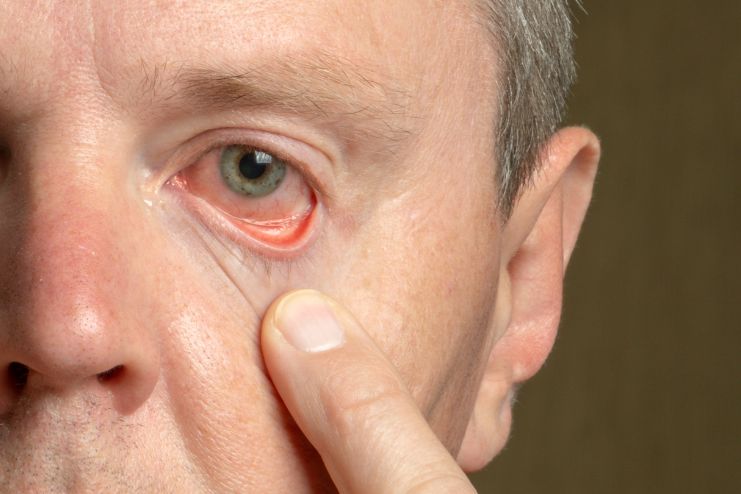
Although usually not serious, swimming occasionally leads to physical damage such as corneal abrasions or other eye problems. Scraping or cutting the surface of your cornea, the transparent layer on the eye is known as a corneal abrasion. The top or surface layer of your cornea is called the epithelium; there are five layers.
Corneal abrasions, often called scratched eyes or scratched corneas, can occur suddenly and cause symptoms like pain, redness, a gritty feeling, sensitivity to light, excessive tearing, and blurred vision. These scratches may happen when foreign particles get into your eyes while driving or when sand irritates them during swimming or time spent at the beach.
Because even a minor scratch can lead to an infection or possibly permanent vision loss if left untreated, you should not ignore or take lightly these signs, which likely appear immediately after the injury.
If you think you got a scratch on your eyeball from swimming, do not put on contact lenses and disregard the rubbing of your eyes. Clean the eye and find a doctor as soon as possible. To minimize the chance of developing an kind of infection and speed up recovery, doctors may prescribe antibiotic ointment and eye drops.
Read More: 16 Effective Cures For Dry Eyes That Work Like Magic
5. Long-term Effects of Repeated Eye Exposure to Pool Water
Regular exposure to pool water can have long-lasting effects on your eyes. While there’s no proof that chlorine causes permanent damage to your eyes, certain risks are involved. The threat isn’t just from the chemical coming into contact with your eyes, as most people believe.
Actually, bacteria that remain in the water often cause the redness and discomfort that sometimes accompany swimming. When you immerse your eyes in chlorine-treated water, you lose the tear film that protects your eyes from infection.
Even though pool chlorine is designed to reduce harmful microbes, some contaminants resist its effects. This means that infections caused by organisms still present in the water may compromise your eye health.
Regular swimming can also trigger allergies in some people, particularly those sensitive to pool chemicals. Red eyes, swelling, and itching are manifestations that can be difficult to treat with simple remedies alone.
Proper swimming eye care is essential to minimize these risks. When swimming outdoors, always wear protective swim goggles, preferably ones that shield against UV rays. After you finish swimming, rinse your eyes with clean water and apply lubricating eye drops to keep them moist.
If you’re a regular swimmer, schedule frequent eye exams to monitor your eye health and identify any developing issues early.
How to Protect Your Eyes While Swimming
Taking proper care of your eyes while swimming will protect you from irritation, infection, and permanent eye damage. Below are some helpful tips on how to protect your eyes:
- Always wear well-fitting swim goggles to create a barrier between your eyes and pool water
- Remove contact lenses before swimming, as wearing them increases your risk of infection. If needed, use prescription goggles
- After swimming, rinse your eyes with clean water to remove any chemicals that may have gotten into your eyes
- Use artificial tears to lubricate your eyes after chemical exposure
- Wear sunglasses that block 100% of UVA and UVB rays to protect your eyes from UV radiation when swimming outdoors
- Do not rub your eyes, as this can transfer irritants and bacteria. If necessary, gently dab your eyes with a clean, damp cloth
Following these straightforward routines will maximize your post-swim eye care and reduce the risk of common pool-related eye problems.
Read More: How to Get Rid of Watery Eyes
When to See a Doctor

Most eye irritation after swimming is not serious, but there are certain symptoms that should not be ignored. If you experience severe pain, sudden vision loss, persistent redness, or extreme light sensitivity, seek medical attention immediately.
These symptoms could indicate more serious problems like corneal abrasions, infections (such as keratitis or conjunctivitis), or chemical burns from pool disinfectants.
Also, note any symptoms that continue for more than 24-48 hours after home treatment or symptoms that are getting worse. Other warning signs include yellow or green discharge, significant swelling, and the persistent sensation of having a foreign object in your eye.
Conclusion
Swimming is a wonderful exercise and great fun, but protecting your eyes is essential for a safe and pleasant experience. Pool water can cause many negative effects on the eyes, from redness and irritation to infections, dry eyes, and even potential long-term damage.
You can take action in time by being aware of these factors and recognizing warning signs such as severe discomfort, blurred vision, or persistent redness.
Prevention is the most important aspect of eye protection when swimming. Use properly fitted swim goggles every time, rinse your eyes with clean water after each swim, and apply lubricating drops to restore moisture. Avoid touching or rubbing your eyes, and monitor any symptoms that persist.
By being careful and developing safe swimming habits, you can enjoy swimming while protecting your precious eyesight.
References
- https://www.vsp.com/eyewear-wellness/eye-health/red-eyes
- https://www.allaboutvision.com/conditions/swimmers-eye
- https://www.cdc.gov/healthy-swimming/prevention/preventing-eye-irritation-from-pool-chemicals.html
- https://swimrightmarjcc.org/how-to-prevent-and-treat-blurry-eyes-after-swimming-blogpost
- https://www.swimrightacademy.com/how-to-get-rid-of-blurry-eyes-after-swimming-blogpost
- https://www.youreyesite.com/tips-for-managing-swimmers-eye-dry-eyes-allergies-this-summer
- https://www.aao.org/eye-health/tips-prevention/swimming-contacts-your-eyes
- https://totalvisionranchobernardo.com/how-to-get-rid-of-blurry-vision-after-swimming
- https://uihc.org/providers/mark-greiner
- https://uihc.org/health-topics/eyes-react-pool-water
- https://prasadnetralaya.com/can-swimming-cause-eye-infections
- https://my.clevelandclinic.org/health/diseases/14423-corneal-abrasion
- https://legarretaeye.com/2022/11/06/everything-you-need-to-know-about-corneal-abrasions-in-2022-causes-diagnosis-management-and-treatment
- https://kidshealth.org/en/parents/corneal-abrasions.html
- https://valleyeyecareaz.com/how-does-swimming-affect-your-eye-health
- https://health.clevelandclinic.org/how-does-chlorine-affect-your-eyes
- https://www.neco.edu/news/protect-your-eyes-while-swimming/
- https://www.optiqueatwestpaces.com/5-tips-to-protect-your-vision-at-the-pool
In this Article