










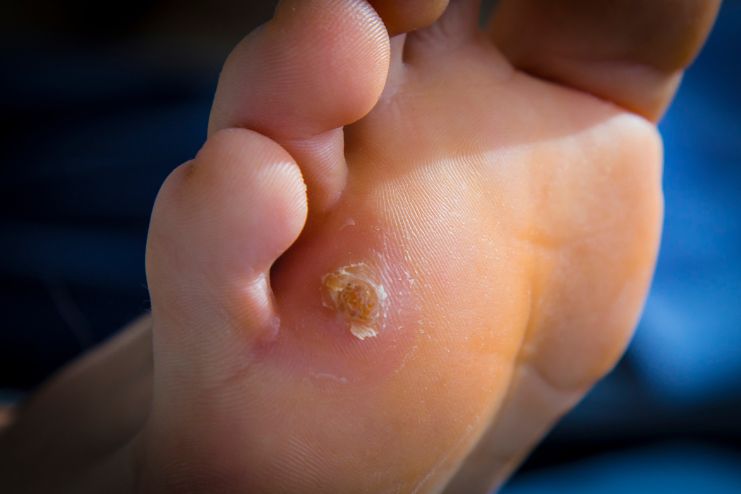
Did you know that up to 14% of adults develop painful corns and calluses each year, with women being four times more likely to experience them than men? These hardened patches of skin might seem like minor annoyances, but they can significantly impact your daily comfort and mobility.
You can’t truly understand the discomfort they cause until you experience them yourself. While over-the-counter medications are certainly effective options, natural remedies for removing corns and calluses offer another valuable alternative.
If you’ve been struggling with white or yellowish hardened skin on the bottom of your feet, it’s time to take action and treat the condition effectively. By the end of this article, you’ll have comprehensive knowledge about how to remove corns and calluses naturally and prevent them from returning.
Read More: How To Get Rid Of Corns And Calluses?
What Are Corns and Calluses?
Corns and calluses are hardened layers of skin that pile up on top of each other, creating a distinct mass of dead skin cells, predominantly on the feet. They form when your skin tries to protect itself from friction and pressure, according to the Mayo Clinic.
Research published in NCBI shows that these conditions most commonly occur on the toes, hands, and fingers. For most healthy people without underlying health conditions that could worsen the situation, treatment is straightforward and doesn’t require extreme measures.
“If there’s a pressure point on an area of the foot, the skin grows more and more in that one particular area. As more skin grows, it forms the corn,” explains Steven Neufeld, MD, a Washington, D.C.-based orthopedic surgeon. “I see corns most commonly in women who wear shoes that are too tight.”
What’s the Difference Between Corns and Calluses?
Since corns and calluses are quite similar, they’re often discussed together. However, they do have some important differences worth noting.
Calluses
A callus is a section of skin that forms a tough layer due to constant pressure, friction, or irritation. They’re typically pale or yellow in color and have a lumpy texture because the surrounding skin becomes quite thick. Calluses are often less sensitive to touch compared to the surrounding skin.
Calluses tend to be more widespread and larger than corns. They appear predominantly in areas that experience maximum friction from bones or ill-fitting shoes.
Corns
Corns are a type of callus made up primarily of dead skin cells. They typically appear in areas with minimal hair growth, especially on top or on the sides of toes. Corns are small and circular with a characteristic feel – the center of the inflamed area is soft and squishy.
Unlike calluses, corns are white in color, smaller in size, and less widespread. They often have a rubbery texture. Moist and sweaty skin is frequently a contributing cause.
In summary, corns and calluses aren’t technically harmful if treated in the early stages. Problems arise when they’re left untreated, potentially leading to ulcers and infections in the affected area.
Read More: The Ultimate Guide to Removing Skin Tags: Safe and Simple Solutions
What Causes Corns and Calluses on Feet?
According to the Cleveland Clinic, corns and calluses develop from repeated friction, rubbing, or irritation and pressure on the skin. Several factors can contribute to their development:
- Friction from bones and shoes (the most common cause)
- Sweaty feet
- Trapped moisture in the feet
- Lack of proper foot care
- Manual labor
- Ill-fitting shoes
- Abnormal bone structure
- Bursitis
Signs and Symptoms
The signs and symptoms of corns and calluses include:
- Hardened skin and lumps
- Thick skin around the affected area
- Flaky and dry skin
- Occasional pain and tenderness around the area
15 Natural Home Remedies for Corns and Calluses
When it comes to natural ways to remove corns and calluses, numerous home remedies can be effective. If you’ve been struggling to find a good solution, here are some proven methods to help you.
1. Castor Oil
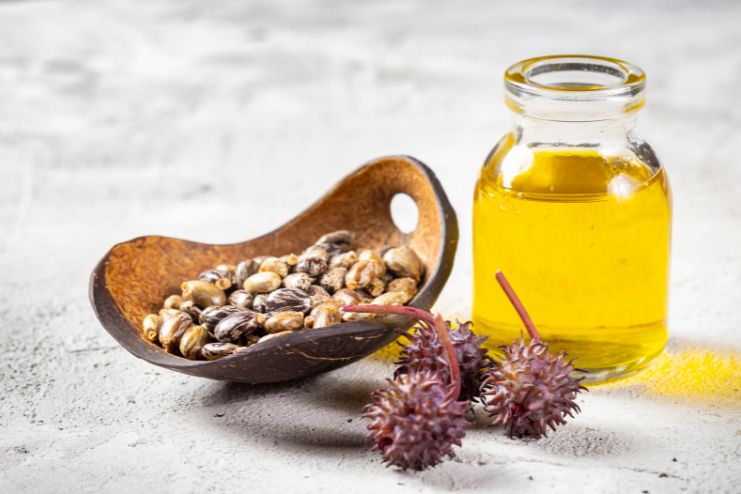
This remedy combines castor oil with apple cider vinegar for amazing results. Research published in NCBI demonstrates castor oil’s moisturizing properties, while studies on apple cider vinegar show its antimicrobial benefits. Together, they help soften hardened skin layers, which can then be scrubbed away with a pumice stone.
What to do:
- Fill half a bucket with hot, soapy water
- Add ½ cup of apple cider vinegar
- Add 2-3 tablespoons of castor oil
- Mix everything and soak your feet for 15 minutes
- Use a pumice stone to scrub away softened calluses
- For corns, apply castor oil directly to the affected area and leave on
How often: For calluses, soak feet once daily until completely treated. For corns, apply castor oil multiple times daily.
2. Salicylic Acid
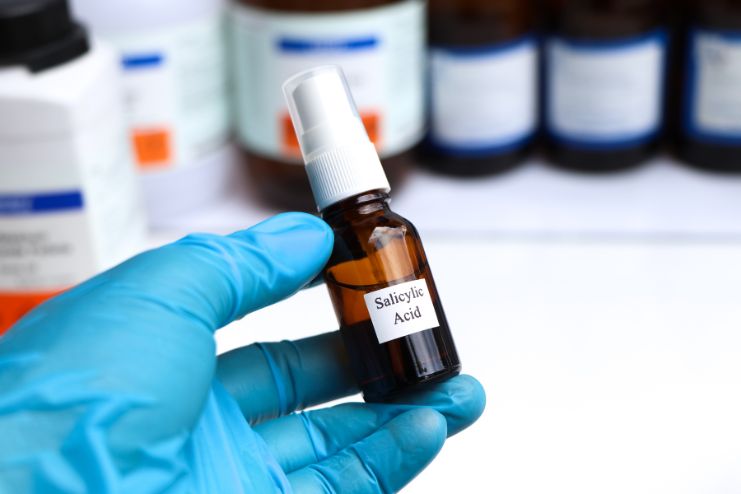
Harvard Health recommends salicylic acid as an effective treatment for corns and calluses. Clinical research published in NCBI shows that salicylic acid treatment resolves more corns, delays recurrence, reduces pain, and reduces corn size compared to standard treatments.
It breaks down the bonds between accumulated skin cells in corns and calluses, loosening the hardness and eventually eliminating the formed lump by dissolving it from within.
What to do:
- Fill a bucket with warm water and soak feet for 10-15 minutes
- Pat dry with a towel
- Use a pumice stone to scrub off dead skin cells
- Clean the area completely
- Apply a few drops of salicylic acid
- Leave on for 5 minutes, then rinse
How often: Once or twice daily until completely healed.
Read More: 11 Effective Tips For Diabetic Foot Care
3. Lemon
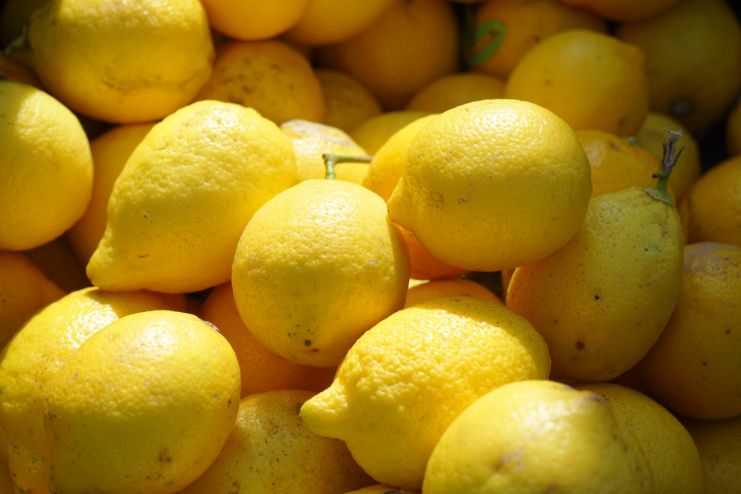
Lemon juice is particularly effective for corns, where the hard center causes pain and discomfort. The natural antioxidant and soothing properties help soften the hardened skin center, restoring the area’s normal appearance.
What to do:
- Squeeze juice from one lemon
- Apply to affected areas using a cotton pad
- Leave on for 10-15 minutes
- Rinse off with cold water
How often: 1-2 times daily until completely healed.
4. Onions

Onions contain powerful acids and nutrients that help neutralize infection and improve the appearance of hardened skin cells. As the skin softens, it becomes easier to remove dry and flaky skin cells.
What to do:
- Cut a large circular slice of onion
- Apply to the affected area and secure with a sock
- Leave on for 1-2 days consistently
- Remove the onion slice and use a pumice stone to rub away remaining hardened skin
How often: Every two days until completely cured.
5. Vitamin E

Vitamins A and E have beneficial effects on skin condition. Simply applying oil from vitamin capsules can soften hardened skin and prevent further issues. Consistency is key for beneficial results.
What to do:
- Cut open a Vitamin E capsule
- Pour contents onto your palm
- Apply to the affected corn or callus area
- Cover feet with socks
- Leave on overnight
How often: Every night before bedtime until completely cured.
6. Pumice Stone
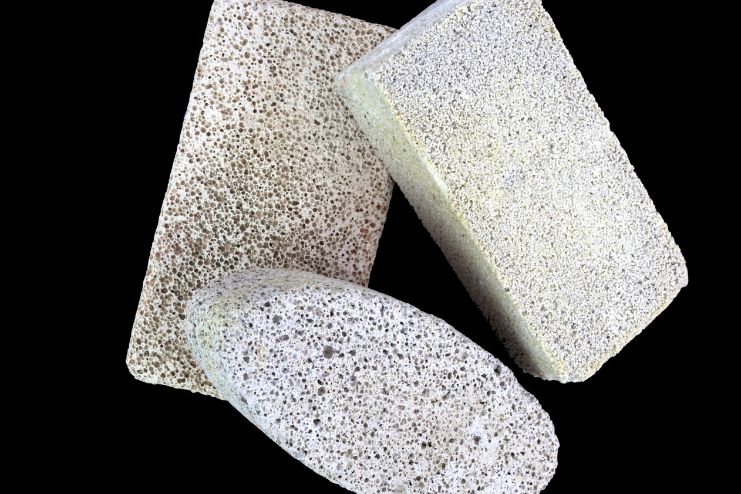
A pumice stone is a universal remedy for treating corns and calluses effectively. Rubbing with the stone removes hardened and dead skin cell layers, helping eliminate the problem for effective recovery.
What to do:
- Fill a bucket with warm, soapy water
- Soak feet for 15 minutes
- Lightly pat dry excess water
- Use a pumice stone to rub off excess dry skin cells
- Rinse away dry skin cells with water
How often: Once daily.
Read More: Hand-Foot-and-Mouth Disease: What Parents Need to Know
7. Baking Soda
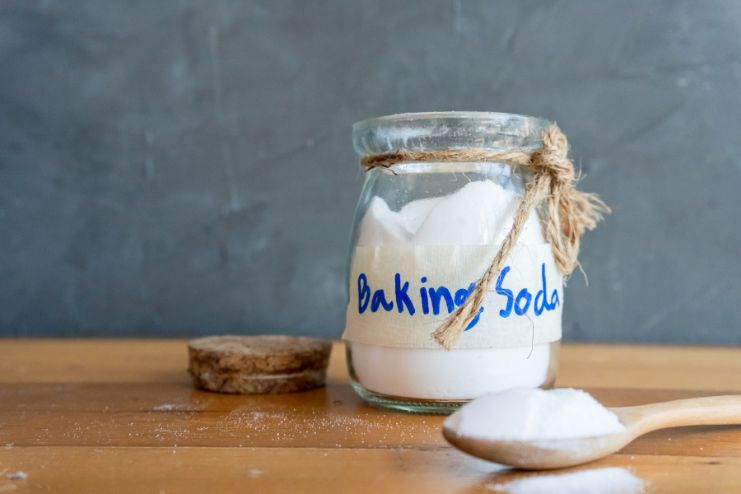
Baking soda is an excellent exfoliating agent that removes excess dead and dry skin cells. Its antimicrobial and pH-maintaining properties help ward off these problems for smoother feet.
What to do:
- Fill a bucket with warm water
- Add ½ cup of baking soda
- Soak feet for 10-15 minutes
- Use a pumice stone to rub off excess dead and flaky skin cells
- Rinse away remnants with water
How often: Once daily.
8. Garlic
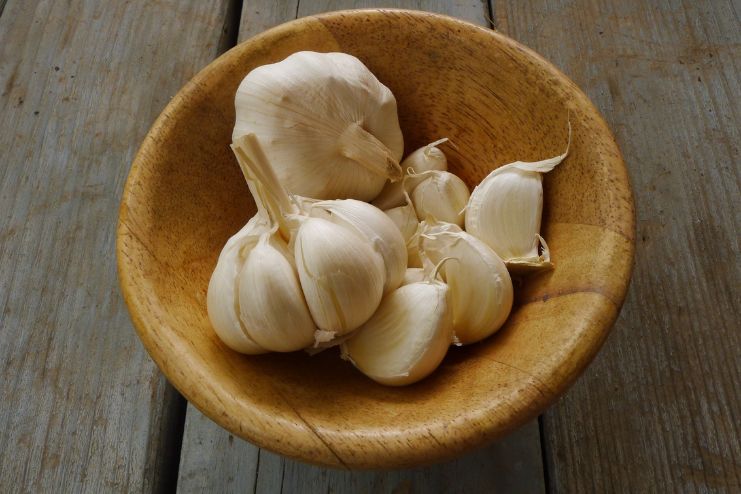
Like onions, garlic is effective for treating corns and calluses due to its antimicrobial and anti-inflammatory properties. Its natural antioxidative properties help treat the condition while preventing fungal and bacterial infections.
What to do:
- Crush garlic cloves with a mortar and pestle to make a paste
- Apply a thick layer to the corn or callus
- Cover with a bandage
- Leave on overnight
- Remove bandage and wash feet with running water the next morning
How often: Every night until completely healed.
9. Chamomile Tea and Epsom Salt
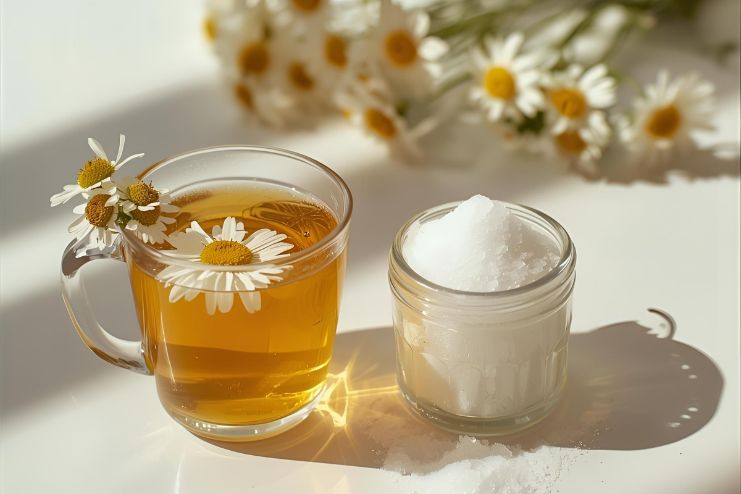
This combination creates a healing and therapeutic treatment for corns and calluses. The chamomile tea and Epsom salt work together to soften skin layers, making it easier to remove hardened skin with a pumice stone.
What to do:
- Fill a bucket with warm water
- Add 3-4 tablespoons of Epsom salt and a few chamomile tea bags
- Let steep, then soak feet for 10-15 minutes
- Once skin has softened, use a pumice stone to remove hard skin cells
How often: Once daily until the condition is completely cured.
Read More: 6 Best Foot Spas for Swollen Feet
10. Bread
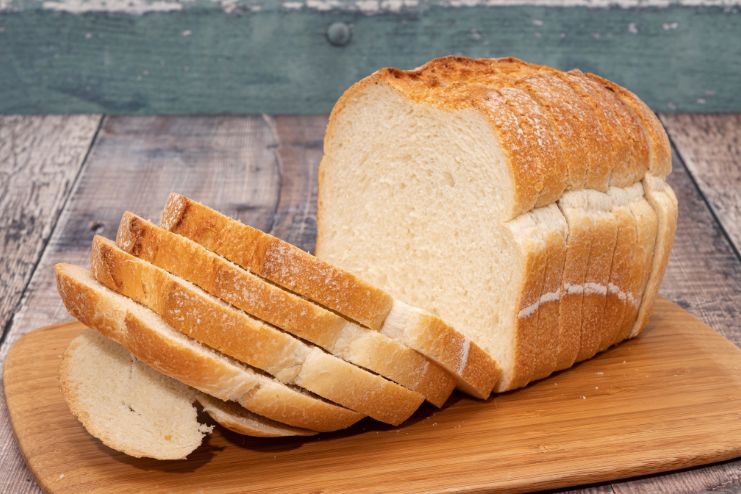
Bread soaked in apple cider vinegar can effectively remove calluses overnight. This remedy works remarkably well for reducing pain and discomfort.
What to do:
- Cut a slice of bread and dip in apple cider vinegar
- Apply the soaked bread to the affected area and cover with a bandage
- Leave on overnight
- Wash off the next morning
How often: Every night until completely cured.
11. Turpentine Oil
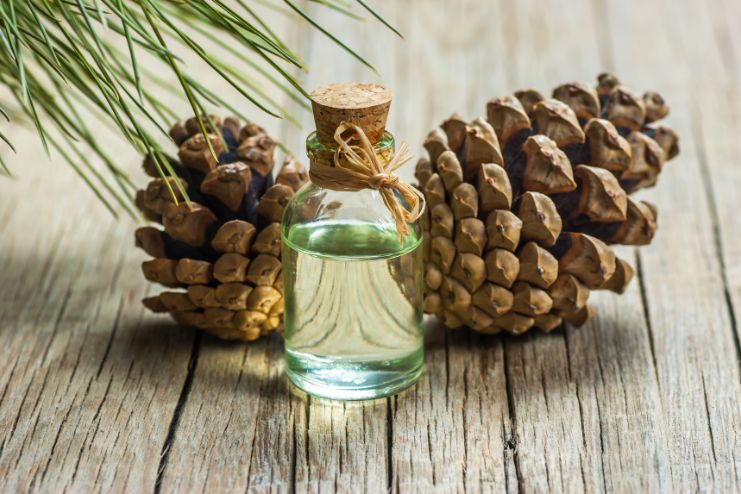
Turpentine oil provides soothing effects and boosts blood circulation, helping eliminate the problem. Always patch test and mix with a carrier oil to avoid side effects.
What to do:
- Rub the affected area with an ice cube until slightly softened
- Apply turpentine oil to the affected area using a cotton pad
- Leave on (rinse immediately if stinging or discomfort occurs)
How often: Once daily.
12. Massage
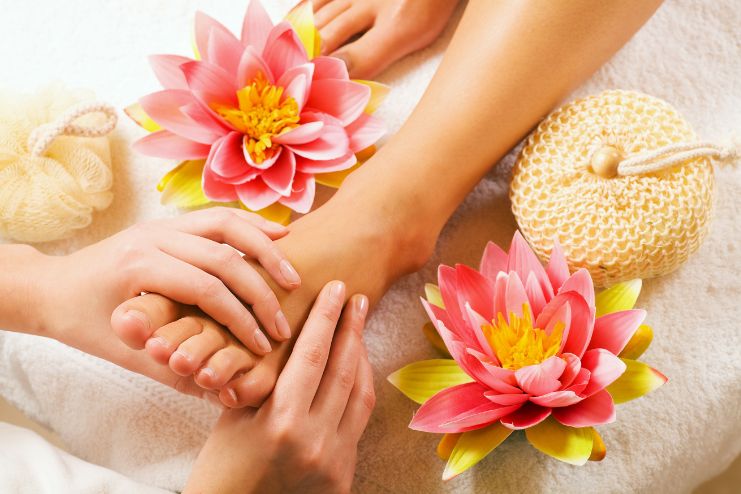
Massaging improves blood circulation throughout the body, preventing the accumulation of dead skin cells. Enhanced oxygenated blood circulation helps shed unnecessary dead skin cells, eliminating problems associated with corns and calluses. Essential oil massage can also soften hard skin layers.
What to do:
- Get a professional massage or massage your feet yourself
- Use oil on your palms and massage feet in circular motions
How often: 1-2 times daily.
13. Pineapple
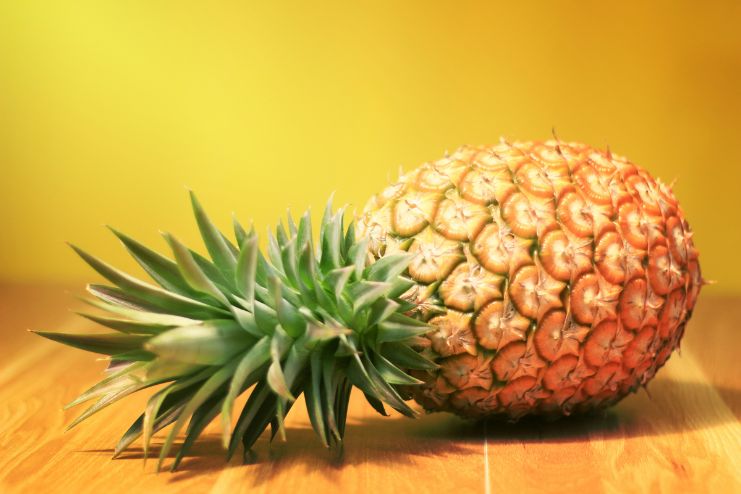
Pineapple’s beneficial healing properties and mild acidic nature help neutralize hardened skin texture and eliminate the problem.
What to do:
- Cut a thin slice of pineapple
- Apply over the affected area
- Secure with a bandage
- Leave on overnight
How often: Once every night until completely healed.
14. Papaya
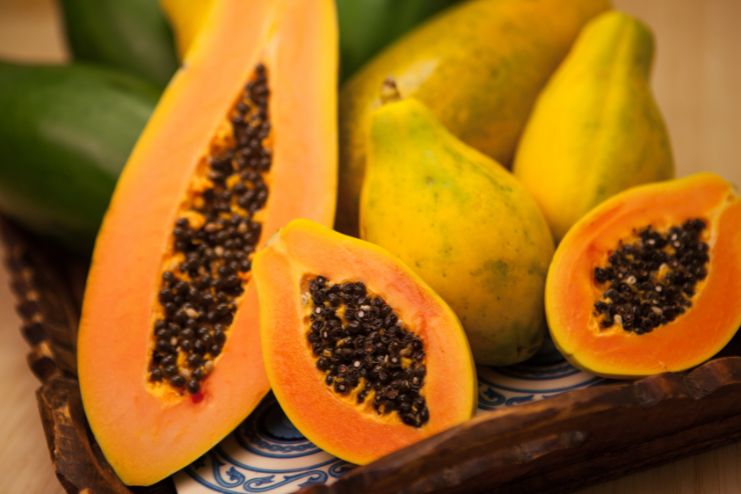
Raw papaya contains enzymes that break down bonds between dead skin cells. It also softens hard skin layers with its natural properties.
What to do:
- Peel papaya and make into a paste
- Apply to affected areas on feet or hands
- Leave on for 15-20 minutes
- Wash off with water
How often: 1-2 times daily.
15. Aspirin
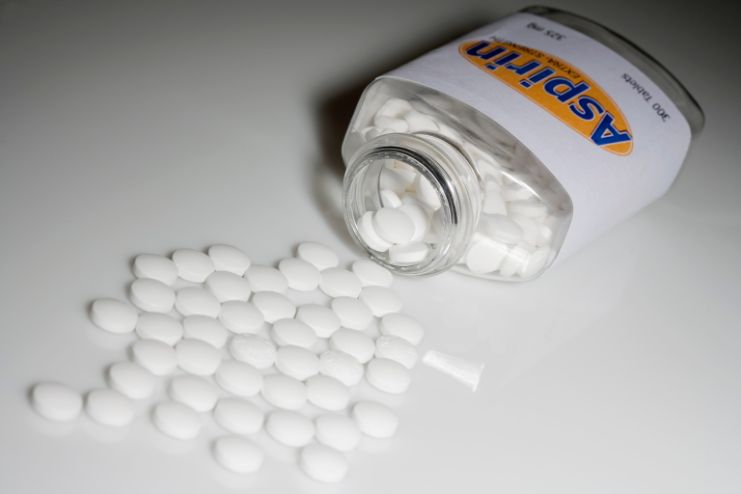
Aspirin contains salicylic acid, which effectively removes hardened skin caused by corns and calluses.
What to do:
- Crush 4-5 aspirin tablets with a mortar and pestle
- Mix with water to make a smooth paste
- Apply to affected areas
- Leave on for 10 minutes
- Wash off with water
How often: Once daily until cured.
Read More: 10 Best Foot Massagers for Diabetic Neuropathy – Discover the Best!!
How to Prevent Corns and Calluses
While natural remedies are effective, taking preventive steps is equally important. Harvard Health emphasizes that prevention is often the best approach:
- Wear properly fitted shoes
- Wear socks to prevent moisture buildup
- Treat any infections that develop promptly
- Maintain good foot hygiene
- Use moisturizer regularly to keep skin soft
- Avoid walking barefoot on rough surfaces
- Use cushioned insoles or padding to redistribute pressure
Conclusion
These natural remedies for removing corns and calluses show excellent results in treating the condition. If you frequently struggle with this uncomfortable problem, take time to implement these treatments consistently. With 15 different approaches to choose from, you’re sure to find methods that work effectively for your specific situation.
Remember that persistence and consistency are key to successful treatment. However, the Mayo Clinic advises that if you have diabetes, poor circulation, or if symptoms persist or worsen despite home treatment, you should consult a healthcare professional for additional guidance.
Ready to say goodbye to painful corns and calluses? Start with one of these natural remedies today and take the first step toward healthier, more comfortable feet. Your future self will thank you for taking action now rather than waiting for the problem to worsen.
Read More: 10 Simple Ways to Get Rid of Foot Odor Without Much Hassle
Frequently Asked Questions
Q: How long does it take for natural remedies to work on corns and calluses? A: Most natural remedies require consistent daily application for 1-2 weeks to show significant results. Smaller corns may resolve faster, while larger calluses may take up to a month of regular treatment.
Q: Can I use multiple natural remedies at the same time? A: It’s generally best to try one remedy at a time to see how your skin responds. If you want to combine treatments, space them throughout the day and monitor for any irritation.
Q: When should I see a doctor instead of using home remedies? A: Consult a healthcare professional if you have diabetes, circulation problems, signs of infection (redness, warmth, pus), severe pain, or if the corn/callus doesn’t improve after 2-3 weeks of consistent treatment.
Q: Are corns and calluses contagious? A: No, corns and calluses are not contagious. They’re caused by mechanical pressure and friction, not by bacteria or viruses that can spread between people.
Q: Can children develop corns and calluses? A: Yes, but it’s less common in children. When it occurs, it’s usually due to ill-fitting shoes or specific activities. The same natural remedies can be used, but with gentler application and adult supervision.
Q: Will corns and calluses come back after treatment? A: They may return if the underlying cause (like ill-fitting shoes or repetitive pressure) isn’t addressed. Prevention through proper footwear and foot care is essential for long-term success.
Q: Is it safe to cut or shave corns and calluses at home? A: No, cutting or shaving corns and calluses at home can lead to infection and injury. Stick to soaking, softening, and gentle removal with a pumice stone or seek professional treatment.
Q: Can essential oils help with corns and calluses? A: Some essential oils like tea tree oil have antimicrobial properties that may help, but they should always be diluted with a carrier oil. However, the remedies listed in this article have more established benefits for this condition.
References
- https://www.mayoclinic.org/diseases-conditions/corns-and-calluses/symptoms-causes/syc-20355946
- https://www.ncbi.nlm.nih.gov/books/NBK470374/
- https://my.clevelandclinic.org/health/diseases/16896-corns-and-calluses
- https://www.health.harvard.edu/pain/calluses-and-corns
- https://newsnetwork.mayoclinic.org/discussion/home-treatment-options-for-corns-and-calluses/
- https://www.health.harvard.edu/pain/finding-relief-from-calluses-and-corns
- https://www.ncbi.nlm.nih.gov/pmc/articles/PMC5015816/
- https://www.ncbi.nlm.nih.gov/pmc/articles/PMC1785201/
- https://www.ncbi.nlm.nih.gov/pmc/articles/PMC4590215/
- https://www.ncbi.nlm.nih.gov/pmc/articles/PMC3770998/
- https://www.ncbi.nlm.nih.gov/pmc/articles/PMC4103721/
- https://www.ncbi.nlm.nih.gov/pmc/articles/PMC5467308/
- https://www.ncbi.nlm.nih.gov/pmc/articles/PMC3444990/
- https://www.mayoclinic.org/diseases-conditions/corns-and-calluses/diagnosis-treatment/drc-20355951
- https://www.footankledc.com/news/6-podiatrist-approved-products-to-help-remove-corns/77
In this Article